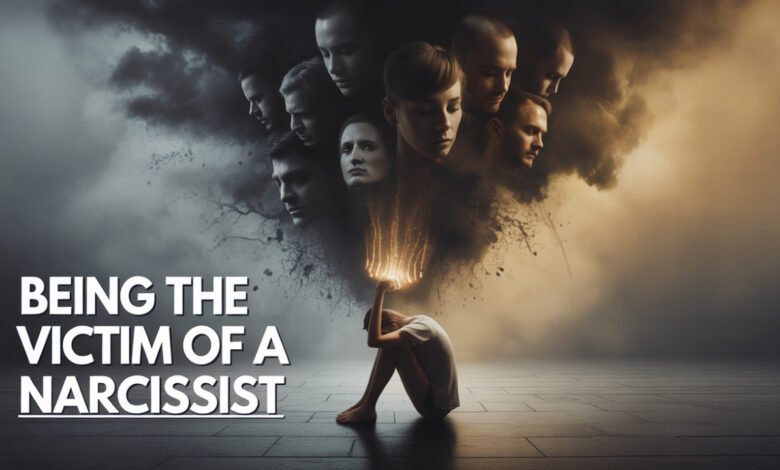
Being the victim of a narcissist is emotionally draining, as a victimized narcissist often twists reality to appear innocent, leaving partners truly being a victim of a narcissist, showing how narcissism and victimhood intertwine in cycles of control and manipulation.
Thank you for reading this post, don't forget to subscribe!Being the victim of a narcissist means living under constant emotional strain, as manipulation and gaslighting erode confidence and self-worth.
A victimized narcissist often flips the narrative, portraying themselves as the wounded party while continuing to harm others.
Survivors describe the exhausting cycle of being a victim of a narcissist, where truth is distorted, and boundaries are constantly violated.
In many cases, narcissism and victimhood intertwine—survivors feel trapped in blame, while narcissists thrive on control.
Understanding these dynamics is essential, because naming abuse helps survivors reclaim power, heal emotionally, and finally step free from toxic manipulation.
🔹 12 Key Points – being the victim of a narcissist
1. Emotional Exhaustion
One of the hardest realities of being the victim of a narcissist is relentless emotional exhaustion. Narcissists demand constant attention, validation, and compliance, leaving their partners drained.
Survivors often describe feeling like nothing they do is ever enough. Emotional outbursts, silent treatments, and manipulation create an unpredictable atmosphere that prevents peace.
Over time, victims lose touch with their needs, focusing only on avoiding conflict. This fatigue is not weakness—it is the result of constant emotional labor.
Recognizing exhaustion as abuse, not personal failure, is the first step in healing from the overwhelming demands of narcissistic relationships.
2. Role of the Victimized Narcissist
A victimized narcissist often positions themselves as misunderstood or unfairly treated, weaponizing sympathy. They may exaggerate struggles, claim others mistreat them, or twist stories to gain pity.
This role shields them from accountability and draws in caregivers who feel guilty challenging them. By portraying themselves as helpless, they manipulate others into meeting their needs.
Survivors find it difficult to leave, fearing they are abandoning someone “in pain.” Yet, the victim narrative is a strategy, not truth.
Recognizing this manipulation empowers survivors to separate compassion from enabling, ensuring they no longer sacrifice well-being for manufactured crises.
Please enjoy reading four-types-of-narcissism-understanding-the-4-types
3. Identity Loss – being the victim of a narcissist
For many, being a victim of a narcissist means slowly losing identity. Survivors often adjust their personalities, hobbies, and values to please the narcissist, silencing authentic needs.
Over time, they feel disconnected from who they once were. Narcissists thrive on reshaping partners into extensions of themselves, erasing individuality.
Survivors may forget their passions or doubt their worth outside the relationship. This identity erosion creates dependence, ensuring the narcissist retains power.
Healing begins by rediscovering forgotten joys, reconnecting with self, and affirming individuality. Reclaiming identity is not rebellion—it is liberation from the grip of narcissistic control and exploitation.
4. Gaslighting Tactics
A classic weapon in narcissism and victimhood dynamics is gaslighting. Narcissists deny facts, twist stories, and question reality until survivors doubt themselves.
Simple disagreements escalate into confusion, leaving victims apologizing for things they didn’t do. Gaslighting erodes confidence, making survivors dependent on the narcissist’s version of truth.
Over time, they feel trapped, unable to trust their memory or judgment. Recognizing gaslighting is crucial.
Survivors can begin recording patterns, validating experiences with trusted allies, and naming manipulation.
Gaslighting is not harmless—it is psychological abuse designed to destroy autonomy. Awareness restores clarity, making recovery from victimhood possible.
5. Emotional Manipulation
Another hallmark of being the victim of a narcissist is enduring constant emotional manipulation. Narcissists exploit guilt, fear, or sympathy to maintain control.
Survivors often comply to avoid conflict, feeling trapped in a no-win situation. The narcissist may promise change, then revert to old behaviors, creating false hope.
Emotional manipulation convinces victims they are to blame, preventing escape. Recognizing this cycle breaks the illusion. Survivors are not weak—they are targeted by calculated control tactics.
Therapy and support groups validate these experiences, helping individuals regain strength. Naming emotional manipulation redefines it from confusion to abuse, making recovery possible.
6. Social Isolation
A victimized narcissist often isolates their partner from support systems. They may criticize friends, sabotage family relationships, or demand loyalty that excludes others.
Survivors become increasingly dependent on the narcissist for connection. This isolation intensifies manipulation, as victims lose external validation and perspective.
Survivors often feel trapped, believing no one else would understand. Breaking isolation is critical for healing. Rebuilding connections, even small ones, restores balance.
Recognizing isolation as intentional abuse, not coincidence, helps survivors escape the narcissist’s control.
Social support is vital—it reintroduces truth, compassion, and resources survivors need to reclaim independence and dignity.
7. Cycles of Idealization and Devaluation
Those being a victim of a narcissist experience cycles of love-bombing and criticism. At first, narcissists shower attention, making victims feel special.
Once control is established, the devaluation begins—insults, neglect, or withdrawal of affection. This push-pull dynamic keeps survivors off balance, always chasing the return of initial warmth.
Yet, the cycle is manipulation, not genuine love. Victims blame themselves for the loss of affection, reinforcing control. Recognizing the cycle helps survivors see patterns clearly.
Love-bombing is a trap, not proof of change. True healing begins when survivors stop chasing the illusion and demand consistent respect.
Please enjoy reading relationship-between-two-narcissists-different-types
8. Financial Control
A weapon in narcissism and victimhood is financial manipulation. Narcissists may restrict access to money, criticize spending, or exploit partners’ earnings.
Survivors lose independence, feeling trapped by economic dependence. Financial abuse often prevents leaving, as victims fear instability.
Control through money reinforces power, ensuring the narcissist dictates choices. Survivors must recognize finances as a control tactic, not mismanagement.
Opening separate accounts, seeking legal advice, or budgeting independently helps reclaim autonomy. Financial freedom is not selfish—it is survival.
Reframing money as empowerment breaks dependence, making it possible to step away from cycles of manipulation and regain self-respect.
9. Psychological Trauma
One of the deepest wounds of being the victim of a narcissist is psychological trauma. Years of gaslighting, manipulation, and abuse leave survivors with anxiety, depression, or complex PTSD.
They may struggle with intrusive thoughts, nightmares, or self-doubt. Trauma is not weakness—it is a natural response to prolonged abuse.
Survivors benefit from trauma-informed therapy, which validates pain and provides coping strategies.
Healing requires patience and compassion for oneself. Naming experiences as trauma shifts blame from victim to abuser.
Survivors are not broken—they are healing from deliberate harm. Recovery transforms scars into resilience, empowering survivors to thrive.
10. Breaking Free – being the victim of a narcissist
A victimized narcissist thrives when survivors feel trapped, but breaking free is possible. Survivors often fear retaliation, guilt, or failure, yet courage grows through small steps.
Setting boundaries, seeking therapy, and rebuilding networks restore strength. Escape is not betrayal—it is protection. Breaking free means ending cycles of exploitation and reclaiming dignity.
Survivors must recognize that leaving does not mean weakness—it proves resilience.
Narcissists rarely change, but survivors can. Breaking free is not a single act but a process of healing, learning, and choosing autonomy. It proves that no one deserves to live in cycles of abuse.
11. Healing and Recovery
For those being a victim of a narcissist, healing is the final act of empowerment. Recovery involves reclaiming identity, processing trauma, and building new support systems.
Therapy, self-care, and healthy boundaries foster resilience. Survivors learn to separate their worth from abuse, rejecting guilt and shame.
Healing takes time, but each step affirms strength. Survivors discover they are not defined by victimhood but by their courage to overcome it. Recovery transforms pain into wisdom, showing that freedom is possible.
Healing proves survivors are not just victims but victors, capable of building authentic, fulfilling lives beyond narcissistic control.
12. Survivor Empowerment
At the core of narcissism and victimhood lies empowerment. Survivors move from confusion to clarity, recognizing abuse as pathology.
They reclaim power by naming patterns, setting boundaries, and embracing healing. Empowerment shifts narratives: survivors stop seeing themselves as weak and begin seeing themselves as resilient.
Support groups, education, and therapy validate experiences, transforming shame into strength. Survivors who share their stories inspire others, breaking stigma.
Empowerment proves that recovery is not only possible but inevitable when survivors choose truth over manipulation.
The cycle ends when awareness grows, dignity is restored, and survivors reclaim their authentic lives.
🔹 Conclusion – being the victim of a narcissist
Narcissistic abuse thrives on silence, confusion, and self-doubt. Survivors who endured manipulation, gaslighting, and isolation often feel trapped in cycles of fear and blame.
Yet, understanding these patterns brings clarity: abuse is deliberate, not accidental. Healing begins with awareness, supported by therapy, boundaries, and community.
Recovery is not immediate, but each step restores dignity and confidence. Survivors who once felt powerless can reclaim strength, turning victimhood into resilience.
In the end, breaking free from narcissistic cycles is not just survival—it is transformation. Survivors emerge not as victims, but as empowered individuals, capable of authentic love and peace.
Please enjoy reading setting-boundaries-with-a-narcissist-husband
🔮 5 Perspectives – being the victim of a narcissist
1. Psychological Perspective – being the victim of a narcissist
From psychology’s viewpoint, victimhood in narcissistic relationships is the result of long-term manipulation, gaslighting, and emotional exploitation.
Victims lose confidence, begin doubting their memory, and often suffer from trauma bonds, which tie them emotionally to their abuser despite harm.
These bonds are fueled by cycles of love-bombing and devaluation, leaving survivors confused and dependent.
Psychologists emphasize that victims are not weak—they are systematically conditioned to doubt themselves.
Recovery requires breaking these psychological traps through therapy, education, and consistent boundaries.
This perspective highlights how narcissistic abuse reshapes thinking patterns, creating dependency and fear while undermining autonomy and self-worth.
2. Spiritual Perspective – being the victim of a narcissist
Spiritually, being harmed by a narcissist is often seen as the ego overshadowing soul. The narcissist thrives on control, while the victim’s energy is drained.
Many survivors describe their spirit as dimmed or silenced. Boundaries become sacred shields of light, protecting dignity and soul integrity.
Spiritual traditions encourage healing through meditation, prayer, affirmations, and forgiveness—not forgiveness to excuse harm, but to release bitterness.
This lens views recovery as a journey of reclaiming light, strength, and divine connection.
Victimhood becomes transformation, where the soul evolves stronger, wiser, and more resilient after walking away from cycles of manipulation.
3. Philosophical Perspective -being the victim of a narcissist
Philosophically, victimhood in narcissistic relationships raises questions of justice, dignity, and truth.
Narcissists distort reality, demanding loyalty over honesty, and in doing so violate fairness.
Survivors often struggle with the ethical dilemma of loyalty—should one endure harm for the sake of marriage, family, or obligation?
Philosophy provides clarity: justice begins with respecting one’s self. To accept abuse is to abandon dignity; to set boundaries is to honor truth.
Stoics warned against living for external validation—a trap narcissists embody. Philosophically, liberation from narcissistic harm is not betrayal but the highest act of self-respect, affirming human worth and freedom.
4. Mental Health Perspective – being the victim of a narcissist
From a mental health standpoint, the toll of narcissistic abuse is profound. Survivors often develop anxiety, depression, or complex PTSD.
The unpredictability of cycles—idealization, devaluation, discard—creates constant hypervigilance. Mental health experts highlight that victims may blame themselves, but the harm is rooted in pathology.
Therapy becomes vital, offering tools to reframe experiences, validate trauma, and restore confidence. Boundaries act as psychological armor, shielding survivors from further harm.
Support groups also help survivors feel less alone, reinforcing resilience. This perspective emphasizes that healing is possible, but it requires acknowledgment of abuse, self-compassion, and professional support where needed.
5. Cultural/Modern Perspective – being the victim of a narcissist
Culturally, narcissism and victimhood are amplified by modern dynamics. Social media rewards narcissistic displays—grandiosity, victim-playing, or virtue-signaling—making it harder for true victims to be believed.
Narcissists often appear charming to outsiders while abusing privately. Survivors feel invalidated when communities admire the narcissist’s image.
Modern perspectives emphasize breaking these cultural illusions by sharing survivor stories, raising awareness, and challenging toxic normalization.
Victimhood becomes not just personal but systemic, shaped by cultural glorification of ego.
Survivors reclaim power by rejecting these scripts, embracing authenticity, and building communities based on empathy. Healing becomes both personal resilience and cultural resistance.
Please enjoy reading two-types-of-narcissism-and-narcissists
❓ 10 FAQs – being the victim of a narcissist
What does being the victim of a narcissist mean?
It means enduring manipulation, gaslighting, and control that erode self-worth, leaving survivors doubting themselves and feeling emotionally trapped.
Who is a victimized narcissist?
A narcissist who flips roles, portraying themselves as the victim to gain sympathy and avoid accountability, while continuing manipulative behaviors.
What are the signs of being a victim of a narcissist?
Constant guilt, self-doubt, emotional exhaustion, loss of identity, and feeling trapped in cycles of idealization and devaluation.
How does narcissism and victimhood connect?
Narcissists weaponize victimhood to manipulate, while their partners experience genuine victimization from the abuse.
Why do victims struggle to leave narcissists?
Trauma bonds, financial control, fear, and guilt keep survivors tied to toxic cycles despite ongoing harm.
Can a narcissist truly be a victim?
They may face hardship, but often exaggerate or manipulate victimhood narratives to exploit others’ compassion.
What mental health issues arise from narcissistic abuse?
Survivors often develop anxiety, depression, PTSD, or chronic self-doubt from prolonged exposure to manipulation.
How do you heal after being victimized by a narcissist?
Therapy, boundaries, support groups, and rediscovering identity help survivors heal and reclaim strength.
Is forgiveness possible after narcissistic abuse?
Yes, but forgiveness means releasing bitterness for your healing, not excusing or enabling the abuser.
What’s the first step for victims of narcissists?
Recognizing abuse, naming patterns, and seeking safe support—acknowledgment is the foundation of recovery.
📚 References – being the victim of a narcissist
American Psychiatric Association – Personality Disorders
https://www.psychiatry.org/patients-families/personality-disordersMayo Clinic – Narcissistic Personality Disorder
https://www.mayoclinic.org/diseases-conditions/narcissistic-personality-disorderVerywell Mind – Narcissistic Abuse Recovery
https://www.verywellmind.com/narcissistic-abuse-recovery-5188382Psychology Today – Narcissism and Victimhood
https://www.psychologytoday.com/us/basics/narcissismNational Institute of Mental Health – Coping with Trauma
https://www.nimh.nih.gov/health/topics/coping-with-trauma