NarcissismNarcissism Identity

Characters of a Narcissist: Personality Patterns , Emotional Traits

Personality Traits That Reveal Narcissistic Behavior

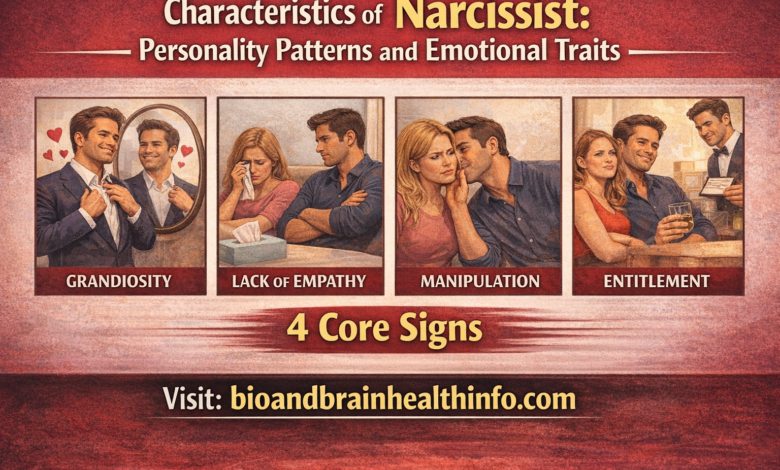
The characters of a narcissist often include narcissistic personality traits such as grandiosity, empathy deficit tendencies, and recurring behavior patterns that influence relationships, communication styles, and emotional dynamics.

Thank you for reading this post, don't forget to subscribe!

“Clarity begins when behavior is understood as pattern rather than mystery.”

“Sometimes what stays with us is not the person, but the pattern we learned to adapt to — a rhythm the body continues long after the situation has changed.”

Even after leaving, the nervous system can stay on alert because it learned unpredictability as normal. Regulation returns through consistency, not force.


INTRODUCTION – Characters of a Narcissist

The characters of a narcissist often include narcissistic personality traits such as grandiosity, empathy deficit tendencies, and recognizable behavior patterns that can leave others questioning their own emotional reactions.

Many people quietly wonder whether they are overreacting or losing clarity when confronted with these dynamics.

The misunderstanding comes from confusing survival responses with personal identity.

Emotional confusion is not a flaw; it often reflects adaptation to relational patterns that felt unpredictable or intense.

This article will help you understand what’s happening — without labels, blame, or self-attack.


REASON FOR THIS BLOG  – Characters of a Narcissist

This article explores personality patterns commonly associated with narcissistic behavior to reduce confusion and help readers distinguish between observed behavior patterns and personal self-worth — without diagnosis or judgment.


INNER SEARCH MIRROR – Characters of a Narcissist

You may recognize yourself asking:

  • Why do conversations leave me doubting myself?

  • Why does confidence sometimes feel overwhelming or intimidating?

  • Why do I feel unseen in certain relationships?

  • Why do apologies feel rare or incomplete?

  • Why does charm shift suddenly into distance?

  • Why do I question my own reactions afterward?

Please Explore This Blog closet-narcissist-traits-hidden-narcissism


PSYCHOLOGICAL EXPLANATION – Characters of a Narcissist

The characters of a narcissist often reflect narcissistic personality traits involving grandiosity, empathy deficit tendencies, and recurring behavior patterns shaped through psychological adaptation.

These patterns may develop as strategies to maintain self-image or regulate internal insecurity, rather than intentional harm alone.

Understanding this separates intent from reaction, allowing observers to interpret behavior without personalizing it.

Individuals interacting with these dynamics may develop heightened awareness or self-monitoring as adaptive responses rather than inherent traits.

Observed PatternPossible Adaptation
Self-focused dialogueProtecting self-image stability

Personal note: Understanding patterns often reduces emotional confusion more than analyzing motives.


NERVOUS SYSTEM EXPLANATION – Characters of a Narcissist

The characters of a narcissist can influence biological responses because unpredictable interaction styles activate the nervous system quickly.

Exposure to grandiosity shifts or empathy deficit patterns may trigger fight, flight, or freeze responses before conscious thought occurs.

This automatic activation reflects survival conditioning rather than emotional weakness. The body reacts first to perceived relational shifts, which explains why reactions feel immediate and intense.

Warning signs may include:

  • Sudden tension in conversation

  • Over-preparing responses

  • Emotional shutdown

  • Rapid withdrawal

  • Difficulty relaxing afterward

Personal note: The nervous system responds to patterns long before logic evaluates them.

Identity vs Survival Responses – Characters of a Narcissist

The characters of a narcissist may shape relational dynamics through grandiosity, empathy deficit patterns, and distinct behavior patterns, yet survival responses developed around these experiences do not define identity.

Survival responses exist to protect emotional stability; identity reflects values, conscience, and authentic self-direction.

Understanding this distinction restores clarity: reactions formed through adaptation belong to experience, while identity remains grounded in deeper self-awareness.

Recognizing this separation allows individuals to observe patterns without turning against themselves.

Please Explore This Blog codependent-and-narcissist-dynamic-explained

TRAUMA VS NARCISSISM – Characters of a Narcissist

Understanding the characters of a narcissist helps reduce self-labeling fears when observing narcissistic personality traits such as grandiosity, empathy deficit patterns, and recurring behavior patterns.

The key difference lies in motivation rather than outward behavior.

Trauma-Based ResponseNarcissistic Pattern
Reflects inwardlyProtects self-image
Shows remorseMinimizes responsibility
Accepts accountabilityRedirects blame

Personal note: Genuine self-reflection usually signals awareness rather than narcissism.


GROWTH DIRECTION – Characters of a Narcissist

Recognizing the characters of a narcissist and understanding narcissistic personality traits like grandiosity, empathy deficit tendencies, and specific behavior patterns may gently shift perspective.

Growth often appears as slower emotional reactions, increased internal clarity, and a natural preference for calm interactions.

Healing reflects gradual softening rather than forced change.

Personal note: Progress often feels like quiet stability rather than dramatic transformation.


HEALING COMPASS / ORIENTATION TABLE

StageGentle Orientation
Awareness“Patterns become clearer.”
Understanding“Reactions have context.”
Regulation“Slowing down restores balance.”
Integration“New responses feel possible.”
Protection“Peace grows through boundaries.”

This compass provides steady direction without pressure, supporting emotional clarity through gradual understanding.

Please Explore This Blog codependent-and-narcissist-relationship-cycle

🌿 10 Signs — Characters of a Narcissist: Personality Patterns and Emotional Traits


1️⃣ Characters of a Narcissist — Self-Importance Shapes Interaction

Grandiosity may appear as exaggerated confidence or constant comparison. Conversations often revolve around personal achievements, creating imbalance where others’ experiences receive less attention or emotional space.


2️⃣ Characters of a Narcissist — Limited Emotional Reciprocity

An empathy deficit can manifest through difficulty recognizing or responding to others’ emotional needs. Support may feel conditional or surface-level, leaving partners or friends feeling unseen despite frequent interaction.


3️⃣ Characters of a Narcissist — Predictable Behavioral Cycles

Recurring behavior patterns may include intense charm followed by withdrawal or criticism. These cycles can create emotional confusion because positive and negative experiences alternate unpredictably.


4️⃣ Characters of a Narcissist — Strong Need for Recognition

Narcissistic personality traits may involve seeking admiration or validation regularly. Approval becomes central to emotional regulation, influencing communication style and reactions to feedback.


5️⃣ Characters of a Narcissist — Sensitivity Hidden Behind Confidence

Grandiosity sometimes masks vulnerability. Defensive reactions to criticism may emerge quickly, reflecting protection of self-image rather than simple disagreement.


6️⃣ Characters of a Narcissist — Difficulty Sustaining Mutual Dialogue

Empathy deficit tendencies may lead to conversations shifting toward personal narratives. Listening appears present, yet emotional understanding may feel limited or inconsistent.


7️⃣ Characters of a Narcissist — Relationship Roles Feel One-Sided

Behavior patterns often emphasize admiration or compliance from others. Relationships may feel structured around maintaining a certain emotional dynamic rather than mutual exchange.


8️⃣ Characters of a Narcissist — Image Management Influences Choices

Narcissistic personality traits may include prioritizing perception or reputation. Decisions sometimes reflect external image more than internal emotional connection.


9️⃣ Characters of a Narcissist — Emotional Highs and Lows Shift Quickly

Grandiosity-driven states can fluctuate between enthusiasm and distance. These shifts may leave others unsure which version of interaction will appear.


🔟 Characters of a Narcissist — Accountability Feels Limited

Empathy deficit patterns may reduce willingness to acknowledge impact on others. Discussions about responsibility can shift toward justification rather than reflection.


🌱 Closing Note

Recognizing the characters of a narcissist and associated personality patterns is not about judgment but about understanding relational dynamics more clearly. Awareness helps separate observation from self-blame, allowing emotional clarity and healthier boundaries to develop gradually without urgency or pressure.

Please Explore This Blog codependent-narcissist-explained

🌿 A Whole-System View of the Human Healing Process


🩺 Medical / Ethical Positioning – Characters of a Narcissist

Understanding the characters of a narcissist through an ethical lens allows the mind to interpret threat, confusion, and meaning without moving toward blame or diagnosis.

Observing narcissistic personality traits helps differentiate perception from projection, encouraging responsibility for personal healing while maintaining compassionate neutrality toward complex human behavior.

Ethical FocusInterpretation Shift
ObservationPattern awareness over judgment
Emotional signalsInformation, not accusation
Ethical stanceResponsibility without blame
Meaning-makingContext shapes interpretation

Personal note: Ethical clarity often reduces emotional intensity more than explanation alone.


🧠 Psychological Layer – Characters of a Narcissist

The characters of a narcissist may influence psychological interpretation when grandiosity or empathy deficit patterns shape relational expectations.

The mind learns to predict outcomes based on repeated interaction experiences, forming internal narratives about safety, approval, or rejection.

Healing begins when these internal scripts become visible rather than automatic.

Psychological AspectInternal Process
Meaning formationLearned expectations
Emotional interpretationPattern recognition
Cognitive filteringAnticipating outcomes
Self-perceptionContext-driven beliefs

Personal note: Psychological insight grows when interpretation becomes flexible.


⚡ Nervous System Layer – Characters of a Narcissist

Exposure to the characters of a narcissist may condition automatic body responses linked to behavior patterns.

The nervous system reacts quickly to tone shifts, dominance signals, or emotional distance, prioritizing protection before conscious reasoning occurs.

Body ResponseProtective Function
Muscle tensionPrepare for interaction
Increased alertnessMonitor change
Emotional shutdownReduce overwhelm
Rapid energy shiftsMobilize safety

Personal note: The body often learns faster than the mind realizes.


🌱 Mental Health Layer – Characters of a Narcissist

Long-term exposure to the characters of a narcissist and empathy deficit dynamics may influence mental clarity and emotional stamina.

Continuous relational evaluation can fragment focus or increase internal questioning, affecting self-trust and energy regulation without indicating personal weakness.

Mental EffectGentle Understanding
OverthinkingSafety monitoring
Emotional fatigueSustained vigilance
Self-questioningAdaptive learning
Decision delayRisk evaluation habit

Personal note: Mental strain frequently reflects adaptation rather than limitation.


🧭 Identity Layer (Inner Continuity & Meaning)

Despite encountering the characters of a narcissist, identity remains stable beneath learned reactions.

Grandiosity-driven environments may influence behavior temporarily, but values and conscience continue as internal anchors guiding authentic direction and meaning.

Identity ElementStable Quality
Core valuesInternal guidance
Moral awarenessEthical continuity
Authentic interestsGradual re-emergence
Self-directionQuiet persistence

Personal note: Identity often waits patiently beneath adaptation.


🤝 Reflective Support Layer (Including AI)

Reflecting on the characters of a narcissist through structured tools supports emotional processing without directing conclusions.

Journaling, thoughtful conversation, or AI reflection can mirror thought patterns, helping individuals observe internal narratives with distance and clarity.

Reflective ToolSupport Role
JournalingExternalize thoughts
Structured dialogueSlow interpretation
AI mirroringPattern visibility
Silent observationIntegrate awareness

Personal note: Reflection becomes powerful when curiosity replaces judgment.


🌌 Integrated Whole-System Perspective – Characters of a Narcissist

Healing after encountering the characters of a narcissist involves integrating ethical awareness, psychological understanding, nervous system regulation, identity continuity, and reflective support.

Grandiosity or empathy deficit behavior patterns influence multiple layers simultaneously, yet healing unfolds when these layers reconnect gradually.

Tools like journaling or reflective AI create safe distance between reaction and interpretation, allowing emotional meaning to reorganize naturally.

A whole-system approach recognizes that growth happens through alignment rather than force, helping individuals reclaim clarity without rushing transformation.

Integrated LayerHealing Direction
Ethical awarenessBalanced perspective
Psychological insightFlexible meaning
Nervous system regulationConsistent safety signals
Reflective integrationGradual self-trust

Personal note: Whole-system healing often feels like returning to equilibrium rather than creating something new.

Please Explore This Blog codependent-narcissist-relationship-patterns

PERSONAL NOTE – Characters of a Narcissist

Understanding the characters of a narcissist helped me recognize how narcissistic personality traits like grandiosity, empathy deficit tendencies, and recurring behavior patterns can create emotional confusion without obvious explanation.

What shifted my perspective was learning to observe patterns rather than searching for labels or blaming myself for reactions.

Over time, awareness replaced urgency, allowing emotional distance to develop naturally.

Trauma recovery began not through dramatic change but through small moments of clarity — noticing when adaptation was operating automatically and choosing curiosity instead of self-criticism.

This approach created space for calm understanding and strengthened self-trust gradually.

“Clarity returned for me when I stopped asking what was wrong with me.”


COSMIC / PHILOSOPHICAL TAKEAWAY

“Human growth often begins when we stop trying to solve people and start understanding patterns.”

The characters of a narcissist, including narcissistic personality traits, grandiosity expressions, empathy deficit dynamics, and behavior patterns, reveal how perception shapes emotional meaning more than events themselves.

Experiences influence awareness, yet identity continues beyond relational roles.

Understanding patterns allows individuals to step out of confusion without needing certainty about others’ intentions.

Growth becomes a quiet unfolding where clarity replaces emotional tension.

Instead of forcing answers, awareness invites integration — a gradual return to internal stability where observation leads gently toward freedom.


FAQ SECTION – Characters of a Narcissist

1. What are common characters of a narcissist?

Patterns may include grandiosity, reduced emotional reciprocity, and behavior patterns focused on self-image or validation.

2. Are narcissistic personality traits always harmful?

Traits exist on a spectrum; context, intensity, and relational impact determine whether challenges arise.

3. How does an empathy deficit appear in relationships?

It may show as difficulty recognizing emotional needs or shifting conversations toward personal perspective.

4. Can behavior patterns change over time?

Yes. Awareness and consistent reflection can influence relational habits gradually.

5. Why do interactions sometimes feel confusing?

Mixed signals between charm and distance can activate uncertainty in emotional interpretation.

6. Is noticing narcissistic traits the same as diagnosing someone?

No. Observing patterns helps understanding but does not define clinical identity.

7. Why do emotional reactions remain strong after distance?

The nervous system may continue responding to learned relational cues.

8. Can healthy boundaries develop later?

Yes. Boundaries often strengthen through awareness rather than confrontation.

9. How can someone protect emotional energy?

Through clarity about patterns and recognizing personal limits calmly.

10. Does understanding patterns reduce emotional intensity?

Often yes — clarity decreases confusion and restores internal balance.

Please Explore This Blog codependent-relationship-with-narcissist-psychology-behind


FINAL CLOSING – Characters of a Narcissist

Understanding the characters of a narcissist and recognizing narcissistic personality traits such as grandiosity, empathy deficit patterns, and recurring behavior patterns is not about judging people — it is about restoring clarity where confusion once existed.

Nothing is wrong with you for reacting to complex relational dynamics; many responses formed as ways to maintain stability and connection.

Healing does not require urgency or perfection. With patience and consistent self-awareness, reactions can soften naturally.

Allow this understanding to become a gentle invitation toward calm observation rather than pressure for immediate change.

Choosing steadiness, even in small ways, supports lasting emotional balance.


🌿 Final Blog Footer — Bio & Brain Health Info

Written by Lex, founder of Bio & Brain Health Info — exploring the intersections of psychology, spirituality, and emotional recovery through calm, trauma-aware understanding.

Insight & Reflection
Healing does not begin when answers arrive — it begins when self-attack stops.
Clarity grows in spaces where safety is restored.

🧠 Learn
Narcissism • Emotional Healing • Spiritual Psychology

🌍 A Moment for You
💡 Pause for two minutes. Let your body settle before moving on.

🧭 If This Article Helped, Your Next Questions Might Be:
These questions are natural continuations — not obligations.

Cosmic Family Invitation
You are not here by accident. If these words reached you, clarity was already beginning.
We rise together — different souls, one journey. 🕊️

📩 Connect with us
info@bioandbrainhealthinfo.com
Telegram: @bioandbrainhealthinfo
WhatsApp Channel: Punehealth

Lex | Bio & Brain Health Info
Cosmic Family — Different Souls, One Journey.


REFERENCES & CITATION – Characters of a Narcissist

Trusted Sources

  1. American Psychological Association — Narcissistic Personality Disorder Overview
    https://www.apa.org/topics/personality-disorders/narcissistic-personality-disorder

  2. National Institute of Mental Health — Personality Disorders Information
    https://www.nimh.nih.gov/health/topics/personality-disorders

  3. Cleveland Clinic — Narcissistic Personality Disorder Guide
    https://my.clevelandclinic.org/health/diseases/9742-narcissistic-personality-disorder

  4. Psychology Today — Narcissism and Personality Patterns
    https://www.psychologytoday.com/us/basics/narcissism

  5. Harvard Health Publishing — Emotional Awareness and Relationships
    https://www.health.harvard.edu

  6. National Child Traumatic Stress Network
    https://www.nctsn.org

  7. Verywell Mind — Empathy and Emotional Patterns
    https://www.verywellmind.com

  8. Polyvagal Institute — Nervous System Regulation
    https://www.polyvagalinstitute.org

  9. NICABM Trauma Resources
    https://www.nicabm.com

  10. Self-Compassion Research — Kristin Neff
    https://self-compassion.org

Related Articles

Back to top button