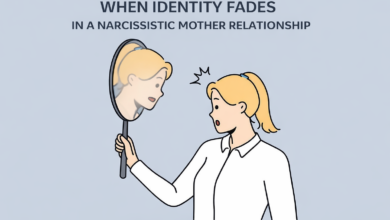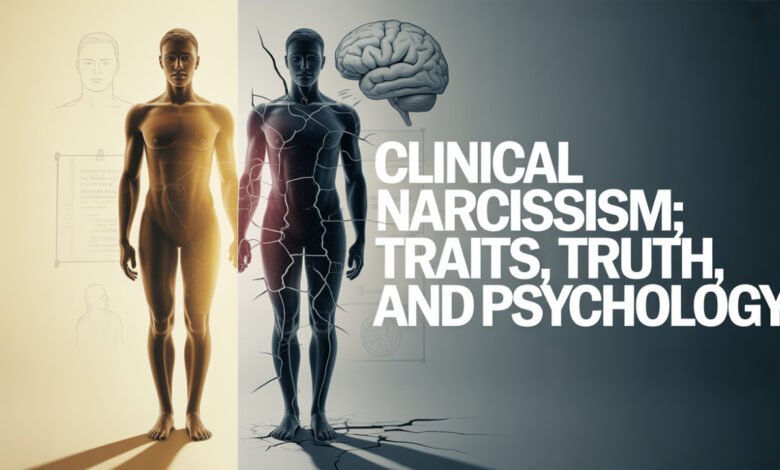
The clinical definition narcissist highlights how experts define clinical narcissism, where the term clinical narcissism refers to a diagnosable disorder, and recognizing clinical narcissism traits helps identify patterns of manipulation, entitlement, and lack of empathy.
Thank you for reading this post, don't forget to subscribe!The clinical definition narcissist is rooted in psychology, describing individuals who display persistent patterns of entitlement, manipulation, and lack of empathy.
When experts define clinical narcissism, they emphasize that it goes beyond ordinary selfishness, entering the realm of diagnosable personality disorder.
The concept of clinical narcissism is tied to Narcissistic Personality Disorder (NPD), a condition marked by fragile self-esteem masked with arrogance and control.
Identifying clinical narcissism traits such as exploitation, superiority, and hypersensitivity to criticism helps professionals and survivors alike recognize unhealthy dynamics.
This knowledge enables early intervention, greater awareness, and healthier boundaries in personal and professional life.
🔹 12 Key Points – clinical definition narcissist
1. Entitlement as a Core Trait
One of the most prominent signs in the clinical definition narcissist profile is entitlement. Narcissists often believe rules don’t apply to them, expecting special treatment regardless of effort.
This entitlement shows up in relationships, workplaces, and social settings, eroding fairness and mutual respect.
Victims describe feeling invisible as the narcissist demands obedience or admiration while dismissing their needs. Entitlement is not confidence—it’s exploitation of others’ patience and goodwill.
Recognizing this core behavior is essential in identifying clinical narcissism. Entitlement reinforces their worldview: they are exceptional, and everyone else must serve, admire, or support them without question or limit.
2. Fragile Self-Esteem
When professionals define clinical narcissism, they emphasize that beneath arrogance lies insecurity. Narcissists appear confident but are highly sensitive to criticism.
Even minor feedback may trigger disproportionate anger or withdrawal. This fragility fuels the constant need for validation. Instead of resilience, they rely on external admiration to feel stable.
For partners, this creates emotional exhaustion—every word must be carefully measured to avoid conflict.
Fragile self-esteem is why narcissists both crave and fear intimacy; genuine closeness threatens to expose vulnerability.
Understanding this paradox helps survivors realize the aggression they face is not strength but defense against inner emptiness.
3. Manipulation and Deceit – clinical definition narcissist
The framework of clinical narcissism highlights manipulation as a central strategy. Narcissists twist facts, exploit trust, and even fabricate stories to maintain dominance.
Lies are not casual but deliberate tools of control. Victims often question their own perception, falling into confusion and dependence.
Manipulation takes many forms—gaslighting, guilt-tripping, or conditional affection. This behavior destabilizes relationships, replacing authenticity with dominance.
Recognizing manipulation as a clinical feature, not occasional dishonesty, is vital. It clarifies that survivors are not at fault but trapped in a system designed to disorient them.
Manipulation preserves the narcissist’s power at the cost of genuine connection.
Please enjoy reading pathological-liar-and-narcissism-traits-explained
4. Lack of Empathy
The clinical narcissism traits list always includes lack of empathy. Narcissists struggle to recognize or value the emotions of others.
When faced with vulnerability, they often dismiss, mock, or use it against their partners. This emotional void makes genuine intimacy impossible, leaving victims isolated and unseen.
Lack of empathy is not simple neglect—it is systemic. Narcissists may mimic concern if it serves their image, but true compassion is absent.
Survivors describe this as emotional starvation, where needs are consistently ignored. Empathy is the foundation of healthy relationships, and its absence in narcissists reveals the deep pathology behind their behaviors.
5. Gaslighting Behavior
The clinical definition narcissist framework identifies gaslighting as a hallmark. Narcissists deny facts, twist truths, or claim victims are “imagining things.”
This destabilizes confidence, creating dependence on the abuser’s distorted version of reality. Gaslighting erodes trust in memory, perception, and judgment.
Survivors often describe it as the most damaging form of manipulation because it attacks identity itself. The tactic is deliberate, ensuring the narcissist remains the authority on what is “real.”
Over time, victims lose self-trust, becoming vulnerable to further control. Gaslighting is not a disagreement—it’s a calculated assault on perception, central to maintaining narcissistic dominance.
6. Obsession with Image
When clinicians define clinical narcissism, they note the obsession with external image. Narcissists care deeply about appearances—physical, social, or professional.
They curate perfection to gain admiration while hiding flaws. This obsession drives their behavior, from materialism to exaggerated achievements.
To outsiders, they appear successful and confident. Behind closed doors, the image cracks, revealing insecurity and manipulation.
Victims often feel invalidated, as their worth is reduced to how they contribute to maintaining this image. The obsession is not vanity—it’s survival.
Their self-worth relies entirely on how others perceive them, making relationships shallow and exhausting for those involved.
Please enjoy reading narcissism-and-sociopath-traits-narcissist-vs-sociopath
7. Control in Relationships
The reality of clinical narcissism is that relationships are treated as power dynamics. Narcissists demand control—over emotions, decisions, and even identity.
Partners feel silenced, as their voice is ignored or mocked. This control is not love but domination. Subtle tactics like financial restrictions or public belittling reinforce dependence.
Victims describe walking on eggshells, adjusting behavior to avoid conflict. Control maintains the narcissist’s superiority while suppressing individuality.
Recognizing this pattern is critical; control is not care but exploitation.
True intimacy thrives on equality, while narcissistic relationships erode autonomy, leaving survivors drained, isolated, and struggling to recognize themselves over time.
8. Cycles of Idealization and Devaluation
The clinical narcissism traits include predictable cycles: idealization, devaluation, and sometimes discard. At first, victims are showered with affection and praise, creating deep attachment.
Soon, the tone shifts—criticism, coldness, or cruelty replaces kindness. This cycle destabilizes survivors, leaving them desperate to restore the “idealized” stage.
Narcissists thrive on this rollercoaster, feeding their ego during highs and exerting control during lows. Victims describe feeling addicted to the rare moments of affection, trapped in hope.
The cycle is not random but deliberate, ensuring compliance. It’s a manipulative strategy that makes breaking free from narcissistic abuse profoundly difficult.
9. Rage and Aggression
One element central to the clinical definition narcissist is rage. Narcissists react explosively to criticism or perceived disrespect. This rage can manifest as shouting, threats, or calculated coldness.
Unlike healthy anger, narcissistic rage is disproportionate, designed to silence opposition. Survivors often describe living in fear of triggering outbursts, adapting behaviors to avoid conflict.
Rage enforces compliance, making accountability impossible. This volatility reveals fragility, not strength; anger protects ego from perceived injury.
Recognizing narcissistic rage as clinical helps survivors understand it’s not their fault but part of a pathology. It is intimidation, not passion, wielded as a weapon of control.
10. Exploitation of Others
The framework of clinical narcissism highlights exploitation as a key behavior. Narcissists use people as tools for admiration, resources, or convenience.
Relationships are transactional, based on utility rather than genuine care. Survivors describe feeling drained, reduced to roles of provider, supporter, or admirer.
Exploitation is deliberate, not accidental. Narcissists discard people once their usefulness ends, showing no remorse.
This exploitation spans personal and professional lives, leaving victims used and discarded. Recognizing exploitation as clinical clarifies its severity.
It is not selfishness but systemic harm, driven by pathology. Survivors must learn to protect themselves from being treated as expendable.
11. Inability to Accept Responsibility
The clinical narcissism traits include deflecting blame and refusing accountability. Narcissists rarely admit fault, instead projecting flaws onto others.
When confronted, they manipulate conversations, minimizing harm or claiming victimhood. This refusal to accept responsibility maintains their fragile ego but erodes trust.
Survivors describe endless arguments where accountability is impossible. Over time, this dynamic convinces victims they are always wrong, fueling guilt and dependence.
Responsibility is central to growth, yet narcissists reject it entirely. Recognizing this refusal as clinical highlights why relationships cannot improve—it is not lack of awareness but a pathological rejection of accountability itself.
Please enjoy reading narcissistic-sociopath-meaning-how-to-define
12. Long-Term Impact – clinical definition narcissist
The clinical definition narcissist underscores the lasting harm inflicted on others. Survivors often struggle with anxiety, depression, trauma symptoms, and loss of identity.
These impacts persist long after the relationship ends. Healing requires therapy, boundaries, and rebuilding self-esteem.
Survivors must learn to trust again and separate their worth from the narcissist’s abuse. The scars are not weakness but evidence of enduring manipulation.
Understanding narcissism clinically validates survivors’ pain, showing it as predictable outcomes of pathology, not personal failure.
Awareness becomes the first step toward freedom, recovery, and stronger, healthier connections in future relationships.
🔹 Conclusion – clinical definition narcissist
Clinical narcissism is more than arrogance or selfishness; it is a deeply harmful condition marked by manipulation, control, and emotional exploitation.
Survivors are not to blame for the pain they endure—it stems from systemic patterns, not isolated mistakes.
Recognizing traits like entitlement, rage, and exploitation helps people understand that their suffering is valid. Healing requires education, support, and boundaries.
Love is not supposed to diminish self-worth but to nurture and respect it. By learning these signs, individuals protect themselves and move toward relationships that honor dignity, equality, and genuine empathy.
Awareness is the first step to freedom.
🔮 5 Perspectives – clinical definition narcissist
1. Psychological Perspective – clinical definition narcissist
From a psychological lens, narcissism is understood as a defense mechanism hiding deep insecurity. Arrogance, manipulation, and control serve to protect a fragile self-image.
Psychologists emphasize how gaslighting, exploitation, and rage function as predictable strategies rather than random behaviors.
Survivors often experience confusion and self-doubt, questioning their own reality under constant manipulation. Therapy focuses on rebuilding self-trust, recognizing patterns of abuse, and establishing firm boundaries.
Clinical research shows that genuine change is rare because narcissists resist accountability.
For survivors, psychological education becomes a tool of empowerment, transforming feelings of weakness into awareness, clarity, and the strength to heal.
2. Spiritual Perspective- clinical definition narcissist
Spiritually, narcissistic encounters can be viewed as karmic lessons or soul tests, pushing individuals to discover self-worth, courage, and resilience.
While narcissists drain energy through deception and control, the experience awakens the survivor to the importance of protecting their inner light.
Many traditions emphasize forgiveness—not to excuse harm, but to release bitterness and reclaim spiritual peace.
Practices like meditation, prayer, or mindfulness help survivors reconnect with divine guidance and intuition.
The lesson is not to fix the narcissist but to honor one’s soul, protect sacred boundaries, and move forward with greater wisdom, strength, and alignment with authentic love.
3. Philosophical Perspective
Philosophy invites us to question ethics, power, and the meaning of authentic living. Narcissistic personalities embody ego unchecked by virtue, demonstrating what happens when selfishness outweighs justice.
Thinkers like the Stoics warned against dependence on external validation, while existentialists stressed authenticity over illusion.
For survivors, the philosophical challenge becomes: how to live freely under manipulation?
The answer lies in reclaiming dignity, resisting false realities, and choosing truth over deception. Walking away from control is not weakness but an act of moral courage.
From this perspective, narcissistic dynamics highlight the timeless importance of virtue, authenticity, and ethical human connection.
Please enjoy reading narcissist-guardian-understanding-the-role
4. Mental Health Perspective – clinical definition narcissist
From a mental health standpoint, prolonged exposure to narcissistic abuse can result in depression, anxiety, low self-esteem, and even post-traumatic stress.
Victims often experience trauma bonds, where cycles of idealization and abuse create unhealthy attachment.
Professionals emphasize that survivors are not weak but enduring the predictable effects of manipulation.
Treatment may involve cognitive-behavioral therapy, trauma-focused therapy, or support groups that validate experiences and restore identity.
Rebuilding self-worth is a gradual process, requiring compassion and patience.
Mental health care empowers survivors to reframe their pain as a consequence of abuse rather than a personal failure, paving the way to resilience.
5. New Point of View – clinical definition narcissist
In today’s culture, narcissistic traits are often amplified by social media, where vanity, competition, and curated perfection thrive.
This modern perspective reframes narcissism as not only a personal issue but also a cultural one.
Platforms reward superficial charm, creating environments where manipulation and performance overshadow authenticity.
Survivors may feel doubly invalidated—personally abused and socially gaslit by cultures that celebrate toxic traits.
Yet this awareness offers new solutions: cultivating digital boundaries, practicing authenticity, and promoting empathy over image.
In this light, healing becomes both personal and cultural resistance, choosing honesty, compassion, and depth in a world addicted to performance.
❓ 10 FAQs – clinical definition narcissist
What is the clinical definition of a narcissist?
It describes a diagnosable personality disorder marked by manipulation, lack of empathy, and entitlement, extending beyond normal selfishness into patterns of emotional and psychological harm.
How do professionals define clinical narcissism?
They define it as Narcissistic Personality Disorder (NPD), a chronic condition involving arrogance, manipulation, fragile self-esteem, and lack of accountability, affecting relationships and daily functioning.
What are the clinical narcissism traits?
Key traits include entitlement, exploitation, lack of empathy, fragile self-esteem, manipulation, gaslighting, and disproportionate rage when criticized.
Is clinical narcissism curable?
No definitive cure exists, but long-term therapy can help if the person is motivated. Change is rare since narcissists resist accountability.
How does clinical narcissism impact relationships?
Partners often experience manipulation, emotional abuse, loss of identity, and trauma bonds. Relationships revolve around power, not love or respect.
Do clinical narcissists know they are narcissistic?
Many lack insight, while others deny or minimize. Some may recognize traits but avoid change to protect their ego and control.
Why do narcissists use gaslighting?
Gaslighting destabilizes victims, making them doubt themselves and rely on the narcissist’s distorted reality. It ensures control and prevents accountability.
How do survivors heal after clinical narcissism?
Healing requires therapy, boundaries, supportive networks, and self-compassion. Survivors gradually rebuild trust in themselves and learn healthier patterns.
What is the difference between narcissism and clinical narcissism?
Everyday narcissism involves occasional pride or selfishness. Clinical narcissism is chronic, destructive, and diagnosable, with systemic exploitation and emotional harm.
Can clinical narcissism be prevented?
While prevention is difficult, education, early recognition, and healthy parenting practices can reduce risk and help individuals develop empathy and resilience.
Please enjoy reading daily-mail-narcissistic-relationship
📚 References – clinical definition narcissist
American Psychiatric Association – Narcissistic Personality Disorder (DSM-5)
https://www.psychiatry.org/patients-families/narcissistic-personality-disorderMayo Clinic – Narcissistic Personality Disorder
https://www.mayoclinic.org/diseases-conditions/narcissistic-personality-disorderPsychology Today – Narcissism Basics
https://www.psychologytoday.com/us/basics/narcissismVerywell Mind – Narcissistic Abuse Explained
https://www.verywellmind.com/narcissistic-abuse-4156678National Domestic Violence Hotline – Recognizing Abuse
https://www.thehotline.org/resources/