Self-Care vs Narcissism: Healthy Boundaries or Selfishness
healthy boundaries or selfishness

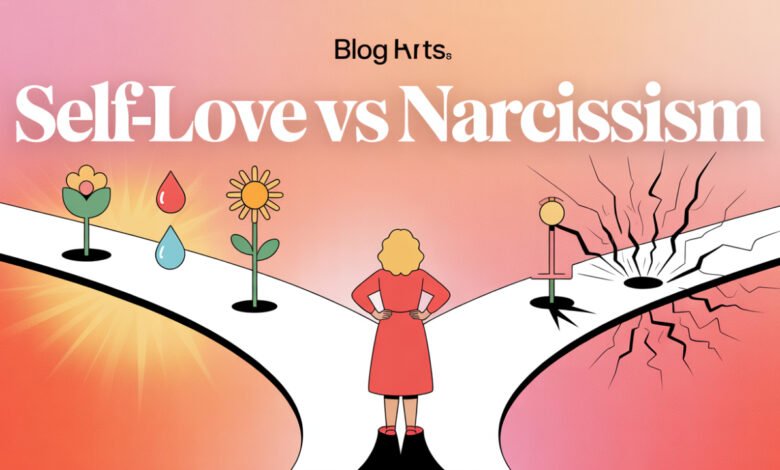
Understanding self-care vs narcissism requires exploring whether healthy boundaries or selfishness defines choices, clarifying the putting yourself first meaning, and distinguishing the true difference between self-love and narcissism in personal growth and relationships.
Thank you for reading this post, don't forget to subscribe!The debate over self-care vs narcissism often leads to confusion, as prioritizing personal needs can be mistaken for selfishness. Many people question whether setting healthy boundaries or selfishness defines their choices, fearing judgment.
Understanding the putting yourself first meaning is crucial, as genuine self-care nurtures growth rather than exploitation.
Reflecting on the difference between self-love and narcissism helps clarify that self-love is rooted in empathy and balance, while narcissism thrives on control and entitlement.
Recognizing these distinctions ensures individuals embrace care without guilt, cultivating resilience, compassion, and emotional stability that strengthen both personal identity and relationships.
12 Key Points – self-care vs narcissism
1. Defining Self-Care vs Narcissism
The debate over self-care vs narcissism lies in intent. Self-care is about restoration, ensuring emotional and physical balance. Narcissism, however, exploits others to inflate self-image.
This difference matters in practice. Setting time aside to rest or seek therapy enhances well-being without diminishing others.
In contrast, narcissistic patterns demand admiration and disregard needs outside themselves. Confusion arises when people equate rest with selfishness, but understanding intention clarifies the divide.
When energy is nurtured with integrity, self-care strengthens relationships rather than drains them. Ultimately, discerning the boundary allows individuals to thrive authentically without veering into harmful patterns.
2. Boundaries Without Guilt
The tension between healthy boundaries or selfishness highlights societal conditioning that discourages self-prioritization. In truth, boundaries preserve well-being and protect relationships.
Narcissism thrives without regard for others, while healthy limits demonstrate respect for both sides. Learning to say “no” is not cruelty—it’s clarity. Boundaries prevent burnout, resentment, and unhealthy dependency.
They provide structure where love can flourish safely. Self-care supports balance by prioritizing needs without erasing empathy. This distinction proves that boundaries are acts of care, not selfishness.
By reframing the narrative, individuals can embrace boundaries as tools of mutual respect, not as barriers of isolation.
Please enjoy reading compassion-for-a-narcissist-balancing-with-boundaries
3. Understanding ‘Putting Yourself First’
The putting yourself first meaning is about honoring personal limits while maintaining compassion.
Unlike narcissism, which demands attention and superiority, self-care empowers individuals to refuel so they can give authentically.
Prioritizing one’s well-being does not equal neglecting others—it creates a foundation for healthy connection.
Without rest or balance, relationships become strained, fueled by exhaustion and resentment. True self-prioritization recognizes interdependence: caring for yourself improves your capacity to care for others.
Misinterpreting this principle as selfishness reflects cultural stigmas. By understanding the true meaning, individuals learn to value themselves without guilt, distinguishing sustainable self-care from harmful narcissism.
4. Self-Love vs Narcissism
The difference between self-love and narcissism lies in empathy. Self-love values growth, respect, and balance, while narcissism thrives on entitlement and exploitation.
Self-love acknowledges flaws and celebrates progress without diminishing others. Narcissism, in contrast, denies weakness and demands constant admiration.
Self-love leads to empowerment; narcissism leads to manipulation. Recognizing this difference helps people pursue growth without fear of being “selfish.”
Self-love is expansive, nurturing both individual and collective flourishing. Narcissism, however, contracts and isolates.
Understanding this distinction frees individuals from stigma, allowing them to embrace care and compassion without crossing into destructive self-centeredness.
5. Emotional Energy and Care
Confusion over self-care vs narcissism often centers on energy. Self-care restores emotional reserves, making relationships sustainable. Narcissism, conversely, drains others to feed insecurity.
For example, rest days or therapy empower people to reconnect authentically, whereas narcissistic behaviors create dependency. Prioritizing energy shows respect for relationships, while exploitation undermines them.
Self-care becomes sustainable love—acknowledging limits while fostering resilience. By recognizing that replenishment benefits everyone, individuals avoid guilt when prioritizing their health.
Self-care offers long-term stability, while narcissism fractures bonds. Understanding the intent behind energy use clarifies this divide, proving authentic care strengthens rather than weakens relational connections.
6. Guilt vs Boundaries
Many confuse healthy boundaries or selfishness due to cultural narratives that glorify self-sacrifice. Boundaries, however, protect love from burnout.
Narcissists weaponize others’ empathy, but true self-care guards against exploitation. Establishing boundaries allows for safe, honest relationships where everyone thrives.
Guilt often arises when people say no, yet guilt is misplaced. Real selfishness disregards others entirely, while boundaries create balance. Self-care reframes saying “no” as protecting dignity, not withholding love.
Recognizing this difference prevents manipulation and reinforces mutual respect. Boundaries, then, are not selfish—they’re essential tools for sustainable, compassionate human connection.
7. Prioritizing Well-Being – self-care vs narcissism
The putting yourself first meaning is often misunderstood. It’s not about neglecting others but ensuring sustainability. By refueling, individuals improve their ability to give without resentment.
Narcissism ignores others’ needs, while self-care creates balance. Prioritizing health ensures long-term resilience in relationships, careers, and family life.
Neglecting personal needs creates cycles of exhaustion that harm everyone involved. Self-care encourages proactive wellness, while narcissism creates destructive dependency.
Understanding this meaning removes stigma, proving that putting yourself first nurtures both the individual and community. By honoring well-being, people foster healthier relationships rooted in energy, stability, and respect.
Please enjoy reading narcissism-self-test-explore-signs-of-narcissistic-thinking
8. Self-Respect vs Arrogance
The difference between self-love and narcissism is crucial when discussing self-respect. Self-love embraces humility, accountability, and compassion.
Narcissism, however, elevates arrogance, denying responsibility and exploiting others. Self-respect grows through recognizing worth while honoring others’ dignity.
Narcissism thrives on belittling, silencing, or controlling. Self-love fuels empowerment; narcissism fuels domination. By distinguishing the two, individuals avoid mislabeling care as arrogance.
Respecting oneself is necessary for emotional health, while narcissism corrodes intimacy. Reflection clarifies that self-love enhances life for all, while narcissism isolates.
Understanding this separation liberates people from guilt, affirming that self-care and empathy can—and must—coexist.
9. Self-Care as Balance
The tension between self-care vs narcissism highlights balance. Self-care recognizes limits, while narcissism disregards them. Choosing balance means saying yes to rest and no to exploitation.
Self-care fuels compassion, whereas narcissism manipulates compassion. For instance, journaling, therapy, or rest cultivate resilience without harming others.
Narcissism, however, undermines relationships by extracting rather than contributing. Balance emerges when individuals prioritize wellness while engaging with empathy. This ensures care enriches rather than erodes trust.
Recognizing balance allows individuals to separate healing from harmful self-absorption, ensuring self-care becomes a life-affirming practice that honors both the self and others.
10. The Value of Limits
The discussion of healthy boundaries or selfishness emphasizes the importance of limits. Limits communicate values, preserve dignity, and prevent exploitation.
Narcissists often see limits as rejection, but true self-care views them as clarity. Limits foster mutual respect by ensuring no one overextends or dominates. Without boundaries, resentment and exhaustion arise.
With them, authenticity and trust flourish. Limits are not selfish—they are structures of care. Recognizing this distinction helps individuals embrace self-care without fear.
Boundaries honor both self and others, ensuring relationships are grounded in equality rather than exploitation or one-sided dependency.
11. The Role of Priorities
Understanding the putting yourself first meaning requires clarity about priorities. Self-care prioritizes health and sustainability, ensuring one can contribute fully in life.
Narcissism prioritizes ego, demanding constant validation at others’ expense. Knowing the difference allows individuals to navigate relationships with confidence.
Prioritizing rest, therapy, or boundaries is not selfish—it’s responsible. Priorities guide decisions toward balance, not domination. Misunderstanding this principle creates stigma, but awareness reframes priorities as essential tools for growth.
Putting yourself first, in this sense, means valuing well-being to better show up for others, reinforcing both autonomy and connection.
12. Love Rooted in Care
The difference between self-love and narcissism becomes clear in relationships. Self-love nurtures empathy, humility, and resilience, creating fertile ground for authentic intimacy.
Narcissism, however, erodes connection through control and entitlement. Self-love fosters accountability and kindness, while narcissism fuels exploitation.
In practice, self-love involves cultivating habits like gratitude, boundaries, and emotional regulation. Narcissism demands admiration, undermining balance.
Recognizing this contrast empowers individuals to embrace love rooted in self-care without guilt. It proves that self-respect and empathy are allies, not opposites.
True love—both for oneself and others—thrives when self-care leads to compassion, rather than manipulation or dominance.
Please enjoy reading narcissism-in-marriage-signs-of-a-narcissistic-spouse
Conclusion- self-care vs narcissism
Self-care, when practiced with empathy and balance, is not selfish—it’s necessary. Distinguishing between nurturing habits and exploitative behavior allows individuals to thrive without guilt.
Narcissism exploits, while authentic care sustains. Boundaries, priorities, and self-love protect dignity while fostering healthy connection.
Recognizing intent is key: self-care restores energy and resilience, while narcissism drains and manipulates. By reframing self-prioritization as responsibility rather than arrogance, survivors embrace clarity and healing.
Self-care becomes a foundation for growth, ensuring relationships are built on equality and respect. Choosing self-care empowers individuals to love authentically, proving that strength and compassion coexist naturally.
🔮 5 Perspectives – self-care vs narcissism
1. Psychological Perspective – self-care vs narcissism
From a psychological viewpoint, the confusion between self-care and narcissism arises from misunderstanding intent. Self-care involves recognizing limits and nurturing resilience, while narcissism seeks dominance and external validation.
Research in psychology emphasizes the role of healthy self-concept: people who practice authentic self-care maintain empathy, regulate emotions, and foster balance in relationships.
In contrast, narcissistic patterns undermine connection and foster exploitation. Reflection and therapy often highlight the distinction, helping individuals shed guilt for prioritizing well-being.
By reframing self-prioritization as responsibility rather than arrogance, psychology validates self-care as an essential practice for mental clarity, emotional balance, and healthier bonds.
2. Spiritual Perspective – self-care vs narcissism
Spiritually, taking care of oneself is often described as honoring the body and mind as sacred vessels. Self-care becomes an act of stewardship, fostering harmony and balance with others.
Narcissism, however, reflects ego-driven attachment—seeking power and recognition without true connection.
Many traditions warn against confusing love of self with love of ego, urging individuals to cultivate humility and compassion alongside self-respect.
Spiritual practices like meditation, prayer, or mindfulness remind us that self-nourishment enhances our ability to serve others. In this way, self-care is a spiritual act, while narcissism is a distortion that isolates rather than unites.
3. Philosophical Perspective – self-care vs narcissism
Philosophically, the debate touches on ethics, authenticity, and freedom. Thinkers such as Aristotle explored balance through virtues like temperance, while existentialists emphasized authenticity in choices.
True self-care aligns with virtue—it supports flourishing without harming others. Narcissism, by contrast, prioritizes ego at the expense of justice, authenticity, and reciprocity.
The philosophical challenge lies in defining where responsibility to oneself ends and responsibility to others begins. Self-care honors autonomy while respecting the dignity of others.
Narcissism denies this balance, fostering inequality. Ultimately, philosophy teaches that authentic living requires harmony between self-respect and communal obligation, not ego-driven indulgence.
4. Mental Health Perspective – self-care vs narcissism
From a mental health standpoint, confusion about self-care and narcissism can fuel guilt, especially in cultures that glorify self-sacrifice.
Clinicians emphasize that boundaries, rest, and self-respect are essential for preventing burnout, anxiety, and depression.
Narcissism, however, is identified as a personality disorder characterized by manipulation, entitlement, and lack of empathy. These patterns harm both individuals and relationships.
Self-care is not selfish—it is preventative medicine for the mind and body. Therapy often helps individuals reclaim the right to prioritize health while fostering balanced empathy.
Mental health professionals affirm that practicing self-care is a cornerstone of recovery and resilience.
5. New Point of View – self-care vs narcissism
A modern perspective reframes the debate as cultural. In societies that value productivity, self-care is stigmatized as laziness, while narcissistic traits like competitiveness are often rewarded.
This creates confusion between healthy self-respect and destructive self-centeredness. A new approach emphasizes redefining self-prioritization as a public health issue.
Promoting balance through education, workplaces, and communities reduces burnout while discouraging toxic narcissistic patterns.
Social media also complicates perceptions, sometimes glamorizing narcissistic behaviors under the label of “self-love.”
The new view calls for collective responsibility: normalizing genuine self-care while dismantling cultural narratives that reward ego-driven, exploitative forms of behavior.
Please enjoy reading narcissists-and-control-why-power-matters-more-than-love
❓ 10 FAQs – self-care vs narcissism
Is self-care the same as selfishness?
No. Self-care restores balance and prevents burnout, while selfishness disregards others. The difference lies in intent: self-care nurtures without exploitation, whereas selfishness prioritizes self-interest at others’ expense.
How is narcissism different from self-love?
Self-love is rooted in empathy, humility, and accountability. Narcissism is entitlement-driven, demanding admiration while dismissing others’ needs. One empowers connection; the other erodes intimacy and balance.
Why do people confuse boundaries with arrogance?
Cultural conditioning glorifies self-sacrifice, labeling boundaries as selfish. In reality, boundaries protect dignity, preserve relationships, and prevent exploitation, making them acts of care rather than arrogance.
Can setting boundaries improve relationships?
Yes. Boundaries create safety and trust, ensuring respect on both sides. They clarify expectations, prevent resentment, and foster healthier communication patterns that strengthen rather than weaken intimacy.
Does putting yourself first harm others?
Not when done with empathy. Prioritizing rest, therapy, or balance sustains well-being, improving the ability to contribute authentically to others’ lives. Harm arises only from neglect or exploitation.
Is self-care necessary for mental health?
Absolutely. Without rest, reflection, and boundaries, stress accumulates, leading to burnout, anxiety, or depression. Self-care protects emotional stability, making it vital for long-term psychological resilience.
How can one tell if behavior is self-care or narcissism?
Check intent and impact. If actions nurture balance while respecting others, it’s self-care. If they exploit or disregard others, it leans toward narcissism.
Can narcissists disguise behaviors as self-care?
Yes. Narcissists may frame entitlement or neglect as “boundaries.” Authentic self-care uplifts all involved, while disguised narcissism manipulates under the cover of self-prioritization.
Why does society confuse self-care with indulgence?
Because productivity cultures equate rest with laziness. True self-care isn’t indulgence—it’s maintenance of well-being, essential for sustainable work, health, and relationships.
Can practicing self-care reduce narcissistic traits?
Yes. Genuine self-care fosters empathy, humility, and balance, countering entitlement and superiority. Over time, it promotes healthier self-concepts that move away from destructive narcissistic tendencies.
📚 References & Citations – self-care vs narcissism
Mayo Clinic – Narcissistic Personality Disorder: Symptoms and Causes
👉 https://www.mayoclinic.org/diseases-conditions/narcissistic-personality-disorderVerywell Mind – What Is Self-Care and Why Is It Important?
👉 https://www.verywellmind.com/self-care-strategies-overall-stress-reduction-3144729Psychology Today – Self-Love vs. Narcissism
👉 https://www.psychologytoday.com/us/blog/toxic-relationships/201905/self-love-vs-narcissismHealthline – How to Set Healthy Boundaries
👉 https://www.healthline.com/health/how-to-set-boundariesNational Library of Medicine – The Role of Self-Care in Mental Health
👉 https://pubmed.ncbi.nlm.nih.gov/