Self Loathing Narcissist: Definition and the Link Between
narcissism and self loathing

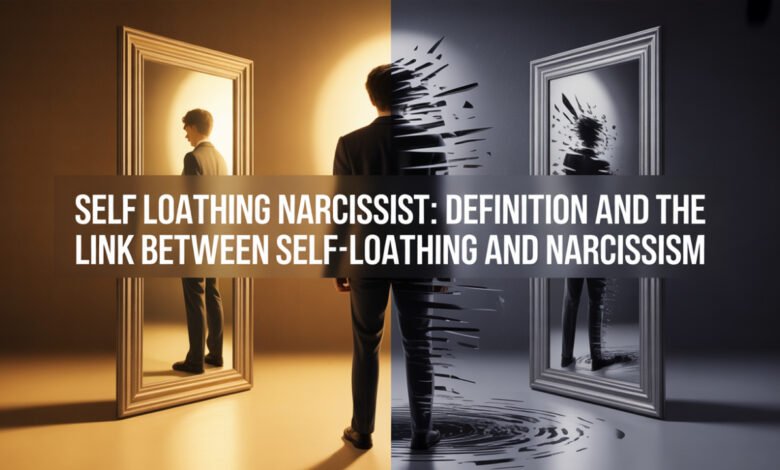
The concept of a self loathing narcissist reveals deep inner conflict, where the self loathing narcissist definition shows how charm masks insecurity; the dynamic between narcissism and self loathing highlights the destructive loop created by self loathing and narcissism.
Thank you for reading this post, don't forget to subscribe!The paradox of a self loathing narcissist reveals a deep cycle of shame and grandiosity hidden beneath a charming surface.
According to the self loathing narcissist definition, these individuals struggle between needing admiration and secretly despising themselves.
Experts note that narcissism and self loathing are not opposites but partners in conflict—self-doubt fuels arrogance, and arrogance temporarily hides pain.
The cycle of self loathing and narcissism creates volatile relationships, where emotional highs and lows confuse both the narcissist and those around them.
Understanding this duality allows survivors and professionals to see past the mask and address the fragile core beneath.
12 Key Points -self loathing narcissist
1. Hidden Shame
At the core of the self loathing narcissist is hidden shame. While projecting confidence, they quietly carry feelings of inadequacy.
This shame often originates from childhood criticism or conditional love, shaping an identity based on performance rather than worth.
Publicly, they present charisma and success, but privately they feel undeserving of admiration. The contradiction creates inner turmoil, fueling cycles of self-sabotage.
Loved ones may feel the tension between their grandiosity and fragility, never fully understanding the extremes.
Recognizing hidden shame as the engine behind narcissistic behaviors offers clarity and empathy, without excusing harm. Healing begins by addressing root wounds.
2. Mask of Perfection
The self loathing narcissist definition includes reliance on a mask of perfection. They meticulously craft appearances—social status, career success, or attractiveness—to shield their insecurities.
Perfectionism becomes armor, protecting them from criticism that could trigger shame. Yet the mask is fragile; even minor setbacks provoke disproportionate reactions, as cracks expose vulnerability.
For those close to them, perfectionism feels like a wall rather than connection. This obsession with image leaves little room for authenticity.
Recognizing the mask as defense rather than genuine stability helps others avoid being deceived. For the narcissist, true growth requires dismantling illusions and embracing imperfection.
Please enjoy reading narcissistic-manipulation-meaning-how-controls
3. Dual Identities
The intersection of narcissism and self loathing manifests as dual identities. In one moment, they appear charismatic, confident, and superior; in the next, they collapse into despair and self-hatred.
These extremes confuse partners and colleagues, who struggle to understand the volatility.
The cycle is exhausting, as the narcissist swings between needing admiration and despising themselves for craving it. This instability also damages relationships, leaving others anxious and ungrounded.
Recognizing the duality highlights the fragile foundation of narcissistic identity. Healing requires integrating both sides, addressing shame directly, and building self-worth that does not rely solely on external validation.
4. Self-Sabotage
One pattern of self loathing and narcissism is chronic self-sabotage. Even when opportunities for success arise, the narcissist may unconsciously undermine themselves.
Fear of exposure, feelings of inadequacy, or resentment toward others can derail achievements. This creates a self-fulfilling prophecy: failure reinforces loathing, which then justifies arrogance as overcompensation.
For partners or coworkers, this pattern is frustrating, as progress often collapses without explanation. Recognizing self-sabotage as rooted in shame helps explain irrational behaviors.
Breaking the cycle requires self-awareness and therapy that encourages healthier coping mechanisms, reframing mistakes as growth opportunities rather than confirmation of worthlessness.
5. Emotional Volatility
The self loathing narcissist often displays intense emotional swings. Moments of charm and affection are followed by anger, withdrawal, or despair.
These shifts are driven by internal conflict between inflated self-image and crushing self-doubt. For partners, this volatility feels destabilizing, as they never know which version of the narcissist will appear.
Emotional highs provide temporary connection, but lows erode trust and safety. Recognizing volatility as a symptom of inner conflict rather than intentional cruelty adds context, though not justification.
Therapy can help stabilize moods, offering tools to regulate emotions and reduce destructive cycles that damage both self and relationships.
6. Projection of Insecurities
Projection is common in the self loathing narcissist definition. Unable to tolerate their own insecurities, they attribute flaws to others.
For example, they may accuse a partner of selfishness or incompetence while secretly battling those same feelings. Projection offers temporary relief but creates tension and blame in relationships.
Victims of projection often feel confused, internalizing false accusations. Over time, this erodes confidence and creates imbalance. Recognizing projection allows survivors to separate truth from manipulation.
For the narcissist, addressing projection requires acknowledging vulnerability instead of disowning it. Healing involves taking responsibility for emotions rather than projecting them outward.
Please enjoy reading unmasking-narcissism-a-guide-to-the-narcissist-unmasked
7. Fear of Abandonment
The link between narcissism and self loathing includes deep fear of abandonment. Despite their arrogance, narcissists often fear rejection because they believe they are unworthy of love.
This fear drives clinginess, manipulation, or control, paradoxically pushing people away. Partners may feel trapped in cycles of reassurance and withdrawal.
The narcissist’s fear reinforces their loathing, convincing them that rejection is inevitable. Recognizing this fear as core to their behavior reframes conflict, showing how insecurity drives toxicity.
Addressing abandonment fears in therapy can break patterns of sabotage, helping narcissists and survivors alike find healthier, more secure ways to connect.
8. Need for Validation
The cycle of self loathing and narcissism is fueled by a desperate need for validation. Praise temporarily soothes shame, but relief fades quickly, creating a constant hunger for approval.
Without external reinforcement, they spiral into self-doubt. This dynamic places heavy burdens on relationships, as partners feel pressured to provide endless affirmation.
Over time, this need becomes exhausting and unsustainable. Recognizing validation-seeking as a symptom rather than strength explains the constant demand.
Healing requires building internal self-worth, so admiration becomes support rather than survival. True confidence develops when validation is no longer the only antidote to insecurity.
9. Relationship Struggles
The self loathing narcissist often struggles with intimacy. Their insecurity undermines trust, while their arrogance prevents vulnerability.
Partners may feel alternately cherished and dismissed, never secure in connection. The narcissist fears exposure yet craves closeness, creating cycles of push and pull.
This inconsistency leaves relationships unstable and draining. Survivors often describe feeling exhausted by the constant shifts.
Recognizing relational struggles as rooted in inner conflict highlights the importance of boundaries.
For the narcissist, genuine intimacy requires courage to confront self-loathing directly, offering transparency instead of masks. Without this work, relationships remain trapped in dysfunction and instability.
10. Envy and Comparison
The self loathing narcissist definition also includes envy. They frequently compare themselves to others, resenting success while secretly feeling inferior.
Envy becomes a driving force, motivating them to outperform peers while simultaneously undermining their confidence. Loved ones may notice constant competitiveness or subtle put-downs.
Envy reflects the fragile balance between arrogance and inadequacy. Recognizing this trait helps explain contradictory behavior: admiration mixed with resentment.
For survivors, it clarifies that envy is projection, not truth. For narcissists, addressing envy involves cultivating gratitude and focusing on personal growth rather than comparison.
Shifting perspective transforms envy into a path toward acceptance.
Please enjoy reading overcoming-a-narcissistic-relationship
11. Defensive Anger
Defensive anger is common in narcissism and self loathing. Even mild criticism can trigger intense outbursts, as feedback threatens their fragile self-esteem.
Anger becomes a shield, deflecting vulnerability and silencing others. Partners or coworkers may walk on eggshells to avoid provoking rage.
This defensiveness prevents growth, as it blocks self-reflection. Recognizing defensive anger as rooted in shame explains the disproportionate reaction.
Survivors learn to see the anger as protection rather than truth. For narcissists, therapy can teach emotional regulation and healthier responses to feedback, allowing them to confront insecurities without resorting to destructive anger.
12. Potential for Change – self loathing narcissist
The dynamic of self loathing and narcissism offers potential for change when acknowledged honestly.
Unlike those unwilling to reflect, self-loathing narcissists may be more aware of their inner pain, creating a doorway to growth. With therapy, they can learn to face shame, regulate emotions, and build healthier identities.
Change requires accountability, empathy, and resilience, but it is possible. For survivors, this recognition doesn’t mean tolerating harm—it highlights that transformation is possible only with consistent effort.
Ultimately, the potential for change depends on willingness. Facing the duality of arrogance and shame is the first step toward authentic healing.
Conclusion – self loathing narcissist
The paradox of self-loathing and inflated self-image explains much of the volatility in narcissistic behavior.
Survivors often describe these dynamics as confusing and exhausting, but clarity comes with understanding.
Recognizing the cycle of shame, perfectionism, and validation-seeking allows individuals to separate manipulation from genuine vulnerability.
Healing is possible when boundaries are set, responsibility is acknowledged, and self-worth is rebuilt independently of external approval.
For narcissists willing to reflect, transformation requires embracing imperfection and confronting hidden shame.
For survivors, recovery begins with education, support, and empowerment. Ultimately, true strength lies not in hiding flaws but in embracing authenticity.
🔮 5 Perspectives – self loathing narcissist
1. Psychological Perspective – self loathing narcissist
From psychology’s view, self-loathing combined with narcissism stems from unresolved childhood wounds and fragile self-esteem. The person constructs a false self of confidence to mask inner shame.
Cognitive dissonance between outward superiority and inward despair creates cycles of volatility. Psychologists note this duality fuels gaslighting, projection, and relational instability.
Therapy, particularly cognitive-behavioral and schema therapy, helps uncover hidden shame while teaching healthier coping strategies.
For survivors, understanding the psychology behind narcissism provides clarity and reduces misplaced guilt.
For narcissists willing to change, psychological work can bridge the gap between grandiosity and vulnerability, leading to gradual, authentic growth.
2. Spiritual Perspective – self loathing narcissist
Spiritually, the struggle of a self-loathing narcissist reflects disconnection from the authentic self and divine essence. The mask of arrogance separates them from inner truth, while shame creates a cycle of self-denial.
Spiritual traditions often view suffering as a teacher, offering opportunities for awakening. For survivors, spiritual healing practices—like meditation, grounding rituals, or prayer—restore intuition and self-worth.
Compassion is reframed as liberation, not tolerance of harm. Spiritually, unmasking narcissism is seen as reclaiming light from illusion, freeing both survivors and those who confront their flaws.
Healing becomes a sacred journey of self-acceptance, balance, and reconnection with inner peace.
3. Philosophical Perspective – self loathing narcissist
Philosophy approaches self-loathing narcissism through questions of identity and authenticity. Existentialists suggest that hiding behind grandiosity is a denial of one’s true essence.
Stoics argue that suffering arises not from external criticism but from misjudging what defines value.
Ethical philosophy emphasizes that individuals hold responsibility to treat others with dignity, regardless of their insecurities.
Survivors, therefore, are urged to reclaim agency and truth rather than being consumed by the manipulator’s contradictions.
For the narcissist, philosophy highlights the path to authenticity: rejecting illusions, embracing vulnerability, and choosing honesty over performance. This shift transforms relationships into spaces of mutual respect.
Please enjoy reading bipolar-disorder-and-narcissism-12-tips
4. Mental Health Perspective – self loathing narcissist
From a mental health lens, self-loathing narcissism can manifest as anxiety, depression, or even comorbid conditions like borderline or bipolar traits.
Survivors often experience confusion, low self-esteem, and trauma responses after enduring cycles of affection and rejection.
Clinicians stress that treatment requires trauma-informed care, focusing on both survivor recovery and potential narcissist rehabilitation if the individual is willing.
For survivors, therapy restores self-trust, while support groups provide validation and community. For narcissists, progress demands accountability, emotional regulation, and consistent therapeutic engagement.
Mental health care shifts the narrative from blame to empowerment, helping individuals rebuild stability and resilience after chaos.
5. New Point of View – self loathing narcissist
A fresh perspective suggests reframing the discussion beyond labels like “narcissist” toward understanding behaviors and healing dynamics.
Instead of focusing solely on pathology, attention shifts to recognizing harmful patterns and empowering survivors to respond differently.
For those with narcissistic traits, this approach emphasizes possibility: addressing shame without stigma, cultivating empathy, and embracing accountability.
Survivors benefit by centering their own growth, learning that healing lies not in fixing the abuser but in reclaiming boundaries and self-worth.
This point of view encourages solutions over labels, highlighting resilience, education, and collective awareness as tools for healthier, balanced relationships and recovery.
❓ 10 FAQs -self loathing narcissist
What is a self-loathing narcissist?
A person who craves admiration yet secretly despises themselves. They project confidence outwardly while internally battling shame, creating cycles of volatility that harm both their own stability and their relationships.
How does self-loathing fuel narcissism?
Shame creates insecurity, which fuels the need for validation. Grandiosity temporarily masks inner pain, but the cycle of arrogance and despair repeats, deepening the conflict between external persona and inner self.
Can a self-loathing narcissist love others?
They may appear affectionate, but relationships are often unstable. Their fear of exposure and rejection prevents true intimacy, leaving partners feeling alternately valued and dismissed within cycles of connection and withdrawal.
Is self-loathing narcissism the same as covert narcissism?
Not exactly. Covert narcissism is more subtle, while self-loathing narcissism emphasizes inner conflict between shame and arrogance. However, both involve hidden insecurity beneath the outward presentation.
Why do they sabotage themselves?
Fear of failure or exposure often drives self-sabotage. Success threatens to reveal their vulnerability, so they unconsciously undermine achievements. This reinforces shame and justifies arrogance as protection against perceived inadequacy.
How does this affect partners?
Partners often feel confused, anxious, and emotionally drained. The cycle of charm, anger, and despair creates instability. Over time, survivors may lose self-confidence, mistaking the narcissist’s volatility for personal failure.
Can therapy help a self-loathing narcissist?
Yes, but only if they’re willing to engage consistently. Therapy addresses shame, teaches emotional regulation, and builds empathy. Progress is slow but possible when accountability and vulnerability replace denial.
Do self-loathing narcissists know they hate themselves?
Some are aware of their insecurities but avoid addressing them directly. Others bury self-loathing under denial and projection. Awareness varies, but most struggle to admit or confront the depth of shame.
How can survivors protect themselves?
By setting boundaries, seeking therapy, and reconnecting with support systems. Education about narcissistic behaviors provides clarity, helping survivors detach emotionally and rebuild confidence without taking undue responsibility for the abuse.
Is change possible?
Change is possible, though difficult. Self-loathing can serve as motivation for therapy if the person confronts their shame honestly. Without accountability, however, the cycle often continues unchecked, harming relationships.
Please enjoy reading adhd-and-narcissistic-abuse-triggered-after-trauma
📚 References with URLs – self loathing narcissist
American Psychological Association – Understanding Narcissism
👉 https://www.apa.org/topics/personality/narcissismNational Domestic Violence Hotline – Narcissistic Abuse Resources
👉 https://www.thehotline.org/resources/understanding-narcissistic-abuse/Verywell Mind – Narcissistic Personality Traits
👉 https://www.verywellmind.com/narcissistic-personality-disorder-4584588Psychology Today – The Hidden Shame of Narcissism
👉 https://www.psychologytoday.com/us/articles/narcissismMayo Clinic – Narcissistic Personality Disorder Overview
👉 https://www.mayoclinic.org/diseases-conditions/narcissistic-personality-disorder/symptoms-causes/syc-20366662