Narcissism and physical appearance: I Am a Narcissist
How Do I Know If I Am a Narcissist About My Looks or Just Taking Care of Myself?

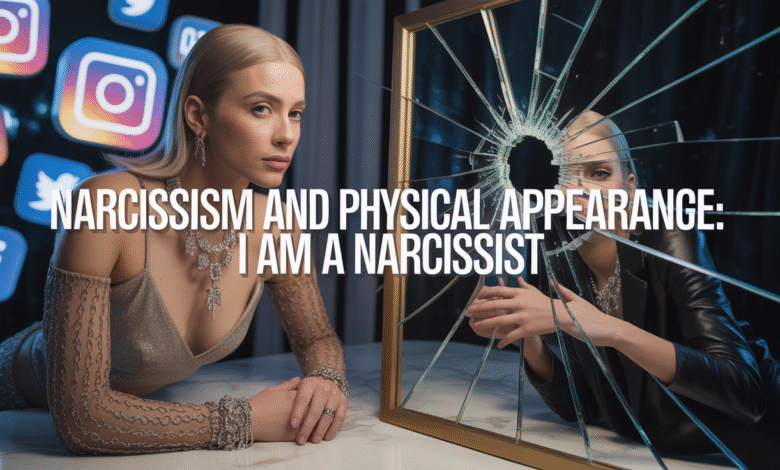
Introduction—The Mirror Question
The concepts of narcissism, physical appearance, body image psychology, self-care versus vanity, and beauty standards—along with their impact on mental health—together reveal how our relationship with looks can either nurture dignity and well-being or trap us in insecurity and obsession.
Thank you for reading this post, don't forget to subscribe!In a world of selfies, fitness obsessions, and endless beauty products, many quietly ask: how do I know if I am a narcissist when I care about my looks? Is my grooming and attention to detail vanity, or is it self-respect?
Psychologists studying narcissism and physical appearance reveal how appearance-driven culture blurs the line. Meanwhile, body image psychology explains why we tie self-worth to how we look. Philosophers explore self-care vs. vanity, reminding us that balance defines dignity. And society’s obsession with perfection, shaped by beauty standards and mental health, leaves millions doubting whether caring about appearance is self-love or selfishness.
Narcissism and Physical Appearance—The Outer Obsession
Narcissism and physical appearance have been among the fastest-growing concerns in mental health. Studies indicate that constant preoccupation with looks—endless selfies, compulsive mirror-checking, extreme cosmetic surgeries—often reflects deeper insecurities masked as confidence.
But here’s the nuance: wanting to look good is not narcissism. Pride in cleanliness, fitness, or style is part of healthy living. Narcissism and physical appearance become toxic only when the obsession overrides empathy, humility, or inner values.
Please enjoy reading narcissism-and-money-how-do-i-know-if-i-am-a-narcissist.
Narcissism and Physical Appearance vs. Healthy Self-Care
The difference lies in intention:
Healthy self-care says, “I want to look and feel good for myself and my health.”
Narcissism says, “I must look better than others, and I deserve admiration for it.”
Recognizing this difference helps us avoid mistaking dignity for ego. Narcissism and physical appearance become harmful when they disconnect us from authentic relationships and inner peace.
Body Image Psychology—The Inner Struggle: Narcissism and Physical Appearance
Body image psychology reveals why appearance is so emotionally charged. From a young age, children learn that “attractive” often means “valuable.” Media glorifies certain body types, leaving others feeling inadequate.
This creates a lifelong struggle. Body image psychology shows how even small comments—“you’ve gained weight” or “you look tired”—shape identity. Over time, people begin to equate beauty with worth.
Body Image Psychology and Self-Worth
The most dangerous effect of body image psychology is on self-worth. When self-esteem rises and falls with looks, people become trapped in comparison, envy, and shame. For some, this leads to eating disorders, compulsive gym routines, or cosmetic overhauls.
But when body image is rooted in respect rather than comparison, people feel dignity in their appearance without being enslaved by it. Body image psychology teaches us that the body is not an ornament but an instrument of living.
Please enjoy reading signs-you-might-be-a-narcissist.
Self-Care vs. Vanity—The Fine Line
The debate of self-care vs. vanity is as old as philosophy itself. Ancient texts praise grooming, fitness, and balance as part of dharma. Yet they also warn against pride in appearance.
Self-care means nourishing the body with exercise, rest, and cleanliness.
Vanity means obsessing over appearance for admiration or dominance.
The key lies in balance. When self-care vs. vanity tips toward ego, the body becomes a stage for pride. When balanced, it becomes a temple of health and gratitude.
Self-Care vs. Vanity in Daily Life
Practical examples help:
Going to the gym for strength and health is a form of self-care.
Going to the gym only to outshine others is a sign of vanity.
Dressing well for confidence equals self-care.
Dressing only for compliments is a sign of vanity.
By reflecting honestly, we discover where self-care vs. vanity exists in our habits.
Beauty Standards and Mental Health—Society’s Pressure
Perhaps the strongest influence comes from beauty standards and mental health. Society bombards us with images of “perfect” bodies and faces. These narrow definitions leave millions feeling inadequate.
Beauty standards and mental health connect directly: the stricter the standard, the worse the emotional suffering. Social media amplifies this issue by fostering endless comparisons among users.
Beauty Standards and Mental Health—Real Cases
Consider Riya, a teenager who compared herself daily to influencers online. Despite being healthy, she felt “ugly” and spiraled into dieting, anxiety, and isolation. Her story reflects how beauty standards and mental health often destroy self-esteem, even in those who are physically healthy.
By contrast, when people embrace individuality, they escape the trap. Rejecting imposed ideals heals both body and soul.
Conclusion—Caring Without Obsessing
In conclusion, Part 1 answers the question “How do I know if I am a narcissist about my looks?” with intention and balance.
We examined narcissism and physical appearance and how obsession can replace authenticity.
We explored and contemplated the delicate balance between self-care and vanity as the boundary.
We rcontemplated the delicate balance between self-care and vanity as the boundarys between health and ego.
And we saw how beauty standards and mental health create immense cultural pressure.
Transition to Part 2: Next, we will explore how appearance-focused behavior affects relationships, how self-worth can be rebuilt, and how spiritual reflection helps us see the body as a temple rather than a trophy.
Please enjoy reading. identifying-narcissistic-behavior-7-signs-youre-dealing-with-a-narcissist
When Appearance Affects Relationships,
For many, the private question, “How do I know if I am a narcissist?” grows louder when looks begin to affect relationships. A partner may complain about obsession with the mirror. Friends may notice constant selfies. Family may feel neglected when image becomes a priority.
This is where reflection on narcissism and physical appearance, body image psychology, self-care vs. vanity, and beauty standards and mental health becomes necessary. These themes help us distinguish between healthy self-respect and destructive ego.
Narcissism and Physical Appearance—When It Hurts Connection
True narcissism and physical appearance create disconnection. People preoccupied with looks often dominate conversations, demand admiration, or ignore others’ needs.
But balance changes everything. Caring for oneself is healthy. When appearance nurtures confidence without overshadowing empathy, it is not narcissism—it is dignity.
Narcissism and Physical Appearance—Real Stories
Take Arjun, who spent hours in the gym daily, skipping time with his wife and child. His obsession with narcissism and physical appearance harmed intimacy. Through counseling, he realized health was valuable, but neglecting family was not. By shifting focus, he transformed vanity into balanced self-care.
This story shows that appearance becomes destructive only when it eclipses relationships.
Body Image Psychology—Rebuilding Self-Worth
Healing begins with body image psychology. Instead of tying self-worth to how we look, we must root it in who we are. Therapy, journaling, and mindful practices help people separate appearance from value.
Body image psychology teaches that confidence is not about meeting standards but embracing uniqueness. When individuals internalize this, comparison loses its power.
Body Image Psychology and Spiritual Insights
Spiritually, body image psychology transforms when we see the body as a sacred vessel, not a performance. Ancient traditions viewed the body as a temple of the soul. Grooming and health were part of worship, not vanity. This perspective replaces shame with gratitude.
Self-Care vs. Vanity—Choosing Balance
The debate of self-care vs. vanity continues in adulthood. The difference lies in direction:
Self-care heals the body, restores energy, and honors health.
Vanity seeks applause, domination, or endless admiration.
Choosing rituals that nourish rather than drain is the solution. Self-care vs. vanity becomes clear when intention guides practice.
Self-Care vs. Vanity—Cultural Lenses
Cultures shape our understanding of boundaries. In the West, beauty industries glamorize consumption. In the East, traditions emphasize simplicity but still value dignity. Both extremes can distort balance.
By blending cultural insights, we learn that self-care vs. vanity must always be personal, rooted in authenticity rather than pressure.
Beauty Standards and Mental Health—Breaking Free
The greatest challenge is breaking free from toxic beauty standards and mental health traps. Industries profit from insecurity, making people feel “never enough.” Social media magnifies this with filters and comparison.
Healing requires rejecting imposed ideals. True beauty lies in health, authenticity, and kindness. Beauty standards and mental health improve when individuals redefine beauty on their terms.
Beauty Standards and Mental Health—Cosmic Family Perspective
In the Cosmic Family, beauty is not performance but presence. A smile, compassion, or gentle word is valued more than perfection. This vision liberates seekers from toxic cycles. By focusing on inner radiance, beauty standards and mental health transform into acceptance and joy.
From Appearance Obsession to Authentic Living
Returning to the key question, how do I know if I am a narcissist? The answer lies in self-awareness.
If grooming and fitness empower you without harming empathy, it is self-care.
If appearance becomes a tool to dominate or demand admiration, it edges into narcissism.
If love, service, and authenticity guide your choices, appearance becomes a blessing, not a burden.
Please enjoy reading how-to-get-pregnant-naturally-and-spiritual-fertility-practices.
The Spiritual Balance of Body and Soul
The Gita reminds us: “The soul is eternal; the body is its garment.” When we see the body as clothing for the soul, we honor it without idolizing it.
This solution addresses the complex tension between narcissism, physical appearance, body image psychology, self-care versus vanity, and the impact of beauty standards on mental health.
Conclusion—Beauty With Purpose
In concluding Part 2, the question of how I know if I am a narcissist about looks shifts from fear to clarity.
In Part 1, we explored narcissism and physical appearance, body image psychology, self-care vs. vanity, and beauty standards and mental health as sources of confusion.
In Part 2, we learned how relationships, self-worth, and spiritual wisdom guide us toward balance.
The truth is profound: taking care of your body is not narcissism—it is gratitude. Vanity enslaves, but self-care frees.
Final Call to Action: Join the Cosmic Family, where beauty is redefined as compassion, where the body is honored as divine, and where self-care is celebrated as a path to healing, not ego.
Cosmic family invitation—Narcissism and physical appearance
🌿 This article is part of the Cosmic Family initiative—a sacred movement to awaken mental health, soulful connection, and spiritual awareness in a disconnected world. Join us at bioandbrainhealthinfo.com and be part of the healing. 🌿
“This is not a brand. This is not a product. This is a calling—a collective journey of souls ready to heal, awaken, and rise together.”
🕊️ We are not here to sell you anything. We are here to remind you of who you truly are. 🌌
At the conclusion, you can remind them:
Thank you for walking this journey with me. Everything here is from the soul, not a certification—only shared pain, sacred texts, and spiritual growth.
Join Today
Telegram: http://@bioandbrainhealthinfo
Email info@bioandbrainhealthinfo.com.
📖 Disclaimer and Heartfelt Intention—Narcissism and Physical Appearance
This blog is not written by someone with formal degrees in psychology, medicine, or theology. It is born from lived experience, deep inner healing, and sacred study of ancient scriptures like the Bhagavad Gita, Bible, and Quran.
We do not claim to diagnose or cure, but to share, reflect, and heal together.
If you are struggling with mental health, please also seek support from licensed professionals.
🙏This is a spiritual offering, not a commercial one. No products, no sponsors—only shared humanity, divine connection, and the voice of lived truth.
Please enjoy reading psychological-effect-of-rape-on-mental-health.
“People also ask” – Narcissism and physical appearance
1. How do I know if I am a narcissist about my looks?
If your grooming is for health and confidence, it’s self-care. If it’s for admiration or dominance, it leans toward narcissism.
2. Is caring about appearance always narcissism?
No. Cleanliness, fitness, and style are healthy. It becomes narcissism when obsession overshadows empathy or inner values.
3. What is the link between narcissism and physical appearance?
Narcissism and physical appearance connect when people seek constant validation, selfies, or admiration for looks.
4. How does body image psychology affect self-worth?
Body image psychology shows that people often tie self-worth to looks, creating anxiety, shame, or eating disorders.
5. What’s the difference between self-care and vanity?
Self-care nourishes health and balance. Vanity seeks attention, dominance, or constant praise.
6. How do beauty standards affect mental health?
Strict beauty standards increase anxiety, depression, and low self-esteem, especially through social media comparisons.
7. Can looking good be part of mental health?
Yes. Healthy grooming, exercise, and style can boost confidence when not rooted in comparison or ego.
8. How do I balance self-care vs. vanity?
Reflect on intention: do it for health and dignity, not for proving superiority or demanding compliments.
9. Why do people equate beauty with value?
From childhood, society teaches that attractiveness means worth. Media and culture reinforce this false belief.
10. How can spirituality heal appearance obsession?
Spiritual traditions remind us the body is a temple for the soul, not a trophy for display. Gratitude replaces obsession.
YouTube video—Narcissism and physical appearance
Why do narcissists care so much about how they look?
Why are toxic people always obsessed with their looks?
APPEARANCE IS EVERYTHING TO THE NARCISSIST.—Narcissism and physical appearance