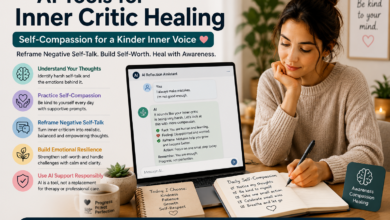
How to move on after narcissistic abuse
life after narcissist abuse

This guide explores life after narcissist abuse, offering insights on healing after narcissistic abuse, practical steps for recovery from narcissistic abuse, strategies for rebuilding your life after narcissistic abuse, and guidance on how to move on after narcissistic abuse with courage.
Thank you for reading this post, don't forget to subscribe!Surviving narcissistic abuse marks the beginning of a powerful transformation. Navigating life after narcissist abuse requires patience, self-compassion, and resilience as survivors reclaim their identity and strength.
The journey of healing after narcissistic abuse begins with understanding the trauma and learning to rebuild trust in yourself.
True recovery from narcissistic abuse involves therapy, supportive relationships, and healthy coping strategies. It also means rebuilding your life after narcissistic abuse, finding new goals, passions, and stability.
Ultimately, discovering how to move on after narcissistic abuse empowers survivors to rise stronger, creating a life built on peace, freedom, and authenticity.
🔹 12 Key Points – How to move on after narcissistic abuse
1. Understanding the Trauma
One of the hardest parts of life after narcissist abuse is coming to terms with what really happened. Survivors often minimize their experiences, questioning their perception due to gaslighting.
Acknowledging the abuse as real and damaging is the first step to freedom. This means accepting that manipulation, emotional neglect, and control were intentional patterns—not random conflicts.
Understanding trauma validates your pain, helping you realize it wasn’t your fault.
From this recognition, survivors can begin piecing together self-worth, dismantling toxic narratives, and laying a foundation for true emotional healing that allows them to rebuild on stronger ground.
2. Choosing Self-Compassion
Healing after narcissistic abuse starts with self-compassion. Survivors often carry guilt, shame, or blame for the abuse, believing they could have done something differently.
Self-kindness means rejecting those false beliefs and recognizing your strength in surviving. Healing involves allowing yourself rest, patience, and forgiveness—not for the abuser, but for yourself.
Practicing mindfulness, affirmations, and gratitude restores the inner voice silenced by manipulation. Self-compassion rebuilds confidence and reminds survivors that healing is not linear.
Each step forward is progress, no matter how small, and the act of valuing yourself again becomes the true foundation of recovery and resilience.
Please Enjoy Reading borderline-narcissist-symptoms-signs-traits-behavior-patterns
3. Therapy and Professional Support
Seeking therapy is vital for recovery from narcissistic abuse. Trained professionals provide validation, coping tools, and safe spaces to process trauma.
Cognitive behavioral therapy, trauma-informed counseling, or EMDR can help survivors untangle manipulation and reclaim clarity.
Therapy also rebuilds trust in one’s judgment, eroded through gaslighting. Beyond treatment, joining support groups or connecting with others who’ve endured similar experiences creates solidarity and shared strength.
Therapy does not erase the past, but it reframes it, helping survivors understand patterns without self-blame.
Professional guidance ensures recovery is guided, steady, and empowering, helping survivors break cycles and reclaim mental peace.
4. Establishing Boundaries
The process of rebuilding your life after narcissistic abuse demands strong boundaries. Survivors often struggle to say no, fearing rejection or conflict.
Boundaries protect emotional energy and prevent repeating cycles of exploitation. This may mean limiting contact with toxic individuals, learning to walk away from manipulative conversations, or refusing to accept disrespect disguised as care.
Healthy boundaries reaffirm self-worth, showing that your voice matters. Rebuilding life also involves surrounding yourself with people who honor those boundaries.
With practice, boundaries become not just walls of protection but gateways to freedom, offering stability and peace in new, healthier relationships.
5. Acceptance and Letting Go
A crucial part of how to move on after narcissistic abuse is acceptance. Many survivors wait for apologies, closure, or justice that may never come.
Letting go means acknowledging that the abuser may never change or validate your pain. While this is painful, it is liberating, too. Moving on requires focusing less on them and more on your healing journey.
Acceptance frees survivors from replaying past conflicts, giving space for joy, growth, and new beginnings.
It is not about forgetting but about refusing to let trauma dictate the future, opening doors to emotional peace and independence.
6. Rebuilding Identity
Life after narcissist abuse often leaves survivors questioning who they are. Years of manipulation can erode self-image and create confusion.
Rebuilding identity involves rediscovering passions, values, and interests outside the abuser’s control. Survivors may revisit old hobbies, explore creative outlets, or pursue new goals.
This rediscovery fosters empowerment and autonomy. It’s about rewriting your story with your voice at the center.
Through self-reflection and exploration, survivors learn that they are more than the pain they endured.
Rebuilding identity restores dignity and self-confidence, creating a renewed sense of self rooted in freedom rather than control or fear.
7. Building Support Systems
Healing after narcissistic abuse requires connection with safe, supportive people. Isolation often accompanies abuse, leaving survivors hesitant to trust others.
Building a support system of friends, family, or peer groups counteracts this loneliness. These connections provide validation, encouragement, and accountability.
Supportive communities remind survivors they are not alone, offering perspectives and strength during setbacks.
Sharing stories can be deeply therapeutic, replacing shame with solidarity. Trust rebuilds slowly, but surrounding yourself with people who respect boundaries and value authenticity accelerates healing.
Healthy support systems become a lifeline, fostering resilience and reminding survivors of their inherent worth and courage.
Please enjoy reading 10-characteristics-of-a-narcissist-traits-behaviors-warning-signs
8. Recognizing Triggers
Part of recovery from narcissistic abuse involves identifying and managing triggers. Certain words, behaviors, or environments can reignite painful memories, causing anxiety or panic.
Awareness of triggers empowers survivors to anticipate and prepare for these responses. Journaling, mindfulness, and therapy help untangle triggers from present reality.
Recognizing them does not mean weakness but growth—proof that you are learning to manage trauma instead of being controlled by it.
Coping strategies transform triggers from overwhelming obstacles into opportunities for healing.
With time, survivors gain confidence in managing their emotions, allowing them to navigate life with renewed clarity and balance.
9. Financial and Practical Independence
A core part of rebuilding your life after narcissistic abuse is regaining independence—financially and practically. Abusers often limit resources, fostering dependency.
Reclaiming control might involve budgeting, securing employment, or pursuing education. Independence provides stability and confidence, reducing vulnerability to manipulation.
Practical independence also includes managing daily routines without interference, setting personal goals, and taking ownership of your future.
Rebuilding life is not only emotional but tangible, and financial security plays a crucial role. Each step toward independence represents freedom reclaimed.
Empowerment grows as survivors realize they can provide for themselves, make choices, and build stable foundations.
10. Embracing Self-Care – How to move on after narcissistic abuse
Learning how to move on after narcissistic abuse requires intentional self-care. Survivors often neglect their needs due to years of prioritizing the abuser’s demands.
Self-care restores balance by honoring body, mind, and spirit. This can include exercise, meditation, creative outlets, or simply rest.
Self-care is not indulgence but necessity—a practice of reclaiming worth. Prioritizing well-being demonstrates to yourself that your needs matter.
Over time, self-care becomes a habit of resilience, reinforcing boundaries and nurturing healing. It transforms the recovery process from surviving to thriving, empowering survivors to live with confidence, joy, and renewed inner strength.
Please enjoy reading top-10-behaviors-of-the-female-malignant-narcissist
11. Reframing Relationships
Life after narcissist abuse often means rethinking how relationships work. Survivors may fear intimacy, trust, or vulnerability.
Reframing relationships involves redefining what healthy love looks like: mutual respect, equality, and empathy. This process includes learning to recognize red flags, trust instincts, and establish boundaries early.
It also involves allowing safe people into your life again without fear dominating decisions. Healthy relationships after abuse are possible, but they require time and healing.
Reframing is not about rushing but rebuilding faith in connection. Survivors learn that love can nurture instead of drain, offering a path toward joy and stability.
12. Finding Meaning
Healing after narcissistic abuse often sparks a journey of deeper meaning. Survivors may turn to spirituality, creativity, or service as ways to transform pain into purpose.
This search for meaning helps integrate trauma into growth, rather than letting it define life negatively. Many find empowerment in sharing their story, helping others, or advocating for awareness.
Meaning reframes suffering as a catalyst for strength. By channeling lessons into growth, survivors create lives filled with authenticity and resilience.
This sense of purpose offers closure not dependent on the abuser but built on personal evolution, turning survival into a powerful transformation.
🔹 Conclusion – How to move on after narcissistic abuse
Recovery from abuse is not linear but a journey of rediscovery, strength, and transformation. Survivors learn to value themselves again, reclaim independence, and cultivate healthy, supportive relationships.
Though the scars of trauma remain, they no longer define the future. Life after abuse becomes a testament to resilience, proving that healing is possible and joy can return.
By choosing self-compassion, boundaries, and personal growth, survivors transform pain into empowerment.
The conclusion is not about forgetting but about rising stronger, creating a life rooted in authenticity, freedom, and dignity. Healing is not the end—it is a new beginning.
🔮 5 Perspectives – How to move on after narcissistic abuse
1. Psychological Perspective – How to move on after narcissistic abuse
Psychologically, life after narcissistic abuse involves processing trauma that often lingers in subtle ways. Survivors may struggle with self-doubt, hypervigilance, or difficulty trusting others.
Therapy provides essential tools for rebuilding confidence and reframing distorted beliefs planted by manipulation.
By understanding trauma responses as normal reactions to abnormal experiences, survivors reduce self-blame and develop healthier coping strategies.
Psychology emphasizes the importance of narrative—retelling your story through a lens of empowerment rather than victimhood.
This shift enables people to reclaim autonomy, recognize their resilience, and begin redefining self-identity without the shadow of control, gaslighting, or emotional exploitation from the past.
2. Spiritual Perspective – How to move on after narcissistic abuse
From a spiritual lens, recovery becomes a journey of renewal and connection to the higher self. Abuse disconnects individuals from their inner light, replacing peace with fear.
Spiritual healing restores this balance through practices like meditation, prayer, journaling, or energy cleansing.
Many traditions see such trials as karmic lessons, meant to strengthen compassion, awareness, and discernment. Survivors often find comfort in seeing their experience not as punishment but as a path to growth.
By embracing spiritual practices, individuals restore harmony, cultivate forgiveness without enabling, and rediscover a sense of divine protection that helps them walk forward with renewed hope.
3. Philosophical Perspective – How to move on after narcissistic abuse
Philosophically, life after abuse raises questions about freedom, morality, and meaning. Narcissism distorts human relationships into imbalances of power, reducing others to means rather than ends.
Confronting this reality forces survivors to reflect on values such as dignity, justice, and authenticity.
Existential philosophy suggests meaning is created through choice, and choosing to leave or heal affirms one’s freedom.
The abuse, though painful, becomes a turning point to reject falsehood and embrace truth.
Philosophy reframes suffering as an invitation to seek wisdom, authenticity, and personal agency, helping survivors not only escape control but consciously rebuild life on ethical foundations.
4. Mental Health Perspective – How to move on after narcissistic abuse
From a mental health standpoint, recovery is both emotional and physiological. Abuse can trigger symptoms of anxiety, depression, or post-traumatic stress, impacting body and mind alike.
Professional intervention—through counseling, medication, or trauma-informed therapies—helps survivors regain balance. Self-care routines such as mindfulness, exercise, and rest also nurture healing.
Importantly, mental health perspectives stress boundaries: distancing from toxic individuals, managing triggers, and cultivating safe environments.
Survivors are encouraged to replace shame with empowerment, recognizing the strength it took to endure.
With time and consistent support, mental health can stabilize, giving survivors the tools to thrive beyond cycles of manipulation and harm.
5. New Point of View – How to move on after narcissistic abuse
A new perspective suggests life after abuse is not only about survival but transformation. Instead of merely escaping the narcissist, survivors can reframe their journey as an opportunity for growth and reinvention.
Pain becomes a teacher, inspiring creativity, compassion, and deeper self-awareness.
This approach emphasizes post-traumatic growth—the idea that adversity can strengthen resilience, purpose, and empathy.
Survivors can use their experience as fuel to create meaningful change in their lives and even inspire others.
By viewing the past as a stepping stone, not a permanent wound, individuals shift from being defined by trauma to empowered by renewal.
Please enjoy reading covert-narcissist-brother-signs-challenges-of-living-together
❓ 10 FAQs – How to move on after narcissistic abuse
What does life look like after narcissist abuse?
Life after abuse involves healing, rebuilding identity, and setting boundaries. Survivors often rediscover passions, develop independence, and gradually create relationships based on mutual respect instead of control.
How long does recovery take after narcissistic abuse?
Recovery is different for everyone. Some may heal within months, while others take years. Progress depends on support systems, therapy, and self-care, with healing occurring gradually, not in a straight line.
Can survivors fully trust again after abuse?
Yes, but it takes time. Survivors rebuild trust by learning to listen to instincts, setting boundaries, and forming healthy connections with people who demonstrate respect, empathy, and consistency.
Why is self-compassion important in healing?
Self-compassion helps counteract guilt and shame instilled by manipulation. It reminds survivors they are not at fault, encouraging patience, resilience, and kindness as they navigate recovery and rebuild emotional strength.
What are common struggles after narcissistic abuse?
Survivors often face self-doubt, anxiety, isolation, or difficulty making decisions. These struggles reflect lingering trauma but can be overcome with therapy, supportive communities, and intentional self-care practices.
Does therapy really help after narcissistic abuse?
Yes. Therapy provides tools to process trauma, rebuild confidence, and address anxiety or depression. Professional guidance offers survivors validation and strategies to break unhealthy patterns and regain control of their lives.
How can survivors rebuild identity?
Rebuilding identity involves rediscovering values, passions, and interests outside the abuser’s influence. Survivors explore creativity, goals, and authentic self-expression, gradually shaping a renewed sense of self anchored in freedom.
Is forgiveness necessary to move on?
Forgiveness is personal and not always required. Moving on is more about releasing resentment and focusing on healing, whether or not forgiveness of the abuser becomes part of the process.
Can spiritual practices aid in healing?
Yes. Practices like meditation, prayer, or journaling provide grounding, peace, and reconnection with inner strength. Spiritual healing fosters resilience, helping survivors see their journey as transformation rather than defeat.
What is post-traumatic growth?
Post-traumatic growth is the positive change that emerges after adversity. Survivors may develop stronger resilience, deeper empathy, and greater purpose, using pain as fuel to create a more authentic life.
📚 References & Citations – How to move on after narcissistic abuse
American Psychiatric Association. Narcissistic Personality Disorder (NPD). https://www.psychiatry.org/patients-families/narcissistic-personality-disorder
Mayo Clinic. Narcissistic Personality Disorder Overview. https://www.mayoclinic.org/diseases-conditions/narcissistic-personality-disorder
Psychology Today. Healing After Narcissistic Abuse. https://www.psychologytoday.com/us/basics/narcissism
Verywell Mind. Recovering From Narcissistic Abuse. https://www.verywellmind.com/signs-youre-dealing-with-a-narcissist