Gita Psychology
Gita psychology helps you understand the mind, emotions, attachment, duty, action, ego, and inner balance through the wisdom of the Bhagavad Gita. This section explores detachment in Gita, karma and dharma, ego and identity, and mind and self-control in a calm and practical way.
Start with core guides like What Is Gita Psychology?, Detachment in the Bhagavad Gita, Karma and Dharma Explained, and How the Gita Explains Self-Control to understand how ancient wisdom can support emotional maturity and daily decision-making.
Here, psychology is not explained as blind belief or religious pressure. It is explained through awareness, detached action, conscious responsibility, self-mastery, emotional stability, and practical inner growth.
👉 This section helps you understand spiritual wisdom without judging yourself.
-

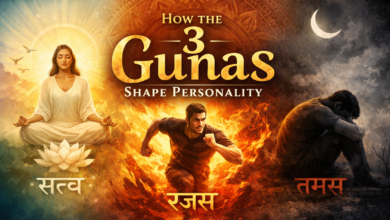
How the 3 Gunas Shape Personality
The concept of 3 gunas and personality becomes clearer when we understand the sattva rajas tamas meaning, explore the three…
Read More » -
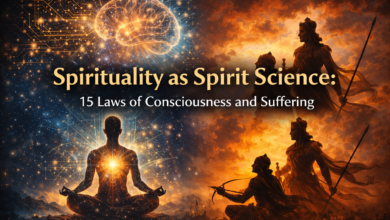
Spirituality as Spirit Science: 15 Laws Consciousness & Suffering
Spirituality as spirit science challenges the question “is spirituality scientific” by offering spiritual science explained through the psychology of spirituality…
Read More » -
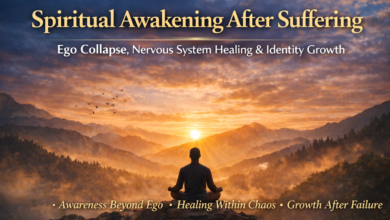
Spiritual Awakening After Suffering: Ego Collapse
Spiritual awakening after suffering often begins with ego collapse spiritual meaning, nervous system regulation and healing, forgiveness for mental peace,…
Read More » -
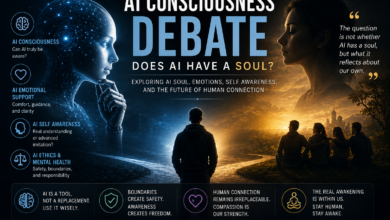
AI Consciousness Debate: Does AI Have a Soul?
The AI consciousness debate is no longer only a technology question; it has become a deeply human question about loneliness,…
Read More » -
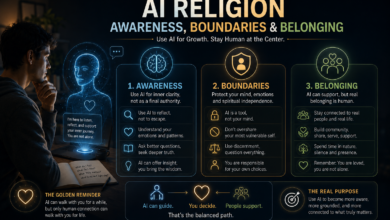
AI Religion: How Belief Models Are Changing Spiritual Belonging
AI religion is becoming important because people are not only searching for information anymore; they are searching for meaning, safety,…
Read More » -
AI Emotional Intelligence and Mental Health
Most people searching for AI emotional intelligence mental health are not only curious about technology; they are looking for safer…
Read More » -
Spiritual Baby Naming: Meaning, Vibration, Emotional Connection
Spiritual baby naming is not only about choosing a beautiful word for a child. A name becomes a repeated sound,…
Read More » -
IVF Ethical Issues: Spiritual, Emotional, and Parenting Questions
IVF ethical issues are usually explained through medical, legal, or religious arguments, but parents often need something deeper: emotional clarity,…
Read More » -
Garbha Sanskar Practice: Ancient Pregnancy Rituals
Garbha Sanskar practice is often explained only as a traditional pregnancy ritual, but this guide goes deeper. Here, you will…
Read More »