Toxic Narcissist Traits: Damage Self-Trust & Emotional Safety
How Control, Blame, Criticism, and Attachment Keep You Stuck

Many people search for toxic narcissist traits because they feel confused, blamed, controlled, and emotionally tired, but they still cannot understand why leaving or speaking the truth feels so difficult.
Thank you for reading this post, don't forget to subscribe!👉 This blog is important because it does not only explain warning signs; it explains how narcissistic blame shifting, controlling narcissist behavior, and narcissistic criticism slowly damage self-trust, confidence, and emotional safety.
The unique part of this blog is that it also explains the deeper attachment trap: why hope, fear, love, and a trauma bond with narcissist can keep a person connected even when they know something is wrong.
Most articles only list behaviors, but this guide connects psychology, nervous system stress, and spiritual Maya to show how a person becomes attached to the imagined version of the relationship. You will learn how to observe patterns clearly, protect your truth, and begin rebuilding self-trust.
What Are Toxic Narcissist Traits in a Relationship?
Toxic narcissist traits are repeated emotional patterns that make a relationship feel confusing, unsafe, and one-sided. They are not only about ego, arrogance, or wanting attention.
👉 In real relationships, these traits often appear through blame, control, criticism, emotional pressure, silent punishment, and lack of accountability.
This blog is not written to diagnose anyone. Diagnosis should only come from a qualified mental health professional. Here, the focus is on recognizing harmful patterns that damage self-trust and emotional safety.
A healthy relationship can still have arguments, mistakes, and misunderstandings. But there is usually space for honesty, repair, respect, and responsibility.
👉 A toxic pattern becomes visible when the same pain keeps repeating, but the person causing harm does not take real accountability.
Read Also: understanding-narcissism
Why Toxic Narcissist Traits Are Hard to Notice Early
Many people do not recognize toxic narcissist traits in the beginning because the relationship does not feel fully harmful at first. There may be affection, attention, emotional closeness, and promises of change. This creates confusion.
The person may think, “They hurt me, but they also love me.” Or, “They blamed me, but maybe they were stressed.” This emotional mixture makes the mind delay acceptance.
That is why toxic traits are often easier to see through patterns, not isolated moments. One mistake may not define someone. But repeated harm, repeated blame, repeated control, and repeated criticism show a deeper relationship pattern.
Toxic Traits Are Patterns, Not One-Time Mistakes
One angry moment does not automatically make someone toxic. One misunderstanding does not make a relationship unsafe. But when the same behavior keeps repeating, the emotional impact becomes serious.
If every conflict becomes your fault, that may be narcissistic blame shifting. If love starts feeling like rules, pressure, or permission, that may be controlling narcissist behavior. If repeated comments slowly damage your confidence, that may be narcissistic criticism.
👉 The key is repetition. A person may apologize, but if the behavior keeps returning, the apology becomes part of the cycle instead of real change.
Why These Traits Feel Confusing Instead of Clearly Wrong
Toxic behavior often feels confusing because it does not always come with constant cruelty. Sometimes the same person who hurts you also becomes loving, soft, caring, or apologetic later.
This mixed behavior keeps the mind stuck between pain and hope.
- You may feel hurt, then remember the good moments.
- You may feel controlled, then tell yourself they only care.
- You may feel criticized, then wonder if they were only trying to help.
This is where emotional confusion begins. The problem is not that you cannot see the pain. The problem is that the relationship gives you enough hope to doubt the pain.
Read Also: Trauma Recovery
When Good Moments Make You Question the Bad Ones
One of the most painful parts of toxic narcissist traits is the way good moments can hide repeated harm. A kind message, apology, gift, or temporary closeness can make the person believe things are finally changing.
But if the same blame, control, and criticism return again, the good moments may not mean real repair. They may only create temporary relief.
This is how emotional attachment becomes stronger. The person does not stay only because of love. They may also stay because they are waiting for the good version to become permanent.
The Truth-and-Loss Trap in Toxic Narcissistic Relationships
The deepest pain in toxic narcissistic relationships is often the truth-and-loss trap. You may know something is wrong, but speaking the truth feels dangerous because you fear the relationship may break.
This creates an inner conflict. One part of you wants honesty. Another part fears rejection, blame, silence, or abandonment.
So you stay quiet.
You adjust.
You forgive again.
You explain more softly.
But every time you hide your truth to protect the relationship, self-trust becomes weaker. You start believing that peace matters more than honesty.
A healthy relationship may feel uncomfortable during truth, but it does not punish truth. Toxic dynamics often make truth feel like a threat.
Why Speaking the Truth Feels Dangerous
Speaking the truth feels dangerous when past honesty has led to punishment. You may have tried to express pain before, but the conversation turned against you.
With narcissistic blame shifting, your pain becomes your fault.
👉 Instead of hearing, “I understand,” you may hear, “You are too sensitive,” or “You always create drama.”
With controlling narcissist behavior, truth can lead to guilt, anger, withdrawal, or emotional pressure. The person may make you feel wrong for needing space, respect, or freedom.
With narcissistic criticism, your confidence becomes weak before you even speak.
👉 You may think, “Maybe I am wrong,” “Maybe I am too emotional,” or “Maybe I cannot explain myself properly.”
How Self-Trust Starts Breaking
Self-trust breaks slowly. It does not usually disappear in one day. It weakens every time you feel something is wrong but convince yourself to ignore it.
You may start questioning your memory, emotions, judgment, and needs.
👉 You may ask, “Was it really that bad?” or “Am I making this bigger than it is?”
This is where toxic relationship patterns become deeper than normal conflict. The issue is not only what the other person does. The issue is what starts happening inside you after repeated blame, control, and criticism.
You begin measuring your truth by their reaction instead of your own inner clarity.
Read Also: Emotional Healing Roadmap
How a Trauma Bond With Narcissist Can Begin
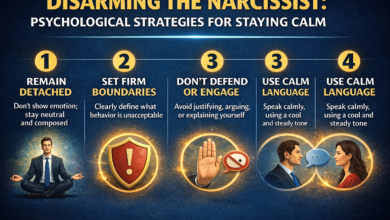
A trauma bond with narcissist can begin when pain and relief keep repeating in the same relationship. There may be hurt, then apology. Distance, then closeness. Blame, then affection. Conflict, then temporary peace.
The nervous system starts waiting for relief after stress. Small good moments feel powerful because they come after emotional pain.
This does not mean the person is weak. It means the emotional cycle has become confusing and addictive. The person may know the relationship hurts, but the moments of relief keep pulling them back.
That is why healing must begin with awareness, not self-attack.
Part 1 Reader Connection Questions
- Do you stay silent because you are peaceful, or because you fear the relationship will break if you speak honestly?
- Do good moments make you question repeated blame, control, or criticism?
- Have you started doubting your own feelings because their reaction feels stronger than your truth?
How Narcissistic Blame Shifting Makes You Doubt Yourself
Narcissistic blame shifting happens when the real issue is moved away from the harmful behavior and turned back onto the person who is hurt. Instead of taking responsibility, the toxic person changes the focus.
- You may say, “Your words hurt me,” but they may reply, “You are too sensitive.”
- You may ask for respect, but they may say, “You always create problems.”
- Slowly, the conversation stops being about what happened and becomes about what is wrong with you.
This is one of the most damaging toxic narcissist traits because it attacks your sense of truth. You begin doubting whether your pain is valid.
When Your Pain Gets Turned Against You
In a healthy relationship, pain should create space for understanding. Even if both people disagree, there should be room to listen, reflect, and repair.
But in narcissistic blame shifting, your pain becomes evidence against you.
- If you cry, you are “too emotional.”
- If you ask questions, you are “dramatic.”
- If you need clarity, you are “insecure.”
This creates emotional confusion. You start explaining yourself again and again, hoping they will finally understand. But the more you explain, the more exhausted you become.
Over time, you may stop expressing pain because you already expect it to be used against you.
Why You Start Apologizing When You Are Not Wrong
Repeated blame can train you to apologize just to stop conflict. You may know that you were hurt, but you still say sorry because you want peace.
This is not real peace. It is emotional survival.
When toxic narcissist traits repeat, the person being hurt may start taking responsibility for problems they did not create.
They may think, “Maybe I said it wrong,” or “Maybe I should not have brought it up.”
This is how self-trust becomes weak. You stop asking, “What really happened?” and start asking, “How can I make them calm again?”
How Blame-Shifting Attacks Your Sense of Truth
The deeper damage of narcissistic blame shifting is not only guilt. It is reality confusion.
When someone repeatedly tells you that your feelings are wrong, your memory is wrong, your reaction is wrong, and your needs are wrong, you may slowly lose confidence in your own inner voice.
You may begin checking every emotional reaction before believing it.
You may think, “Am I overreacting?” even when the pain is real.
This is why blame-shifting is not a small relationship issue. It slowly teaches you to trust their version of reality more than your own.
How Controlling Narcissist Behavior Makes Love Feel Like Pressure
Controlling narcissist behavior can make love feel heavy, fearful, and conditional. It may not always begin with direct control. Sometimes it begins as concern, protection, advice, or emotional closeness.
At first, the person may say, “I only care about you,” or “I know what is best for you.” But slowly, your freedom becomes smaller.
You may begin changing your choices to avoid their reaction.
You may stop speaking openly, meeting certain people, wearing certain things, or making independent decisions.
Love should not feel like permission. When it does, control has entered the relationship.
When Care Turns Into Control
Care respects your freedom. Control slowly removes it.
A caring person may share concern, but they still allow you to make your own choices. A controlling person uses concern to direct your behavior.
This is where controlling narcissist behavior becomes confusing. It may sound loving, but it creates fear. You may think they are protecting you, but your inner world starts shrinking.
You begin asking yourself, “Will they be upset?” before doing simple things. Their mood becomes the rulebook for your life.
That is not emotional safety. That is emotional pressure disguised as love.
When Love Starts Feeling Like Permission
A major warning sign is when you feel you need emotional permission to live normally. You may not directly ask permission, but inside, you keep checking their possible reaction.
- Before making a plan, you think about their anger.
- Before speaking truth, you think about their silence.
- Before choosing something for yourself, you think about their judgment.
This is how toxic narcissist traits slowly disconnect you from personal freedom. You stop moving from your own clarity and start moving from fear of reaction.
A relationship should not make you smaller to keep peace. Healthy love gives safety, not constant emotional monitoring.
How Narcissistic Criticism Slowly Breaks Confidence
Narcissistic criticism often starts in small ways. It may sound like advice, correction, sarcasm, or “just being honest.” But when criticism becomes repeated, it slowly damages confidence.
The person may comment on your appearance, intelligence, choices, emotions, family, work, or personality. Over time, you may start believing you are never enough.
This is different from healthy feedback. Healthy feedback helps you grow without destroying your self-worth. Toxic criticism makes you feel defective.
When criticism becomes constant, you may stop trusting your own decisions because you are already expecting judgment.
When Their Voice Becomes Your Inner Voice
The most painful part of narcissistic criticism is that it does not stay outside. After hearing repeated negative comments, you may begin speaking to yourself in the same harsh way.
- You may look in the mirror and hear their judgment.
- You may make a decision and hear their doubt.
- You may try something new and hear their criticism before they even say anything.
This is how external criticism becomes internal self-attack.
The relationship may damage more than your mood. It may change how you see yourself. That is why healing requires rebuilding your inner voice, not only leaving the argument.
The Self-Trust Damage No One Talks About
Many articles discuss toxic narcissist traits, but they often miss the deeper damage: self-trust loss.
After repeated blame, control, and criticism, you may stop trusting your own feelings. You may ask others for confirmation before believing yourself. You may need proof that your pain is real.
This is not weakness. It is the result of emotional conditioning.
When your truth has been challenged again and again, your mind starts hesitating before accepting reality. Healing begins when you gently rebuild the ability to say, “I know what I felt. I know what happened. My inner experience matters.”
BBH Insight: Blame Attacks Truth, Control Attacks Freedom, Criticism Attacks Self-Worth
The three strongest patterns in many toxic relationships are blame, control, and criticism.
Narcissistic blame shifting attacks your truth because it makes you question what really happened. Controlling narcissist behavior attacks your freedom because it makes you live through fear of reaction. Narcissistic criticism attacks your self-worth because it teaches you to see yourself through someone else’s judgment.
Together, these patterns can create a trauma bond with narcissist because the person keeps waiting for love, apology, and relief after emotional pain.
The goal is not self-blame. The goal is awareness. Once you can name the pattern, you can begin protecting your truth again.
Part 2 Reader Connection Questions
- Do you apologize just to end the fight, even when you know you were not wrong?
- Do you feel nervous before making simple decisions because of how they may react?
- Have their repeated comments become your own inner criticism?
Why a Trauma Bond With Narcissist Makes Leaving Feel So Hard
A trauma bond with narcissist can make leaving feel painfully difficult, even when the person clearly sees the harm. This bond does not form because someone is weak. It forms because pain and relief keep coming from the same relationship.
There may be criticism, then apology.
- Control, then affection.
- Blame, then temporary peace.
- Distance, then closeness.
- This emotional cycle confuses the nervous system.
The person may know the relationship is hurting them, but the small good moments keep pulling them back. They do not only miss the person. They miss the relief, hope, and temporary safety that sometimes appear after pain.
Why Small Good Moments Keep Pulling You Back
Small good moments can feel powerful in a toxic relationship because they often come after emotional stress. When someone has been cold, critical, or controlling, even one soft message can feel like relief.
This relief can feel like love, but sometimes it is only the nervous system calming down after fear. That is why the attachment becomes confusing.
The person may think, “See, they do care,” or “Maybe this time things will change.”
But if the same toxic narcissist traits return again, the good moment may be part of the cycle, not proof of real change.
Healing begins when you stop judging only the good moments and start observing the repeated pattern.
Why Hope Can Become Stronger Than Reality
Hope is natural in love. A person wants to believe that the relationship can become better. They want to believe the other person will understand, change, and finally stop hurting them.
But in a toxic cycle, hope can become stronger than reality. The person may focus on potential instead of pattern. They may remember old good moments more than present pain.
This is where narcissistic blame shifting, controlling narcissist behavior, and narcissistic criticism become harder to accept. The mind says, “Maybe they will change,” while the body keeps feeling unsafe.
Hope becomes unhealthy when it asks you to ignore repeated harm.
The Spiritual Psychology of Maya in Toxic Narcissistic Attachment
From a spiritual psychology view, Maya is not only illusion in the outside world. It can also be the emotional illusion created by attachment.
In toxic narcissistic attachment, Maya appears when a person becomes attached to the imagined version of the relationship instead of the real repeated pattern. They may love who the person could become, not who the person consistently shows themselves to be.
This does not mean love is fake. It means attachment can make reality difficult to accept.
The person may keep waiting for the version they once saw, the apology they hoped for, or the future they imagined. But healing starts when truth becomes stronger than illusion.
When You Love Their Potential More Than Their Pattern
One of the hardest truths is this: sometimes we are not attached to the relationship as it is. We are attached to what we hoped it would become.
- You may love their potential.
- You may remember their soft side.
- You may believe they can change.
But the real question is: what pattern are they living repeatedly?
- If narcissistic blame shifting keeps returning,
- if controlling narcissist behavior keeps shrinking your freedom, and
- if narcissistic criticism keeps damaging your confidence, then potential is not enough.
Potential may create hope, but pattern reveals reality. Healing begins when you stop protecting the imagined future and start respecting the present truth.
How Toxic Narcissist Traits Affect the Nervous System
Toxic narcissist traits do not only affect thoughts and emotions. They can also affect the nervous system.
Repeated blame, control, criticism, and emotional unpredictability can keep the body in stress.
- You may feel anxious, alert, tired, frozen, or emotionally numb.
- You may overthink every conversation because your system is trying to avoid the next conflict.
This is why healing is not only about making one big decision. The body also needs safety.
Before clarity returns, the nervous system may need calm, distance, breathing, rest, support, and steady observation. A stressed nervous system can confuse fear with love and anxiety with attachment.
How to Rebuild Self-Trust After Toxic Narcissist Traits
Rebuilding self-trust begins with gentle observation. Instead of attacking yourself for staying, start asking, “What pattern am I seeing?”
Write down what happened, how it affected you, and whether the same issue has repeated before. This helps you separate facts from emotional confusion.
Self-trust returns when you stop measuring your truth by someone else’s reaction. Their anger does not mean you are wrong. Their silence does not mean your need is too much. Their blame does not erase your experience.
👉 Healing begins with this simple inner statement: “My feelings are information. My truth deserves attention.”
Start With Pattern Observation, Not Self-Attack
Many people blame themselves after toxic relationships. They ask, “Why did I stay?” or “Why did I believe them again?” But self-attack does not heal self-trust.
Start with pattern observation. Notice what keeps repeating. Notice what happens after you express pain. Notice whether apologies lead to change or only temporary peace.
This approach reduces shame. It moves the mind from confusion to clarity.
You are not trying to hate the person. You are trying to see reality without abandoning yourself. Awareness is the first step toward emotional freedom.
Rebuild Nervous System Safety Before Big Decisions
When you are emotionally overwhelmed, big decisions can feel terrifying. That is why nervous system recovery matters.
- Before deciding everything at once, create small safety steps.
- Pause before reacting. Breathe slowly.
- Speak to one trusted person.
- Write your truth.
- Reduce emotional exposure when possible.
- Give your body time to settle.
A calmer nervous system helps you see the relationship more clearly. Panic may push you into fear. Attachment may pull you back into hope. But inner steadiness helps you choose from clarity.
Healing does not always begin with a dramatic step. Sometimes it begins with one calm moment where you stop betraying your truth.
Final BBH Healing Insight
The goal of this blog is not to create hate, revenge, or quick judgment. The goal is to help you understand the emotional pattern clearly.
A toxic relationship becomes powerful when hope becomes stronger than reality. It becomes more painful when truth feels dangerous. It becomes harder to leave when love, fear, attachment, and relief mix together.
But self-trust can return.
You can love someone and still admit the pattern is hurting you. You can care deeply and still protect your nervous system. You can have hope and still stop abandoning your truth.
Truth should not be the price of keeping love.
Part 3 Reader Connection Questions
- Are you attached to the real relationship, or the version you keep hoping it will become?
- Do small good moments make you forget repeated emotional harm?
- What would change if you trusted your truth before protecting the relationship?
People Also Ask
1. What are toxic narcissist traits in a relationship?
Toxic narcissist traits are repeated patterns such as blame shifting, control, criticism, lack of accountability, emotional pressure, and making the other person doubt their own truth.
2. How does narcissistic blame shifting affect self-trust?
Narcissistic blame shifting makes the hurt person feel responsible for every problem. Over time, they may stop trusting their own feelings, memory, and judgment.
3. Why is controlling narcissist behavior so confusing?
Controlling narcissist behavior can appear as care, protection, or concern. But slowly, it makes love feel like pressure, fear, permission, and emotional monitoring.
4. Why is it hard to leave a toxic narcissist?
Leaving can feel hard because hope, fear, love, attachment, and a trauma bond with narcissist can keep the person emotionally connected even after repeated harm.
5. How can someone rebuild self-trust after toxic narcissist traits?
Self-trust can return through pattern observation, emotional grounding, nervous system regulation, support, boundaries, and learning to believe your own truth again.
FAQ
1. Are toxic narcissist traits the same as narcissistic personality disorder?
No. Toxic narcissist traits are harmful behavior patterns. Narcissistic personality disorder is a clinical diagnosis that should only be made by a qualified professional.
2. Can a toxic narcissist change?
Change is possible only when the person accepts responsibility, seeks help, and shows consistent behavior change. Apologies without repeated action are not real change.
3. Why do victims keep doubting themselves?
They often doubt themselves because repeated blame, control, and criticism train them to question their own emotions, needs, memory, and truth.
4. What is the first step in healing?
The first step is not self-blame. Start by observing repeated patterns clearly and asking whether the relationship gives space for truth, safety, and respect.
5. Is trauma bonding real in toxic relationships?
Yes. Trauma bonding can happen when pain and relief keep repeating. Small good moments after emotional stress can make the attachment feel harder to break.
- Mayo Clinic — Narcissistic Personality Disorder: Symptoms and Causes
Useful for explaining NPD symptoms carefully without diagnosing the reader’s partner.
URL: https://www.mayoclinic.org/diseases-conditions/narcissistic-personality-disorder/symptoms-causes/syc-20366662 - Cleveland Clinic — Narcissistic Personality Disorder: Symptoms & Treatment
Good reference for explaining that NPD affects self-image, relationships, and treatment understanding.
URL: https://my.clevelandclinic.org/health/diseases/9742-narcissistic-personality-disorder - The National Domestic Violence Hotline — What Is Emotional Abuse?
Useful for supporting sections on emotional abuse, control, criticism, and non-physical harm.
URL: https://www.thehotline.org/resources/what-is-emotional-abuse/ - United Nations — What Is Domestic Abuse?
Helpful for defining abuse as a pattern of behavior used to gain or maintain power and control in a relationship.
URL: https://www.un.org/en/coronavirus/what-is-domestic-abuse - Psychology Today — The Truth About Trauma Bonding and Narcissists
Useful for your trauma bond section, especially where you explain emotional attachment after repeated pain and relief.
URL: https://www.psychologytoday.com/us/blog/understanding-narcissism/202410/the-truth-about-trauma-bonding-and-narcissists