Vitamin B6 and Brain Health: What Research Shows
Vitamin B6 Deficiency: Symptoms and Risks

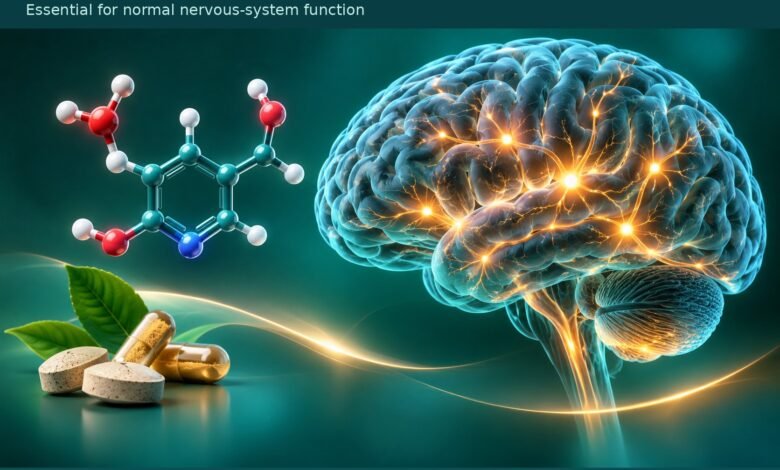
Vitamin B6 and Brain Health: What Research Shows
Evidence on neurotransmitters, deficiency symptoms, food sources, cognitive health and supplement-related nerve damage.
Thank you for reading this post, don't forget to subscribe!1. Vitamin B6 and Brain Health: Biological Functions
Vitamin B6 is a group of related compounds, including pyridoxine, pyridoxal and pyridoxamine. Pyridoxal 5′-phosphate (PLP) is the major active coenzyme form. It supports numerous enzyme reactions, particularly amino acid metabolism. Normal brain and nerve function depends in part on these pathways. The established biochemical requirement for a nutrient must be distinguished from claims that additional supplementation improves performance.
Neurotransmitter production
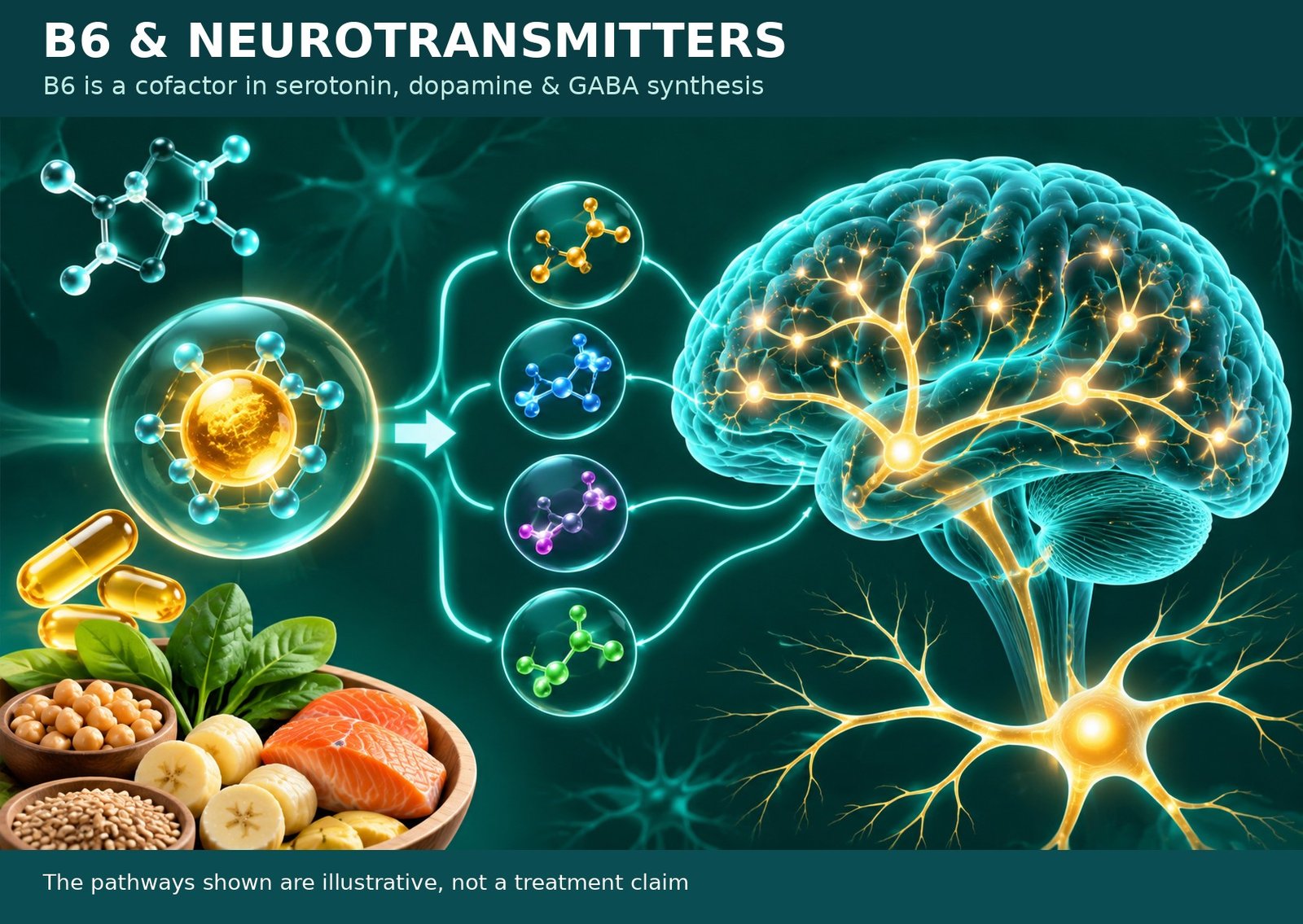
PLP is needed in reactions involved in the synthesis of serotonin, dopamine and gamma-aminobutyric acid (GABA). These neurotransmitters participate in many functions, including neural signalling. Nevertheless, their regulation is complex, and consuming extra B6 does not mean neurotransmitter concentrations or emotional health will improve.
Other essential roles
B6 also contributes to hemoglobin synthesis, normal immune function and the metabolism of homocysteine. Adequate status matters across the lifespan, including for neurological development. Brain-health benefits from avoiding deficiency are not the same as benefits from high-dose supplementation.
2. What Scientific Evidence Supports — and Does Not Support
Studies on vitamin B6 and brain health need to distinguish established physiological functions from demonstrated clinical effects. The NIH Office of Dietary Supplements reports mixed observational findings and insufficient evidence that B6 supplements improve cognitive function or mood in people without relevant deficiency. Reviews of B vitamins and cognition also caution that results depend on the population, intervention and outcomes examined.
| Claim | Evidence interpretation | Practical conclusion |
|---|---|---|
| B6 supports neurotransmitter synthesis | Established biochemistry | Adequate dietary intake is necessary |
| Deficiency can affect the nervous system | Recognized clinical manifestations | Assess clinically when risk and symptoms are present |
| More B6 improves memory or focus | Not consistently demonstrated | Do not use as a universal cognitive enhancer |
| B6 treats anxiety or depression | Insufficient evidence for routine use as a treatment | Do not replace evidence-based care |
| High supplemental B6 can injure nerves | Well-established safety concern | Check supplement labels and doses |
Some interventions have studied B6 alone or as part of combinations, making it difficult to attribute effects to B6 itself. Individual studies should not be interpreted as evidence that the vitamin treats complex psychiatric or neurological disorders. NCCIH review of supplements and cognitive function.
3. Vitamin B6 Deficiency Symptoms and Differential Explanations
Isolated vitamin B6 deficiency is relatively uncommon in many well-nourished populations. When it occurs, manifestations may include dermatitis, inflammation of the tongue or lips, cracks at the mouth corners, certain forms of anemia, depression and confusion. Deficiency may coexist with inadequate intake of other nutrients. Symptoms are not sufficiently specific to diagnose deficiency.
| Possible observation | B6-related context | Other possibilities |
|---|---|---|
| Low mood or confusion | Possible in significant deficiency | Mental health, metabolic or neurological disorders; medicines |
| Mouth or skin changes | Recognized deficiency manifestations | Other deficiencies, infection, dermatitis |
| Fatigue | May accompany anemia or wider nutritional issues | Poor sleep, other anemia, thyroid conditions |
| Numbness or tingling | Excess supplemental B6 is an especially important safety concern | Diabetes, B12 deficiency, nerve compression and other neuropathies |
| Difficulty concentrating | Not a diagnostic sign of B6 deficiency | Sleep, medications, stress, metabolic and other health causes |
Can vitamin B6 deficiency cause brain fog?
“Brain fog” is an informal term for difficulties with concentration or mental clarity, not a diagnosis. Severe nutritional problems can affect cognition, but these complaints cannot be used to infer B6 status. A clinician may review nutrition, medications, sleep, health history and alternative causes before deciding whether testing is appropriate.
Who may be at greater risk?
Risk may increase with inadequate nutritional intake, certain malabsorption disorders, kidney disease and some medications. Chronic alcohol dependence may also contribute to poor vitamin status. A risk factor alone is not proof of deficiency. Clinical assessment may include measurement of plasma PLP when indicated, alongside other investigations determined by symptoms and history.
4. Vitamin B6 Foods and Daily Requirements
Dietary sources include fish, poultry, potatoes and other starchy vegetables, chickpeas, bananas and selected fortified breakfast cereals. The amounts vary by serving size, processing and local fortification practices. Many people can meet their needs through a balanced diet rather than a standalone supplement.
| Dietary source | Example use | Nutrition note |
|---|---|---|
| Chickpeas | Chana, salad or stew | Plant-based source of B6 |
| Potatoes | Boiled or roasted with vegetables | Starchy vegetables can contribute B6 |
| Fish | Salmon or tuna with a meal | Among notable animal-based sources |
| Poultry | Chicken with vegetables | Animal-based source |
| Bananas | Fruit as part of a varied diet | Contributes some B6 |
| Fortified cereals | Breakfast with milk or plant-based alternative | Amounts depend on the product label |

US recommended dietary allowances for adults
| Life stage | NIH US recommended amount |
|---|---|
| Adults 19–50 years | 1.3 mg/day |
| Men 51+ years | 1.7 mg/day |
| Women 51+ years | 1.5 mg/day |
| Pregnancy | 1.9 mg/day |
| Breastfeeding | 2.0 mg/day |
These figures are US nutritional reference values for generally healthy people, not therapeutic doses. Local dietary guidelines may differ in the UK, Canada and Australia. Individual needs may also change with medical conditions or medication use.
5. Vitamin B6 Supplements: Nerve Damage and International Guidance
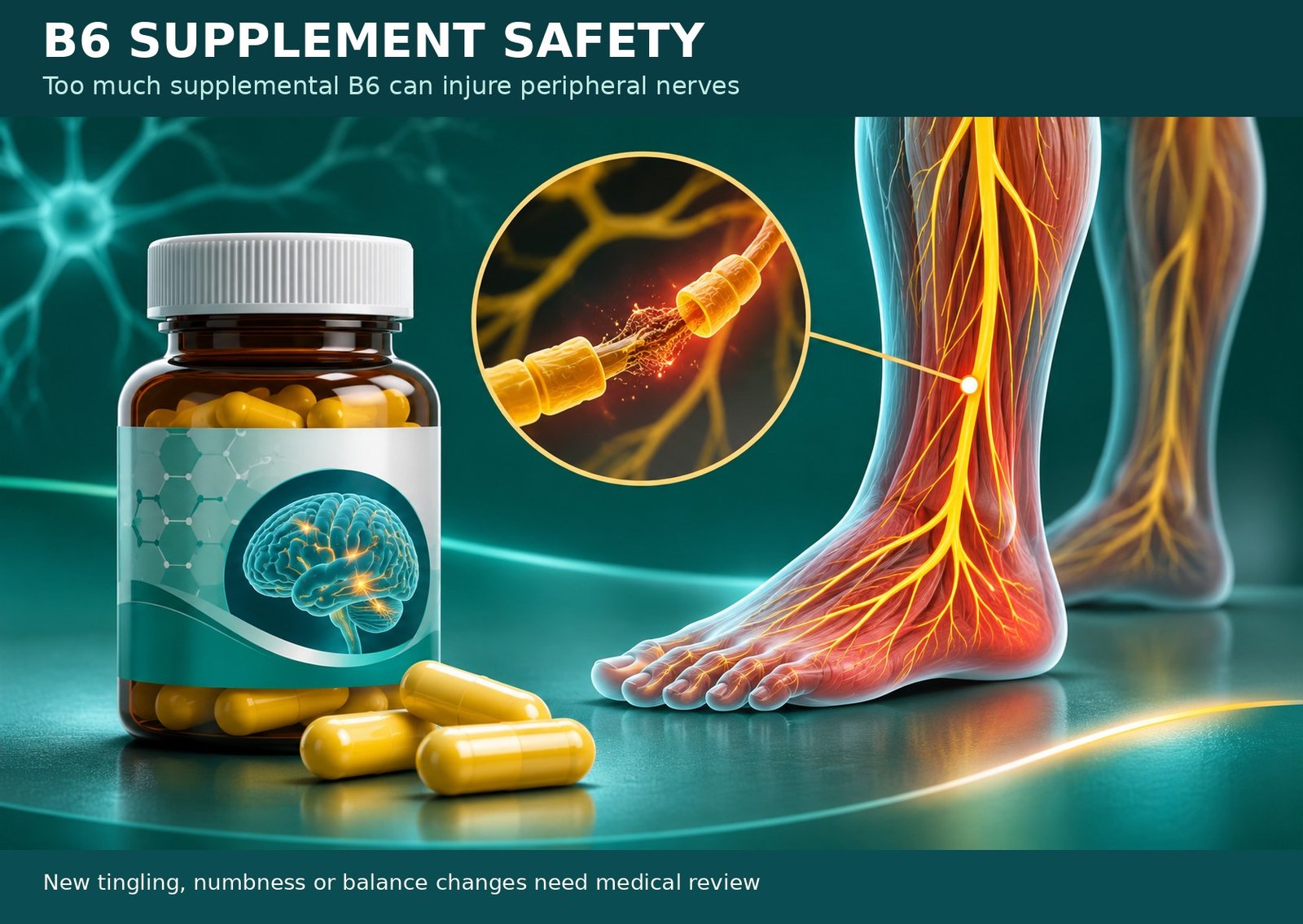
One of the most clinically important findings about B6 concerns peripheral neuropathy from excessive supplemental exposure. Symptoms can include tingling, numbness, unusual sensory changes and impaired balance. The EFSA scientific assessment identifies neuropathy as the critical adverse effect of excess B6; individual susceptibility and duration of use vary.
| Source | Adult guidance | Interpretation |
|---|---|---|
| US Food and Nutrition Board, as reported by NIH | Upper limit 100 mg/day | Historical US UL; not a suggested dose |
| EFSA 2023 | Upper limit 12 mg/day | European UL based on neuropathy evidence |
| UK NHS | Avoid >10 mg/day from supplements unless advised by a doctor | Public-facing supplement advice |
Important: These values use different assessment frameworks and are not interchangeable treatment recommendations. A tolerable upper intake level is not a target. Neither the US nor European value guarantees safety for every individual. People receiving medically supervised B6 therapy require individualized advice.
Check for duplicated ingredients
Vitamin B6 may appear in multivitamins, B-complex products and supplements marketed for magnesium, stress, sleep or energy. Products may list pyridoxine hydrochloride or pyridoxal 5′-phosphate. Review all labels to identify overlapping exposures; do not assume a product is safe merely because it is water-soluble or sold without a prescription.
6. Evidence-Based Next Steps
| Situation | Appropriate action |
|---|---|
| Normal diet with no concerning symptoms | Prioritize a varied diet; avoid unnecessary high-dose supplementation |
| Restricted diet or suspected inadequate intake | Review food intake with a clinician or registered dietitian |
| New tingling, numbness or balance problems | Seek timely medical assessment and review all supplements |
| Persistent concentration or mood symptoms | Consider broader clinical causes, not B6 alone |
| Sudden weakness, speech difficulty or new severe confusion | Seek emergency medical care |
If deficiency is confirmed, treatment should address its cause, not merely supply a supplement. Anyone taking prescribed B6 for a specific condition should discuss dose changes with the treating clinician instead of adjusting treatment independently.
7. People Also Ask: Vitamin B6 and Brain Health
Does vitamin B6 improve memory?
B6 is needed for normal neurological function, but studies have not consistently shown memory improvements from extra supplementation in people who obtain enough B6.
What are the main vitamin B6 deficiency symptoms?
They may include mouth and skin changes, certain forms of anemia, depression and confusion. These signs overlap with many other conditions and cannot confirm deficiency.
Is vitamin B6 good for anxiety?
Its role in neurotransmitter synthesis does not prove that supplements treat anxiety. B6 should not replace evidence-based mental health assessment or care.
What foods naturally contain vitamin B6?
Fish, poultry, chickpeas, potatoes, bananas and selected fortified cereals provide B6. Amounts vary with portions and food processing.
Can too much vitamin B6 cause neuropathy?
Yes. Excessive supplemental intake can cause peripheral neuropathy with sensory symptoms and possible balance difficulties. Review supplements and obtain medical assessment if symptoms appear.
8. Frequently Asked Questions
Is pyridoxine the same as vitamin B6?
Pyridoxine is one of several B6 forms and is common in supplements; PLP is the major active coenzyme form used in metabolism.
Can vitamin B6 deficiency cause brain fog?
Significant nutritional problems may affect cognition, but brain fog is nonspecific. It should not be used to diagnose B6 deficiency.
Do vegetarian diets provide vitamin B6?
They can. Chickpeas, potatoes, some fruits and fortified products contribute B6. A diverse dietary pattern and appropriate nutrition planning matter.
How is B6 status assessed?
A clinician may review symptoms, diet and medicines and, when appropriate, use a blood measure such as plasma PLP. Tests are interpreted in medical context.
Should a B-complex supplement be taken every day?
Not routinely for everyone. Need and safety depend on diet, health, medication and dose. Some combined products supply more B6 than expected.
9. Related BBH Articles and Support Resources
For broader nutritional context, read Vitamins and Minerals for Brain Health. Related guides on vitamin B1 deficiency symptoms, vitamin B2 deficiency symptoms, niacin deficiency and vitamin B5 benefits explain related but distinct nutrients.
Readers seeking general mental-health educational navigation can visit the BBH Start Here page or the Support Resources hub. These are not substitutes for medical assessment of neurological symptoms.
Free BBH Vitamin B6 Tracker
Use a seven-day food and supplement-label record to prepare questions for a qualified healthcare professional. This worksheet is educational; it does not determine deficiency status.
Download the Free Vitamin B6 Food & Supplement Safety Tracker (PDF)
Free printable PDF. Record food choices, supplement labels and questions for your healthcare professional. This educational worksheet does not diagnose deficiency.
10. Scientific References
- NIH Office of Dietary Supplements — Vitamin B6: Health Professional Fact Sheet
- NIH Office of Dietary Supplements — Vitamin B6: Consumer Fact Sheet
- NHS — Vitamins and minerals: B vitamins and folic acid
- EFSA (2023) — Scientific Opinion on the Tolerable Upper Intake Level for Vitamin B6
- NCCIH — Dietary Supplements and Cognitive Function: What the Science Says