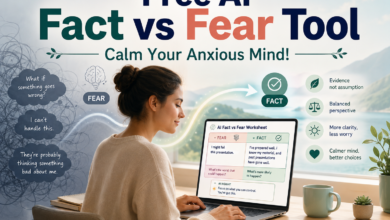
Vitamins and Minerals for Brain Health
Best Vitamins and Minerals for Your Brain

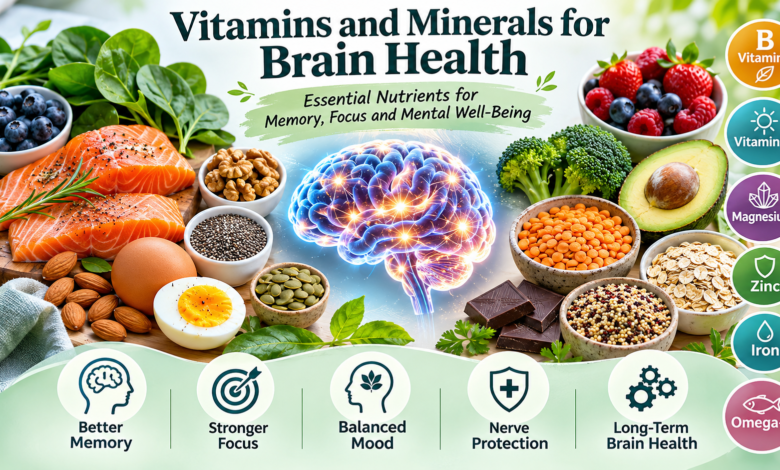
You sit down to work after a full night’s sleep, but the words on your screen still feel difficult to process. Maybe you forget small details, lose focus halfway through a task, or wonder why your mind seems slower than usual.
Thank you for reading this post, don't forget to subscribe!Quick Answer
Vitamin B12, folate, thiamine, vitamin B6, iron, iodine, magnesium, and other essential nutrients help maintain normal nervous-system and metabolic function. A varied diet is the starting
point. Persistent brain fog needs an appropriate assessment because nutritional deficiency is
only one possible cause.
In This Guide
1. Why Vitamins and Minerals for Brain Health Matter
⚡ Nerve CommunicationSodium, potassium, calcium and magnesium | 🔋 Energy MetabolismB vitamins help enzymes convert food |
🩸 Blood and OxygenIron and vitamin B12 support normal | 🌱 Development and MaintenanceIodine supports thyroid hormone production, |
These are established biological functions. They should not be confused with claims that high-dose supplements improve memory or motivation in everyone.
Why enough is different from more
Think of a nutrient as a necessary part of a working system rather than a switch that turns intelligence on. If a person is deficient, restoring adequate levels can be important for health.
If a person already has sufficient intake, taking several times the recommended amount may offer no additional cognitive benefit and can sometimes introduce risks. This difference is especially important when advertisements promise sharper thinking, instant energy, or stronger memory from a single capsule.
It also helps to distinguish the brain’s need for nutrients from the experience of feeling mentally alert.
Someone may eat well and still struggle to focus because of interrupted sleep, a demanding work schedule, grief, medication side effects, or a medical condition. Nutrition deserves attention, but it should sit alongside the rest of the person’s health rather than replace it.
2. Best Vitamins for Brain Health: Essential Roles
When considering vitamins and minerals for brain health, remember that different vitamins have different jobs. The strongest evidence often concerns preventing or treating deficiency rather than enhancing performance beyond normal health.
| Vitamin | Relevant Function | Food Sources |
|---|---|---|
| B1 (Thiamine) | Energy metabolism and nerve function | Whole grains, legumes, pork |
| B2 (Riboflavin) | Cellular energy reactions | Dairy, eggs, almonds |
| B3 (Niacin) | NAD-dependent metabolism | Fish, poultry, peanuts |
| B5 (Pantothenic Acid) | Coenzyme A production | Mushrooms, legumes, poultry |
| B6 | Neurotransmitter and amino-acid metabolism | Chickpeas, fish, potatoes |
| B7 (Biotin) | Normal enzyme activity | Eggs, nuts, seeds |
| B9 (Folate) | DNA synthesis and cell division | Lentils, leafy greens |
| B12 | Myelin and red blood cell formation | Fish, eggs, dairy, fortified foods |
| Vitamin C | Antioxidant functions and collagen synthesis | Guava, citrus, peppers |
| Vitamin D | Calcium regulation and other functions | Fatty fish, fortified foods |
| Vitamin E | Antioxidant protection | Nuts, seeds, vegetable oils |
| Vitamin K | Clotting and other biological functions | Leafy greens |
| Vitamin A | Vision, cell differentiation and immunity | Carrots, sweet potatoes, eggs |
Why Vitamin B12 Deserves Attention
Vitamin B12 contributes to normal red blood cell formation and nervous-system function. Inadequate B12 can cause anemia and neurological symptoms, including numbness, tingling and problems with balance or memory.
These symptoms can occur even without anemia.
People following vegan diets, older adults and individuals with certain absorption difficulties may be at increased risk of vitamin B12 deficiency.
A healthcare professional can recommend appropriate testing and treatment when deficiency is suspected.
Why vitamin B12 deserves attention
B12 deficiency can cause tingling, numbness, balance difficulties and cognitive changes, sometimes without anemia.
For broader information about emotional symptoms and their many causes, see our anxiety and depression guide; it is not a guide to diagnosing B12 deficiency.
Early assessment matters because prolonged neurological injury may not fully reverse. That does not mean B12 supplements reliably improve memory in people without deficiency.
What about vitamin D?
Vitamin D is essential for bone and calcium health. Research continues into possible links with mood and cognition, but an association between low vitamin D and a condition does not prove supplementation treats it.
Why the B vitamins are often discussed together
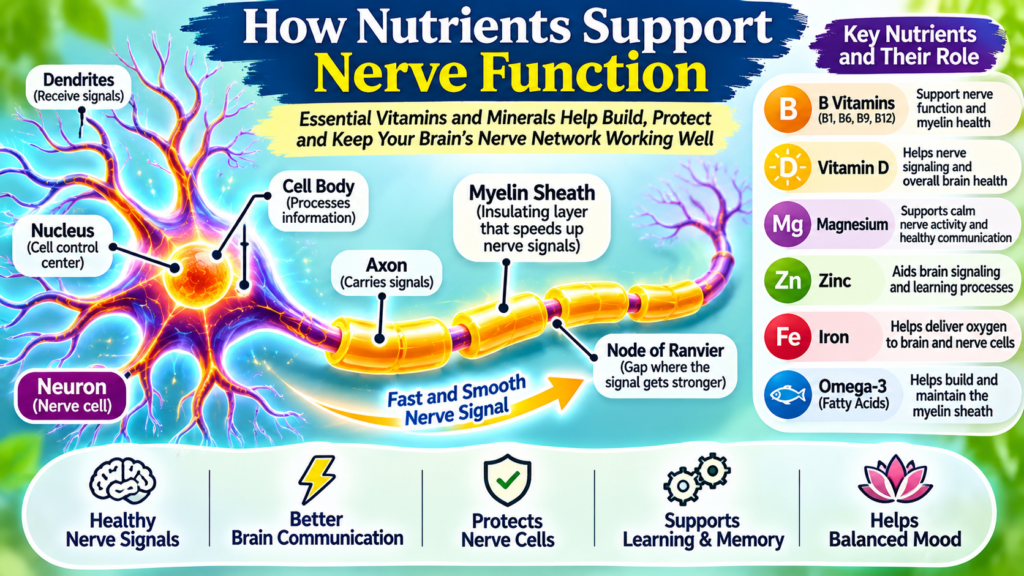
B vitamins share a name, but they are not interchangeable. Thiamine participates in energy metabolism; folate supports DNA synthesis and normal cell division; B12 is needed for normal blood formation and neurological function. Deficiency in one nutrient cannot always be corrected by increasing another.
This is why a broad label such as “B-complex for the brain” tells readers much less than a clear explanation of each nutrient’s role.
People following restrictive diets, older adults, and those with conditions that affect absorption may have different nutritional concerns. A person eating a vegan diet, for example, needs a dependable source of B12 from fortified foods or supplements.
Meanwhile, someone with a digestive absorption disorder may need clinical treatment even when their food choices are nutritious.
3. Minerals for Brain Health and Nerve Function – Important Minerals for Brain Health
| Mineral | Relevant Function | Food Examples |
|---|---|---|
| Iron | Oxygen transport and metabolism | Meat, lentils, beans |
| Magnesium | Enzyme and nerve function | Seeds, nuts, greens |
| Zinc | Enzyme and cell function | Seafood, beans, seeds |
| Iodine | Thyroid hormone production | Iodized salt, dairy, seafood |
| Calcium | Cellular signaling | Dairy, fortified foods, tofu |
| Potassium | Nerve and muscle electrical activity | Beans, potatoes, bananas |
| Sodium | Fluid balance and nerve signaling | Food and salt |
| Copper | Enzyme and nervous-system function | Nuts, seeds, shellfish |
| Selenium | Antioxidant enzymes and thyroid metabolism | Seafood, eggs, some nuts |
Nutrition note:
These minerals support normal biological functions. More is not necessarily better. Excessive intake of certain minerals can be harmful, and supplements should be used according to individual needs and professional guidance.
Magnesium: It supports normal physiology, but claims that supplements cure insomnia, anxiety or brain fog require more evidence.
Iron: Deficiency can cause fatigue, but unnecessary iron supplementation can be harmful.
Mineral balance matters more than chasing one number
Minerals work within carefully regulated systems. Sodium and potassium help cells maintain electrical gradients, while calcium participates in signaling and magnesium supports numerous enzyme reactions.
The body needs appropriate levels, not the largest possible amounts. An electrolyte imbalance can be medically serious, and it is not something to correct casually with concentrated powders or supplements.
People with kidney conditions or those taking medicines that affect potassium, sodium, or fluid balance may need individualized advice.
For these readers, a generic online “mineral boosting” diet can be inappropriate. A practical article should always distinguish ordinary food guidance from a medically prescribed eating plan.
4. Can Nutrient Deficiency Cause Brain Fog?
When researching vitamins and minerals for brain health, it helps to understand that brain fog is a descriptive phrase, not a specific medical diagnosis.
Sleep loss, medications, thyroid problems, mood conditions, blood glucose changes and other illnesses can produce similar difficulties.
If anxiety is also affecting your daily routine, our daily anxiety coping guide offers a separate perspective.
Brain Fog and Nutritional Deficiency
Brain fog is a general description of symptoms such as difficulty concentrating, forgetfulness or mental fatigue. Nutritional deficiencies are one possible contributor, but these symptoms can also have many other medical or lifestyle causes.
| What You Notice | Possible Nutritional Connection | Other Causes to Consider |
|---|---|---|
| Persistent Fatigue | Iron or vitamin B12 deficiency | Sleep, thyroid conditions, other illnesses |
| Difficulty Concentrating | May accompany certain deficiencies | Stress, medication effects, poor sleep |
| Tingling or Numbness | Vitamin B12 deficiency is one possibility | Other neurological conditions |
| Weakness | Several nutritional possibilities | Metabolic, muscle or nerve problems |
| Sudden Confusion | Many possible causes | May require urgent medical assessment |
Medical Safety Note: Symptoms alone cannot confirm a vitamin ormineral deficiency. Persistent or worsening symptoms deserve medical evaluation. Sudden confusion, especially with weakness, speech difficulty or other new neurological symptoms, requires emergency medical assessment.
What to notice before assuming a deficiency
If you experience recurring mental fog, write down when it appears, how long it lasts, and whether it happens alongside missed meals, poor sleep, headaches, dizziness, mood changes, or a new medication.
These observations can make a conversation with a healthcare professional more useful. They cannot identify a deficiency on their own, but they can help clarify the pattern.
For example, difficulty focusing only after a sleepless night suggests a different starting point from persistent tingling, balance changes, and worsening memory.
Both deserve attention, yet neither should be diagnosed by searching a symptom list and choosing a supplement. If symptoms are new, progressive, or interfere with everyday functioning, arrange a clinical review.
5. Brain Healthy Foods for Everyday Nutrition
A balanced diet is more useful than chasing a single “brain superfood.” For readers struggling with emotional stress alongside nutrition concerns, our anxiety survival guide covers supportive coping approaches; nutrition is not a replacement for mental-health care.
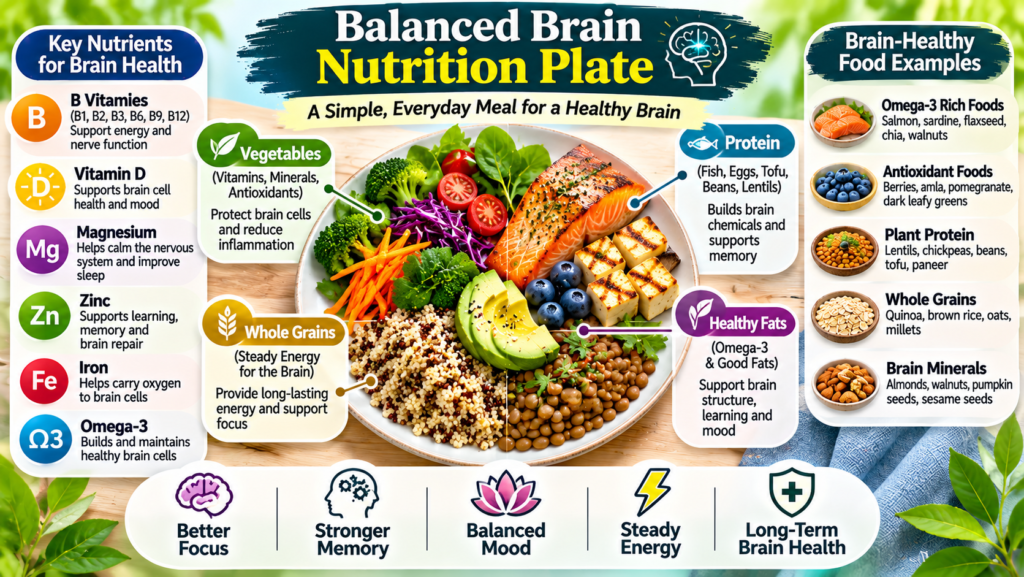
Choosing vitamins and minerals for brain health starts with everyday food variety. Aim for variety across vegetables, fruit, whole grains, legumes, nuts, seeds and appropriate protein sources.
The BBH Everyday Nutrition Plate
🥬 Vegetables and Fruit Color, variety, fiber and micronutrients. | 🌾 Whole Grains Energy and several B vitamins. | 🫘 Protein Foods Beans, eggs, fish, tofu or other suitable options. | 🥜 Healthy Fats Nuts, seeds and suitable oils. |
Illustrative food-group framework, not an individualized meal prescription.
Brain-Supportive Foods: Indian and International Examples
| Nutrient Focus | Indian Examples | International Alternatives |
|---|---|---|
| Folate | Palak, chana, moong | Spinach, lentils, asparagus |
| Iron | Rajma, lentils, meat | Beans, fortified cereals, lean meat |
| Magnesium | Pumpkin seeds, peanuts, dal | Almonds, oats, black beans |
| Vitamin B12 | Eggs, milk, fish, fortified foods | Salmon, yogurt, fortified plant milk |
| Vitamin C | Amla, guava, lemon | Kiwi, oranges, peppers |
| Iodine | Iodized salt | Iodized salt, seafood, dairy |
Nutrition note:
Food choices can be adapted to dietary preferences, availability and individual health needs. Vitamin B12 content in fortified foods varies by product, so check nutrition labels.
Unfortified plant foods are not reliable sources of B12. Vegan diets need dependable fortified foods or supplements.
How to build a more reliable weekly food routine
Instead of trying to eat every “brain superfood” daily, aim for variety across the week. Keep two or three affordable protein options available, rotate vegetables by season, and include fruit or vegetables rich in vitamin C alongside plant-based iron sources when convenient.
Use whole grains and legumes regularly if they fit your dietary needs, and check labels on fortified products rather than assuming every plant milk or cereal contains the same nutrients.
Convenience matters. Frozen vegetables, canned beans with suitable sodium content, plain yogurt, eggs, and shelf-stable whole grains can help people maintain variety when work is demanding.
A sustainable food routine is often more useful than an ambitious meal plan that requires expensive ingredients and extensive preparation.
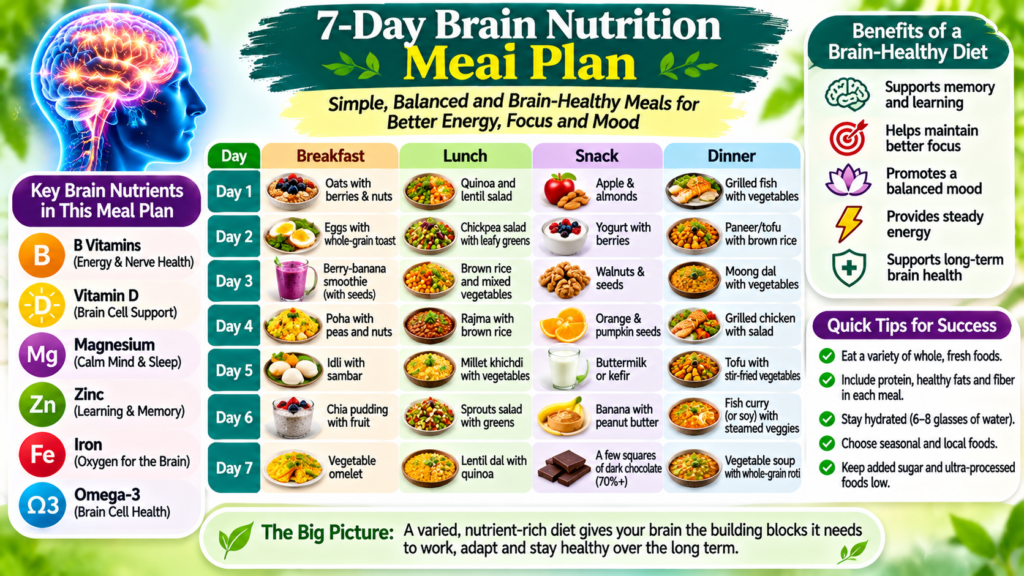
7-Day Brain Nutrition Meal Plan
This illustrative seven-day plan combines whole grains, vegetables, fruit, legumes and protein foods to provide
a variety of nutrients that support normal brain and body function. Adjust portions and ingredients toindividual dietary needs.
| Day | Breakfast | Lunch | Dinner |
|---|---|---|---|
| Mon | Oats, yogurt, berries | Dal, roti, spinach | Fish or tofu, vegetables, rice |
| Tue | Eggs or fortified tofu, toast | Chickpea salad, whole grains | Rajma, rice, vegetables |
| Wed | Fortified cereal, milk or fortified plant milk | Vegetable khichdi, yogurt or alternative | Chicken or tofu, greens |
| Thu | Poha with peanuts and vegetables | Lentils, roti, salad | Salmon or beans, potato, broccoli |
| Fri | Idli and sambar | Chana, rice, cucumber salad | Egg or tofu curry, vegetables |
| Sat | Whole-grain toast, nut butter, fruit | Millet bowl with legumes | Dal, greens, roti |
| Sun | Vegetable omelet or tofu scramble | Rice, beans, vegetables | Fish or lentil patties, salad |
Nutrition note:
This meal plan is an educational example, not an individualized prescription. Portions, snacks and meal timing should reflect personal needs. People managing diabetes, kidney disease, food allergies or other medical conditions may need professional dietary guidance.
How to adapt the seven-day plan
The table below offers combinations, not exact portions. A person’s food requirements depend on age, activity, appetite, health conditions, and other factors. Choose portions that fit individual needs and adjust the pattern with qualified dietary advice when necessary.
If a meal uses fish or eggs and you prefer vegetarian food, consider beans, lentils, tofu, dairy, or fortified alternatives—but check whether the substitution still provides important nutrients such as B12.
Use the plan as a flexible shopping guide. You can repeat an affordable breakfast, cook extra dal for the next day, and exchange one seasonal vegetable for another.
The goal is a manageable pattern that includes food variety, not a perfect seven-day performance. If food access is limited, start with the changes that are realistic for your household.
7. Absorption, Supplements and Safety
For vitamins and minerals for brain health, absorption matters as much as food choice. Eating a nutrient and absorbing enough of it are not always the same.
Vitamin C can improve absorption of plant-based non-heme iron. B12 absorption may be affected by pernicious anemia, gastrointestinal conditions or certain medicines, including metformin.
Absorption and Safety: Practical Nutrition Considerations
Getting enough nutrients is important, but absorption, medications, existing health conditions and supplement
doses can influence nutritional needs. The following considerations can help readers make informed decisions.
| Situation | Practical Consideration |
|---|---|
| Plant-Based Iron | Include vitamin C-rich foods alongside meals to help improve non-heme iron absorption. |
| Vegan Eating Pattern | Use reliable vitamin B12-fortified foods or appropriate supplements to meet B12 needs. |
| Long-Term Metformin | Discuss vitamin B12 status with a healthcare professional when clinically indicated. Do not stop prescribed medication without medical advice. |
| Kidney Disease | Ask a qualified healthcare professional for personalized potassium and phosphorus guidance. |
| High-Dose Vitamin B6 | Excessive supplemental vitamin B6 intake can cause nerve damage, including peripheral neuropathy. |
| Iron Supplements | Do not self-treat unexplained fatigue with high-dose iron. Appropriate assessment can help identify whether iron deficiency is present. |
BBH Safety Reminder: More vitamins and minerals do not necessarily mean better brain health. Supplements may interact with medications or cause harm when taken in excessive amounts. Choose supplements according to individual needs and appropriate professional guidance.
Do you need a multivitamin?
Not automatically. Supplements can be appropriate for confirmed deficiency, dietary restrictions, absorption disorders or other clinical indications.
A “brain support” label is not proof of better memory or concentration. Discuss persistent symptoms and supplement use with a qualified professional.
When a blood test may be more useful than a supplement
There is no single blood test that reliably detects every possible nutritional problem. Clinicians select tests based on symptoms, examination, medical history, diet, and medicines.
For example, a person with possible B12 deficiency may need a different assessment from someone with suspected iron-deficiency anemia. Results also need interpretation in context; an isolated number rarely tells the whole story.
Before an appointment, prepare a list of supplements with doses, prescribed medicines, dietary restrictions, and the timeline of symptoms.
Avoid beginning multiple high-dose products immediately before evaluation unless a clinician advises treatment, because doing so may complicate the clinical picture. Do not delay urgent care while waiting for routine tests.
8. The BBH Practical Nutrition Framework
1 · NOURISH Build varied, regular meals to supply vitamins | 2 · NOTICE Observe persistent symptoms without | 3 · CHECK Discuss symptoms, diet and testing | 4 · ADJUST Make sustainable changes and |
The BBH framework is an educational planning tool, not a clinically validated diagnostic method.
When concentration becomes difficult
It is easy to interpret tiredness or mental fog as a personal failure. Yet concentration is influenced by sleep, stress, medical conditions, medication effects and nutritional status.
Looking at the whole picture is more useful than blaming yourself or assuming that one vitamin is the answer.
Our anxiety story explores the human experience of emotional difficulty, a distinct topic from nutrient deficiency.
How to turn nutrition information into action
Information becomes useful when it changes a decision. After reading a guide like this, choose one small step: include a reliable B12 source if your diet lacks one, add a vegetable to a familiar meal, or make an appointment for persistent symptoms.
Avoid trying to overhaul your diet, buy several supplements, and start a complicated tracking routine on the same day.
Review what worked after a week.
- Did you find meals easier to prepare?
- Were you able to eat more consistently?
- Do you have questions about a symptom that has not improved?
These are meaningful observations, even if your concentration does not change. The aim is better-informed care and a practical eating pattern, not a promise of immediate mental transformation.
People Also Ask: Vitamins and Minerals for Brain Health
1. Which vitamin is most important for brain health?
Answer: No single vitamin is the most important for everyone. Vitamin B12, B6, folate and thiamine all contribute to normal nervous-system or metabolic function. Vitamin B12 is particularly important because deficiency can cause neurological problems. A varied diet and appropriate treatment of confirmed deficiencies are preferable to relying on one vitamin.
2. Can vitamin deficiency cause memory problems?
Answer: Yes. Certain deficiencies, particularly vitamin B12 deficiency, can contribute to memory difficulties and poor concentration. However, sleep problems, stress, medication effects, thyroid disorders and other medical conditions can also affect memory. Persistent symptoms should be evaluated by a healthcare professional.
3. Is magnesium good for the brain?
Answer: Magnesium supports normal nerve signaling, enzyme activity and energy metabolism. Foods such as pumpkin seeds, almonds, beans and leafy greens can help meet magnesium requirements. However, additional magnesium supplements have not been established as a universal way to improve memory or concentration. People with kidney disease should seek medical advice before taking magnesium supplements.
4. What foods support brain function?
Answer: A varied diet containing vegetables, fruit, whole grains, legumes, nuts, seeds and suitable protein foods provides nutrients needed for normal brain function. Examples include dal, palak, chana, oats, eggs, fish, tofu and pumpkin seeds. No individual food guarantees improved memory or prevents neurological disease.
5. Should I take a multivitamin for brain fog?
Answer: A multivitamin is not a proven universal treatment for brain fog. Supplements may help when dietary intake is inadequate or a specific deficiency is identified. Brain fog can also be related to poor sleep, stress, medication effects or medical conditions. Persistent symptoms deserve professional assessment rather than automatic treatment with high-dose supplements.
Frequently Asked Questions About Brain Nutrition
1. Can a healthy diet prevent every deficiency?
Answer: No. A balanced diet helps reduce the risk of many nutritional deficiencies, but it cannot prevent all of them. Some people experience absorption problems, medication-related effects, increased nutrient requirements or medical conditions that affect nutrient levels. Vitamin B12 deficiency, for example, can occur even when someone consumes enough B12 if their body cannot absorb it properly. Persistent symptoms may require medical evaluation and appropriate blood tests.
2. Are vitamin injections better than tablets?
Answer: Not always. Injections are not automatically better than tablets. The most appropriate treatment depends on the specific vitamin, severity of deficiency, absorption problems and medical circumstances. For example, high-dose oral vitamin B12 can work well for many people, while injections may be preferred in certain cases, including some severe neurological presentations. Injections should be used according to professional medical advice rather than assuming they provide faster or better results.
3. Can too many vitamins harm the nervous system?
Answer: Yes. Excessive intake of certain vitamins can damage the body and nervous system. Too much supplemental vitamin B6 can cause peripheral neuropathy, with symptoms such as tingling, numbness or difficulty with balance. Excess vitamin A can also cause toxicity. Taking several supplements containing the same vitamins increases the risk of accidentally exceeding safe amounts. Supplements should be chosen carefully and taken at appropriate doses.
4. Do older adults have different nutrition needs?
Answer: Yes. Aging can affect appetite, digestion, nutrient absorption and nutritional requirements. Older adults may absorb vitamin B12 from natural food sources less efficiently and may need particular attention to vitamin D, calcium, protein and overall dietary quality. Medications and existing health conditions can also affect nutritional status. Individual needs should be assessed rather than assuming every older adult requires the same supplements.
5. How quickly will nutrition improve concentration?
Answer: There is no fixed timeline. If concentration problems are associated with a nutritional deficiency, improvement may take days, weeks or months after appropriate treatment begins. The timing depends on the nutrient involved, severity of deficiency and individual response. Some neurological symptoms may take longer to improve or may not fully resolve. When concentration problems are caused by sleep disorders, stress, medications or other conditions, nutritional changes alone may not solve them.
Continue Your Brain Nutrition Journey
Main Menu: Brain Health Submenu: Vitamins & Minerals
Continue exploring evidence-informed educational resources through BBH Home and Brain Mastery
BBH Support Resources
For additional mental-health education and practical coping information, explore these
BBH resources: Anxiety Survival Guiden & Daily Anxiety Guide
Free BBH Brain Nutrition & Food Tracker
Download a free seven-day printable worksheet to record food variety, daily energy, concentration and questions for your healthcare professional.
7-Day Brain Nutrition & Food Tracker | BBH
This worksheet is an educational observation tool, not a diagnostic test or medical treatment.
Coming Next: Explore Individual Nutrients
- Vitamin B12 Deficiency and Brain Fog
- Vitamin B1 Deficiency Symptoms
- Iron Deficiency and Brain Fog
- Magnesium and Brain Health
These topics are part of the planned BBH Vitamins & Minerals series. Links will be added when the articles are published.
Scientific References
- World Health Organization — Healthy Diet.
- NIH Office of Dietary Supplements — Vitamin B12: Health Professional Fact Sheet.
- NIH Office of Dietary Supplements — Magnesium: Health Professional Fact Sheet.
- Harvard T.H. Chan School of Public Health — What Should I Eat?.
- NICE — Vitamin B12 Deficiency in Over 16s.
Medical Accuracy and YMYL Safety Note
Seek prompt medical care for persistent weakness, progressive numbness, balance problems, or worsening confusion.
Sudden one-sided weakness, facial drooping, difficulty speaking, or severe new confusion may indicate an emergency and require immediate emergency services.
The safest next step depends on the symptoms and the person, not on a universal supplement checklist.