Vitamin A and Brain Health: Benefits and Risks
Vitamin A Benefits: Brain, Vision and Safety

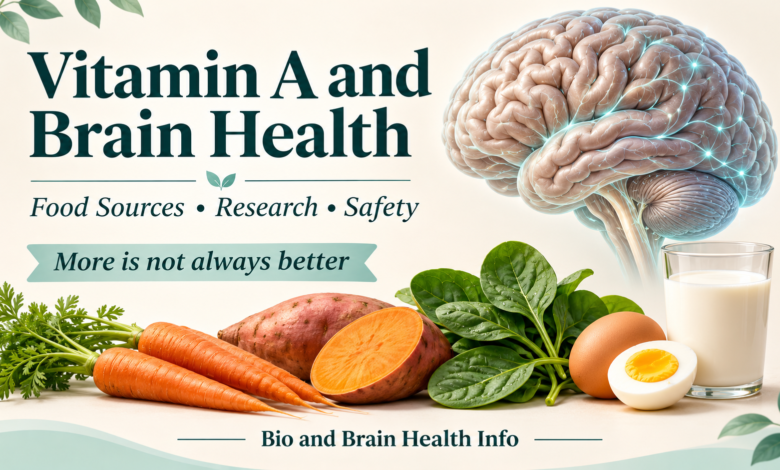
Quick Answer: Does Vitamin A Support Brain Health?
Vitamin A supports normal cellular communication and development. Its active derivative,
retinoic acid, participates in nervous-system signaling.
However, this does not establish that vitamin A supplements improve memory, mood or concentration in people with adequate intake.
Scientific references: NIH — Vitamin A and Carotenoids | Experimental research on retinoic acid signaling
Laboratory findings are not the same as proven treatment benefits in humans. Excessive preformed vitamin A can also cause toxicity.
For the wider nutritional picture, start with our vitamins and minerals for brain health guide. Different nutrients have different functions; one supplement cannot answer every concern about mental clarity.
Retinoic acid and cellular signaling
Vitamin A is a group of fat-soluble compounds. The body converts it into active forms, including retinoic acid. This compound participates in signaling processes that influence cellular activity.
Experimental research has identified a role for retinoic acid in how neurons adjust the strength of their connections. These processes help researchers understand brain function; they do not demonstrate that a vitamin A capsule improves everyday concentration.
What animal studies can—and cannot—tell us
An animal study found that vitamin A deprivation disrupted aspects of hippocampal synaptic plasticity. Replenishment reversed those experimental changes.
These findings support investigation of vitamin A and brain health. They do not establish vitamin A supplementation as a treatment for human memory loss, depression or dementia.
Vitamin A benefits are different from B-vitamin functions
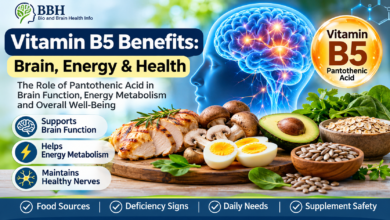
Retinoid signaling is only one part of brain biology. For comparison, our vitamin B5 benefits guide explains coenzyme A and energy metabolism.
Understanding these differences helps you judge supplement claims without assuming that every nutrient works in the same way.

Who may need a closer nutritional assessment?
Risk depends on dietary intake and health circumstances. Conditions that interfere with fat absorption can affect vitamin A status. A clinician considers the full picture rather than diagnosing deficiency from one symptom.
If vision, memory or concentration changes persist, record when they began, how they affect daily life and which supplements you use. Bring that information to a healthcare appointment.
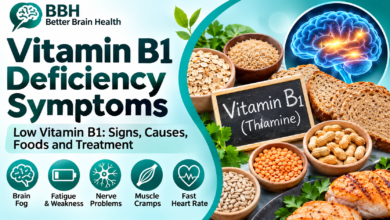
If your main concern is tingling, weakness or reduced appetite, our guide to vitamin B1 deficiency symptoms explains another nutrient-related pattern. Use it for comparison, not to decide which vitamin you are missing.
Does everyone need a vitamin A blood test?
No single symptom determines which test is appropriate. Blood retinol results need clinical interpretation because illness can affect them and blood levels do not always reflect body stores straightforwardly. Discuss your diet, digestive conditions and symptoms with a clinician before requesting a broad panel.
When worry adds another layer
It can be unsettling to read lists of possible deficiencies while already feeling unwell. Instead of matching every sensation to a vitamin, write your main concern in one sentence and decide whom to ask. Psychological support and nutritional assessment answer different questions; neither requires assuming that your symptoms are imaginary.
Foods High in Vitamin A: Understand the Two Forms
Dietary vitamin A comes from preformed vitamin A and provitamin A carotenoids. The body handles these forms differently.
These vitamin A food sources supply either retinol-related compounds or carotenoids; they are related forms, not interchangeable names for the same molecule.
Foods High in Vitamin A: Understand the Two Forms
| Form | Food Examples | What to Understand |
|---|---|---|
| Preformed vitamin A | Eggs, dairy, fish and liver | Includes retinol and retinyl esters. Excessive intake can be harmful. |
| Provitamin A carotenoids | Carrots, sweet potatoes and spinach | The body converts certain carotenoids, including beta-carotene, into vitamin A. |
Scientific reference: NIH Office of Dietary Supplements — Vitamin A and Carotenoids
Simple food-first meal ideas
Vitamin A Food Sources: Simple Meal Ideas
| Meal | Practical Idea |
|---|---|
| Breakfast | Eggs with whole-grain toast |
| Lunch | Dal, rice and cooked leafy vegetables |
| Snack | Carrot sticks with hummus |
| Dinner | Sweet potato with beans or another protein |
Nutrition note: These meal ideas support dietary variety. Vitamin A content depends on ingredients and portions; this is not a personalized meal plan or deficiency treatment.
These examples support dietary variety. They are not a deficiency treatment or a guarantee of a specific vitamin A intake.
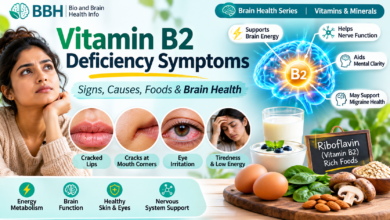
Many meals supply several nutrients together. Our vitamin B2 deficiency and food guide explores riboflavin, while this article focuses on dietary vitamin A. Food variety is easier to sustain when you think in meals rather than separate supplement targets.

Vitamin A Daily Requirements
US vitamin A recommendations use micrograms of retinol activity equivalents (mcg RAE) to account for differences between dietary forms of vitamin A.
| Group | Daily Requirement |
|---|---|
| Adult men, 19+ | 900 mcg RAE |
| Adult women, 19+ | 700 mcg RAE |
| Pregnancy, ages 19–50 | 770 mcg RAE |
| Breastfeeding, ages 19–50 | 1,300 mcg RAE |
Nutrition note: These recommended dietary allowances refer to total daily intake from food and supplements combined.
They are not prescribed supplement doses. Requirements vary by age and life stage; national recommendations may differ.
Scientific reference: NIH Office of Dietary Supplements — Vitamin A and Carotenoids
These are reference intakes for healthy populations, not supplement prescriptions. Recommendations vary by age and national guidance.
Vitamin A Supplement Safety: More Is Not Better
Any discussion of vitamin A and brain health must include the risks of excess. Preformed vitamin A can accumulate in the body. Toxicity can cause symptoms including headache, nausea, dizziness and blurred vision.
Pregnancy requires particular caution
Excessive preformed vitamin A can cause birth defects. NHS guidance advises avoiding supplements containing retinol and cod liver oil during pregnancy. Discuss prenatal products with a qualified professional.
High-dose beta-carotene is not risk-free
High-dose beta-carotene supplements have increased lung cancer risk in trials involving smokers and certain other high-risk groups. These supplements should not be equated with ordinary vegetables.
Before adding another supplement
- Check your multivitamin for vitamin A.
- Review other products, including cod liver oil.
- Record the ingredient form and dose.
- Ask a pharmacist or clinician whether it is appropriate.
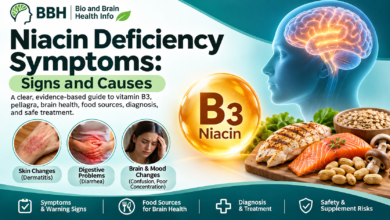
Risks differ between nutrients. Read our niacin deficiency symptoms guide for a separate discussion of vitamin B3. Advice about one vitamin should not be copied automatically to another.
Vitamin A and Brain Health: Evidence Summary
A nutrient’s biological role does not automatically establish a benefit from taking extra supplements.
This table separates established functions from experimental findings and unsupported claims.
| Claim | Evidence Interpretation |
|---|---|
| Vitamin A supports normal cellular functions. | Established nutritional biology. |
| Retinoic acid participates in synaptic signaling. | Supported by experimental research. |
| Extra vitamin A improves everyday memory. | Not established by the experimental studies discussed here. |
| Very high supplement doses are harmless. | Incorrect; excessive preformed vitamin A can cause toxicity. |
Evidence interpretation: These are plain-language summaries, not formal GRADE ratings. Laboratory and animal findings
do not establish treatment benefits in humans.
Scientific references: NIH — Vitamin A and Carotenoids | Experimental research on retinoic acid signaling
These are plain-language evidence descriptions, not formal GRADE ratings.

A Practical Plan for Vitamin A and Brain Health
When you feel mentally slower, the useful first step is to organize information rather than buy several products at once. The following BBH routine is an educational planning tool, not a validated assessment or treatment.
Step 1: Describe the change precisely
Write down whether you are forgetting appointments, struggling to read, losing concentration or having difficulty seeing in dim light. Record when it started and whether it is becoming worse. Specific examples help you explain the concern more clearly than the label “brain fog.”
Step 2: Review food and labels
Note your usual meals without judging them as good or bad. Then copy the ingredient form, amount and serving size from supplements you already use. Do not add doses together across different units without advice. Bring the original labels or clear photographs to a pharmacist or clinician.
Step 3: Choose an appropriate next action
Choose an Appropriate Next Step
| Situation | Useful Next Step | Avoid Assuming |
|---|---|---|
| You want more dietary variety | Plan one manageable change to meals that suits your dietary needs. | That every meal must contain a special superfood. |
| You take several supplements | Ask a pharmacist to review ingredients and overlapping products. | That separate products cannot contain overlapping ingredients. |
| Symptoms persist or worsen | Arrange an appropriate medical assessment. | That a food diary can identify the cause. |
| You develop sudden neurological changes | Seek emergency medical attention. | That trying vitamins first is a safe delay. |
Educational note:
This table helps organize next steps. It cannot diagnose vitamin A deficiency or replace individualized medical advice.
Return to the question of vitamin A and brain health with your actual observations. A useful plan should leave you with a clearer next step, not pressure to purchase a product.
People Also Ask About Vitamin A
Is vitamin A good for the brain?
It has biological roles relevant to nervous-system function. This does not mean additional supplements improve brain performance.
Can vitamin A improve memory?
The experimental findings discussed here do not establish that supplementation improves human memory.
Does brain fog mean vitamin A deficiency?
No. Brain fog is nonspecific and cannot diagnose vitamin A deficiency.
Are carrots a source of vitamin A?
Carrots supply provitamin A carotenoids that the body can convert into vitamin A.
Can too much vitamin A affect the nervous system?
Yes. Toxicity can produce neurological symptoms, including headache and dizziness.
Frequently Asked Questions
Is retinol the same as beta-carotene?
No. Retinol is preformed vitamin A; beta-carotene is a precursor the body can convert.
Should I take vitamin A for poor concentration?
Poor concentration alone is not a reason to start vitamin A supplementation.
Can pregnant people take retinol supplements?
NHS guidance advises avoiding supplements containing retinol during pregnancy. Ask your maternity care professional.
Can a food diary diagnose deficiency?
No. It can organize information for a consultation, but cannot establish vitamin A status.
Does everyone need a vitamin A blood test?
Testing should follow an individual assessment. Blood retinol results also require clinical interpretation.
BBH Support Resource: Free Vitamin A Worksheet
Use our four-page Vitamin A Food & Supplement Safety Tracker to record seven days of meals, copy supplement-label information and preparequestions for a healthcare appointment.
The worksheet includes room for observations and agreed next steps. It does not calculate nutrient status or diagnose vitamin A deficiency.
Download the Free Vitamin A Tracker (PDF)
Need help accessing the worksheet?
Email info@bioandbrainhealthinfo.com with the subject Send Me the Vitamin A Tracker.
For broader educational support, explore BBH Support Resources or begin with BBH Start Here.
How BBH Evaluated the Evidence
This article uses the NIH Office of Dietary Supplements for nutrition, intake and safety guidance. Original experimental studies provide context for retinoic acid signaling. Animal and cellular findings are distinguished from demonstrated human treatment benefits.
Research limitations: This is an educational summary, not a systematic review. It does not establish vitamin A supplements as treatments for memory loss, mood disorders or dementia. Independent clinical review is not claimed.
Medical Safety Note
This article cannot diagnose or treat a deficiency. Seek prompt assessment for new vision problems,
persistent cognitive changes or suspected supplement toxicity.
Sudden confusion, speech difficulty or one-sided weakness requires urgent medical care.
Scientific References
- NIH Office of Dietary Supplements — Vitamin A and Carotenoids: Health Professional Fact Sheet.
- Original experimental research — Synaptic signaling by all-trans retinoic acid in homeostatic synaptic plasticity.
- Original animal research — Vitamin A deprivation results in reversible loss of hippocampal long-term synaptic plasticity.
- NHS — Vitamins, supplements and nutrition in pregnancy.
A BBH Editorial Note
Your concern deserves a clear explanation, not a promise that one capsule will fix everything. For
vitamin A and brain health, the useful goal is adequate nutrition, sensible supplement decisions and timely assessment when something changes.
This is an editorial reflection, not a personal medical testimonial.