Diabetes: Types, Symptoms, Causes and Treatment
What Is Diabetes? Types, Symptoms and Treatment

Thank you for reading this post, don't forget to subscribe!
Diabetes is a group of conditions in which blood glucose (blood sugar) stays too high because the body makes too little insulin, uses insulin less effectively, or both. The main types of diabetes are type 1, type 2 and gestational diabetes. Symptoms can include increased thirst, frequent urination and tiredness, although some people have no obvious symptoms. A healthcare professional can arrange blood tests and help identify the type. CDC diabetes overview.
What is diabetes? Main types of diabetes
Glucose is a fuel that circulates in the blood. It comes from food, and the liver can also release glucose between meals. Insulin is a hormone made by the pancreas. It helps many cells take up glucose and helps control how much glucose the liver releases. When insulin is in short supply or its effects are weaker, more glucose stays in the bloodstream.
| Type | What happens | What care commonly involves |
|---|---|---|
| Type 1 | An autoimmune process damages the cells that make insulin. It can begin in childhood or adulthood. | Insulin replacement and glucose monitoring are essential. |
| Type 2 | The body responds less effectively to insulin and the pancreas may eventually struggle to make enough. | An individual plan may include food and activity changes, medicines, glucose monitoring and sometimes insulin. |
| Gestational | Blood glucose rises during pregnancy and is first identified through pregnancy-specific assessment. | Pregnancy-specific monitoring, nutrition support and medicine when needed. Follow-up after birth checks for ongoing glucose problems. |
Other forms include some inherited types, diabetes related to pancreatic disease, and diabetes associated with certain medicines. Distinguishing among the types of diabetes matters because treatment and follow-up differ. Clinicians may use additional tests when the symptoms and history leave the type uncertain. WHO diabetes overview and ADA classification guidance.
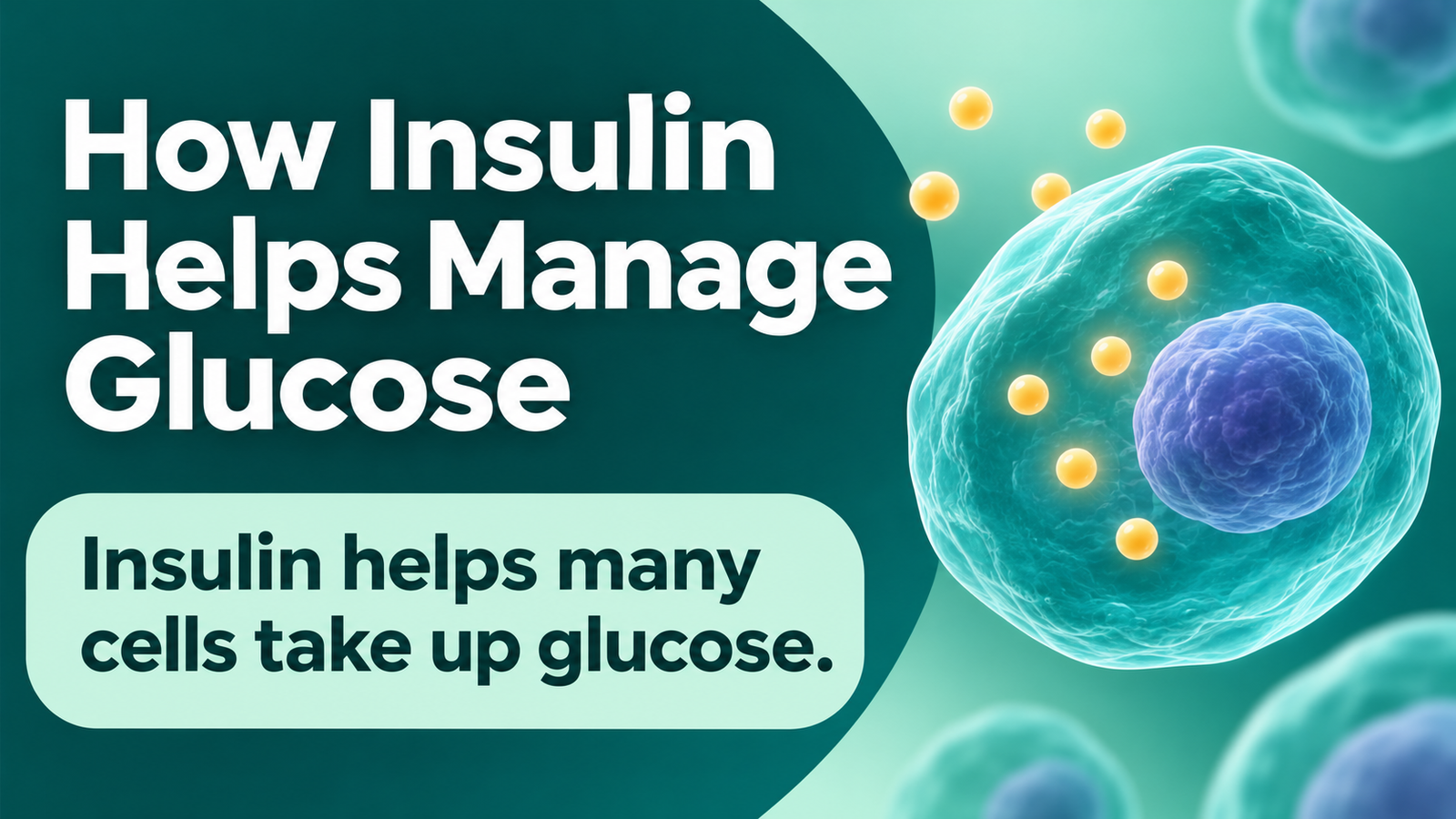
Types of diabetes and the role of insulin
The types of diabetes describe why glucose rises. A person living with type 2 diabetes may eventually take insulin, while another person may start insulin at diagnosis because the clinical picture suggests type 1. The treatment you see someone using gives you only part of the story. A clinician considers the history, how quickly symptoms developed, and whether further testing for the type would change care.
Prediabetes is a separate result category that can help identify people at increased risk of type 2 diabetes. A history of gestational diabetes is also relevant after delivery. If glucose returns to the expected range after pregnancy, ask which follow-up test is recommended and when future screening should happen. Keep that information in your medical history so it is available at your next appointment.
A practical way to compare the types of diabetes is to ask three questions. What is happening with insulin? Which tests can help explain why glucose is high? What follow-up does this person need? These questions keep the focus on decisions that matter. They also help explain why two people with similar glucose readings can need different care plans.
Diabetes symptoms and when to seek help
Common diabetes symptoms include needing to urinate more often, feeling unusually thirsty, unexplained weight loss, fatigue and blurred vision. Increased hunger and recurrent infections can also occur. These symptoms have multiple possible causes. Type 2 diabetes can develop gradually and go unnoticed. Type 1 symptoms may become noticeable quickly, and gestational diabetes often causes few or no symptoms. CDC symptoms guide.
Seek emergency medical help immediately if possible diabetes symptoms occur with fast or deep breathing, fruity-smelling breath, marked drowsiness or confusion, or vomiting that prevents you from keeping fluids down. These can be signs of diabetic ketoacidosis (DKA), which can be the first sign of diabetes. CDC guidance on DKA.
Arrange a medical assessment if you develop persistent thirst, frequent urination or unexplained weight loss. Seek prompt assessment for symptoms that come on quickly, especially in a child or teenager.
Diabetes symptoms that can be easy to miss
Thirst and urination often change together. Notice whether you are drinking more than usual, waking repeatedly to urinate, or experiencing both for several days. When talking to a clinician, explain what changed from your usual pattern and when it started. A short timeline is more informative than a single description such as feeling unwell.
Fatigue and blurred vision can have several explanations. Describe whether the change appeared suddenly or gradually, whether it comes and goes, and whether it affects daily activities. Persistent diabetes symptoms deserve assessment even when the pattern seems mild. Other diabetes symptoms, such as unexplained weight loss, are especially important to mention when they appear alongside thirst or frequent urination.
When looking for diabetes symptoms in children, note whether bedwetting returns after a period of being dry. For an adult with new thirst and weight loss over a short period, describe the full pattern when you seek care. Symptoms that worsen rapidly, especially alongside the emergency signs above, need immediate attention. Use the local emergency service or emergency department when those signs are present.
Causes of diabetes and risk factors
The causes of diabetes vary by type. Type 1 involves the immune system and can develop at any age. Type 2 is influenced by factors such as family history, age, prior gestational diabetes, physical inactivity and excess body weight. Several of these factors can coexist, and people can develop type 2 diabetes across the weight range. During pregnancy, hormonal changes can increase insulin resistance. Gestational diabetes develops when the body cannot make enough insulin to meet that increased demand. CDC diabetes overview and WHO diabetes overview.
Causes of diabetes and factors that affect risk
When readers ask about the causes of diabetes, they may be asking either why it developed or what they can change now. Family history and age help explain part of a person’s risk profile. Activity, nutrition and access to preventive care can also matter. These factors do not establish why an individual developed high glucose, and a clinical conversation can help identify which next step is relevant.
The causes of diabetes vary even within the less common forms. A history of pancreatic illness or medicines that raise glucose can guide the evaluation of less common causes of diabetes. Take a complete list of prescriptions, over-the-counter products and supplements to the appointment. Include recent changes and dates, and ask the prescriber to review any medicine that may be relevant.
If you are reading about causes of diabetes because a close relative was recently diagnosed, ask what type they have if they are comfortable sharing. A family history is more useful when you know the type and approximate age at diagnosis. Your own screening needs also depend on your health history and the guidance used where you live.
How diabetes is diagnosed
How diabetes is diagnosed depends on which laboratory tests are appropriate for the person’s symptoms, pregnancy status and medical history. Diagnostic thresholds help determine whether someone has diabetes. After diagnosis, glucose and HbA1c targets guide ongoing care and are individualized. The following examples apply outside pregnancy. ADA 2026 diagnostic criteria and NIDDK tests and diagnosis.
| Laboratory test | What it tells you | Diabetes threshold in ADA guidance |
|---|---|---|
| HbA1c (A1C) | Estimates average blood glucose over roughly the last two to three months. | 6.5% (48 mmol/mol) or higher. |
| Fasting plasma glucose | Measures blood glucose after at least eight hours without calories. | 126 mg/dL (7.0 mmol/L) or higher. |
| Oral glucose tolerance test | Measures plasma glucose two hours after a standardized 75 g glucose drink. | 200 mg/dL (11.1 mmol/L) or higher. |
| Random plasma glucose | Measures glucose without requiring fasting. | 200 mg/dL (11.1 mmol/L) or higher with classic high blood sugar symptoms or a hyperglycemic crisis. |
Without clear evidence of high blood glucose, diagnosis generally requires two abnormal results using appropriate laboratory tests. Some forms of anemia and hemoglobin variants can affect HbA1c accuracy. How diabetes is diagnosed in pregnancy follows a separate assessment pathway. Bring home readings to your appointment to show patterns. Diagnosis depends on an appropriate clinical assessment and laboratory testing.
Blood glucose may appear in mg/dL or mmol/L. HbA1c may appear as a percentage or in mmol/mol. A glucose result of 7.0 mmol/L and an HbA1c result of 48 mmol/mol measure different things. Copy the number and unit exactly when sharing a result.
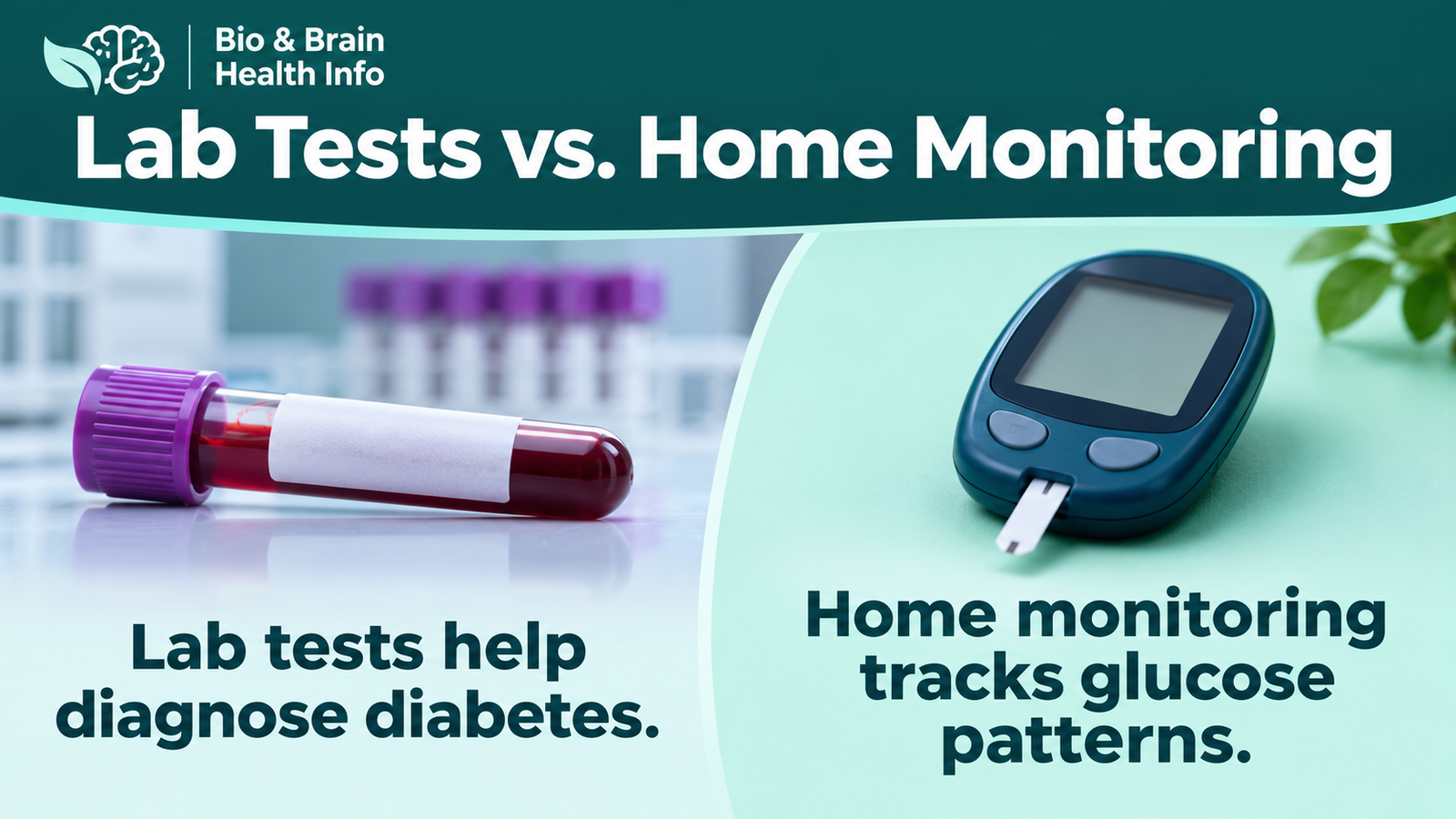
How diabetes is diagnosed when results disagree
A fasting result captures one point in time. HbA1c reflects glucose exposure over a longer period and can be affected by conditions that change red blood cells. If one result is clearly abnormal and the other is below the diagnostic threshold, ask which test needs repeating and whether any part of your medical history makes one result harder to interpret.
How diabetes is diagnosed also depends on why the test was ordered. Testing someone with new thirst and unexplained weight loss is a different clinical situation from routine screening in someone who feels well. Pregnancy screening is another distinct situation. Tell the care team which test you took, whether you were asked to fast, and whether you were ill when the sample was collected.
Ask for the result in writing, including the test name, date and unit. Keep it alongside earlier results so your clinician can compare like with like. If you are looking up how diabetes is diagnosed after seeing a number online, first check whether the number refers to fasting plasma glucose, a result after a glucose drink, or HbA1c. Each answers a different question.
Diabetes treatment and long-term care
Plans for the different types of diabetes depend on the diagnosis, other health conditions, pregnancy status and personal needs. Type 1 requires insulin. Type 2 diabetes treatment can include nutrition support, physical activity and medicines selected with a clinician. Heart or kidney disease, the risk of low blood sugar and access to medicines can affect those choices. Gestational diabetes treatment involves monitoring and pregnancy-specific support, with medication when needed. Mayo Clinic diagnosis and treatment and NHS diabetes overview.
Long-term care also addresses the risk of complications. Depending on the type and duration of diabetes, follow-up may include blood pressure and cholesterol checks, kidney tests, eye screening and foot checks. Ask your care team which checks apply and how often you need them. Talk with the team before changing prescribed medicines or insulin.
Diabetes treatment and the purpose of follow-up
Ask your clinician to explain what each part of diabetes treatment is intended to achieve. One part may help manage glucose. Another may address cardiovascular risk or support kidney health. When you understand the purpose of each medicine, check or referral, it is easier to bring up side effects, costs or practical problems before they interfere with care.
A diabetes treatment plan should fit daily life. Tell the care team if shift work, difficulty obtaining supplies, changes in appetite or care responsibilities make the current plan hard to follow. Ask who to contact while waiting for a routine appointment and how to prepare for illness or travel. People using insulin or other medicines that can cause low blood sugar should ask for clear instructions about recognizing and responding to it.
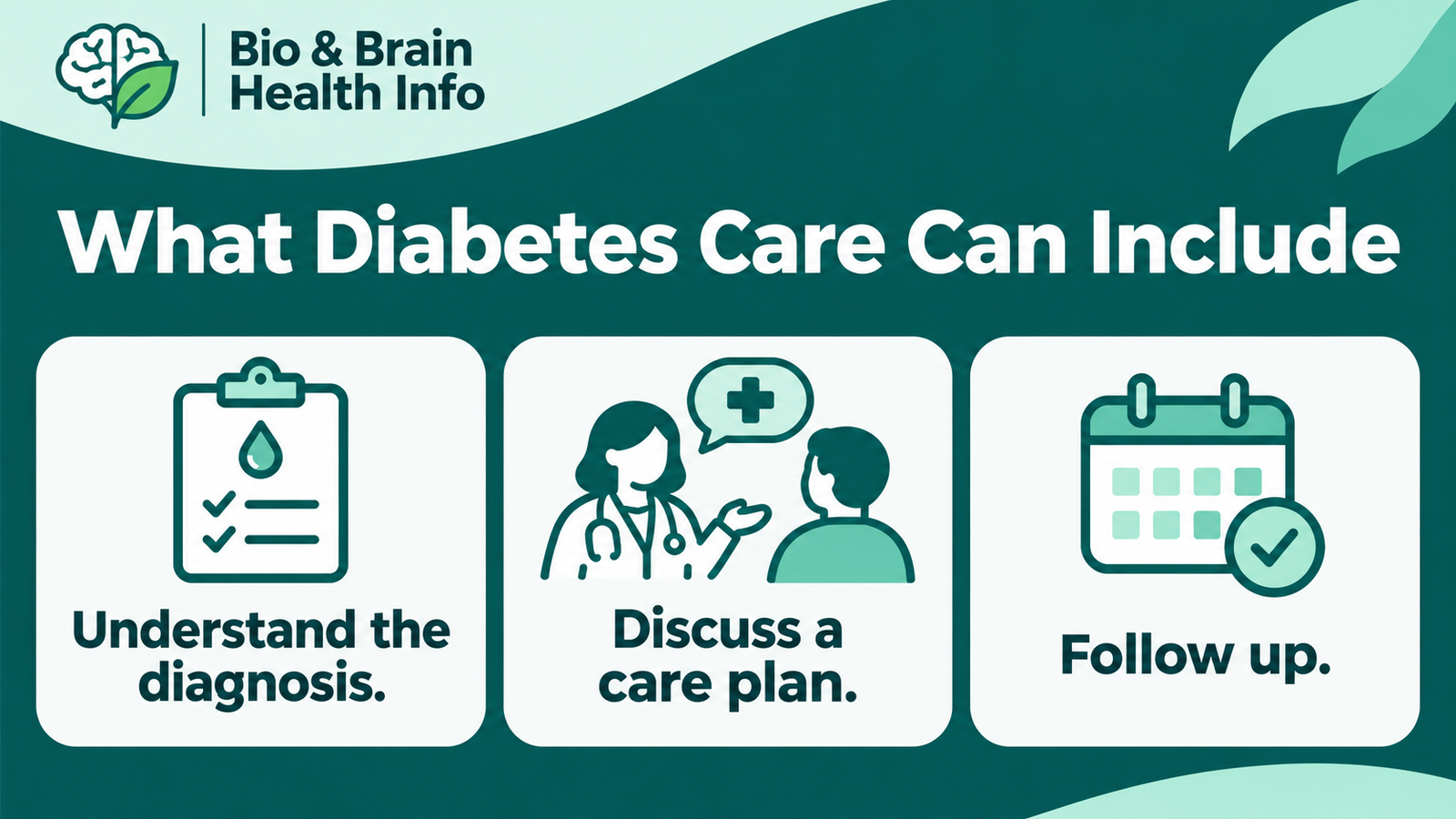
At follow-up, ask how the team will judge whether diabetes treatment is meeting your goals. You may review laboratory results, patterns from monitoring when indicated, symptoms, side effects and any issues with access. Write down the next test date and the name of the person or service to contact if questions arise.
What to bring to a diabetes appointment
If you are seeking testing or reviewing recent results, bring a short record. Include when symptoms began, any change in weight, a current medication list and any glucose results you already have. For a home reading, record the date, time, unit and whether it was fasting or how long after eating it was taken. If a clinician asked you to monitor, follow their instructions on when to check.
Useful questions include “Which test do I need?”, “Does this result need to be confirmed?”, “Does the result tell us what type of diabetes I have?” and “What follow-up should I book?” If you already have diabetes, ask which symptoms or readings should prompt a call to your care team and what instructions to follow when you are ill.
For related BBH reading, explore the Brain Health hub, the B12 and brain fog guide, the folate deficiency guide and the B6 and brain health guide. These cover separate health topics and can help you prepare questions about symptoms or supplements. For general site resources, visit BBH Support.
Bring the questions that affect you most. If the appointment is short, start with what prompted the visit and whether anything is getting worse. Before you leave, confirm how you will receive results, whether you need a repeat test and when you should seek help while waiting.
BBH Support Resource — Free Diabetes PDF
Diabetes Appointment Planner
Use this free, two-page fillable and printable worksheet to organize symptoms, medicines, glucose results, questions and follow-up steps for your healthcare appointment.
Frequently asked questions
Can you have diabetes without symptoms? Yes. Type 2 and gestational diabetes can be present with few or no noticeable symptoms. A healthcare professional can advise whether you should be tested. CDC symptoms guide.
Is prediabetes the same as diabetes? Prediabetes means blood glucose is higher than expected but below the threshold for diabetes. It increases the risk of type 2 diabetes. A clinician can explain the result, help identify practical prevention steps and advise when to repeat testing. NIDDK tests and diagnosis.
Can adults develop type 1 diabetes? Yes. Type 1 can develop at any age. Age alone cannot distinguish the types of diabetes, and clinical evaluation can include additional tests when the type is unclear. ADA classification guidance.
Does one high glucose reading mean I have diabetes? A single high home reading can be useful information for your care team. How diabetes is diagnosed depends on laboratory results and clinical context. If you have severe symptoms such as vomiting, deep breathing or confusion, seek urgent help regardless of whether you have measured your glucose. NIDDK tests and diagnosis.
Medical references
- American Diabetes Association. Diagnosis and Classification of Diabetes, Standards of Care in Diabetes—2026
- NIDDK. Diabetes Tests & Diagnosis
- CDC. Diabetes Basics
- CDC. Symptoms of Diabetes
- CDC. Diabetic Ketoacidosis
- NHS. Diabetes
- Public Health Agency of Canada. Diabetes Overview
- World Health Organization. Diabetes
- Mayo Clinic. Diabetes Diagnosis and Treatment
Medical Safety & Editorial Disclaimer
Medical safety note. This guide provides general health education. A qualified healthcare professional can interpret your results and advise on your care. Follow your care team’s instructions about glucose monitoring and prescribed medicines.
Publisher: Bio and Brain Health Info (BBH)
Planned category: Physical Health → Diabetes & Blood Sugar