Type 2 Diabetes: Symptoms, Causes and Treatment
Type 2 Diabetes: Signs, Tests & Care

Bio & Brain Health Info · Diabetes Education
Thank you for reading this post, don't forget to subscribe!Type 2 Diabetes: Symptoms, Causes and Treatment
If you are looking for clear answers about type 2 diabetes, this guide walks through the early signs, the tests doctors use, what current research says about treatment and remission, and practical ways to protect both physical and emotional health.
Quick Answer: What Is Type 2 Diabetes?
If you have recently heard the words “type 2 diabetes,” it is natural to have questions. In simple terms, the body is finding it harder to use insulin effectively, and the pancreas may not make enough insulin to keep blood glucose in its usual range. This can happen gradually, sometimes without noticeable symptoms. Laboratory tests help confirm the diagnosis. The encouraging point is that there are several well-studied ways to manage the condition, from food and movement to medicines and regular care for the heart, kidneys and emotional health. The most appropriate combination is personal, not one-size-fits-all.
Key Takeaways
There are five things worth remembering. First, thirst, frequent urination and tiredness can be clues, although type 2 diabetes can also develop silently. Second, insulin resistance is only part of the story: insulin production and inherited risk matter too. Third, a proper diagnosis relies on laboratory testing rather than one home meter reading. Fourth, modern treatment considers the heart, kidneys and quality of life alongside glucose. Finally, support and follow-up remain important even when someone feels well.
What Happens Inside the Body?
It helps to picture insulin as a signal that allows the body’s cells to make use of glucose from food. After a meal, glucose enters the blood and the pancreas releases insulin. With insulin resistance, muscles and other tissues respond less strongly to that signal. The pancreas may initially make more insulin to compensate, but over time it may no longer keep up. Glucose can then build up in the bloodstream. The liver’s glucose production also contributes. This is a gradual biological process, not evidence that someone simply lacked discipline.
Type 2 Diabetes Symptoms: Early Signs
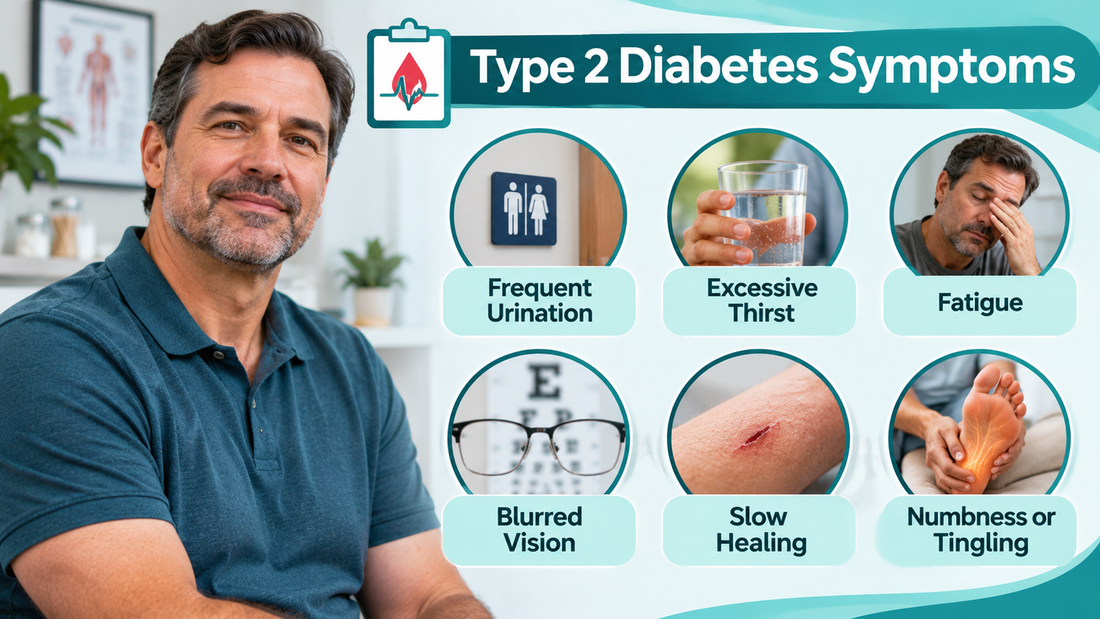
One reason type 2 diabetes is easy to miss is that it does not always announce itself. Someone may notice thirst, more frequent trips to the bathroom, tiredness, blurry vision or cuts that take longer to heal. Another person may feel completely well and only learn about high glucose during a routine test. Thirst and urination can occur when excess glucose draws additional water into urine. These symptoms have other possible explanations too, so a blood test is important rather than self-diagnosis.
Can type 2 diabetes develop without symptoms?
Yes. People may live with elevated glucose for years without recognizing a clear change. Screening based on age and individual risk helps identify diabetes or prediabetes before significant symptoms develop. The absence of thirst or weight loss does not establish that glucose is normal. Conversely, thirst alone does not prove diabetes. Discuss appropriate laboratory testing with a clinician rather than waiting for a dramatic symptom.
When symptoms suggest an emergency
Seek emergency medical care for confusion, fainting, profound drowsiness, difficulty breathing, severe dehydration, persistent vomiting, or a combination of marked thirst, weakness and very high glucose. Hyperosmolar hyperglycemic state can cause dangerous dehydration and altered consciousness. Diabetic ketoacidosis, although more typical of type 1 diabetes, can also occur in type 2 diabetes, including sometimes in people taking SGLT2 inhibitors. Nausea, abdominal pain, rapid breathing and unusual fruity breath may be warning signs. Some people taking SGLT2 medicines can develop ketoacidosis without extremely high glucose. Never wait for an article or home tracker to confirm an emergency.
Type 2 Diabetes Causes and Risk Factors
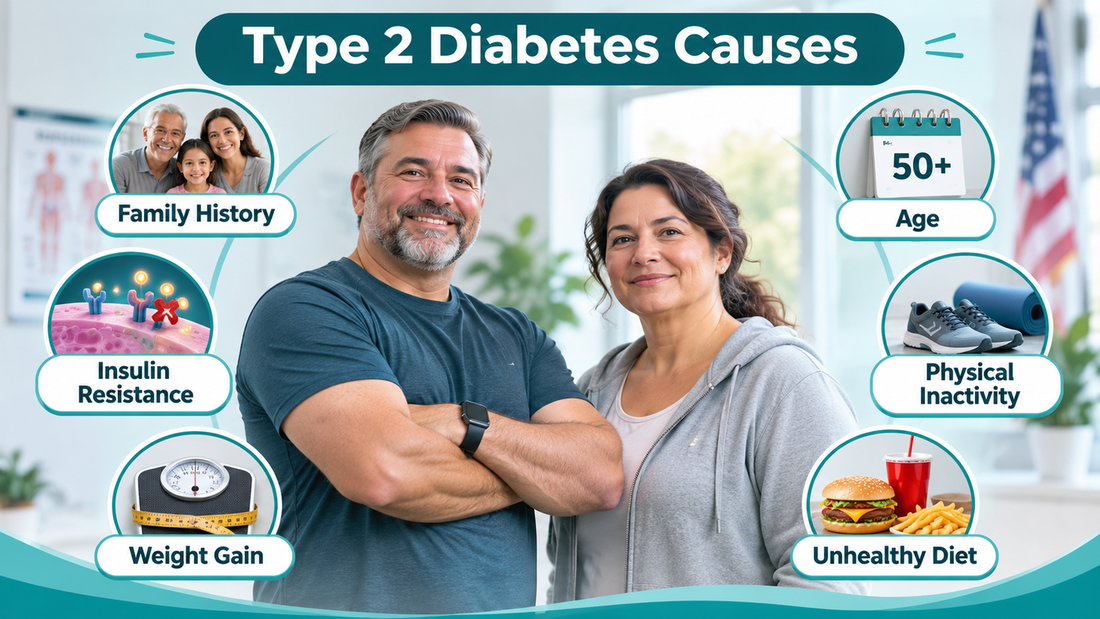
There is no single moment or one food that explains why someone develops type 2 diabetes. Research points instead to several interacting factors: inherited tendencies, how the body responds to insulin, how much insulin the pancreas can produce, activity patterns, age and body-fat distribution. Having more abdominal fat can increase risk, but people without overweight can develop diabetes as well. This distinction matters because useful health information should guide action, not encourage blame.
Does sugar alone cause type 2 diabetes?
No single food directly explains every case. Overall dietary patterns, excess energy intake in some circumstances, family history, adiposity, physical activity and metabolic biology all influence risk. Sugar-sweetened drinks can make it easier to consume excess calories and are associated with increased diabetes risk, but replacing one ingredient is not a guaranteed prevention or cure. A sustainable eating pattern is more useful than trying to identify one food to blame.
Is Type 2 Diabetes Genetic? Family History and Inherited Risk
A common question is, “If diabetes runs in my family, will I get it too?” The answer is no: family history raises risk, but it does not decide the future. Genes can influence insulin production and sensitivity, while sleep, age, activity, some medicines and other health conditions also contribute. Someone with a parent or sibling who has diabetes may benefit from discussing screening with a clinician, even if they currently feel healthy.
What should someone with a family history do?
Tell a health professional which close relatives have diabetes and approximately when they were diagnosed. Ask when screening is appropriate, especially if other risk factors are present, such as a history of gestational diabetes, high blood pressure or polycystic ovary syndrome. Screening decisions are individual. A home glucose meter or an online genetic risk calculator cannot replace clinical testing. Nutritional improvements and regular movement may help reduce risk, although they do not remove inherited susceptibility.
Evidence: NIDDK — Risk Factors for Type 2 Diabetes.
Type 2 Diabetes Diagnosis: Tests and Results
Blood-test results can look intimidating at first, particularly when one clinic uses mg/dL and another uses mmol/L. The important point is to understand what each test measures. HbA1c estimates average glucose exposure over roughly two to three months, while fasting plasma glucose captures a particular moment after a period without calories. An oral glucose tolerance test looks at the body’s response to a measured glucose drink. Clinicians interpret these results in context; certain conditions can make HbA1c less reliable, and confirmation may be needed when symptoms are absent.
| Test | Diabetes threshold* | What it measures |
|---|---|---|
| HbA1c | ≥6.5% (48 mmol/mol) | Approx. 2–3 month glucose exposure |
| Fasting plasma glucose | ≥126 mg/dL (7.0 mmol/L) | Glucose after ≥8 h fasting |
| 2-hour OGTT | ≥200 mg/dL (11.1 mmol/L) | Response to 75 g glucose |
| Random plasma glucose | ≥200 mg/dL (11.1 mmol/L) with classic symptoms/crisis | Glucose at a given time |
*ADA 2026 diagnostic criteria for nonpregnant individuals. Confirmation generally required absent unequivocal hyperglycaemia. These are NOT daily glucose targets.
Diabetes diagnostic thresholds (nonpregnant adults)
HbA1c at or above 6.5% (48 mmol/mol), fasting plasma glucose at or above 126 mg/dL (7.0 mmol/L), or a two-hour value at or above 200 mg/dL (11.1 mmol/L) on a 75-gram oral glucose tolerance test meets ADA diagnostic criteria when confirmed as appropriate. Random plasma glucose at or above 200 mg/dL (11.1 mmol/L) alongside classic symptoms or crisis can also establish the diagnosis. These are diagnostic thresholds, not personal daily treatment targets. Testing practices, definitions and pathways may vary by country; interpretation should be clinical.
Understanding mg/dL, mmol/L, HbA1c and mmol/mol
In the United States, finger-stick glucose is commonly expressed in mg/dL. In the UK, Canada and Australia it is commonly expressed in mmol/L. For glucose, dividing mg/dL by about 18 gives mmol/L; multiplying mmol/L by about 18 gives mg/dL. HbA1c uses a different conversion: 6.5% corresponds to approximately 48 mmol/mol. Do not apply the glucose conversion factor to HbA1c. Keep both the result and unit on any personal record so that clinicians in different countries can read it correctly.
Type 2 Diabetes Treatment: A Whole-Health Plan
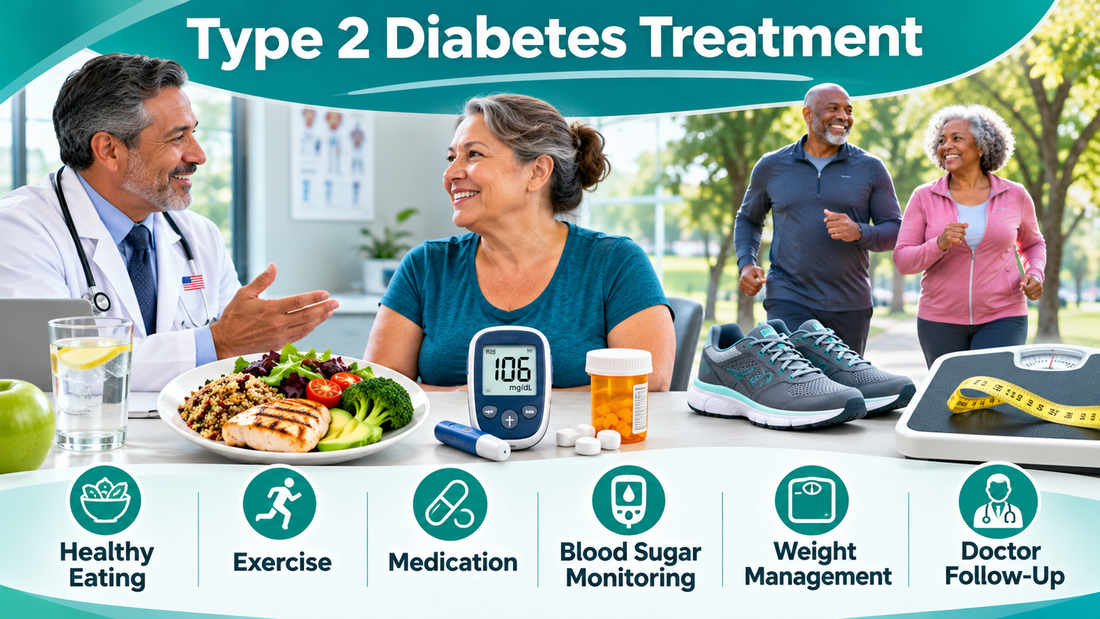
People sometimes assume diabetes treatment means avoiding sweets and watching a glucose number. Modern evidence offers a broader picture. The aim is to help someone feel and function well while lowering risks to their eyes, nerves, kidneys, heart and blood vessels. Depending on the person, that may include food and activity changes, glucose monitoring, medication, education and regular checks. Some medicines also offer heart or kidney benefits for eligible patients. Treatment choices need to consider affordability, side effects, other illnesses and personal priorities.
Metformin and other glucose-lowering medicines
Metformin reduces glucose production by the liver and improves glucose handling. It remains a commonly prescribed option, but is not the only initial treatment in every setting. Gastrointestinal side effects and kidney function are relevant to its use, and long-term therapy can sometimes contribute to low vitamin B12 levels. SGLT2 inhibitors increase urinary glucose excretion; certain agents provide heart or kidney benefits in specific clinical groups. They also carry risks such as genital infections, dehydration and rare ketoacidosis, so people should understand sick-day advice from their own care team. GLP-1 receptor agonists and related therapies may help glucose regulation and weight management and can improve certain cardiovascular outcomes; tolerability and eligibility vary. Sulfonylureas may lower glucose effectively but can cause hypoglycaemia. Treatment choices must reflect local guidance and access.
When is insulin needed for type 2 diabetes?
Insulin may be appropriate when marked hyperglycaemia, weight loss, ketosis or other circumstances demand more rapid glucose control, or when other therapies do not meet individualized goals. It is not a sign of personal failure. Some people need insulin temporarily, while others require longer-term treatment. Insulin dosing and timing should be taught by a qualified professional because errors can lead to dangerous hypoglycaemia. If someone using insulin becomes unwell, their team should provide specific sick-day instructions. Never alter prescribed insulin doses using a general website chart.
Daily Food Choices Without an Extreme Diet
A diabetes-friendly meal does not need to be joyless or completely different from the food a family already enjoys. Vegetables, beans, whole grains, fruit, protein foods, nuts and dairy or suitable alternatives can all have a place. What matters is the overall pattern, portion sizes and how carbohydrate-containing foods fit into the person’s treatment plan. A practical visual starting point is half a plate of non-starchy vegetables, one quarter protein and one quarter carbohydrate-rich foods, adjusted to individual needs. There is no single menu that suits everyone.
What about fasting, skipping meals or very-low-carbohydrate diets?
These approaches may not be safe for everyone. Skipping meals while taking insulin or sulfonylureas can cause low glucose; dehydration may matter with certain medicines. Some people find carbohydrate modification helpful, but extreme restriction can complicate nutrition and medication use. Discuss any major dietary change with the care team, particularly if glucose-lowering medication is prescribed. A sustainable plan that accommodates culture, budget, work schedules and personal preference is often more achievable than a highly restrictive short-term diet.
Which Vitamins and Minerals Support Health With Type 2 Diabetes?
It is understandable to wonder whether a particular vitamin could make blood sugar easier to manage. The evidence is more limited than many supplement advertisements suggest. Vitamins and minerals are essential for general health, but extra supplements do not replace established diabetes treatment, and routine supplementation just to lower glucose is not recommended without a specific indication. One important exception to discuss is vitamin B12: long-term metformin use can contribute to deficiency in some people. Nutrition, symptoms and medication history should guide whether testing is useful.
| Nutrient | Food sources | What to discuss with a clinician |
|---|---|---|
| Vitamin B12 | Fish, eggs, dairy and fortified foods | Long-term metformin use can increase B12 deficiency risk; ask about testing if anemia, tingling, fatigue or neuropathy symptoms occur. |
| Vitamin D and calcium | Fortified foods, dairy or alternatives, fish | Assess bone health and individual deficiency risk; routine high-dose vitamin D is not a diabetes treatment. |
| Magnesium | Beans, nuts, seeds and whole grains | Deficiency may need assessment, but extra magnesium is not routinely indicated to lower glucose. |
| Potassium | Vegetables, legumes and some fruits | Kidney disease or certain blood-pressure medicines can make potassium supplements unsafe. |
| Folate and other B vitamins | Leafy vegetables, pulses and fortified grains | Usually best obtained through food; consider testing or supplements only for specific medical indications. |
A practical, flexible one-day meal example
Breakfast: plain yogurt or an unsweetened alternative with berries, nuts and a modest portion of oats. Lunch: a plate with half non-starchy vegetables, one-quarter fish, chicken or tofu, and one-quarter brown rice or another carbohydrate food. Dinner: lentils or beans with vegetables and a portion of whole grain, adjusted for carbohydrate needs. Optional snack: a piece of fruit with unsalted nuts, when appropriate. Water or an unsweetened drink can replace sugary beverages.
These are examples rather than a prescribed diet. Beans, milk, yogurt and fruit also contain carbohydrate. Food amounts, meal timing and snacks must reflect medication, activity, finances and personal preferences. A registered dietitian can help adapt familiar foods in the USA, UK, Canada or Australia; there is no universal diabetes menu. People taking insulin or medicines that cause hypoglycemia should discuss major dietary or fasting changes with their care team.
Sources: CDC diabetes meal planning; ADA Standards 2026 — nutrition and well-being; ADA Standards 2026 — medications and B12.
Exercise, Sleep, Stress and Everyday Care
Lifestyle advice is most useful when it fits a real life. A short walk after a meal may be more achievable than suddenly planning an hour of exercise every day. Movement helps muscles use glucose and supports heart health, while regular sleep and manageable routines can make self-care easier. Many adults aim for at least 150 minutes of moderate activity a week, but starting level and medical complications matter. Someone with significant eye, nerve or heart problems may need tailored exercise guidance.
How Type 2 Diabetes Affects Mental Health, Stress and Sleep
Blood sugar is not the only thing a person manages after a diabetes diagnosis. There are appointments to arrange, medicines to remember, foods to think about and sometimes worries about future health or cost. That ongoing pressure has a name: diabetes distress. It is different from depression, although anxiety and depression can also occur and deserve attention. Stress hormones may influence glucose, and stress can change sleep, eating and daily routines. Asking for support is part of good diabetes care, not a sign of failure.diabetes distress—emotional strain specifically related to living with and managing diabetes. Diabetes distress is not identical to clinical depression. People with type 2 diabetes may also experience depression or anxiety, both of which deserve proper assessment rather than being dismissed as a lack of willpower.
Can stress raise blood sugar?
Stress responses involve hormones such as cortisol and adrenaline, which may affect glucose levels. Stress may also alter eating, sleep, medication routines and physical activity. The response differs from person to person, and a single unexpectedly high reading does not establish that stress was the cause. If glucose readings change persistently, a clinician should review the pattern and potential medical causes.
What supports emotional well-being?
Short walks when safe, consistent sleep opportunities, practical social support, relaxation exercises and manageable routines may help some people cope. Diabetes self-management education can reduce confusion around monitoring and medicines. A person experiencing persistent sadness, loss of interest, panic, overwhelming fear of low glucose or exhaustion from daily diabetes tasks should discuss these concerns with their care team. Mental-health treatment can be an appropriate component of diabetes treatment, not an optional luxury.
The ADA 2026 Standards recommend incorporating psychosocial care into routine diabetes services and screening for relevant difficulties. This is a reason to seek support, not to label every emotional response as a disorder.
Preventing Complications: More Than Blood Sugar
Hearing about diabetes complications can be frightening, but this information has a practical purpose: many problems are easier to address when detected early. Healthcare teams look beyond glucose to blood pressure, cholesterol, kidney function, urine albumin, eye health and feet. If nerves are affected, a small blister may be harder to notice, which is why foot checks matter. Regular prevention and appropriate treatment help reduce risk; nobody can promise that complications will never occur.
Can Type 2 Diabetes Go Into Remission?
Remission is one of the most hopeful findings in modern type 2 diabetes research, but it needs careful explanation. Some people, often after substantial sustained weight loss through supervised programmes or metabolic surgery, reach an HbA1c below 6.5% for at least three months without glucose-lowering medication. This is called remission, not a permanent cure. Glucose can rise again, so follow-up remains essential. No one should stop prescribed medicines or start an intensive diet merely to see whether remission is possible.
Can You Stay Healthy for Decades With Type 2 Diabetes?
A diagnosis does not mean that future complications are inevitable. Many people live active lives for years with type 2 diabetes, including people who continue to need medication. Remission may be one goal for some, but successful care also means protecting the heart, kidneys, vision and feet, and making daily management sustainable. Blood pressure, cholesterol, sleep, emotional well-being and access to medical care deserve attention alongside blood sugar.
What does remission mean—and can diabetes return?
International consensus generally defines remission as HbA1c below 6.5% (48 mmol/mol) for at least three months without glucose-lowering medication. Some people attain remission after substantial sustained weight loss through structured programmes or metabolic surgery, but the chance depends on individual circumstances. In the DiRECT trial, remission occurred in some participants following a supervised intensive weight-management intervention. At five years, 11 of 85 participants in its continuing-support extension group were in remission. Those selected study results cannot be used to predict one person’s odds.
Remission does not mean cure: glucose may rise again, and health monitoring should continue. Never stop prescribed medication or undertake a very-low-calorie programme without professional advice. Treatment plans should also consider the risks of low glucose and other medical conditions.
A practical long-term protection checklist
- Agree on an individualized glucose or HbA1c goal and monitoring schedule.
- Ask for regular blood pressure, cholesterol and kidney assessments.
- Attend recommended eye and foot examinations.
- Review medications, side effects and B12 testing if taking metformin.
- Seek help for persistent stress, depression, sleep difficulties or diabetes burnout.
- Update the care plan when work, financial circumstances, weight or health status changes.
Evidence: DiRECT five-year follow-up, 2024; ADA Standards 2026.
BBH Practical Tool: Prepare for Your Diabetes Appointment
A medical visit becomes more useful when the questions are ready beforehand. It can help to write down any symptoms, glucose readings with their units and times, current medicines and supplements, typical meals, activity and concerns about side effects or cost. Then ask which tests are appropriate, what your personal HbA1c goal should be, and how often kidney, eye and foot checks are needed. You do not need to arrive with perfect records; a few accurate notes are often enough to begin a helpful conversation.
Free 7-Day Type 2 Diabetes Glucose & Wellness Tracker
Keeping a short record of glucose readings, meals, activity, mood and questions can make your next healthcare appointment more productive. This printable worksheet is designed for personal observation, not diagnosis or medication adjustment. Record glucose units and timing, and follow your clinician’s individual monitoring plan.
Download the Free 7-Day Diabetes Tracker (PDF)
Educational resource only. Do not change insulin, medication doses or meal plans based on this tracker without professional advice.
Frequently Asked Questions
The questions below address common reader concerns. They do not replace individualized advice.
What are the first signs of type 2 diabetes?
Frequent urination, thirst and fatigue are common, but there may be no early symptoms. A laboratory test is needed to check for diabetes.
Can a thin person develop type 2 diabetes?
Yes. Genetics, body-fat distribution and insulin production contribute to risk even without a high body mass index.
Is type 2 diabetes reversible?
Some people achieve remission, defined by sustained glucose results below the diabetes diagnostic range without glucose-lowering medication. Continued follow-up is needed.
Does every person with type 2 diabetes need insulin?
No. Treatment is individualized. Insulin may be necessary in some circumstances, including severe hyperglycaemia.
Can I diagnose diabetes with a home glucose meter?
No. A home meter helps with monitoring but clinical diagnosis generally relies on laboratory testing.
Which number matters more, fasting glucose or HbA1c?
They answer different questions. A clinician may use either or both, depending on circumstances and test limitations.
Can type 2 diabetes be cured with herbal supplements?
There is no reliable evidence that a supplement cures the disease. Some products interact with medicines or have safety risks.
What should I do if I miss a diabetes medication dose?
Follow the medication-specific instructions provided by your pharmacist or prescriber. Do not double a dose without professional advice.
Questions About Follow-Up and Personal Targets
What is a good glucose target? There is no single ideal result for every person. Some adults benefit from tighter control, while people with recurrent low glucose, advanced illness or substantial treatment burden may need less stringent goals. A healthcare professional should interpret HbA1c alongside glucose patterns, symptoms and other conditions. Ask whether a change in medication is needed because of the actual pattern rather than one isolated reading.
How often should reviews happen? The answer depends on how recently diabetes was diagnosed, whether treatment is changing and whether kidney, eye or cardiovascular concerns are present. Regular reviews are opportunities to discuss medication access, food security, safe activity, sleep and emotional distress. Record any episodes of suspected low glucose, including timing and treatment, and inform your care team. Personalized action plans should explain what to do during illness, when to call for advice and when to seek urgent help.
Conclusion
Living with type 2 diabetes can involve uncertainty, especially at the beginning. There is no need to understand every test or treatment in a single day. A sensible first step is to confirm the diagnosis, learn what the numbers mean and make a care plan that fits your health and circumstances. Small, repeatable habits can help, but so can appropriate medication, regular screening and emotional support. The larger goal is not perfection; it is protecting long-term health while maintaining a life that feels manageable.
References and Further Reading
- ADA: Diagnosis and Classification, Standards of Care 2026
- ADA/EASD: Management of Type 2 Diabetes, 2026 consensus
- ADA: Pharmacologic Approaches, Standards of Care 2026
- CDC: Type 2 Diabetes
- NHS: Symptoms and diagnosis
- NHS: Treatment
- Australia healthdirect: Type 2 diabetes
- Diabetes Canada: Clinical practice guidelines