Relationship
Relationship experiences can shape emotional safety, self-worth, trust, attachment, communication, and the way people connect with others. This section helps you understand psychology, breakups and recovery, healthy relationships, and attachment and connection in a calm and practical way.
Start with core guides like What Is Relationship Psychology?, How to Heal After a Breakup, Signs of a Healthy Relationship, and Attachment and Connection Explained to understand how emotional patterns affect love, conflict, distance, and trust.
Here, It is not explained with blame, fear, or unrealistic advice. It is explained through emotional awareness, boundaries, communication, nervous system safety, self-respect, and healthy connection.
👉 This section helps you understand connection without judging yourself.
-

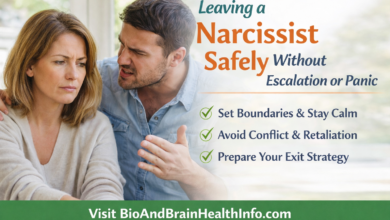
Exit Plan Narcissistic Abuse Without Rushing or Escalation
An exit plan for narcissistic abuse involves careful escape plan thinking, abuse documentation, emotional readiness, and safety steps that protect…
Read More » -
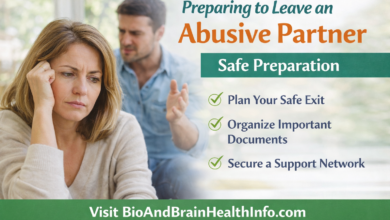
Preparing to Leave Abusive Partner | Safe Preparation
Preparing to leave an abusive partner involves leaving abuse carefully, thoughtful financial planning, emotional strength, and a safety checklist that…
Read More » -
Fear of Leaving Narcissist: When Staying Feels Safer
Fear of leaving narcissist often grows from a trauma bond shaped by fear conditioning, emotional dependency, and the deeper patterns…
Read More » -
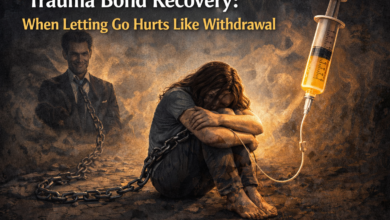
Trauma Bond Recovery: When Letting Go Hurts Like Withdrawal
Trauma bond recovery often involves trauma bonding patterns that feel like emotional addiction during abuse recovery, driven by the nervous…
Read More » -
Why I Miss My Narcissistic Ex — Why This Feeling Isn’t a Mistake
If you keep wondering why I miss my narcissistic ex, this pull is not love returning but the effect of…
Read More » -
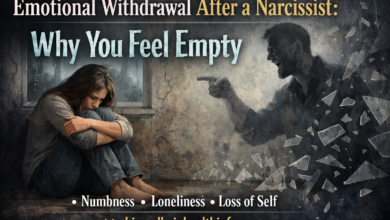
Emotional Withdrawal After Narcissist: Why You Feel Empty
Emotional withdrawal after a narcissist often brings emotional numbness, nervous system shock, and a confusing recovery phase that many people…
Read More » -
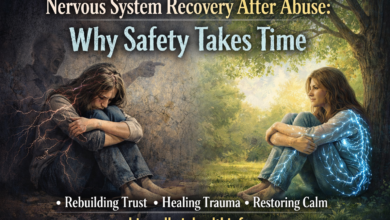
Nervous System Recovery After Abuse: Why Safety Takes Time
Nervous system recovery after abuse involves trauma physiology, cortisol stress, and emotional regulation as healing unfolds gradually rather than immediately.…
Read More » -
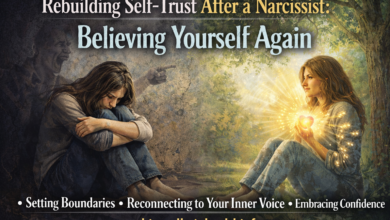
Rebuilding Self Trust After Narcissist: Believing Yourself Again
Rebuilding self-trust after a narcissist involves self trust, gaslighting recovery, identity repair, and confidence as belief in oneself slowly returns.…
Read More » -
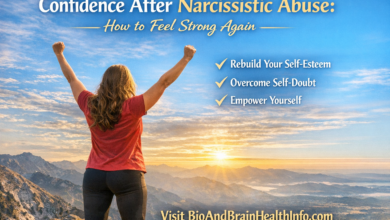
Confidence After Narcissistic Abuse: How to Feel Strong Again
Confidence after narcissistic abuse involves self esteem, abuse recovery, emotional strength, and identity healing as inner strength returns gradually. Strength…
Read More » -
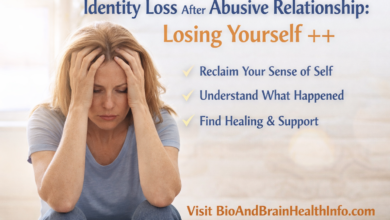
Identity Loss After Abusive Relationship: Losing Yourself
Identity loss after an abusive relationship involves identity erosion from emotional abuse, followed by self rediscovery and healing as safety…
Read More » -
Self Worth Recovery After Narcissist: Why Your Value Felt Lost
Self-worth recovery after a narcissist involves self worth rebuilding through shame healing after abuse impact, allowing recovery as safety returns.…
Read More » -
Learning to Trust Again After Abuse: Moving Forward Safely
Learning to trust again after abuse involves trust rebuilding through attachment healing, restoring emotional safety, and allowing recovery to unfold…
Read More »