IVF Emotional Support: Spiritual Womb Care Without Self-Blame
How to Stay Emotionally Grounded During IVF, Waiting Stress, and Conception Hope

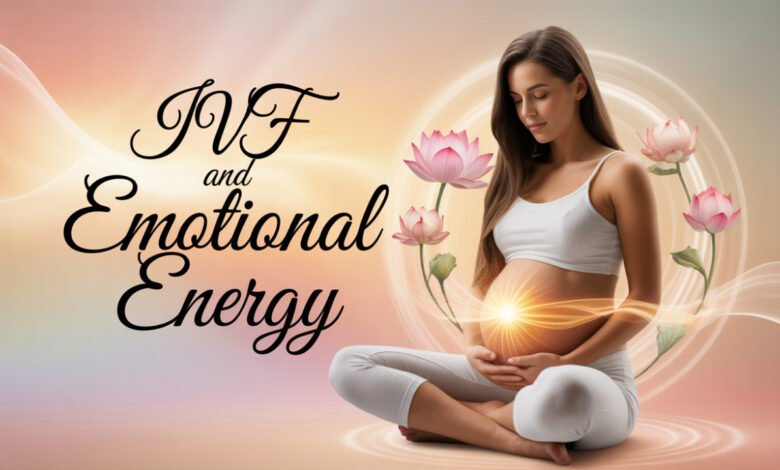
IVF can feel like a journey where the body is treated medically, but the heart is left alone with waiting stress, guilt, loneliness, and loss of hope.
Thank you for reading this post, don't forget to subscribe!This blog is for anyone who needs IVF emotional support without being blamed for feeling tired, afraid, or broken. Here, emotional health during IVF is not explained as “just stay positive,” but as a real need for nervous system safety, self-kindness, and inner grounding.
👉 The unique BBH angle connects spiritual womb care with science-safe emotional healing, so prayer, acceptance, karma awareness, and womb connection become support—not pressure.
You will also learn practical IVF stress management tools for the waiting phase, medical appointments, and emotional triggers.
Most importantly, this article helps release IVF self-blame by reminding you that IVF is not your failure.
👉 Your emotions need care, your heart needs support, and love can still grow beyond fear, outcome, or blood relationship.
IVF Emotional Support Begins When You Stop Blaming Yourself
IVF can become one of the most emotionally intense journeys a person goes through because it does not touch only the body. It touches hope, identity, marriage, family expectations, money pressure, faith, and the quiet dream of holding a child.
Many people enter IVF with courage, but slowly they begin carrying fear inside:
- What if it does not work?
- What if my body fails me?
- What if everyone else moves ahead and I remain stuck in waiting?
This is why IVF emotional support is not a small side topic. It is a central part of the healing journey.
The first truth this article wants to give you is simple: IVF is not your failure. Your emotions need support, not blame. A failed IVF cycle does not mean you failed as a woman, partner, parent, or soul. It means you went through a difficult medical and emotional process that did not give the result you prayed for at that time.
Many people silently blame themselves after IVF disappointment. They wonder if they were too stressed, too negative, too fearful, or not spiritual enough.
This kind of IVF self-blame can wound the mind more deeply than the medical result itself. Emotional pain becomes heavier when a person begins to believe that their sadness caused the outcome.
This is where BBH takes a different approach. Emotional care during IVF should not become pressure to stay positive all the time. It should become a safe inner space where your grief, hope, fear, prayer, and surrender can exist without shame.
👉 If you are learning how emotions affect the body, you may also find support in this related guide on how your nervous system controls emotional reactions, because IVF stress often begins in the body before the mind can calm itself.
Why IVF Waiting Stress Feels So Heavy
The waiting phase of IVF can feel emotionally heavier than many people expect. There are appointments, injections, scans, reports, medicines, financial decisions, and uncertain timelines. But the real pressure often comes from the gap between hope and result.
One moment the mind imagines a child, a family, and a future. The next moment it becomes afraid of another disappointment.
This is why emotional health during IVF needs serious attention. Waiting stress is not weakness. It is the nervous system reacting to uncertainty.
When the brain cannot predict what will happen, it can create overthinking, fear, irritability, sadness, sleep disturbance, body tension, and emotional shutdown. In IVF, this uncertainty repeats again and again, which makes the mind feel tired even when the body is resting.
Family pressure can also increase the pain. Some people face silent questions, social comparison, relatives’ opinions, or cultural pressure around parenthood.
Even when nobody says anything directly, the person going through IVF may feel watched, judged, or emotionally alone. This loneliness can make the IVF journey feel like a private battle.
During this time, IVF stress management should not be treated as luxury. It becomes necessary care. Small practices like slow breathing, quiet prayer, journaling, walking, reducing toxic conversations, and speaking honestly with a trusted person can help the mind remain stable.
If overthinking becomes strong during waiting days, this guide on how to stop overthinking can support the reader with practical mental detachment.
Emotional Health During IVF Is Not About Forced Positivity
One of the most harmful ideas during IVF is the belief that a person must stay happy all the time for the process to work. This can create hidden fear inside the reader.
They may think,
- If I cry, will I ruin my chances?
- If I feel anxious, am I sending bad energy?
- If I lose hope, am I blocking the blessing?
This is where spiritual advice can become painful if it is not handled carefully.
Real emotional health during IVF is not forced positivity. It is emotional honesty with inner support.
- It means allowing the heart to say, I am scared, but I am still caring for myself.
- I feel tired, but I am not blaming myself.
- I do not know the outcome, but I can still stay gentle with my body and mind.
This is also where spiritual womb care must be understood in a safe and balanced way. Spiritual womb care does not mean controlling the outcome through perfect thoughts.
It means creating a softer emotional environment inside yourself through prayer, calmness, acceptance, gratitude, and compassionate awareness. It is not a guarantee. It is support.
- A person can pray and still feel afraid.
- A person can meditate and still cry.
- A person can believe in divine timing and still feel heartbroken after a failed cycle. None of this makes them spiritually weak. It makes them human.
👉 For deeper emotional acceptance, the reader can also read why letting go feels so difficult, because IVF often asks the heart to hold hope and release control at the same time.
A Gentle Reminder for the Reader
Your body is not your enemy. Your mind is not weak. Your heart is not wrong for feeling tired. IVF can bring loss of hope, waiting stress, guilt, loneliness, and fear, but none of these emotions prove failure. They prove that you care deeply.
The purpose of IVF emotional support is not to remove every emotion. It is to help you carry your emotions without collapsing under them.
- Some days you may feel hopeful. Some days you may feel empty.
- Some days acceptance may help, and some days prayer may be enough only for one breath. That is still valid.
In the BBH view, healing begins when self-blame becomes self-support. Whether the outcome is success, delay, or disappointment, your emotional life still deserves dignity.
👉 Your worth is not decided by one IVF result. Your love is not wasted. Your journey still matters.
Spiritual Womb Care During IVF Without Pressure or Fear
Spiritual womb care during IVF should be understood with softness, not pressure. It is not a promise that prayer, meditation, or positive thinking will control conception. It is a gentle way of supporting the heart, calming the body, and helping the mind stay connected to hope without falling into fear.
IVF is already a medical process filled with appointments, scans, medicines, waiting, and uncertainty. Spiritual care should reduce emotional weight, not add another burden.
For many people, the womb is not only a physical space. It also becomes connected with longing, identity, grief, faith, and love. When IVF feels stressful, a person may begin to feel disconnected from their own body.
They may see the body only through reports, injections, hormone levels, and medical results. In that moment, spiritual womb care can help them return to the body with compassion.
This can include placing a hand on the lower belly, breathing slowly, offering a short prayer, listening to calming music, writing one honest journal line, or simply saying, “My body deserves kindness even when the outcome is uncertain.”
This kind of practice supports emotional health during IVF because it creates a safe inner relationship with the body instead of blame.
The most important point is this: spiritual practice should never become fear. If an IVF cycle fails, it does not mean the person prayed wrongly, carried bad energy, or failed spiritually.
👉 For deeper support around emotional attachment and release, the reader can also explore why attachment causes emotional suffering, because IVF often brings deep attachment to a hoped-for outcome.
How IVF Stress Management Supports the Nervous System
IVF stress management is not about becoming emotionless. It is about helping the nervous system feel safer during a process that naturally creates uncertainty.
The body may react to IVF stress before the mind can explain it. A person may feel chest tightness, stomach heaviness, disturbed sleep, racing thoughts, crying spells, anger, emotional numbness, or sudden fear around test results. These reactions are not signs of weakness. They are signs that the nervous system is carrying pressure.
During IVF, the brain often moves between hope and threat. Hope says, Maybe this cycle will work. Fear says, What if it fails again?
This repeated emotional shift can keep the body in a state of alertness. That is why small regulation practices matter. They help the body receive signals of safety, even when the final result is still unknown.
A simple practice can begin with slow breathing. Inhale gently for four seconds, exhale slowly for six seconds, and repeat for three to five minutes.
The longer exhale tells the body that it does not need to remain in full alarm. Journaling can also help because it gives fear a place to land instead of letting it circle in the mind all day.
Walking slowly, reducing difficult conversations, limiting online comparison, and speaking honestly with a supportive partner or friend can also protect IVF emotional support.
👉 If the reader feels trapped in emotional loops, they may benefit from this guide on how to detach from overthinking and calm your mind, because IVF waiting days can easily turn into mental checking and repeated fear.
Acceptance, Karma Awareness, and Inner Stability During IVF
Acceptance during IVF does not mean giving up. It means learning how to stay emotionally stable when life is uncertain. Many people misunderstand acceptance as defeat, but real acceptance is different.
It says, I will do what I can with sincerity, but I will not destroy myself over what I cannot control. This mindset can protect the heart from collapse during the waiting period.
Karma awareness can also be understood in a gentle and non-blaming way. Karma should not be used to punish the person or create shame. It should not make anyone think, This is happening because I did something wrong. That kind of thinking can increase IVF self-blame and emotional pain.
A healthier understanding is that life unfolds through many visible and invisible factors, and every difficult season can become a place of awareness, compassion, and inner growth.
In the IVF journey, karma awareness can mean choosing conscious action even when the result is not fully in your hands.
- You attend the appointments.
- You care for your body.
- You regulate your emotions.
- You pray if prayer supports you.
- You rest when you are exhausted.
- You reduce self-attack.
- You stay humane toward yourself.
This approach fits the balanced BBH view: medical care and spiritual awareness can exist together. IVF belongs to doctors medically, but the emotional journey also needs inner care.
Spirituality should not replace medical treatment. It should support dignity, patience, and emotional steadiness.
👉 To understand this deeper spiritual balance, the reader can also read what is detachment and how to practice conscious living, because detachment can help the heart stay sincere without becoming destroyed by outcome.
What Spiritual Practice Should Not Become
Spiritual practice during IVF should never become another form of pressure.
It should not become a rule that says,
- I must stay positive all the time.
- I must never cry.
- I must never doubt.
- I must never feel anger.
- I must never lose hope.
These expectations are not healing. They can make the person feel guilty for being human.
- True spiritual womb care allows emotional honesty.
- It allows tears without shame.
- It allows prayer with uncertainty.
- It allows surrender without emotional numbness.
- It allows hope without forcing the body to guarantee a result. This is what makes spirituality emotionally safe.
If IVF does not work, the answer is not to attack yourself spiritually. The answer is to support yourself more deeply.
- Your emotions did not make you unworthy.
- Your fear did not cancel your blessing.
- Your sadness did not make your body fail.
The purpose of spiritual practice is to help you remain connected to love, not trapped in fear. It should bring softness to the heart, not self-punishment.
In this way, emotional health during IVF becomes a path of compassion, awareness, and inner steadiness, not a demand for perfect positivity.