Early Signs of Diabetes: What to Look For
Early Diabetes Symptoms: 7 Warning Signs


Early signs of diabetes may appear quietly or become noticeable within days. A person might begin drinking water constantly, getting up repeatedly at night or losing weight without intending to. Another person may feel normal until an ordinary laboratory test finds elevated glucose. Recognizing patterns matters because the same outward symptoms can arise from different types of diabetes and other conditions.
Thank you for reading this post, don't forget to subscribe!This evidence-based BBH guide examines diabetes symptoms, the signs of high blood sugar, diabetes blood tests and diabetes warning signs requiring urgent attention. It explains what parents should watch for, why screening is important even without symptoms, and the practical steps to take without attempting self-diagnosis.
Quick answer
The most familiar warning signs are unusual thirst, frequent urination, unexplained weight loss, fatigue and blurry vision. A combination of these changes deserves prompt glucose testing. Vomiting, abdominal pain, deep breathing or confusion may indicate diabetic ketoacidosis and requires emergency assessment.
Why Early Signs of Diabetes Matter
Insulin is the hormone that helps regulate the way glucose moves through and is used by the body. In autoimmune type 1 diabetes, pancreatic insulin-producing cells become damaged. In type 2 diabetes, the body’s response to insulin and its ability to supply enough insulin are impaired. Both can produce high blood glucose.
When excess glucose passes into urine, additional water is lost. This helps explain why thirst and frequent urination often appear together. Severe insulin deficiency can also lead the body to break down fat and muscle for energy. Recognizing early signs of diabetes is a reason to seek testing, not a method of diagnosing yourself.
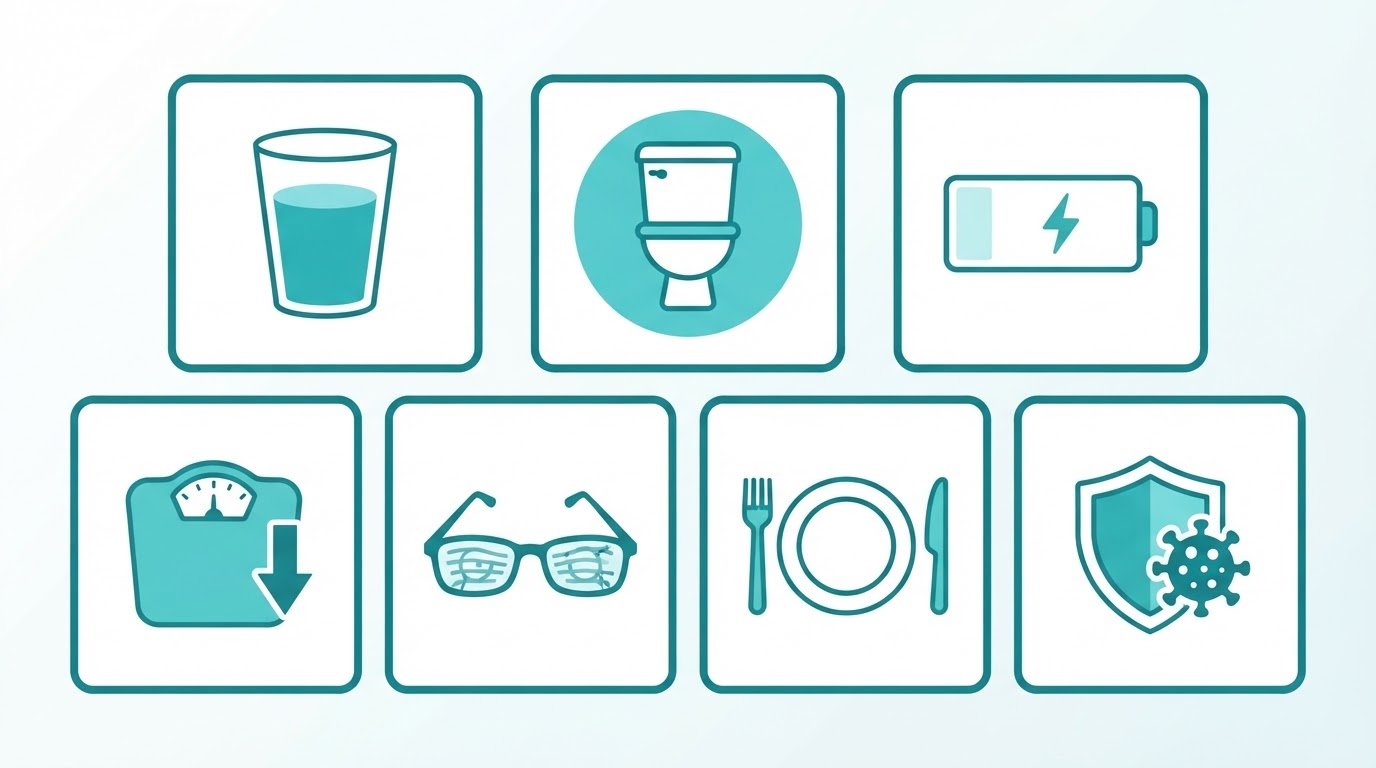
7 Early Signs of Diabetes to Look For
1. Urinating more frequently
A person may need the bathroom more often than usual, produce larger amounts of urine or wake several times during the night. New bedwetting in a previously dry child deserves attention. Increased urination is not specific to diabetes; urinary conditions, medicines and changes in drinking habits can also contribute.
2. Unusually strong thirst
Persistent thirst can follow fluid loss through frequent urination. Sometimes a person attributes it to warm weather or physical activity. Thirst that continues alongside frequent bathroom visits warrants medical evaluation.
3. Unexpected weight loss
If insulin is severely insufficient, the body may break down fat and muscle even when someone is eating normally. Weight loss combined with thirst and frequent urination is especially concerning and should not be dismissed as an incidental change.
4. Extreme or unfamiliar tiredness
Dehydration, disturbed sleep and problems using glucose may contribute to fatigue. Yet tiredness alone has many other explanations, including anemia, thyroid disease, sleep disorders and infection. It is the pattern of symptoms that helps identify the need for testing.
5. Blurry or changing eyesight
Changes in glucose can influence fluid balance inside the eye, causing temporarily fluctuating vision. Sudden or persistent vision problems require a professional assessment; not every eye symptom is related to diabetes.
6. Changes in appetite
Some people report feeling unusually hungry. An increased appetite is nonspecific, but when accompanied by unintentional weight loss and increased thirst it becomes another reason to check glucose.
7. Slow healing or recurring infections
Repeated skin or yeast infections, and wounds that heal more slowly than expected, can sometimes occur with prolonged elevated glucose. They are not definitive diabetes symptoms, and may not be early signs. Persistent problems deserve a clinical review.
Other Possible Diabetes Symptoms
Dry mouth, headaches, irritability or trouble concentrating can accompany glucose disturbances, but none can identify diabetes on its own. Tingling or reduced sensation can occur in nerve disorders, including longer-standing diabetes complications, and should be assessed independently.
Dark or thickened skin in body folds, called acanthosis nigricans, may indicate insulin resistance. It does not confirm diabetes. Lists of diabetes warning signs are most useful when they explain which combinations should prompt testing and which findings are too nonspecific to interpret alone.
For a fuller explanation of diabetes causes and symptoms, read the BBH complete diabetes guide.
Early Signs of Diabetes in Children and Teenagers
Young children may not be able to explain symptoms clearly. Parents may notice frequent requests for drinks, new bedwetting, unusual tiredness or clothes becoming looser without an intended weight change. Type 1 diabetes can progress quickly in children, sometimes over days or weeks.
Type 2 diabetes can also occur in young people, and both types can occur in adults. Age and body weight are not reliable stand-alone diagnostic tools. A child with new classic symptoms should receive prompt medical assessment rather than waiting for another school week or routine appointment.
Emergency signs in a child
Vomiting, severe abdominal pain, deep or rapid breathing, confusion or unusual drowsiness can be signs of diabetic ketoacidosis. Seek emergency care immediately.
Type 1, Type 2 and Prediabetes: How Do Symptoms Differ?
The familiar early signs of diabetes can occur in either type 1 or type 2. Clinicians may use glucose testing, clinical history, ketones and, in selected circumstances, autoantibodies or C-peptide to distinguish the type. pronounced thirst or weight loss should not automatically be attributed to prediabetes.
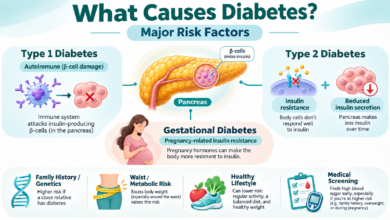
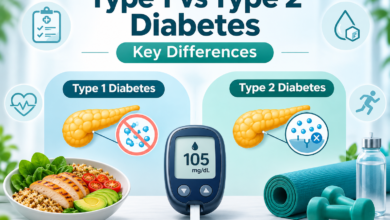
The pattern and speed of symptoms can vary. Compare type 1 diabetes symptoms with type 2 diabetes symptoms and treatment, or review our type 1 versus type 2 comparison.
Can Diabetes Develop Without Symptoms?
Yes. Some people with type 2 diabetes have few or no noticeable symptoms for a considerable period. Gestational diabetes is also often detected through routine pregnancy screening rather than symptoms. Autoimmune processes associated with type 1 can begin before clinical symptoms become apparent.
This is an important gap in symptom-focused articles: feeling well does not prove glucose is normal. Screening is based on individual risk as well as symptoms. Family history, previous gestational diabetes, metabolic conditions or certain medicines may influence when testing is recommended.
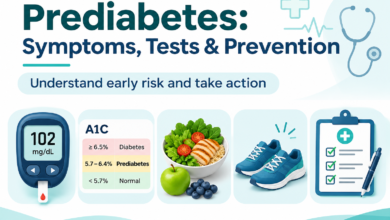
Because prediabetes often causes no obvious warning signs, our prediabetes testing and prevention guide explains why laboratory screening may matter even when someone feels well.
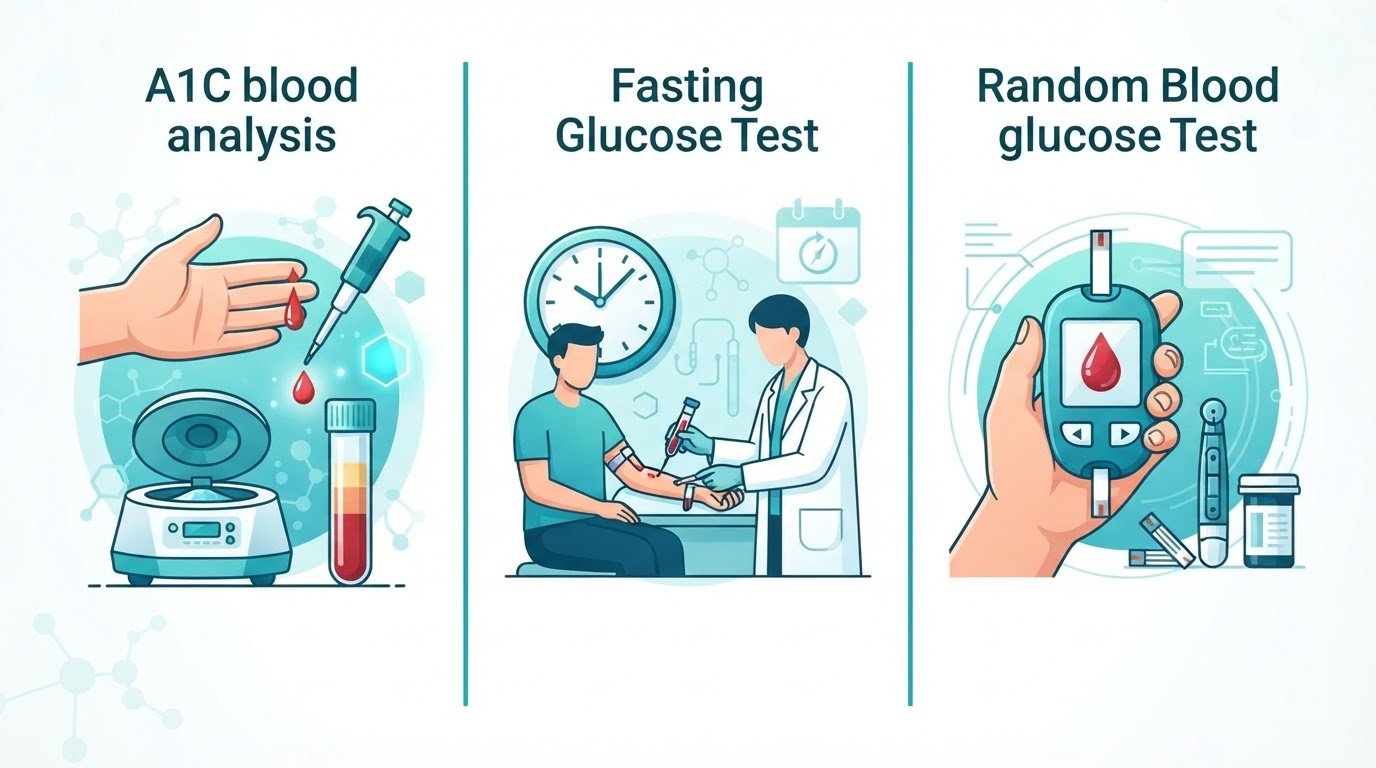
Diabetes Blood Tests: A1C, Fasting and Random Glucose
Laboratory evaluation is the appropriate way to investigate suspected diabetes. A home finger-prick meter can be useful for monitoring, but clinical diagnosis requires appropriately performed tests. Test selection and confirmation depend on symptoms, pregnancy status and possible interference.
A1C: Average glucose over time
An A1C test estimates average glucose exposure over roughly two to three months. Under American Diabetes Association criteria, 6.5% or higher is in the diabetes range for nonpregnant individuals. Anemia, hemoglobin variants and changes in red-blood-cell survival can make A1C less reliable.
Fasting plasma glucose
After a fasting period specified by the clinician, plasma glucose of at least 126 mg/dL (7.0 mmol/L) meets a diabetes threshold. A concerning result without unequivocal hyperglycemia generally requires confirmation.
Oral glucose tolerance and random testing
A two-hour value of at least 200 mg/dL (11.1 mmol/L) after a standard 75-gram glucose challenge also meets a diabetes threshold. Random plasma glucose of at least 200 mg/dL with classic symptoms or a hyperglycemic crisis can establish diabetes. Pregnancy uses different diagnostic pathways.
These are commonly used ADA diabetes criteria for nonpregnant people. Two abnormal test results are typically required in the absence of unequivocal hyperglycemia. Clinical laboratories and local guidelines should inform interpretation.
What to Do if You Notice Diabetes Warning Signs
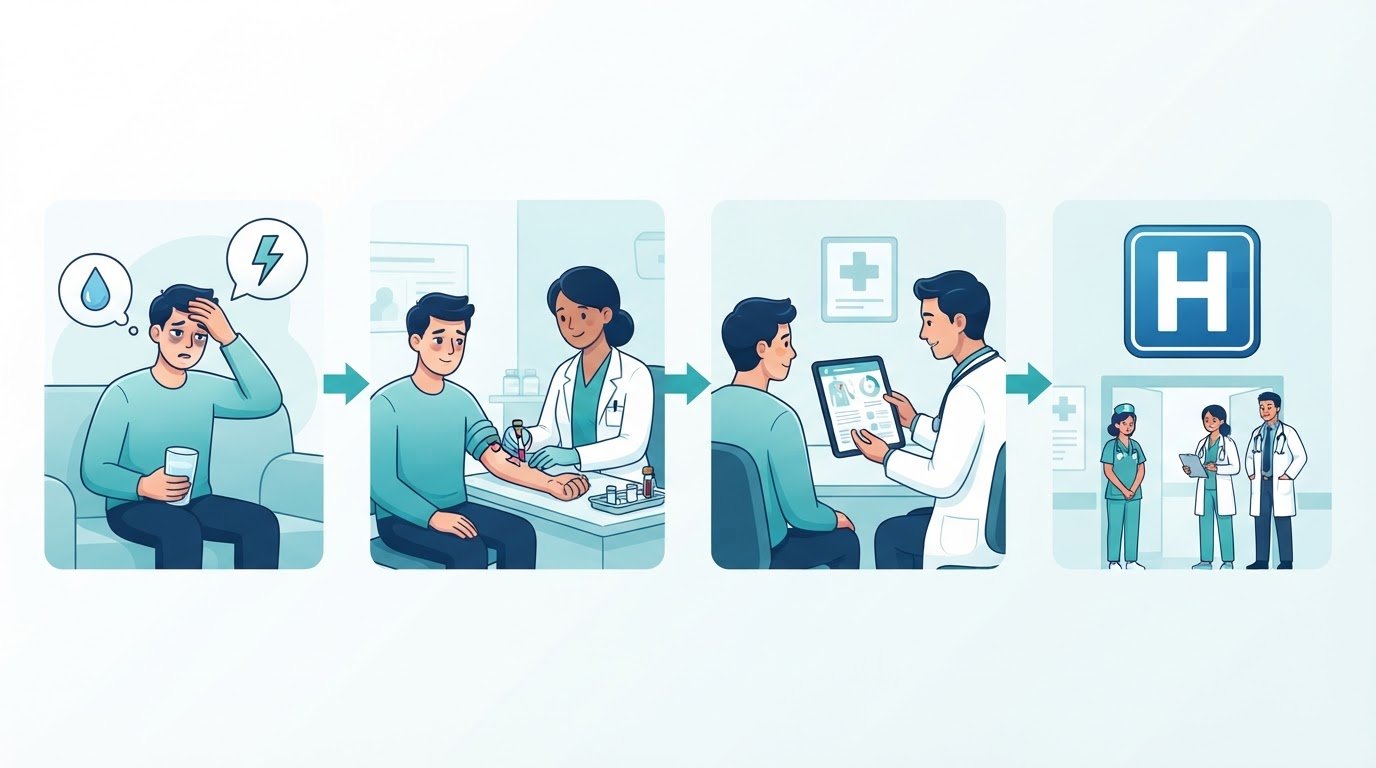
Start by identifying whether symptoms are new, persistent or occurring together. A short record of thirst, bathroom frequency, fatigue, weight changes and relevant medicines can help during an appointment. However, do not delay medical assessment while collecting detailed notes.
Arrange timely testing with a qualified clinician. If classic symptoms are prominent, especially with unexpected weight loss, same-day assessment may be appropriate. A professional may also evaluate hydration or ketones when severe insulin deficiency is suspected.
Do not start glucose-lowering medicines, herbal preparations or restrictive fasting because you suspect diabetes. If you already have diabetes, follow your prescribed care and sick-day guidance rather than altering insulin or other medicines on your own.
Emergency Diabetes Warning Signs
Diabetic ketoacidosis occurs when there is insufficient insulin and harmful ketone production leads to a dangerous change in blood acidity. Although more strongly associated with type 1 diabetes, it can occur in type 2. Hyperosmolar hyperglycemic state is another serious emergency, often associated with marked hyperglycemia and dehydration.
Seek emergency care now
Repeated vomiting, marked abdominal pain, deep or unusually fast breathing, severe confusion, extreme sleepiness, seizures or unconsciousness need immediate medical attention. Do not attempt to treat suspected DKA or HHS with diet changes, meditation or home remedies.
DKA can occasionally occur without an extremely high glucose number. Therefore, a seemingly less dramatic reading does not make serious symptoms safe to ignore. Clinicians may urgently assess blood glucose, ketones and acid-base status.
Who Should Discuss Diabetes Screening?
Screening guidance depends on age, body composition, family history, previous gestational diabetes, blood pressure, lipid abnormalities, certain medicines and medical conditions. Some populations have elevated metabolic risk at lower BMI values, so one universal weight threshold may miss people who could benefit from assessment.
A close relative of someone with type 1 diabetes may be eligible for specialist autoantibody screening. This differs from ordinary testing for type 2 diabetes risk. Children, pregnant people and those with symptoms require guidance tailored to their situation.
If you have risk factors but no visible diabetes symptoms, discussing a laboratory test may still be worthwhile. Screening is not a judgment about personal habits.
Could Other Conditions Cause These Symptoms?
Frequent urination may relate to a urinary condition or diuretic medicine. Thirst may reflect dehydration from other causes. Fatigue can accompany sleep disorders, anemia, thyroid disease or infection. Unexpected weight loss has many possible explanations and always deserves attention.
These alternatives explain why signs of high blood sugar should prompt investigation rather than a self-diagnosis. If an initial glucose test is normal but symptoms persist, a clinician may need to investigate other causes or repeat testing when appropriate.
Diabetes, Brain Fog and Mental Wellbeing
Glucose disturbances and dehydration may contribute to fatigue, irritability or difficulty concentrating. Some people describe these experiences as brain fog. However, memory and attention changes can also reflect poor sleep, stress, medicine effects or other medical problems.
If someone becomes shaky, sweaty or confused, it is important not to assume the cause is emotional stress. People who use insulin or other medicines associated with hypoglycemia should follow their personalized glucose-checking and low-glucose care plan.
Learning about a possible diagnosis can create understandable worry. Supportive conversations and stress-management techniques may improve coping, but they do not substitute for testing or emergency care.
Early Detection, Prevention and Everyday Care
Recognizing early signs of diabetes can lead to earlier testing, timely treatment and education about complications. For people at elevated risk of type 2 diabetes, structured lifestyle programs can reduce future risk. Sustainable activity, balanced eating, adequate sleep and cardiovascular risk management may be helpful.
There is no established lifestyle method that reliably prevents autoimmune type 1 diabetes. Established type 1 diabetes requires insulin, while type 2 diabetes treatment can involve several medication classes and, for some people, insulin. A person with unexplained classic symptoms needs medical evaluation, not a trial of lifestyle changes in place of diagnosis.
More help from BBH
Explore our Diabetes & Blood Sugar Hub or visit BBH Support and Resources for educational guidance and further reading. These pages are not emergency medical services.
Frequently Asked Questions
What are the earliest diabetes warning signs?
Excessive thirst, increased urination, unintentional weight loss and fatigue are common. These diabetes warning signs are especially important when several develop together.
Can you have diabetes without symptoms?
Yes. Type 2 diabetes and gestational diabetes can be present without obvious symptoms. Appropriate screening matters.
What does frequent urination mean?
It can occur when high glucose increases fluid loss through urine, but urinary problems, medicines and other causes are also possible.
Are children and adults different?
Symptoms often appear more quickly in children with type 1, but autoimmune diabetes can also begin in adulthood. Type 2 occurs in different age groups.
Which test should I request?
A clinician may use A1C, fasting plasma glucose, an oral glucose tolerance test or random plasma glucose in a symptomatic presentation. The correct diabetes blood tests depend on circumstances.
Is fatigue enough to diagnose diabetes?
No. Fatigue is common in many conditions. Diagnosis requires proper clinical assessment and testing.
When is it urgent?
Vomiting with abdominal pain, deep breathing, severe confusion or unusual drowsiness requires emergency assessment, particularly when diabetes is suspected.
Related BBH Reading and Support
Explore the BBH Diabetes Series
Scientific References and Medical Disclaimer
- American Diabetes Association: Standards of Care in Diabetes—2026, Diagnosis and Classification
- CDC: Symptoms of Diabetes
- CDC: Diabetic Ketoacidosis
- NIDDK: Symptoms and Causes of Diabetes
- NIDDK: The A1C Test and Its Limitations
Medical and editorial disclaimer
This article is intended for general education, not diagnosis or a treatment prescription. Seek timely care for new or worsening symptoms and emergency services for possible DKA, HHS or severe neurological changes. Do not alter prescribed diabetes medication based on an article. Independent clinical review is not claimed.