Type 1 vs Type 2 Diabetes: Key Differences
Type 1 vs Type 2 Diabetes: Signs & Causes

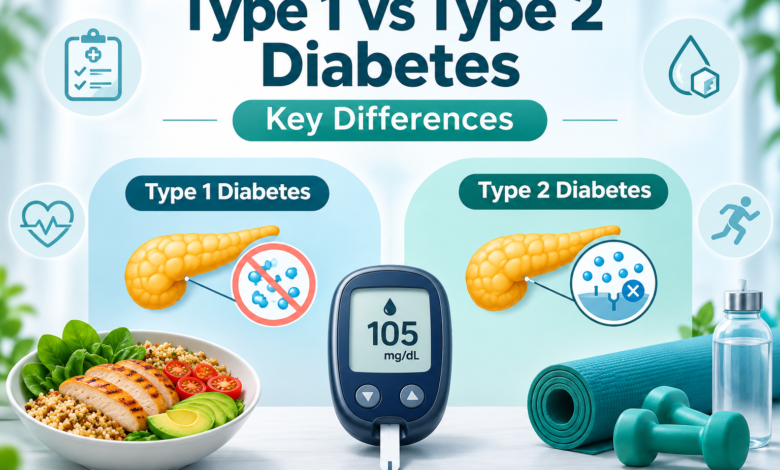
A diabetes diagnosis tells us that blood glucose regulation is not working as it should. It does not, by itself, explain why the problem developed. Consider two patients with similar laboratory results. In one, pancreatic cells responsible for releasing insulin have been damaged by an autoimmune process. In the other, insulin is still produced but the body’s response has weakened. Both patients have diabetes, yet their treatments may be substantially different. This distinction helps explain type 1 vs type 2 diabetes.
Thank you for reading this post, don't forget to subscribe!Medical priority
Quick Answer: Type 1 vs Type 2 Diabetes
A diabetes diagnosis tells us that blood glucose regulation is not working as it should. It does not, by itself, explain why the problem developed. Consider two patients with similar laboratory results. In one, pancreatic insulin-producing cells have been damaged by an autoimmune process. In the other, insulin is still being produced, but the body’s response to it has weakened and production is no longer sufficient. Both have diabetes, yet their treatments may differ. This is the starting point for understanding type 1 vs type 2 diabetes.
Type 1 vs Type 2 Diabetes: Comparison Table
What Causes Type 1 and Type 2 Diabetes?
Glucose supplies energy to many tissues. Insulin helps regulate how the body uses and stores that energy. The pancreas plays a central role by releasing insulin when needed.
The main problem in type 1 diabetes
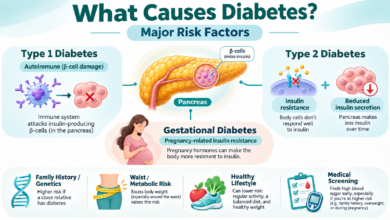
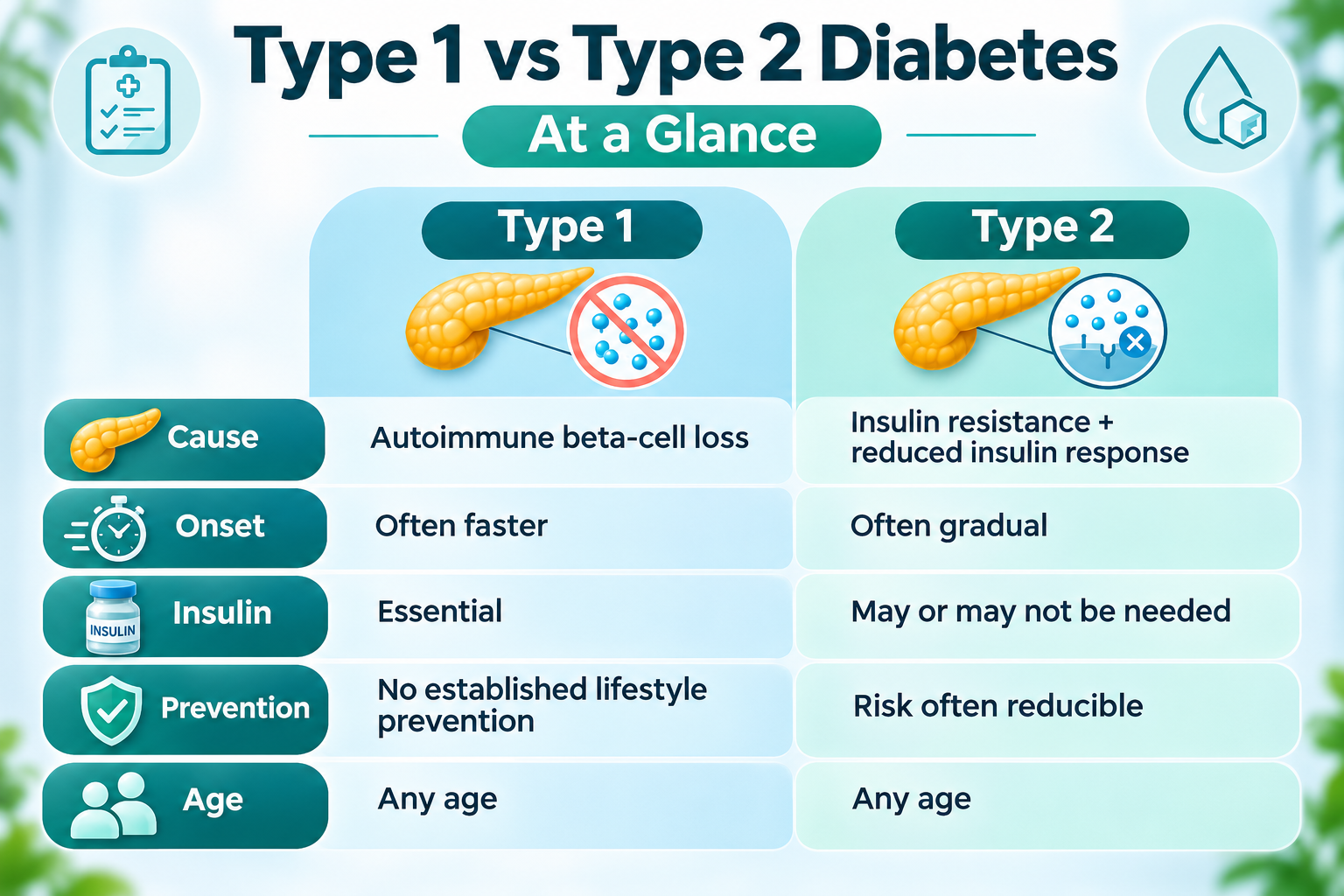
Type 1 diabetes develops when immune activity damages the pancreatic beta cells that manufacture insulin. The loss of functioning cells progressively reduces insulin availability. When insulin production becomes severely inadequate, glucose cannot be regulated normally. The body may also produce excessive ketones as it uses fat for fuel. For people with established type 1 diabetes, replacing insulin is essential.
The main problem in type 2 diabetes
Type 2 diabetes follows a different pattern. The body may become less sensitive to insulin, meaning a greater amount is needed to achieve the usual metabolic response. Initially, the pancreas may compensate. However, if insulin production cannot keep pace with the body’s requirements, blood glucose begins to rise. This condition may progress gradually, sometimes without noticeable changes in everyday health.
Why does someone develop type 1 diabetes?
Researchers understand that autoimmune destruction of beta cells is central to the condition. However, the events leading to that immune response are not fully explained. Certain inherited genetic variations influence susceptibility. Scientists are also investigating possible environmental contributors. Genetic risk does not mean that a diagnosis is inevitable. Eating excessive sugar is not an established direct cause of autoimmune type 1 diabetes.
Why does someone develop type 2 diabetes?
Type 2 diabetes results from several interacting influences rather than one isolated behavior. Inherited susceptibility, changes in insulin sensitivity, pancreatic beta-cell function and metabolic health all contribute. Age, family history, physical activity patterns, certain medical conditions and body-fat distribution may influence risk. A person with a body weight within the conventional healthy range can develop type 2 diabetes. Similarly, someone living with obesity may develop type 1 diabetes.
Type 1 vs Type 2 Diabetes Symptoms
The physical warning signs frequently overlap because both conditions can increase blood glucose. Possible changes include persistent thirst, repeated urination, tiredness, blurred vision and unintended weight loss. The timing may offer clues, although it cannot establish the diabetes type.
When type 1 diabetes appears
In many children, symptoms become noticeable over days or weeks. Parents might observe new bedwetting, constant requests for water or a decline in the child’s usual energy. Adults may experience a more gradual course. Untreated severe insulin deficiency can lead to diabetic ketoacidosis, making prompt assessment important.
When type 2 diabetes appears
Type 2 diabetes often develops quietly. Some individuals discover the condition during routine blood investigations rather than after experiencing obvious symptoms. Others notice recurring infections, blurred vision or unusual fatigue. Symptoms require evaluation because similar experiences can occur for reasons unrelated to diabetes.
Does Age or Body Weight Determine Diabetes Type?
The terms juvenile diabetes and adult-onset diabetes are historical descriptions that can create confusion. A diagnosis should not depend on these labels. Autoimmune diabetes can begin in adulthood, while type 2 diabetes can affect children and teenagers. Body weight is equally insufficient as a stand-alone diagnostic measure.
Healthcare professionals consider symptoms, medical history, laboratory findings and the course of the illness before deciding which classification best fits. The important difference between type 1 and type 2 diabetes is how insulin production and insulin response are affected—not how old a person is or how their body looks.
Medical safety
New excessive thirst, frequent urination or unexplained weight loss requires prompt evaluation. Vomiting, abdominal pain, deep breathing, confusion or unusual drowsiness may indicate an emergency requiring immediate medical attention.
How Do Doctors Tell Type 1 and Type 2 Apart?
Finding elevated glucose is only the first stage of a diabetes investigation. Once diabetes has been established, clinicians need to understand what is happening to the person’s insulin production and metabolic function. This assessment helps determine which medicines are necessary, whether insulin deficiency presents an immediate danger and what additional monitoring may be appropriate.
Which blood tests confirm diabetes?
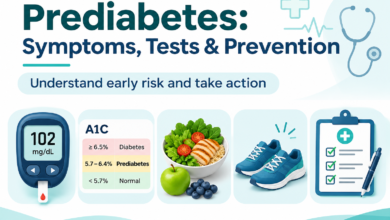
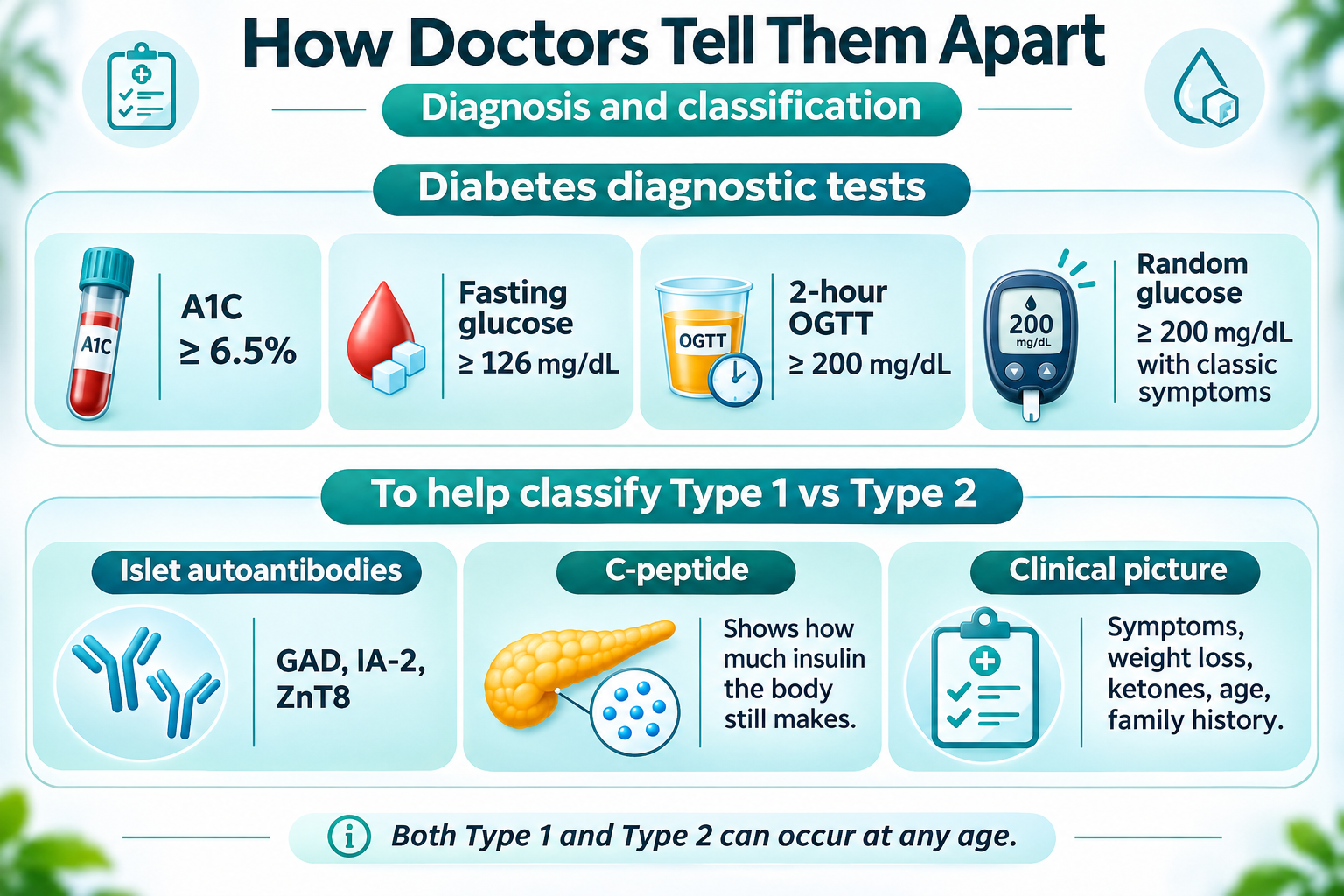
For nonpregnant individuals, diabetes-range findings include A1C of 6.5% or higher, fasting plasma glucose of at least 126 mg/dL (7.0 mmol/L), two-hour glucose of at least 200 mg/dL (11.1 mmol/L) during a 75-gram oral glucose tolerance test, or random plasma glucose of at least 200 mg/dL (11.1 mmol/L) with classic symptoms. These numbers should be interpreted alongside the clinical presentation. Confirmation is generally required unless hyperglycemia is unequivocal.
These tests establish the presence of diabetes, but additional information may be needed to identify the type.
How autoantibodies help classification
When autoimmune diabetes is suspected, clinicians may investigate immune markers associated with pancreatic beta-cell damage. These include antibodies known as GAD, IA-2 and ZnT8. Their detection can support an autoimmune explanation for the loss of insulin production. However, no single antibody result answers every diagnostic question. Some individuals with type 1 diabetes have negative results, while interpretation may vary according to disease stage and clinical circumstances.
Understanding the C-peptide test
C-peptide provides information about insulin being produced by the pancreas. It enters the bloodstream alongside the body’s own insulin, allowing clinicians to estimate remaining insulin secretion. This can be useful when the diagnosis remains uncertain, especially in someone already receiving insulin. Glucose concentration, kidney function, disease duration and other factors may influence the meaning of the result. C-peptide findings must not be used independently to discontinue prescribed insulin.
Why some adults receive an incorrect initial classification
An adult with slowly progressing autoimmune diabetes may not immediately show the classic presentation associated with severe insulin deficiency. If the initial diagnosis relies mainly on age or appearance, autoimmune diabetes can be overlooked. Clinicians may reconsider classification when treatment responses are unexpected, glucose management becomes increasingly difficult or signs of insulin deficiency emerge. Other less common forms of diabetes may also need investigation. Reassessment is especially important when the original explanation no longer fits the clinical course.
Insulin in Type 1 vs Type 2 Diabetes
Insulin in type 1 diabetes
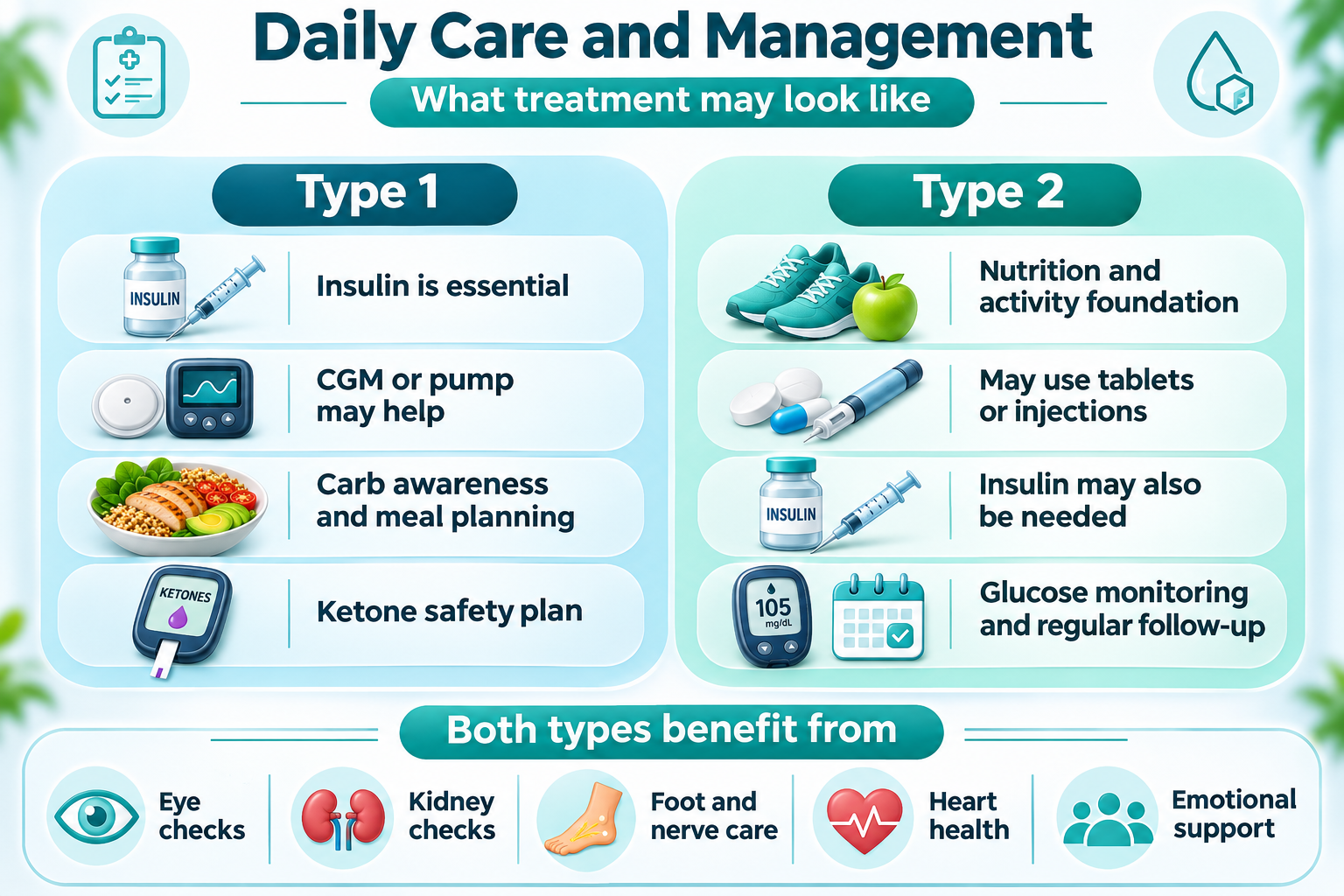
Once autoimmune damage has caused substantial loss of insulin-producing cells, replacement insulin becomes essential. Treatment may involve injections administered at different times or a pump delivering insulin through a small device. The regimen is individualized according to glucose patterns, nutrition, physical activity and other medical circumstances. Some people benefit from continuous glucose monitoring or automated insulin delivery technology. Temporarily improved glucose readings do not mean that established type 1 diabetes no longer requires insulin.
Insulin in type 2 diabetes
People with type 2 diabetes may retain meaningful insulin production for many years. Their treatment can include medicines that work through different mechanisms to improve glucose regulation. For some individuals, insulin becomes necessary when the body’s production no longer meets its requirements. Insulin may also be used during particular medical situations. Receiving insulin does not change a person’s diagnosis from type 2 into type 1 diabetes.
Type 1 vs Type 2 Diabetes Treatment
Type 1 diabetes treatment centers on replacing insulin and preventing dangerous glucose emergencies. Education about carbohydrate intake, activity, illness, glucose monitoring and ketones forms an important part of care. Type 2 diabetes treatment may involve dietary support, movement, weight-management interventions where appropriate, medication and long-term cardiovascular or kidney protection. The selection of medicines depends on individual clinical needs rather than glucose levels alone.
Can lifestyle changes eliminate the need for medication?
Healthy eating patterns, regular movement and adequate sleep can support care in both conditions. They cannot replace essential insulin treatment in established type 1 diabetes. Some individuals with type 2 diabetes achieve remission after sustained treatment and lifestyle changes, but remission does not guarantee a permanent cure. Decisions about reducing or stopping medicines require medical supervision.
Why correct diagnosis is important
Choosing the appropriate diabetes classification is not merely an administrative exercise. It can determine whether life-preserving insulin begins promptly, which monitoring strategies are appropriate and how complications are prevented. Never stop prescribed insulin or independently modify diabetes medication based on a comparison article.
Diabetes Emergencies: Type 1 vs Type 2
Both forms of diabetes can cause dangerous changes in blood glucose. However, the emergencies associated with each condition are not always identical. Understanding these differences can help people recognize warning signs and seek appropriate medical care.
Diabetic ketoacidosis (DKA)
When the body lacks sufficient insulin, it may begin breaking down fat rapidly to obtain energy. This produces ketones. If ketones accumulate excessively, the blood can become dangerously acidic. DKA is particularly associated with type 1 diabetes because insulin deficiency can develop quickly. Nevertheless, it can also occur in type 2 diabetes, especially during serious illness or under certain treatment circumstances. Persistent vomiting, abdominal discomfort, rapid or unusually deep breathing, confusion and marked drowsiness are warning signs. DKA requires emergency medical treatment; exercise, meditation or home remedies cannot treat it.
Hyperosmolar hyperglycemic state (HHS)
HHS usually develops when blood glucose becomes extremely elevated and substantial dehydration occurs. It is more frequently associated with type 2 diabetes, particularly during severe illness or when dehydration goes unrecognized. Affected individuals may experience intense thirst, weakness, confusion or changes in consciousness. Unlike DKA, severe ketone accumulation is not usually the main feature. Both conditions require urgent hospital care.
Low blood glucose can affect either type
Hypoglycemia occurs when glucose falls below the level needed for normal functioning. It is particularly relevant for people using insulin or certain other glucose-lowering medicines. Early symptoms may include trembling, sweating, sudden hunger, dizziness and unusual irritability. As glucose falls further, thinking and coordination may become impaired. People at risk should follow an individualized treatment plan. Someone unconscious or unable to swallow safely must not be given food or drink by mouth; call emergency services and use prescribed glucagon if available and someone knows how to administer it.
Nutrition, Exercise and Prevention
Food and movement influence glucose regulation in both diabetes types, but the treatment context matters.
Eating with type 1 diabetes
Someone with type 1 diabetes generally needs to understand how carbohydrate intake interacts with prescribed insulin. Meal timing, carbohydrate quantities and activity can influence the amount of insulin required under their individualized treatment plan. Balanced nutrition remains important for cardiovascular health, energy and wellbeing. Avoiding carbohydrates or following a restrictive diet cannot replace insulin.
Eating with type 2 diabetes
For type 2 diabetes, nutrition may help improve glucose patterns, weight management when appropriate, blood pressure and cardiovascular risk. There is no universally suitable meal plan. A practical approach may include vegetables, lentils, beans, whole grains, appropriate protein sources and unsaturated fats. Meal plans should account for food preferences, cultural traditions and other medical conditions.
Exercise and glucose monitoring
Movement supports muscle function and cardiovascular health in both types. However, people taking insulin or medicines that can cause hypoglycemia may need additional precautions before, during and after activity. The effect of exercise on glucose differs according to intensity, timing and treatment. A personalized activity plan is safer than relying on universal glucose or insulin-adjustment instructions.
Can type 1 or type 2 diabetes be prevented?
There is currently no established lifestyle program that reliably prevents autoimmune type 1 diabetes. Researchers continue investigating genetic susceptibility, immune mechanisms and early disease detection. For selected eligible individuals with stage 2 type 1 diabetes, specialist immune treatment may delay progression to symptomatic disease. This does not represent a cure or a general prevention method for everyone.
Type 2 diabetes develops through several interacting factors, including insulin resistance and changes in pancreatic function. Some risk factors cannot be modified, but structured lifestyle interventions can reduce the likelihood of developing the condition. Evidence from diabetes prevention trials supports sustainable improvements in physical activity, eating patterns and weight management when appropriate. These approaches reduce risk; they cannot guarantee that diabetes will never develop.
Brain Health, Mood and Diabetes Distress
Both diabetes types can affect energy, concentration and emotional wellbeing. Acute low glucose can interfere with attention and judgment; substantial high glucose, illness or dehydration may also impair how a person feels. Persistent memory or mood problems deserve assessment for other possible contributors as well.
The burden of glucose decisions can create diabetes distress: frustration, fear of lows, exhaustion or worry about long-term complications. Distress is not identical to a depressive disorder. Support may include diabetes education, practical problem-solving, psychological therapy and social support. Meditation can be a supportive stress-management practice, but it does not replace insulin or other prescribed care.
Pregnancy, Children and Misclassification
Diabetes diagnosed during pregnancy may be gestational diabetes, previously unrecognized type 2 diabetes or occasionally type 1 diabetes. Pregnancy-specific testing thresholds and treatment needs differ. Anyone planning pregnancy or already pregnant should consult their diabetes team promptly for individualized guidance.
Children and adolescents may develop either type. Pediatric care has additional considerations around growth, family support, school routines, activity, hypoglycemia and psychosocial wellbeing. The diabetes type should be determined clinically rather than inferred from age or appearance.
Some adults with a slowly evolving autoimmune condition are described as having latent autoimmune diabetes in adults, or LADA. The terminology and diagnostic approaches vary, but the important point is that autoimmune disease can emerge gradually. Ask for reassessment when the initial treatment pathway seems inconsistent with the clinical course.
Long-Term Complications and Preventive Screening
Over time, elevated glucose and other cardiovascular risk factors can affect several body systems. Both diabetes types may lead to changes involving the eyes, kidneys, peripheral nerves and cardiovascular system. However, complications are not inevitable. Regular retinal examinations help detect eye disease, while kidney tests can identify early changes in kidney function. Foot examinations may reveal reduced sensation or circulation problems.
Blood pressure, cholesterol, smoking status and cardiovascular health also deserve attention. Screening recommendations vary according to age, diabetes type, disease duration and individual medical history.
Five Common Diabetes Myths
Questions to Ask Your Diabetes Clinician
- What evidence supports my diabetes classification?
- Would an islet autoantibody test or C-peptide test be useful for me?
- What glucose monitoring method suits my treatment?
- What signs of severe low glucose or ketones should prompt urgent action?
- What are my individualized goals for heart, kidney, eye and emotional health?
- When should my diagnosis or treatment plan be reviewed?
If the diagnosis is uncertain, bringing previous blood-test results, medication history and a symptom timeline to the appointment can help the clinician investigate safely.
Frequently Asked Questions
Which is more serious, type 1 or type 2 diabetes?
Neither label alone determines an individual’s prognosis. Both can cause serious complications, and outcomes depend on treatment, other health conditions and access to care. Severe insulin deficiency in type 1 requires particularly urgent insulin replacement.
Can type 2 diabetes turn into type 1?
Ordinary type 2 diabetes does not transform into autoimmune type 1. However, an original diagnosis may be mistaken, or a person can have overlapping features. Clinical reassessment can clarify uncertainty.
Are blood sugar symptoms different?
Thirst, increased urination and tiredness often overlap. Type 1 may appear rapidly, while type 2 is frequently gradual. Symptoms do not definitively determine type.
Can a type 1 diabetes patient stop insulin?
Not with established type 1 diabetes. Stopping insulin can quickly lead to DKA. Any treatment changes require qualified medical supervision.
Can people with type 2 take insulin?
Yes. Insulin is an appropriate and sometimes essential treatment for type 2 diabetes in certain situations.
What tests distinguish type 1 and type 2?
Clinicians combine clinical history, glucose tests and, in selected patients, islet autoantibodies and C-peptide. No single sign or test should be interpreted in isolation.
Is diabetes distress common to both?
Yes. The emotional work of diabetes care can affect people with either type. Professional and social support can improve coping and access to treatment.
Further BBH Reading and Support
Explore the BBH Diabetes Series
Vitamin B12 Deficiency and Brain Fog
Scientific References and Medical Disclaimer
- ADA Standards of Care 2026 — Diagnosis and Classification
- ADA/EASD 2026 Consensus — Management of Type 1 Diabetes in Adults
- NIDDK — Type 1 Diabetes
- NIDDK — Type 2 Diabetes
- Diabetes UK — Differences Between Type 1 and Type 2
- CDC — Type 1 Diabetes
- NIDDK — Symptoms and Causes of Diabetes
Medical and editorial disclaimer
ARTICLE BY