Narcissism & Personality Patterns
Narcissism & Personality Patterns: Traits, Psychology and Self-Awareness
Explore evidence-informed BBH articles about narcissism and personality patterns, including grandiosity, vulnerable or covert presentations, self-image, emotional regulation, empathy and the effects of behavior on relationships and workplaces.
Quick answer: Narcissistic traits can vary in intensity and context. Some people show self-focused or defensive behavior without meeting criteria for narcissistic personality disorder (NPD), which requires professional assessment. Informal labels such as “covert,” “communal” or “altruistic narcissist” are not separate formal diagnoses.
Start with these published BBH guides:
12 Traits of a Narcissist: Clinical vs Personality Patterns
What Are Narcissistic Tendencies?
What Are the 4 Types of Narcissism?
Covert Narcissism Examples in Everyday Life
Covert Narcissism DSM: What Is and Isn’t Diagnosed
10 Signs of Vulnerable Narcissism in Women
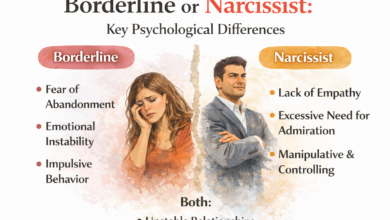
Borderline or Narcissist: Psychological Differences
What Causes Narcissism to Develop?
Is Narcissism Genetic? What Science Says
Can Narcissists Change Through Therapy?
Narcissistic Blame Shifting Explained
Narcissistic Self-Image and Identity
Understanding patterns responsibly: Consider repeated actions and their impact, rather than using a social-media checklist to diagnose others. Features such as sensitivity to criticism, self-protective defensiveness, entitlement or a need for validation are not by themselves proof of a personality disorder. Biological, developmental and social influences are complex, and neuroscience findings should not be treated as a brain scan test for NPD.
Explore connected BBH sections:
Narcissism Overview
Understanding Narcissism
Narcissism Identity
Narcissism & Trauma
Narcissistic Relationships
BBH Support Resources
Reliable further reading: MedlinePlus: Personality Disorders · NIMH Mental Health Information.
Editorial note: This category is educational and cannot diagnose, assess or treat a personality disorder. Seek qualified support if persistent patterns are causing significant distress, relationship conflict or safety concerns.
-

7 Hidden Traits of a Closet Narcissist
Closet narcissist traits often appear through covert narcissism patterns, vulnerable narcissist behaviors, passive manipulation styles, and hidden ego patterns that…
Read More » -
Codependent and Narcissist Dynamic: Emotional Patterns
The codependent and narcissist dynamic often develops through trauma bond patterns, emotional dependency cycles, rescue patterns, and relationship imbalance dynamics…
Read More » -
Codependent Narcissist Explained
The codependent narcissist pattern often emerges through personality overlap shaped by insecure attachment, emotional regulation struggles, and relational identity confusion,…
Read More » -
Codependent Narcissist Relationship Patterns
The codependent narcissist relationship often develops through a dependency cycle shaped by narcissistic validation needs, emotional instability, and repeating conflict…
Read More » -
Communal Narcissism: Selfless Persona That Seeks Recognition
Communal narcissism describes a personality pattern where altruistic narcissism, virtue signaling, social validation seeking, and covert grandiosity shape helping behaviors…
Read More » -
Narcissistic Blame Shifting Explained
A blame shifting narcissist often uses blame shifting tactics, gaslighting behavior, psychological manipulation, and narcissistic defenses to redirect responsibility, creating…
Read More » -
Borderline or Narcissist: Key Psychological Differences
A borderline or narcissist comparison often focuses on diagnostic differences, empathy patterns, attachment styles, and personality disorder comparison to understand…
Read More » -
12 Traits of a Narcissist: Clinical vs Personality Patterns Explained
The 12 traits of a narcissist are often misunderstood because narcissist personality traits, narcissism psychology, narcissistic behavior signs, and DSM-5…
Read More » -
Female Narcissist Over 50: Why Traits Change With Age
Understanding female narcissist over 50 experiences may involve recognizing aging narcissism women patterns, subtle control through dependency, inherited generational patterns,…
Read More » -
Female Narcissist Symptoms: Patterns Without Self-Blame
Understanding female narcissist symptoms may involve recognizing narcissism symptoms women patterns such as subtle entitlement behavior, shifting empathy imbalance, and…
Read More » -
Why Are Female Narcissists So Cruel?
Understanding why female narcissists so cruel may feel emotionally overwhelming often involves recognizing perceived cruelty narcissism, patterns of emotional punishment,…
Read More » -
10 Signs of Vulnerable Narcissism in Women
Understanding female vulnerable narcissist traits often includes recognizing patterns seen in vulnerable narcissism women, emotional victim posture, subtle passive aggression,…
Read More »