Diabetes and Anxiety: The Connection
Diabetes and Anxiety: Symptoms and Support

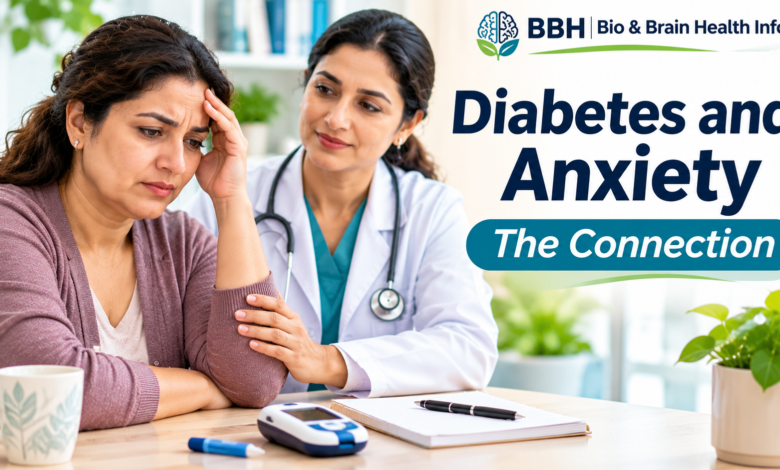
Diabetes and anxiety can affect the same person in ways that are difficult to separate. Worries about low blood sugar, the cost of medication, future complications or changing routines can be exhausting. At the same time, anxiety symptoms such as trembling, sweating and a pounding heart sometimes resemble low blood glucose, making it important to distinguish emotional distress from a physical problem.
Thank you for reading this post, don't forget to subscribe!This BBH guide explains the connection, warning signs, how clinicians assess anxiety, treatment choices, and practical strategies for living with diabetes. It prioritizes US audiences using the 2026 American Diabetes Association (ADA) Standards of Care, CDC and other reputable guidance, while including UK, Canada and Australia support pathways. The goal is medically reliable education, not a claim that glucose problems always cause anxiety or that a relaxation technique replaces clinical care.
Diabetes and Anxiety: Understanding the Connection
Diabetes treatment can demand constant planning: meals, medications, activity, appointments, glucose results and emergency supplies. Some of these tasks create reasonable concerns, while persistent fear may interfere with daily functioning or self-care. Anxiety disorders can also exist independently of diabetes, so clinicians should not attribute every symptom to the diagnosis.
The relationship is complex and can work in both directions. Some people become anxious about glucose changes, while anxiety-related avoidance can make regular care harder. Physiological stress responses may temporarily affect glucose, but an isolated anxious episode does not establish that stress caused a sustained high A1C or a specific complication.
A 2026 ADA evidence review discusses anxiety disorders in people with diabetes and recommends appropriate psychosocial screening. Research prevalence estimates depend on which diabetes population, age and screening method is studied; a pooled study estimate should not be interpreted as every individual’s personal risk. ADA Standards of Care 2026, Section 5.
Diabetes and Anxiety Symptoms to Recognize
When considering diabetes and anxiety symptoms, anxiety can involve persistent worry, restlessness, racing thoughts, difficulty concentrating, irritability, sleep disruption, rapid heartbeat, sweating, trembling, nausea or fear that something bad will happen. Panic attacks may produce sudden intense fear and strong physical sensations. Symptoms may be linked to checking blood sugar, appointments, injections or broader concerns unrelated to diabetes.
Physical signs alone do not establish an anxiety disorder. Low glucose, thyroid disease, arrhythmias, medication effects, dehydration, anemia and other conditions can resemble or worsen anxiety. A clinician should evaluate unexpected symptoms, particularly when they are new, intense or different from previous experiences.
The key distinction is persistence, impact on daily life and medical context. Feeling nervous before a laboratory appointment is not the same as a disorder that causes ongoing impairment. Seek assessment if fear causes repeated avoidance of care, significant sleep loss or inability to manage daily responsibilities.
Anxiety or Low Blood Sugar? How to Tell the Difference
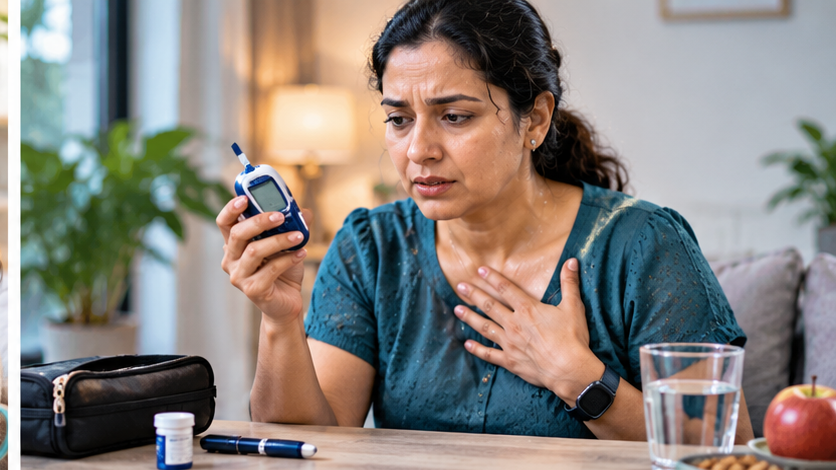
Hypoglycemia typically refers to glucose below 70 mg/dL (3.9 mmol/L). It can produce sweating, a fast heartbeat, shaking, hunger, irritability and anxiety-like sensations. Certain medications, particularly insulin and sulfonylureas, increase risk. Panic can cause overlapping symptoms, but feeling anxious does not prove glucose is low.
If symptoms arise and your treatment plan recommends glucose monitoring, check with a meter or use your glucose-monitoring device as directed. CGM readings may lag behind rapidly changing blood glucose and sometimes need finger-stick confirmation. When low glucose is confirmed, use your prescribed treatment strategy; many alert adults use 15 grams of fast carbohydrate and recheck after 15 minutes, though personalized instructions vary.
Severe confusion, seizure, unconsciousness or inability to swallow safely requires emergency response and glucagon if prescribed and available. Never place food or drink in an unconscious person’s mouth. Repeated episodes should prompt a medication and safety review, not simply reassurance that sensations are caused by panic.
Fear of Hypoglycemia and Avoidance Behaviors
In diabetes and anxiety care, a past severe low or nocturnal episode may create persistent worry about another event. Some people respond by running glucose intentionally high, eating extra carbohydrates without a clinical need, repeatedly checking readings or avoiding exercise and travel. These behaviors are understandable attempts to feel safe, but may increase medical burden.
The ADA 2026 guidance recommends screening people at high risk of hypoglycemia or with frequent or severe lows for fear of hypoglycemia, at least annually or when clinically appropriate. A diabetes team may review medication, risk-reduction strategies, glucagon, suitable alerts and psychological support. This work should be collaborative rather than telling a person to ignore the fear.
Diabetes UK offers dedicated information on hypoglycemia anxiety, including seeking advice from the diabetes team. Fear reduction is safest when the underlying risk of hypoglycemia is also addressed.
Diabetes and Anxiety vs Diabetes Distress
Diabetes distress means emotional pressure connected with the day-to-day demands of diabetes. Anxiety disorders may involve excessive fear, worry, panic or avoidance that extends across many areas of life. Both can coexist, and depression may also be present.
| Concern | Typical focus | Assessment or support |
|---|---|---|
| Diabetes distress | Treatment burden, glucose frustration, costs, complicated routines | Diabetes-specific discussions; PAID or DDS assessment and care-plan support |
| Anxiety disorder | Persistent fear, worry or panic with significant impairment | Clinical interview, appropriate screening tools and evidence-based psychological care |
| Fear of hypoglycemia | Worry and avoidance associated with low glucose | Low-glucose safety review plus targeted psychosocial help |
| Depression | Persistent low mood or loss of pleasure affecting life | Mental-health assessment and appropriate treatment |
Questionnaires are not definitive diagnoses. They begin a clinical conversation about which concerns need attention. Learn more in Diabetes Distress: Signs and Support.
Why Some People Experience More Anxiety
Risk can be shaped by past severe hypoglycemia, repeated alarms, previous anxiety, sleep disruption, fear of injections, complications, social isolation and financial barriers. Parents and caregivers may also worry about nighttime readings or the possibility of emergencies. Risk factors can inform compassionate assessment without proving any one person will develop an anxiety disorder.
New diagnoses, starting insulin, a diabetes-related hospital admission or a change in monitoring technology may increase stress temporarily. A care team should explain why a treatment is needed and how the person can respond to problems, rather than adding tasks without support.
Some people have coexisting chronic pain, thyroid disease or sleep disorders. These can worsen fatigue and anxiety and deserve assessment when symptoms persist. Stigma and judgmental conversations about eating or body weight may further interfere with care.
Diabetes Anxiety Screening and Assessment
For diabetes and anxiety, the ADA 2026 Standards recommend screening for anxiety symptoms at least annually in people with diabetes and addressing concerns within the healthcare team’s competence. Validated measures such as GAD-7 may support assessment of generalized anxiety symptoms, but the diagnosis requires a professional clinical evaluation.
For significant fear of hypoglycemia, clinicians can consider diabetes-specific assessment instruments and questions about avoidance, glucose behavior and past severe events. Instruments must be suitable for the language and age group and followed by appropriate action. BBH does not reproduce copyrighted screening questionnaires or claim to diagnose patients.
A useful assessment includes current glucose therapies, frequency of hypoglycemia, medications, sleep, prior mental-health history, work and household needs and what the person hopes to change. A positive screen without follow-up leaves the central problem unresolved.
Evidence-Based Support for Diabetes-Related Anxiety
Cognitive behavioral therapy (CBT) can help address anxious thoughts, avoidance and patterns of worry. Diabetes education can address genuine uncertainties about monitoring, low glucose treatment and medication timing. Collaborative care involving diabetes and mental-health professionals can be helpful when problems overlap.
Treatment may include psychological therapy, appropriate medications, or both depending on the diagnosed anxiety condition, preferences and medical history. A qualified clinician should assess medication interactions and comorbidities. Changes to medicines can affect sleep, appetite or glucose routines, so follow-up is important.
Support groups and peer conversations may reduce isolation, although peer advice cannot replace insulin instructions. A provider should aim to reduce avoidable fear without dismissing realistic physical risks. For people with repeated hypoglycemia, addressing the medical cause of low glucose is part of mental-health care.

CGM Alarm Fatigue and Repeated Glucose Checking
Continuous glucose monitors may provide valuable warning signals and trend information, yet frequent alerts can increase worry or interrupt sleep. People may begin to watch every small fluctuation, treating expected glucose variation as an emergency. Anxiety related to numbers is a genuine quality-of-life issue.
A clinician can review whether alerts are configured appropriately, which devices are useful and when a meter should confirm unexpected readings. Critical safety alarms should not be disabled independently, particularly in someone who has impaired awareness of hypoglycemia.
The goal is a monitoring plan that generates information people can act on. Tracking more frequently without a clear clinical purpose can sometimes increase burden rather than improve treatment.
How Anxiety Can Affect Daily Diabetes Management
For diabetes and anxiety management, some people respond to fear by checking glucose repeatedly, avoiding exercise or eating more frequently than needed. Others avoid readings because they worry about seeing a high number. Either pattern may make routine care more difficult and deserves nonjudgmental review.
A collaborative appointment should identify which aspect of diabetes care causes the most fear and whether the clinical plan can safely be simplified. Consider food access, glucose device comfort, medication affordability and transportation alongside emotional needs.
The aim is not perfect readings or complete elimination of normal worry. Progress may include better sleep, fewer unnecessary checks, confidence in treating lows, attending appointments and living more freely while continuing essential treatment.
A Seven-Day Support Plan for Anxiety and Diabetes
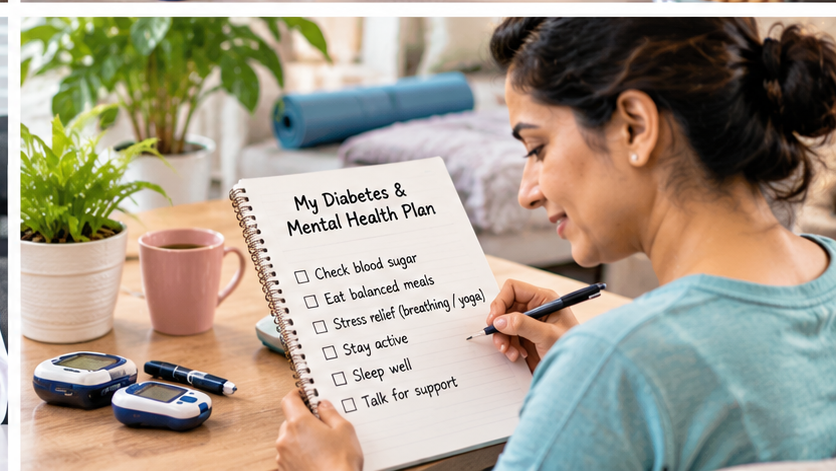
This short plan is for organizing questions and routines, not treating an anxiety disorder independently. Continue essential medicines and follow your professional care plan while seeking help for ongoing symptoms.
| Day | Practical step |
|---|---|
| Day 1 | Identify the situation causing the most worry: lows, alarms, medicines or appointments |
| Day 2 | Review your written plan for low glucose and ask whether supplies are adequate |
| Day 3 | Book or plan a discussion with a diabetes educator or clinician |
| Day 4 | Choose a calming activity that does not interfere with essential monitoring |
| Day 5 | Ask a trusted person for one specific kind of practical support |
| Day 6 | Discuss whether your device alerts or checking routine need professional review |
| Day 7 | Choose one next step and arrange follow-up for persistent anxiety |
A symptom diary may help if kept brief and clinically purposeful. Note patterns such as a new panic-like event around medication timing rather than recording every worry for hours. People for whom extensive logging worsens anxiety can use simpler notes and review them with the clinician.
Family, Work and Healthcare Support
Helpful support respects the patient’s choices and privacy. Ask whether the person wants company at an appointment, help organizing medicines or someone trained in severe low-glucose response. Avoid constant reminders that feel like criticism or pressure to eat perfectly.
Work schedules and caregiving can add financial and emotional strain. Clinicians may be able to suggest a realistic monitoring schedule, referral to social services or workplace accommodations where applicable. Mental-health care is more effective when practical barriers are acknowledged.
Caregivers also need guidance about what constitutes an emergency and what does not. A written plan can reduce unnecessary alarm while clarifying how to act during severe hypoglycemia or other illness.
Medication Safety and Anxiety Treatment
Insulin and some glucose-lowering medications can cause low blood sugar, which may appear similar to panic. Caffeine, stimulant medicines, some respiratory medicines and thyroid treatments can also contribute to jitteriness or palpitations. A professional should review the full medication list when symptoms are new.
Medication prescribed for an anxiety disorder should account for current diabetes treatment, other diagnoses, drug interactions and risks of sedation. A history of mania or hypomania can affect psychiatric prescribing decisions. Do not start, stop or increase psychiatric or diabetes medication without professional review.
Avoid unproven supplements promoted as “natural anxiety cures.” Some have interactions or adverse effects and there is no reason to use them instead of appropriate glucose assessment or evidence-based psychological treatment.
Six Overlooked Questions About Glucose and Anxiety
1. Anxiety can resemble a low, but not every anxious episode is hypoglycemia
Assess symptoms against treatment risk and an appropriate glucose result rather than guessing.
2. Fear can encourage deliberately high glucose targets
The medical team should address both low-glucose prevention and the fear driving avoidance.
3. CGM technology can help and burden the same person
Alert settings, sleep, data overload and treatment usefulness matter.
4. Normal A1C does not mean no anxiety
Emotional assessment is important even when laboratory targets are met.
5. Family members may need support too
Caregiver worries about nighttime lows or emergencies can be significant.
6. Screening without an action plan is incomplete
A referral, treatment review or scheduled follow-up is needed when anxiety is identified.
Diabetes and Anxiety Support in the USA, UK, Canada and Australia
United States: ADA 2026 recommendations include at least annual anxiety screening and assessment of fear of hypoglycemia for higher-risk people. Ask diabetes specialists about diabetes self-management education and a referral to a qualified behavioral-health professional. CDC information explains why low glucose may mimic anxiety.
United Kingdom: Diabetes UK provides emotional-health resources and information on fear of hypos. The NHS may offer talking therapies or other mental-health services through the relevant local referral pathway. Glucose values are typically expressed in mmol/L.
Canada: Provincial diabetes education services, family physicians and mental-health programs may provide assessment and support. Ask about available publicly funded care, costs and culturally appropriate services.
Australia: GPs, diabetes educators and mental-health professionals may provide coordinated care. Discuss available referral and funding arrangements with local services; eligibility varies.
Medical Safety: When Anxiety May Be an Emergency
Frequently Asked Questions
Can diabetes cause anxiety?
The demands of diabetes and fear of complications or low glucose can contribute to anxiety, but anxiety may also have independent causes.
Can anxiety raise blood sugar?
Stress responses may temporarily affect glucose, but the effect varies and does not establish a cause for every elevated result.
Can low blood sugar feel like panic?
Yes. Shaking, sweating, a rapid heartbeat and nervousness can occur with hypoglycemia. Check glucose when indicated.
Does type 2 diabetes cause anxiety disorders?
There is an association, but an individual’s anxiety disorder cannot be explained by diabetes alone without assessment.
What is fear of hypoglycemia?
It is persistent worry about glucose becoming dangerously low, sometimes leading to repeated checking or avoidance.
How often should anxiety screening happen?
ADA 2026 recommends at least annual anxiety symptom screening in people with diabetes.
Does GAD-7 diagnose anxiety?
No. It is a screening or symptom-severity aid; a clinician evaluates the diagnosis and context.
What treatments are effective?
CBT, collaborative care, diabetes education and medications when indicated may help depending on the condition.
Can a CGM make anxiety worse?
For some, frequent alarms and glucose checking increase worry, although CGM can also improve safety.
Should I stop insulin if I feel anxious?
No. Discuss your concerns and any hypoglycemia with the prescribing team rather than stopping essential therapy.
Can diabetes distress and anxiety coexist?
Yes. Diabetes-specific emotional burden and a clinical anxiety disorder may occur together.
When should I seek emergency help?
Severe physical symptoms, unconsciousness, seizures or immediate self-harm risk warrant emergency response.
BBH Main Menu, Submenu, Support and Related Articles
Research References, Medical Disclaimer and Review Status
- American Diabetes Association: Standards of Care in Diabetes—2026, Section 5
- ADA 2026: Summary of Revisions on Anxiety and Fear of Hypoglycemia
- CDC: Diabetes and Mental Health
- CDC: Low Blood Sugar (Hypoglycemia)
- Diabetes UK: Hypoglycemia Anxiety
- Diabetes UK: Professional Guide to Anxiety Disorders
- NIDDK: Healthy Living With Diabetes