Exercise for Prediabetes: Getting Started
Best Exercises for Prediabetes Beginners

Exercise for prediabetes: getting started does not require a gym membership, running shoes worth hundreds of dollars or an overnight transformation. If you have been told your HbA1c or fasting glucose is in the prediabetes range, even modest physical activity can support insulin sensitivity, cardiovascular fitness and future diabetes prevention. The most helpful exercise plan is one you can begin safely and repeat.
Thank you for reading this post, don't forget to subscribe!This research-based guide from Bio & Brain Health Info (BBH) is written primarily for readers in the United States, with practical notes for the UK, Canada and Australia. It draws on the American Diabetes Association (ADA) 2026 Standards of Care, CDC National Diabetes Prevention Program research and patient guidance from Diabetes UK. It covers how to start, what counts as moderate exercise, resistance training, low-impact options and when medical advice is needed.
Exercise for Prediabetes: Getting Started With Confidence
Getting started begins with understanding the condition: prediabetes refers to laboratory glucose results above the usual range but below diabetes thresholds. Insulin resistance is common in this setting, although individual metabolic patterns vary. Active skeletal muscles can take up glucose during movement, and repeated exercise helps the body respond better to insulin over time.
Movement can also improve blood pressure, physical function, sleep and emotional well-being. A person may experience benefits before any substantial change in body weight or HbA1c. A single workout does not cure prediabetes; ongoing activity is one component of preventive care.
The safest starting point depends on current activity, pain, fitness, medicines and the presence of cardiovascular or neurological conditions. An adult who rarely walks may begin very differently from someone who already cycles every weekend. That is appropriate: the goal is gradual, sustainable progress.
What Does the Evidence Say About Exercise and Prediabetes?
The original US Diabetes Prevention Program (DPP) found that an intensive lifestyle intervention lowered the incidence of type 2 diabetes by approximately 58% over about three years compared with placebo in adults at high risk. Participants received nutrition coaching, physical activity goals and weight-management support. The number is a group-level relative risk reduction for the combined intervention; it is not an estimate of exercise’s isolated effect or a guarantee for individuals.
The ADA 2026 Standards recommend referring suitable high-risk adults with overweight or obesity to prevention programs aiming for at least 5–7% sustained weight reduction and 150 minutes of moderate activity weekly. People at lower weights may still benefit from activity, but should not automatically pursue weight loss.
Moderate exercise is not only about glucose. Improving aerobic capacity and strength supports mobility, vascular health and healthy aging. For readers who find the formal target overwhelming, short, repeated sessions are a practical way to build capacity without pretending everyone can immediately complete five 30-minute workouts.
How to Start Exercising When You Have Prediabetes
For exercise for prediabetes, choose one activity you can tolerate: walking, water exercise, stationary cycling, dancing, gardening or an accessible home routine. Start with a duration that feels manageable—even five minutes can be a useful beginning when you have been sedentary. Repeat that duration on several days, then slowly increase it as comfort and confidence grow.
Use supportive footwear, begin with a gentle warm-up and finish with an easier pace. If it is hot, plan for hydration and suitable weather. If pain or mobility limitations are present, choose non-impact alternatives and ask a physiotherapist or clinician about adaptations.
Start with a specific routine, not a vague resolution: “After lunch on Monday, Wednesday and Friday, I will walk for ten minutes.” Linking activity to an existing habit helps make the change realistic. Missing a day is not a reason to compensate with an exhausting workout the next day.
Why 150 Minutes a Week Is a Useful Goal
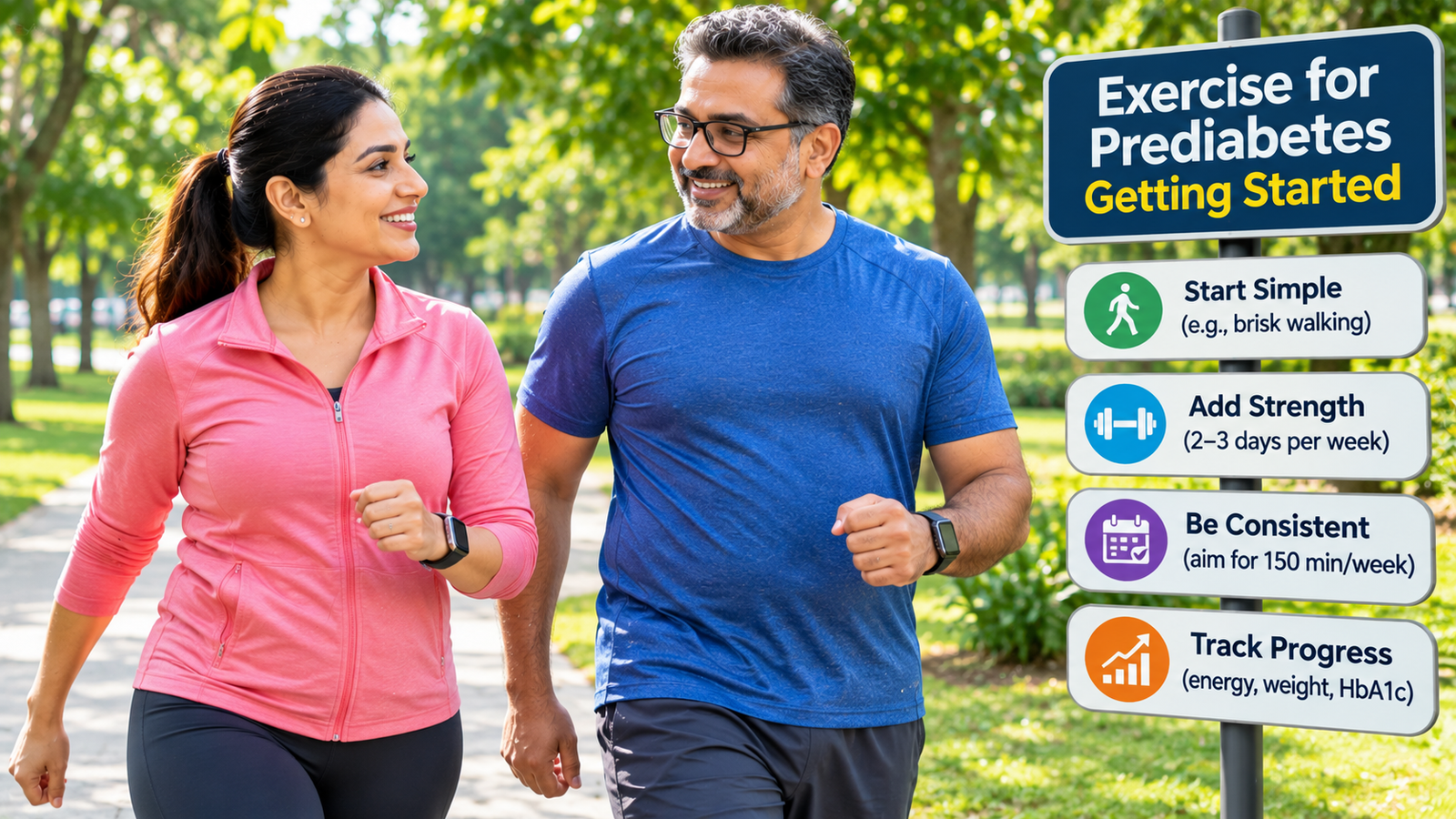
Planning exercise for prediabetes around 150 minutes per week can be flexible: one hundred fifty minutes can be organized as 30 minutes on five days, 25 minutes on six days, or shorter blocks spread across the week. The recommended amount is a long-term target for suitable adults, not a minimum entry requirement for someone starting from very low activity.
A sample gradual progression is three or four walks of ten minutes during week one, then adding time or sessions each week as tolerated. The pace should generally make breathing faster while allowing conversation. An individualized plan can progress more slowly if joint pain, illness, fatigue or other issues occur.
Moderate exercise is typically characterized by the talk test: you can speak in phrases but singing comfortably becomes more difficult. Vigorous activity is not required to benefit from diabetes-prevention programs. More is not automatically better if it causes injuries or makes the routine impossible to maintain.
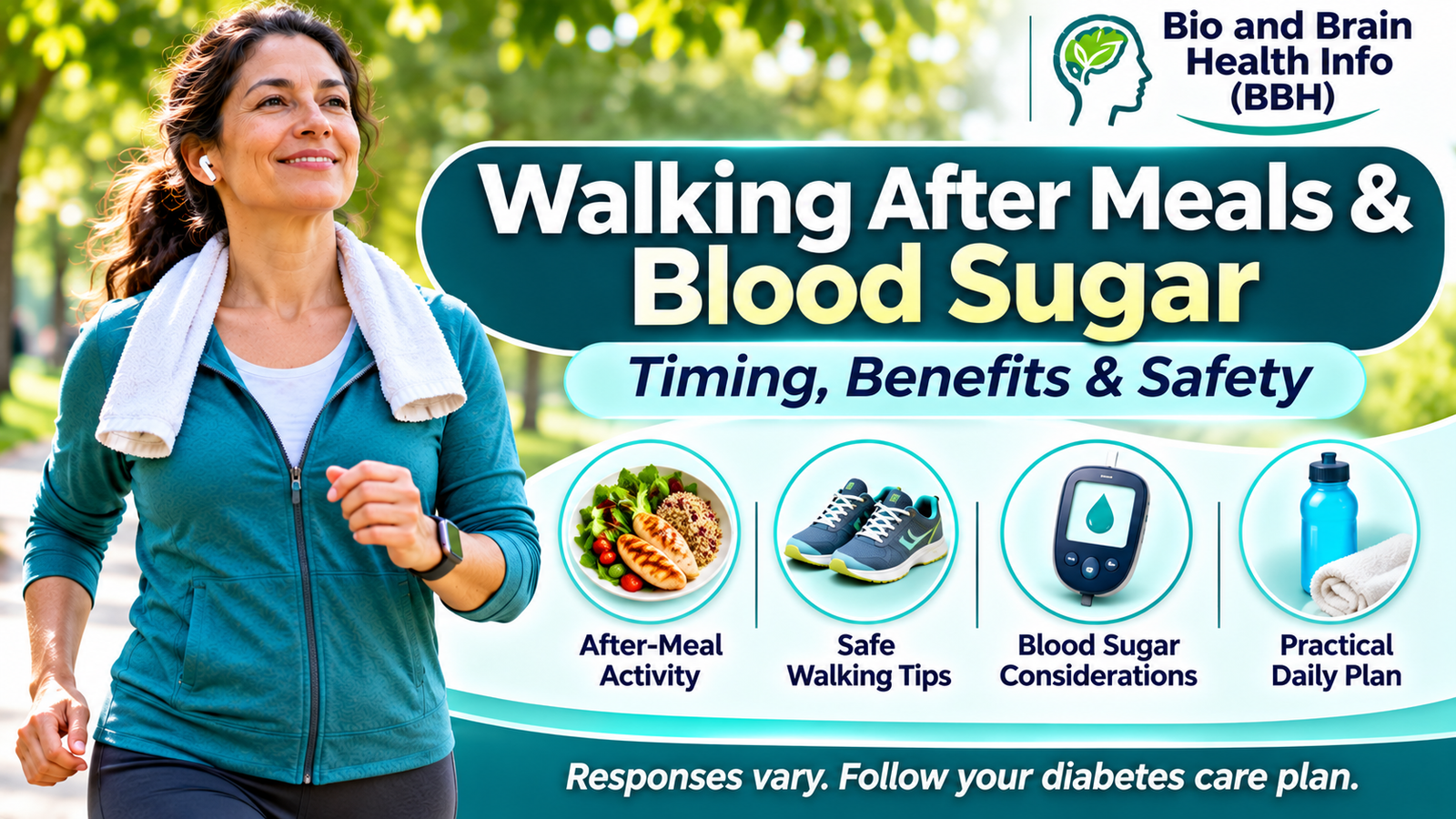
Walking After Meals: A Convenient First Habit
A short, comfortable walk after a meal may help reduce the post-meal glucose rise by increasing muscle use of circulating glucose. It can be a practical way to build total activity, especially for people who do not enjoy structured workouts. The response varies with meal composition, medicines, duration and individual physiology.
Try walking for five to ten minutes after lunch or dinner when safe. If walking immediately after eating is uncomfortable, choose a later time that works. The advantage is adherence: an easy routine performed regularly is more useful than an ambitious plan abandoned after a week.
Walking after meals is not a treatment substitute for established diabetes, nor is it necessary after every snack. People taking medicines associated with hypoglycemia should follow their clinician’s exercise and glucose-monitoring guidance. Explore Walking After Meals and Blood Sugar for timing, monitoring and safety details.
Strength Training for Prediabetes: Why Muscle Matters
Strength-focused exercise for prediabetes matters because muscle tissue plays a major role in glucose uptake. Resistance training can improve strength and insulin sensitivity while preserving function and lean body mass. Simple starting options include wall push-ups, supported sit-to-stand movements, light resistance-band pulls or supervised weights.
Begin with one or two comfortable sets of a few movements, using controlled technique rather than straining. Allow recovery between strengthening sessions. Many adult exercise guidelines suggest two or more days of muscle-strengthening activity weekly; the precise routine depends on fitness and medical conditions.
A qualified trainer or physical therapist can help with joint problems, impaired balance, neuropathy or uncertain technique. Stop movements that create sharp pain or dizziness. Avoid holding your breath during heavy exertion, especially if you have cardiovascular or blood-pressure concerns.
A Four-Week Beginner Exercise Plan
This example is for adults who have no medical reason to restrict movement. It is intentionally modest and can be adjusted downward. A clinician’s individualized exercise prescription takes priority over any online timetable.
| Week | Aerobic activity | Strength or mobility | Key objective |
|---|---|---|---|
| Week 1 | Walk 5–10 minutes on 3–4 days | Try two gentle mobility sessions | Learn which pace is comfortable |
| Week 2 | Walk 10–15 minutes on 4 days | Practice wall push-ups or supported sit-to-stands | Avoid pain and allow recovery |
| Week 3 | Walk 15–20 minutes on 4–5 days | Add one or two light resistance sessions | Break up prolonged sitting |
| Week 4 | Aim for 20–30 minutes on several days if safe | Continue two nonconsecutive strength sessions | Plan gradual progression toward 150 min/week |
If week two feels too difficult, repeat week one. If you are already active, the plan may be too easy; ask about a suitable progression. A long-term program should combine frequency, duration, enjoyment and appropriate strength work rather than focusing solely on step counts.
Low-Impact and Chair-Based Alternatives
Exercise for prediabetes must be adaptable: not everyone can walk outdoors comfortably. Seated marching, gentle arm exercises, chair-based resistance, pool activity and recumbent cycling may allow participation despite knee pain, mobility challenges or reduced endurance. The intensity and benefits depend on the activity actually performed.
For older adults or people with balance difficulties, supervised balance and strength work can improve confidence and reduce fall risk. Avoid unsupervised exercises that challenge balance when falls are likely. An accessible routine should be treated as a legitimate form of prevention, not a lesser version of fitness.
If you have severe neuropathy, an active foot wound or another condition that limits weight bearing, seek a clinician’s guidance before increasing activity. Protecting feet is a priority. Some activities may be safely adapted while a medical problem is treated.
How Hard Should Exercise Feel?
Moderate exertion generally raises your breathing and heart rate while leaving you able to talk. You do not need a smartwatch to use this simple cue. Some medications, especially beta blockers, affect heart rate, so relying entirely on heart-rate targets can be misleading.
Warm up with several minutes of easier movement, increase effort gradually and cool down before stopping. In hot or humid weather, reduce intensity and take appropriate rest and hydration breaks. If walking feels unusually difficult, check whether illness, medication or a health condition is contributing.
Pain is not proof that exercise is working. Muscle fatigue can be normal, but chest pressure, severe breathlessness, near-fainting, unusual weakness or a new neurological symptom requires stopping and assessment.
Blood Glucose, Prediabetes and Hypoglycemia During Exercise
People with prediabetes who are not taking glucose-lowering medication typically do not need to test glucose before and after every brief walk. Home glucose readings are also not accepted as stand-alone diagnostic tests for prediabetes. Ask a clinician whether monitoring provides any value in your situation.
Hypoglycemia risk becomes more important for people using insulin or certain diabetes medications, such as sulfonylureas. These readers need individualized instructions on glucose testing, carbohydrate availability and treatment of lows before beginning a new program. Avoid changing medicine doses on your own.
If you feel sweaty, shaky, confused or faint while exercising, stop and assess the situation. Severe symptoms, inability to swallow safely, loss of consciousness, chest pain or neurological changes need emergency help. Do not drive or continue exercising while symptoms remain unexplained. See Exercise and Blood Sugar: Safety Tips for additional precautions.
Making Exercise Fit Work, Sleep and Family Life
The main barrier is often scheduling, not lack of information. Try a walk during a work break, indoor movement during bad weather, cycling while watching a program or a short walk with family members. A brief routine anchored to a regular event is easier to repeat than an idealized plan requiring uninterrupted free time.
Breaking up long periods of sitting with standing or gentle movement can complement planned exercise. This does not replace the broader weekly target, but it helps people who work at a desk. Consistency is supported by setting reminders, preparing suitable shoes and planning a backup indoor option.
Sleep and recovery matter. An exercise routine that dramatically reduces sleep, aggravates injuries or becomes an exhausting daily obligation is unlikely to be sustainable. Adapt the schedule to shift work and caregiving demands rather than treating missed activity as personal failure.
Can Exercise Help Prediabetes Without Weight Loss?
Yes. Improvements in insulin sensitivity, strength and cardiovascular fitness can occur even if body weight changes little. For adults with overweight or obesity at high risk, modest sustained weight reduction may add benefits, but it is not a prerequisite to begin moving.
Someone at a lower body weight may still have risk factors such as family history, prior gestational diabetes or insulin resistance. That person should not automatically adopt a calorie-restricted diet. For a broader explanation, see Weight and Type 2 Diabetes Prevention.
How to Track Progress Without Excessive Testing
Tracking progress can be simple. Useful measures include minutes of activity, how comfortable a familiar walk feels, strength progress, fatigue, sleep and consistency. You do not need to buy a fitness tracker or chase an arbitrary 10,000-step target. A simple paper calendar can help.
HbA1c and laboratory glucose values are tracked according to clinical advice rather than every few days. ADA guidance generally recommends testing people with prediabetes for progression at least annually, with earlier review when clinical circumstances change. Don’t infer “reversal” from one normal home glucose reading.

What Many Beginner Exercise Articles Miss
1. The DPP result was not from exercise alone
The widely quoted 58% reduction came from a combined lifestyle program involving physical activity, nutrition and behavior change. Describing it as the effect of walking alone would misrepresent the research.
2. Some exercise benefit occurs without weight loss
Fitness and insulin sensitivity can improve independently of large weight changes. Making the scale the only outcome may discourage people who are benefiting from consistent movement.
3. Beginners may need less than 150 minutes at first
The weekly target is an eventual direction for suitable adults, not a pass-or-fail requirement on the first day. Progressive plans are more useful for people with long periods of inactivity.
4. Strength work matters as well as walking
Preserving muscle helps glucose metabolism and daily function. Light resistance exercises can complement aerobic activity when safely performed.
5. Safety and access change the right plan
Pain, neuropathy, cardiovascular symptoms, disability, unsafe neighborhoods and time or financial constraints matter. Seated, indoor and supervised options may be reasonable alternatives.
Exercise for Prediabetes in the USA, UK, Canada and Australia
United States: The ADA 2026 Standards and CDC National Diabetes Prevention Program support approximately 150 minutes of moderate activity per week as a prevention-program goal. CDC-recognized programs may provide lifestyle coaching, in person or remotely.
United Kingdom: Diabetes UK and NHS resources support physical activity for prediabetes and type 2 diabetes risk reduction. Community walking programs and the NHS Diabetes Prevention Programme may be available depending on eligibility and location.
Canada: Canadian adult movement guidance commonly recommends at least 150 minutes of moderate-to-vigorous activity per week alongside strengthening and less sedentary time. Speak with a healthcare provider about adapted goals and local services.
Australia: Australian guidance encourages regular activity, strength work and reducing sitting. GP and accredited exercise physiologist support may be available, with access depending on health needs and local coverage.
Medical Safety: Stop-Exercise Rules
Frequently Asked Questions
What is the best exercise for prediabetes?
Walking, cycling, swimming and other moderate activities can help. The best option is safe, enjoyable and sustainable, with strength exercises added when appropriate.
How many minutes should I exercise?
A common long-term target is at least 150 minutes a week of moderate activity. Beginners can start with shorter sessions.
Is walking enough to prevent diabetes?
Walking can support prevention, but the strongest trial evidence comes from combined lifestyle programs; no one activity guarantees prevention.
Can I exercise for five minutes at first?
Yes. Small, safe sessions can be an appropriate starting point, especially after inactivity.
Does resistance training help insulin resistance?
Regular strength work can improve muscle function and insulin sensitivity, complementing aerobic activity.
Is it better to walk before or after meals?
Both can support activity. Short post-meal walks may reduce some post-meal glucose rises; choose timing you can maintain safely.
Do I need a gym membership?
No. Walking, home exercises, resistance bands and everyday movement can be used without a gym.
Can prediabetes improve without weight loss?
Yes. Physical activity can benefit glucose regulation and cardiovascular health even when body weight changes little.
Should I check glucose before every walk?
Not generally for prediabetes alone. Medication use and medical conditions can change the monitoring plan.
Can exercise cause low glucose?
It is uncommon from prediabetes alone without glucose-lowering medicines, but insulin and some medicines raise risk.
What if I have knee pain?
Consider lower-impact activity and ask a clinician or physiotherapist about appropriate modifications.
How long until I see better HbA1c?
HbA1c reflects roughly two to three months of glucose exposure. Individual responses vary and a clinician should plan follow-up testing.
Related BBH Articles, Menu and Support
References and Medical Disclaimer