Prediabetes Diet: Foods and Planning
Prediabetes Diet: Best Foods & Meal Plan

Prediabetes diet: foods and planning does not mean avoiding every carbohydrate, giving up fruit, or buying expensive foods labeled “diabetic.” The strongest evidence supports sustainable eating patterns that improve food quality, support cardiovascular health, and help people lower their future risk of type 2 diabetes.
Thank you for reading this post, don't forget to subscribe!A practical plan should answer daily questions: What can I eat for breakfast? How much rice or bread fits? Is fruit allowed? Do I need a low-carb diet? Can I follow the same plan in the United States, United Kingdom, Canada or Australia? This guide translates the American Diabetes Association (ADA) 2026 Standards of Care into food choices, meal examples and realistic shopping strategies.
Prediabetes Diet: Foods and Planning Without Food Fear
Prediabetes is a laboratory-defined state of higher-than-usual glucose that does not meet diabetes diagnostic thresholds. Nutrition can help lower risk of progression, but glucose regulation also reflects activity, sleep, medications, genetics and health conditions. This makes food an important tool, not the only determinant.
The ADA 2026 guidance recommends an evidence-based eating pattern rather than one mandatory macronutrient ratio. Good options include Mediterranean-style eating, DASH, plant-based patterns and low-carbohydrate approaches. The most useful choice is one that fits individual health needs, preferences, culture and food budget.
Eating plans should emphasize nonstarchy vegetables, whole fruit, legumes, nuts and seeds, high-fiber grains, suitable protein and healthy fats while reducing sugar-sweetened beverages, highly refined grains and many ultra-processed foods. A registered dietitian can help adapt this to medical conditions or different eating schedules.
Readers searching for prediabetes diet: foods and planning often ask for a “perfect prediabetes diet.” That can lead to unnecessary restriction and quick abandonment. More effective goals include improving the usual breakfast, adding vegetables to lunch, making drinks less sugary, and cooking a few repeatable meals.
Prediabetes Diet Plate Method: Simple Portions
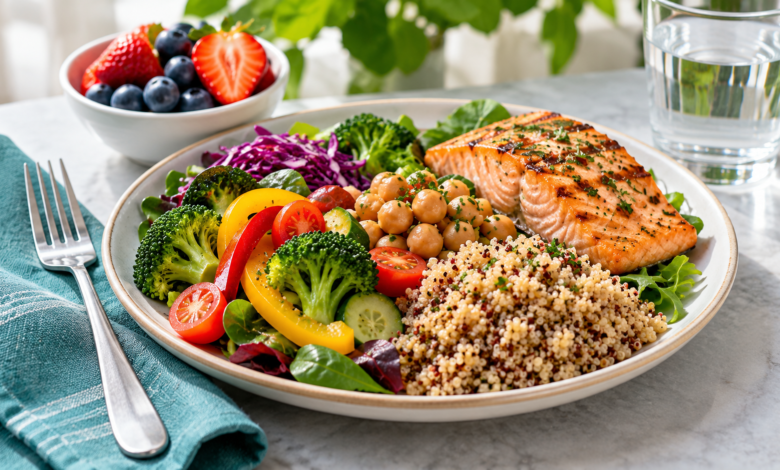
In a prediabetes diet: foods and planning guide, the plate method is a practical starting point rather than a rigid medical prescription. For a typical main meal, fill about half a plate with nonstarchy vegetables, about one-quarter with protein, and about one-quarter with a carbohydrate source such as beans, whole grains or starchy vegetables. Add water and a modest amount of unsaturated fat. People with different energy or protein requirements may need a different balance.
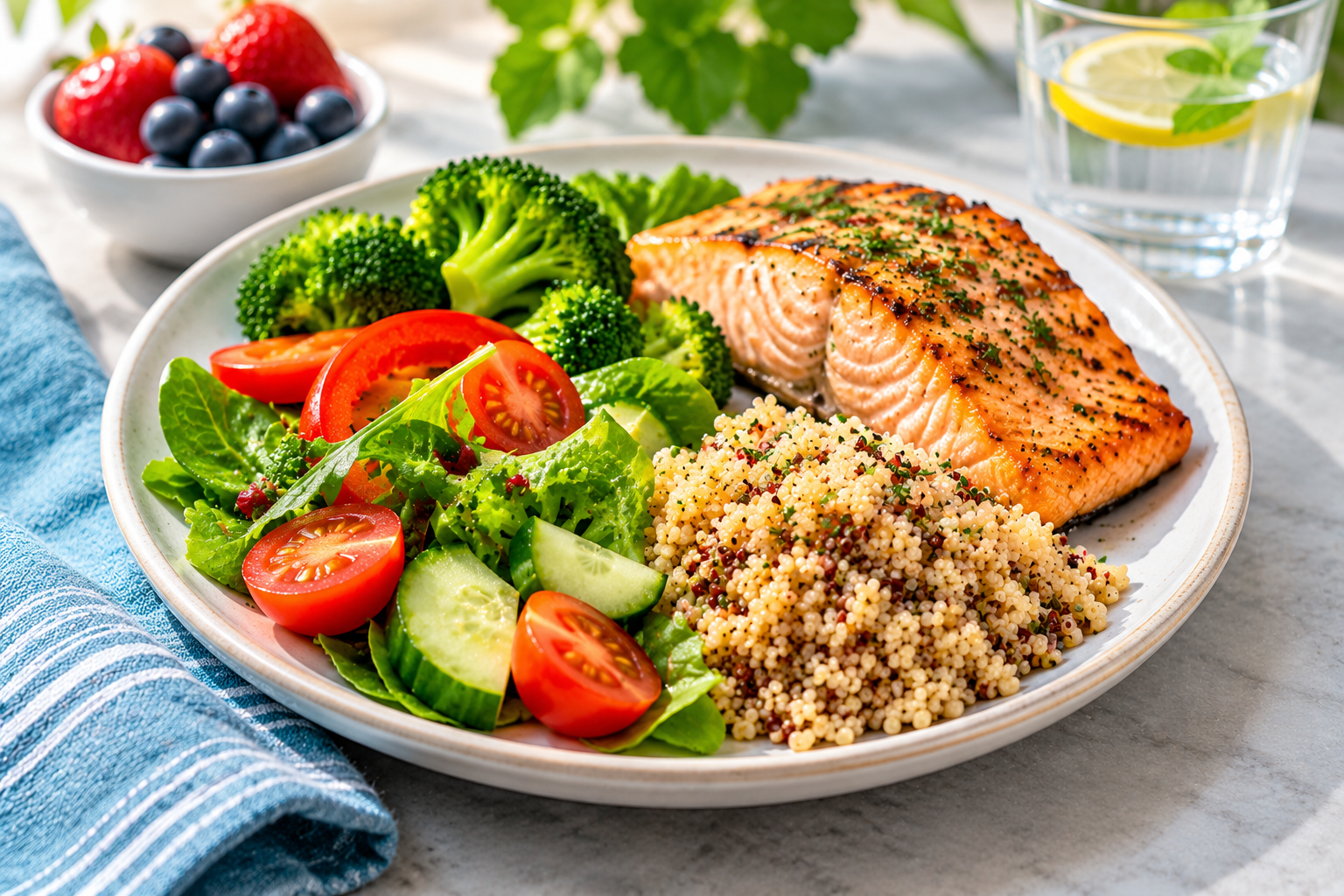
Examples include roasted vegetables with salmon and quinoa; tofu, mixed vegetables and brown rice; chickpea salad with whole-grain toast; or a lentil bowl with vegetables and yogurt. Meals may be vegetarian, vegan, dairy-free or adapted for religious or cultural preferences. Portion sizes still matter, and both excessive and inadequate energy intake can be problematic.
The plate approach works especially well for those who dislike calorie tracking. It is not intended to claim that half a plate of vegetables cancels unlimited added sugar or highly refined food. For readers who already measure carbohydrates, balanced meals can be adjusted using dietitian guidance.
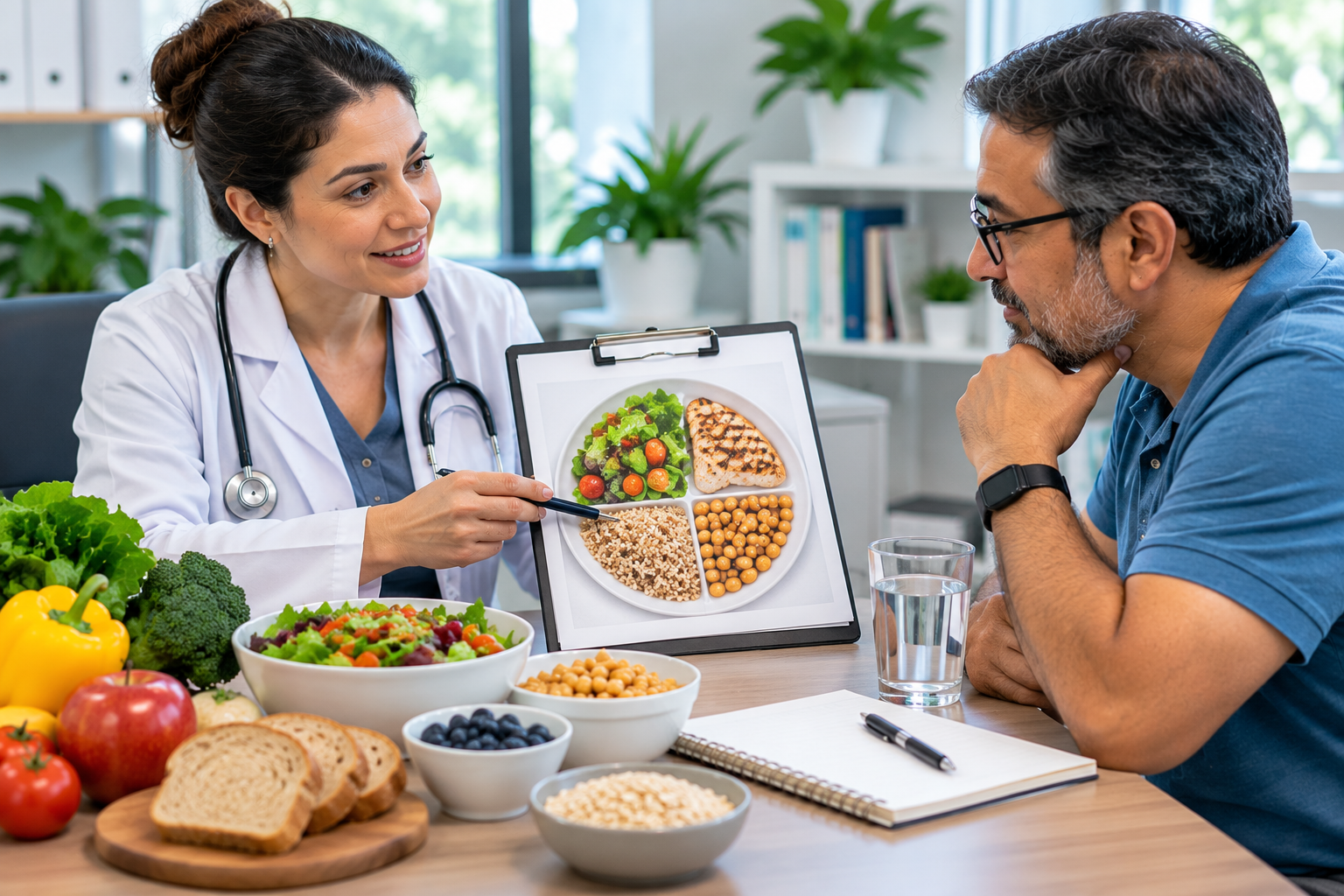
Best Foods to Include in a Prediabetes Eating Plan
Vegetables and whole fruits
Nonstarchy vegetables such as broccoli, leafy greens, tomatoes, cauliflower, peppers and cabbage offer fiber and micronutrients without heavy reliance on refined starch. Whole fruits such as apples, berries, oranges and pears can fit a healthy plan. Fruit juice is less filling and makes it easier to consume larger amounts of free sugars quickly.
Beans, lentils and high-fiber grains
Chickpeas, lentils, beans, oats, barley and whole-grain breads provide fiber and can replace some heavily refined starches. Lentils and beans also supply plant protein. Foods that are “whole grain” still contain carbohydrate, so adjust serving size to your appetite and goals.
Protein sources
Fish, poultry, eggs, unsweetened yogurt, cottage cheese, tofu, tempeh, lentils and beans can help build satisfying meals. Choosing more legumes and fewer processed meats generally improves overall dietary quality. People with chronic kidney disease or other special conditions need individualized protein advice.
Nuts, seeds and healthier fats
Walnuts, almonds, chia, flax, olive oil and avocado can contribute unsaturated fats and useful nutrients. These foods are energy dense, so choose portions that suit your goals rather than treating them as foods with no limits. Highly restrictive low-fat or high-fat claims are less useful than a balanced overall pattern.
Foods and Drinks to Reduce—Not Necessarily Ban
Sugary soda, sweetened tea or coffee, energy drinks and large fruit juices add sugar without much satiety. Water, sparkling water or unsweetened drinks are usually more useful everyday choices. Dessert can still be an occasional part of life; paying attention to frequency and portions is more realistic than labeling foods morally “bad.”
Refined white bread, pastries, many biscuits, sweet breakfast cereals and oversized portions of refined grains may make it harder to achieve energy and nutrition goals. Try higher-fiber alternatives where available. Processed meats and frequent high-saturated-fat foods also matter because cardiovascular health is a priority in prediabetes.
Products sold as “sugar-free” or “diabetic-friendly” are not automatically healthy. They can still contain refined starches, substantial calories or saturated fat. Read the overall ingredient list and nutrition facts rather than relying on a prominent front-of-pack claim.
Prediabetes Diet: Carbohydrates, Rice, Bread and Portion Sizes
A sustainable prediabetes diet: foods and planning approach recognizes that carbohydrates are not identical. A portion of lentils with vegetables, nuts and yogurt differs nutritionally from a sugary drink, even though both can affect glucose. Fiber, food structure, preparation, overall portions and meal composition all influence glucose responses.
Rice, potatoes, pasta, bread and oats do not need to disappear from every prediabetes plan. Use a portion that fits your overall meal, pair starch with protein and vegetables, and choose less refined varieties often. Some people find carbohydrate awareness helpful, while others do better with simple food swaps and a plate approach.
Glycemic index describes the average glucose response to a carbohydrate food under test conditions, but real meals contain mixed ingredients and portions. It is not a complete measure of nutrition: for example, foods with a lower glycemic index may still be energy dense or high in saturated fat. Prioritize food quality and repeatable habits over chasing a perfect GI number.
Which Eating Pattern Is Best for Prediabetes?
Mediterranean-style: emphasizes plant foods, whole grains, legumes, olive oil, fish and moderate amounts of other proteins. This pattern aligns well with broader cardiovascular prevention. DASH: emphasizes vegetables, fruit, suitable dairy or alternatives, whole grains and less sodium, with special relevance when blood pressure is elevated.
Plant-based: can work well when protein, iron, B12 and other nutrients are planned appropriately. Lower-carbohydrate: may suit some people who prefer fewer refined starches, but there is no universal need for ketogenic eating. A heavily restrictive plan can become nutritionally unbalanced or hard to sustain.
The ADA recommends individualized nutrition therapy. For people with overweight or obesity, structured diabetes-prevention programs often seek modest weight reduction as one pathway to lower risk. For those already at a healthy weight, pregnant, frail or underweight, the goal should not automatically be further weight loss.
Seven-Day Prediabetes Diet Meal Plan: Flexible Example
For prediabetes diet: foods and planning, the following is a non-calorie-prescribed educational example for adults who can eat a usual mixed diet. Serving sizes should be adjusted for energy needs, cultural preferences, allergies, access and medical conditions. Snacks are optional; they should reflect hunger and medication needs rather than an automatic requirement.
| Day | Breakfast | Lunch | Dinner |
|---|---|---|---|
| Monday | Plain Greek yogurt or unsweetened soy yogurt, berries, oats | Bean-and-vegetable salad with whole-grain bread | Grilled fish or tofu, vegetables and quinoa |
| Tuesday | Vegetable omelet or tofu scramble with whole-grain toast | Lentil soup and mixed salad | Chicken or chickpeas with roasted vegetables and brown rice |
| Wednesday | Oats with chopped nuts and fruit | Tuna or white-bean wrap with crunchy vegetables | Bean chili with vegetables and modest potato portion |
| Thursday | Unsweetened yogurt, seeds and whole fruit | Hummus, salad, boiled eggs or tofu and whole grains | Vegetable stir-fry with tofu and brown rice |
| Friday | Whole-grain toast with nut butter and fruit | Chickpea grain bowl with herbs and vegetables | Baked salmon or lentil patties and steamed greens |
| Saturday | Savory oats with vegetables or eggs | Bean-and-vegetable soup with salad | Home-cooked lean protein, mixed vegetables and whole-grain pasta |
| Sunday | Plain yogurt with oats, seeds and berries | Vegetable and lentil bowl with a small grain portion | Roasted vegetables with chicken, tofu or beans and barley |
Optional snacks include whole fruit with a few nuts, plain yogurt, vegetable sticks with hummus, or a portion of roasted chickpeas. A useful plan is built around meals you enjoy and can repeat; nutritional adequacy and cost matter as much as glucose-related benefits.
Prediabetes Grocery List and Low-Cost Meal Preparation
In prediabetes diet: foods and planning, build a weekly list around affordable staples: frozen or fresh vegetables, canned beans with little added sodium, dry lentils, oats, eggs or tofu, plain yogurt or fortified alternatives, seasonal fruit, and a few whole-grain options. Frozen produce can be nutritious and often wastes less. Choose canned options without excess sugar and rinse beans where appropriate.
Prepare one pot of lentils, a tray of vegetables and a protein source ahead of time. Keep foods separate so meals do not feel repetitive: lentils can become soup, a salad addition or a vegetable stew. For a busy workday, having a protein-and-fiber breakfast available may be more practical than an elaborate meal schedule.
Restaurant meals can be adapted by requesting vegetables, water, sauces on the side and a comfortable starch portion. You do not need to buy special diabetes-branded snacks. A plain, inexpensive meal built from ordinary ingredients can be healthier than a costly packaged product.
Medical Safety: Pregnancy, Kidney Disease, Medicines and Eating Disorders
Prediabetes dietary advice is not a substitute for gestational diabetes care. Pregnancy changes nutritional needs, glucose targets and testing. People with chronic kidney disease may need individualized potassium, protein or other guidance. Those with diabetes already taking insulin or sulfonylureas can experience low glucose with drastic carbohydrate reductions.
People with a history of disordered eating should avoid rigid self-monitoring that triggers harmful behavior and consider professional support. Older adults, children and individuals with high nutritional needs may require approaches focused on adequate intake rather than weight loss. Supplement marketing does not establish that cinnamon, berberine or “blood sugar detox” products are safe or effective substitutes for evidence-based care.
What Most Prediabetes Diet Articles Miss
You do not need to eliminate whole fruit
Fruit juice and whole fruit are not interchangeable. Whole fruit contributes fiber and tends to be more satisfying. Portion size and the overall eating pattern still matter, but discouraging all fruit may reduce nutritional variety unnecessarily.
A healthy diet can work without weight loss
Some people are at increased glucose risk at lower body weights. Better food quality, physical activity and cardiovascular risk management can still be meaningful goals. Weight-loss targets should be individualized rather than assumed for every reader.
Price and cultural preferences affect adherence
A plan requiring expensive specialty products is unlikely to suit everyone. Beans, lentils, seasonal produce, frozen vegetables, traditional grains and familiar home-cooked recipes can fit prediabetes prevention. Adapt methods, not the person’s identity or entire food culture.
A1C is not the same as a meal-by-meal glucose reading
Prediabetes is defined using appropriate laboratory tests and clinical criteria. A single home glucose spike after a large meal does not establish prediabetes, and average HbA1c does not reveal every daily fluctuation. For diagnostic context, read Prediabetes Blood Sugar and HbA1c Levels.
Nutrition counseling is a healthcare service, not a luxury
Evidence supports individualized medical nutrition therapy and structured diabetes-prevention programs. Ask a healthcare professional about access to a registered dietitian and community programs. A realistic plan with follow-up is often more valuable than dozens of disconnected online recipes.
A Simple Four-Week Prediabetes Diet Action Plan
- Week 1: Observe your usual meals without judgment. Replace one sugary drink with water and add vegetables to one daily meal.
- Week 2: Choose two fiber-rich staples, such as beans and oats. Practice a balanced plate for lunch or dinner on most days.
- Week 3: Plan three repeatable meals and a grocery list. Adjust food amounts according to hunger and health needs, and add safe physical activity.
- Week 4: Review which changes were affordable and sustainable. Discuss ongoing risk, blood pressure and future glucose testing with your clinician.
Prediabetes diet: foods and planning works best with activity and support. A structured lifestyle approach in the US Diabetes Prevention Program reduced diabetes incidence among high-risk adults. The CDC describes program targets that included 5–7% weight reduction among participants with overweight or obesity and at least 150 minutes of weekly moderate activity. These are program goals for suitable individuals, not requirements that everyone should pursue.
Prediabetes Diet Advice in the USA, UK, Canada and Australia
United States: The ADA 2026 Standards support individualized Mediterranean, plant-based, DASH and lower-carbohydrate patterns. The CDC National Diabetes Prevention Program offers structured lifestyle coaching. Look for culturally relevant options and coverage through your healthcare plan.
United Kingdom: Diabetes UK explains that no single food must be completely forbidden to lower type 2 diabetes risk. Eatwell-style principles emphasize plant foods, fiber and replacing sugary drinks. Some eligible people can access the NHS Diabetes Prevention Programme.
Canada: Canada’s Food Guide emphasizes vegetables and fruit, whole grains and protein foods, especially plant proteins. Canadian diabetes professionals can tailor meal plans and screening pathways to local diagnostic criteria and food preferences.
Australia: Australian dietary guidelines and diabetes-prevention resources emphasize vegetables, whole-grain foods, adequate protein and limiting discretionary high-sugar foods. Local dietitian and GP support may help people adapt these recommendations to their circumstances.
Frequently Asked Questions
What is the best diet for prediabetes?
No single diet is best for everyone. Mediterranean-style, DASH, plant-based and well-planned lower-carbohydrate patterns can support prevention; food quality and sustainability matter.
Can I eat rice if I have prediabetes?
Yes. Adjust portions to your needs, often choose whole-grain options, and combine rice with vegetables and protein.
Should I stop eating all sugar?
It is useful to reduce added sugars and sugary drinks, but rigidly banning all sugar-containing foods is not required.
Are bananas, apples and berries allowed?
Whole fruits can be part of a balanced prediabetes eating pattern. Portion size and overall nutritional quality remain relevant.
Do I need to count every carbohydrate?
Not necessarily. Some benefit from carb awareness, while others use the plate method and consistent meal planning.
Is oatmeal good for prediabetes?
Plain oats can provide fiber and fit a balanced breakfast. Toppings, portions and personal needs should guide choices.
Can I reverse prediabetes with diet?
Glucose measures may return to lower-risk ranges for some people, but no diet guarantees a permanent reversal or eliminates future risk.
Should I skip breakfast or fast?
No universal fasting schedule is required. Meal timing should reflect medical needs and any glucose-lowering medicines.
Is keto required to prevent type 2 diabetes?
No. Evidence supports several eating patterns. Restrictive ketogenic approaches are not mandatory and may not suit everyone.
What should I drink?
Water and unsweetened beverages are practical everyday choices. Reducing sugary drinks can improve diet quality.
Will I need metformin?
Not everyone with prediabetes requires medication. Clinicians may consider metformin for selected higher-risk adults.
Can I follow a prediabetes plan while vegetarian?
Yes. Beans, lentils, tofu, fortified foods, nuts and whole grains can help build adequate meals, with nutrition advice where necessary.
BBH Menu, Submenu, Support and Five Related Articles
Research Sources and Medical Disclaimer