Diabetes and Sleep Problems
Diabetes and Sleep: Causes and Better Rest

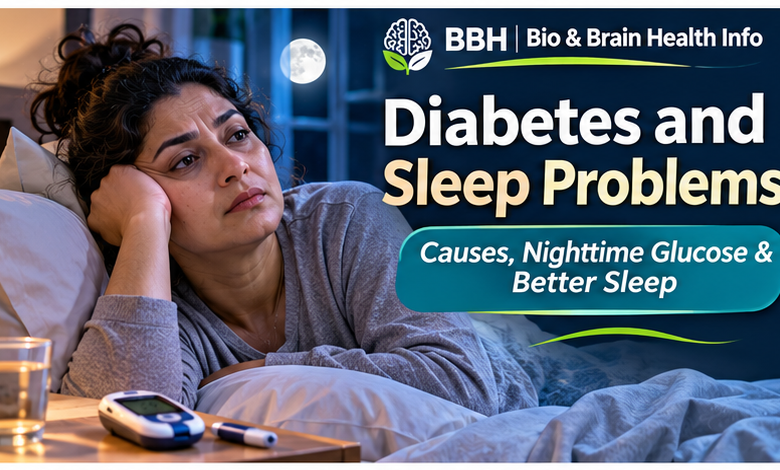
Diabetes and sleep problems frequently overlap. Some people wake to urinate or drink water, others fear a nighttime glucose low, and some struggle with insomnia, pain, restless legs or obstructive sleep apnea. Poor sleep can also make glucose regulation more difficult. Understanding the cause of disrupted sleep matters more than following a generic bedtime checklist.
Thank you for reading this post, don't forget to subscribe!This evidence-based guide from Bio & Brain Health Info explains how sleep and diabetes interact, what symptoms warrant screening and what a safe evening routine may involve. It prioritizes United States readers through American Diabetes Association (ADA) 2026 guidance, and adds country-specific context for the UK, Canada and Australia.
Diabetes and Sleep Problems: Why They Are Connected
Sleep is important for hormonal regulation, appetite, memory and glucose metabolism. Research associates chronic short or disrupted sleep with greater type 2 diabetes risk. Sleep disturbance can also make established diabetes harder to manage through fatigue, altered daily routines and other metabolic pathways. However, a bad night’s sleep does not automatically predict a particular fasting glucose reading.
The ADA 2026 Standards discuss sleep duration and sleep disorders as part of comprehensive diabetes care. The guidelines recommend screening for sleep health and problems such as insomnia, sleep apnea and sleep-related concerns. Screening means asking about symptoms and identifying when more focused clinical testing is appropriate; it does not mean every person requires an overnight sleep study. ADA Standards 2026, Section 5.
People with type 1 diabetes may experience fear of nocturnal hypoglycemia or technology alarm burden. People with type 2 diabetes may also face obstructive sleep apnea, nighttime urination, neuropathic pain or restless legs. Both groups can have ordinary insomnia unrelated to glucose and deserve individualized evaluation.
Diabetes and Sleep Problems: Symptoms Worth Discussing
Trouble falling asleep, waking repeatedly, waking too early, unrefreshing sleep, headaches on waking, daytime tiredness, snoring, witnessed breathing pauses, unusual nighttime sweating and recurring bathroom trips are examples. None of these symptoms establishes the cause on its own. A sleep history should include when problems began and whether medications or health conditions changed at the same time.
A useful appointment description includes bedtime and wake time, shift work, possible snoring, nighttime glucose readings when available, thirst, pain, medication use, alcohol and caffeine habits, and the impact on daytime concentration or driving. A brief diary for one or two weeks may help identify a pattern without requiring compulsive glucose checking.
Urgent symptoms need care immediately; persistent sleep disturbance deserves a scheduled evaluation even when there is no emergency. Do not attribute severe daytime sleepiness solely to diabetes without considering sleep apnea, sedating medicines or another medical condition.
Diabetes and Sleep Problems: Insomnia
Insomnia means persistent difficulty initiating or maintaining sleep, or waking too early, despite adequate opportunity to sleep, with resulting daytime impairment. Short-term episodes may arise after illness or stress, while chronic insomnia can persist for months. Glucose fluctuations may contribute in some people, but insomnia should not automatically be blamed on high or low blood sugar.
Cognitive behavioral therapy for insomnia (CBT-I) is widely recommended as first-line treatment for chronic insomnia. It addresses unhelpful sleep-related behaviors and beliefs through a structured approach. Sleep hygiene alone can be helpful but may be insufficient to treat established chronic insomnia; referral to a qualified professional is appropriate.
People with diabetes should have sleep restriction components of CBT-I individualized, especially when vulnerable to hypoglycemia, sleepiness-related accidents or certain mental-health conditions. Do not follow extreme sleep deprivation protocols from online videos.
Diabetes and Sleep Problems: Sleep Apnea
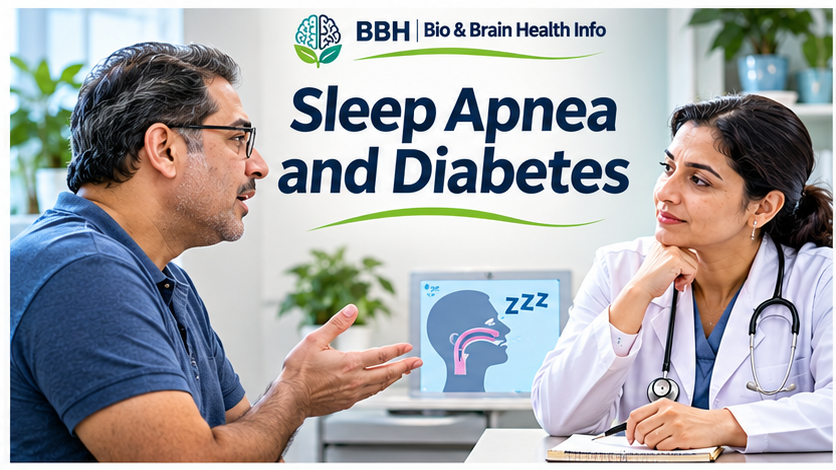
Obstructive sleep apnea (OSA) occurs when the upper airway repeatedly narrows or closes during sleep, causing interrupted breathing and fragmented rest. Common clues include loud snoring, breathing pauses noticed by a partner, gasping or choking awakenings, morning headache and excessive daytime sleepiness. Some people have OSA without obvious sleepiness.
OSA is common among adults with type 2 diabetes, but estimates vary greatly by population and testing method. Higher body weight is an important risk factor, yet people at lower weights can also have OSA. An appropriate clinician can assess symptoms and decide whether home sleep apnea testing or an attended sleep study is needed. ADA Standards 2026, Comprehensive Medical Evaluation.
Treatment can include positive airway pressure (PAP/CPAP), oral appliances in selected cases, positional therapy or other individualized approaches. Treating OSA improves sleep and related outcomes, but should not be advertised as a guaranteed cure for diabetes or a replacement for glucose-lowering medication.
Diabetes and Sleep Problems: Nighttime Blood Sugar
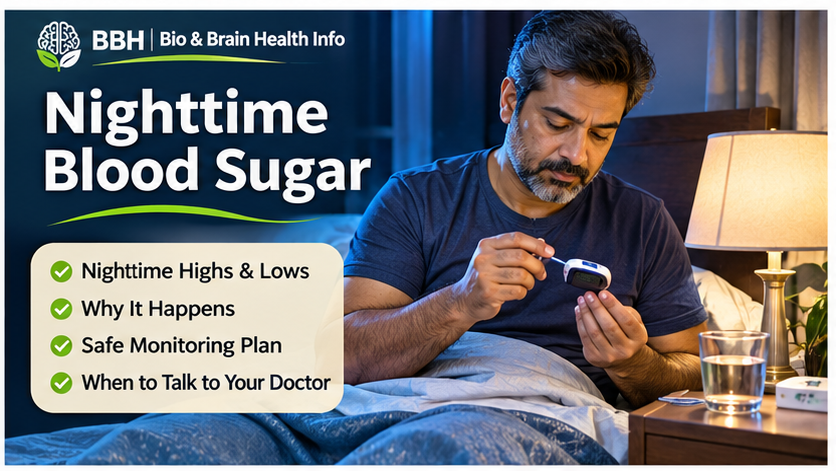
Low glucose during sleep may cause sweating, nightmares, disturbed sleep or waking with symptoms, but some people do not wake or notice a low at all. Risk is particularly important in people who use insulin or certain medicines such as sulfonylureas. Glucose below 70 mg/dL (3.9 mmol/L) generally requires prompt action under the person’s treatment plan. Severe hypoglycemia can cause seizures or loss of consciousness.
High glucose can contribute to increased urination, thirst and disrupted rest, especially when persistently elevated. However, waking to urinate can also occur with sleep apnea, urinary conditions, diuretics, late fluid intake or other causes. A person should not assume that all nocturia is caused by glucose.
People using a continuous glucose monitor (CGM) may benefit from alerts when clinically appropriate, but compression artifacts or other sensor problems can produce misleading readings. Follow device guidance for finger-stick confirmation when symptoms and readings disagree. The clinician should help interpret recurring overnight highs or lows before any dose adjustments. NIDDK: Low Blood Glucose.
The “dawn phenomenon” describes increased glucose toward morning, often related to counterregulatory hormones. It is not safe to assume a high morning value was caused by a prior nighttime low; that rebound explanation is frequently overused without supporting measurements. Recurrent morning highs need an individualized medication, meal and overnight-data review.
Neuropathy, Restless Legs and Nighttime Urination
Burning, tingling, pain or altered sensation from diabetic neuropathy may be more noticeable at night and interfere with sleep. Other causes of nighttime leg symptoms include restless legs syndrome, medication effects, cramps and peripheral vascular problems. They require different treatments, so the exact symptom pattern matters.
Restless legs syndrome usually involves an urge to move the legs, often accompanied by discomfort that is worse during rest and in the evening and relieved by movement. A clinician may consider iron studies and other contributing conditions as appropriate. Do not start high-dose iron or sedating medicines without evaluation.
Frequent nighttime urination may result from fluid timing, diuretics, sleep apnea, infection or uncontrolled glucose. Discuss persistent symptoms, especially urinary pain, blood in urine, swelling, abnormal thirst or sudden changes. For related guidance see Diabetic Neuropathy: Symptoms and Care.
Shift Work, Irregular Bedtimes and Diabetes
Shift work can disturb circadian rhythms, mealtimes and glucose-monitoring routines. Those challenges are not simply poor self-discipline; rotating shifts alter when sleep is possible. Workers who use insulin may need tailored meal, medication and glucose schedules from the diabetes team.
Try to preserve a realistic main sleep period, use a cool and dark room, reduce noise, coordinate caffeine with the actual sleep period and discuss safe alertness strategies. Circadian disruption can make standard “sleep by 10 PM” advice impractical. CDC: Diabetes and Shift Work.
What to Ask Your Doctor About Sleep Health
To evaluate diabetes and sleep problems, a sleep assessment may review schedule, sleep duration, daytime impairment, snoring, medications, glucose patterns, mood, caffeine use and possible restless legs. Some people need sleep apnea testing; others need CBT-I or targeted evaluation of neuropathy, urinary symptoms or low glucose. A sleep diary and medical history often provide more useful starting information than purchasing a sleep wearable.
The Epworth Sleepiness Scale, STOP-Bang questionnaire and insomnia assessment instruments can sometimes inform care, but they are screening aids, not stand-alone diagnoses. Home sleep trackers cannot diagnose apnea or determine why glucose changes. A clinician should choose validated tests for the clinical question.
Evidence-Based Care for Better Sleep With Diabetes
Treatment for diabetes and sleep problems should match the cause. CBT-I is a first-line evidence-based approach for chronic insomnia; PAP treatment can be effective for diagnosed OSA; neuropathy and restless legs need condition-specific care; and recurring nocturnal glucose lows require a diabetes medication and safety review.
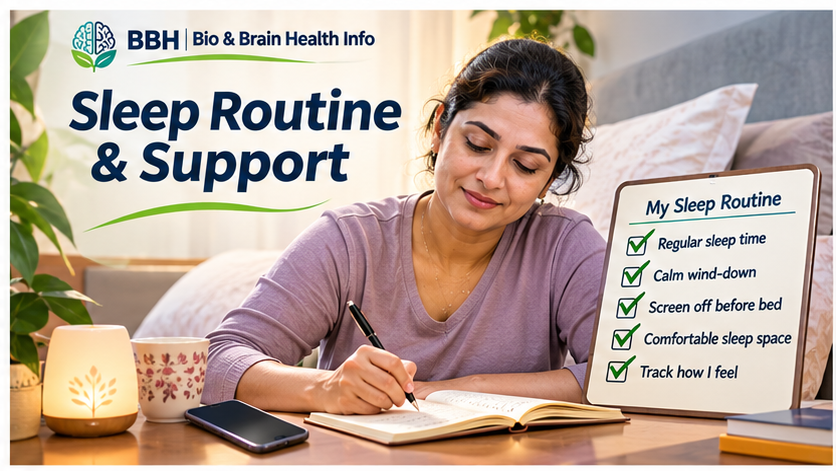
General habits can support sleep: reasonably regular sleep and wake times, a dark and quiet room, daylight exposure when awake, activity at appropriate hours and a gradual wind-down before bed. Limit late caffeine if sensitive and reduce unnecessary screen stimulation. Sleep strategies work best when they fit work, family life, disability and medication requirements.
Do not use alcohol as a sleep remedy. Alcohol can fragment sleep, worsen apnea and increase hypoglycemia risk in people taking certain diabetes medicines. Over-the-counter antihistamines, melatonin and supplements are not automatically safe or effective for everyone. Ask a clinician or pharmacist about interactions and adverse effects.
A Seven-Day Sleep Improvement Checklist
| Day | Action |
|---|---|
| Day 1 | Write down typical sleep and wake times and your main nighttime problem |
| Day 2 | Review caffeine, alcohol and screen habits without changing essential glucose alarms |
| Day 3 | Consider whether snoring, breathing pauses or daytime sleepiness merit an appointment |
| Day 4 | Use a gentle wind-down period and a dark, comfortable sleep space |
| Day 5 | Check prescribed medicine timing and discuss suspected overnight glucose problems |
| Day 6 | Address pain, frequent urination or restless legs with appropriate medical questions |
| Day 7 | Review what helped and arrange follow-up for persistent sleep disturbance |
Managing diabetes and sleep problems involves more than checklists. This checklist supports observation and habit formation; it is not a treatment for sleep apnea, established chronic insomnia or recurrent hypoglycemia. The target for many adults is generally around seven to nine hours of sleep, but needs vary and adequate opportunity for sleep matters. A professional can help when this goal is not achievable or sleep is unrefreshing.
Diabetes Medicines, Sleep Aids and Safety
Insulin, sulfonylureas and other therapies carry different hypoglycemia risks. Medication timing, late exercise, a missed meal or alcohol can matter for certain people. A high fasting glucose reading does not automatically justify adding bedtime medication. Treatment changes need personalized professional input.
Sleep medications can cause next-day sedation or affect breathing in susceptible individuals; some may be problematic for people with untreated OSA. Sedative combinations and alcohol can be especially hazardous. Do not combine or increase sleep aids to compensate for continuing symptoms without review.
If symptoms include unusually reduced need for sleep, extreme mood elevation, agitation or new behavioral changes, seek mental-health assessment rather than simply taking a stronger sleeping pill. Sleep can be disturbed by psychiatric and medical conditions beyond ordinary insomnia.
Six Content Gaps Often Missed in Diabetes Sleep Articles
1. Nighttime sweating does not always mean low glucose
Evaluate symptoms and glucose data when appropriate rather than using sweating as a diagnosis.
2. Morning highs are not necessarily rebounds from overnight lows
Discuss dawn phenomenon, medication timing and patterns rather than guessing.
3. CPAP treats apnea, not diabetes itself
Sleep apnea treatment can improve sleep and health but is not a substitute for diabetes treatment.
4. Sleep trackers cannot diagnose disease
Wearable data may prompt a conversation but validated clinical testing identifies specific disorders.
5. Technology alarms can reduce sleep quality
Discuss CGM alarm fatigue and clinically appropriate safety settings rather than disabling important alerts.
6. Shift workers need individualized advice
Standard bedtime routines may be inappropriate for rotating shifts; care plans should fit real schedules.
Diabetes Sleep Care in the USA, UK, Canada and Australia
United States: ADA Standards of Care 2026 recommend screening sleep health for people with prediabetes, diabetes and those at risk. Ask your primary-care clinician or diabetes team about sleep apnea assessment, CBT-I and sleep-specialist referrals as appropriate.
United Kingdom: Diabetes UK provides guidance on sleep and diabetes. A GP may assess snoring, insomnia, medication effects and whether an NHS sleep-service or psychological therapy referral is appropriate.
Canada: Ask a family doctor or diabetes education team about sleep-apnea assessment, insomnia management and locally available sleep clinics. Provincial coverage and referral pathways vary.
Australia: A GP can evaluate symptoms and refer to sleep physicians, psychologists trained in CBT-I or other services where indicated. Costs and eligibility depend on local care arrangements.
Medical Safety: When Sleep Symptoms Need Urgent Care
Frequently Asked Questions
Can diabetes cause insomnia?
Diabetes-related symptoms may disrupt sleep, but insomnia can have independent causes and needs its own assessment.
Does poor sleep raise blood sugar?
Insufficient or disrupted sleep may affect insulin sensitivity and glucose regulation, though individual responses vary.
Can low glucose happen during sleep?
Yes, especially with insulin or certain medicines. Some people do not wake during a low.
Why do I wake up to urinate at night?
High glucose is one possibility, but sleep apnea, diuretics, fluid intake and urinary disorders may also contribute.
Is sleep apnea more common in type 2 diabetes?
It is common, but prevalence depends on the population; clinical evaluation is appropriate for suggestive symptoms.
Does CPAP cure type 2 diabetes?
No. PAP treats obstructive sleep apnea and may improve sleep, but is not a replacement for diabetes therapy.
What causes high blood sugar in the morning?
Dawn phenomenon, medication patterns, food timing or other factors may contribute. The pattern needs individual review.
How much sleep should adults aim for?
Many adults benefit from about seven to nine hours, although needs and individual circumstances vary.
Is melatonin safe with diabetes?
Safety and usefulness depend on medicines and circumstances; discuss supplements with a professional.
Do I need to measure glucose every night?
Not necessarily. Monitoring frequency depends on the diabetes regimen and hypoglycemia risk.
Can neuropathy disrupt sleep?
Yes. Nerve pain can interfere with sleep and may need specific treatment.
What is best for chronic insomnia?
CBT-I is a strongly supported first-line treatment for many adults with chronic insomnia.
Can shift work worsen diabetes management?
Irregular sleep and meals can complicate glucose regulation; an individualized plan can help.
When should I see a sleep specialist?
Discuss persistent insomnia, breathing pauses, significant snoring or serious daytime sleepiness with a clinician.
BBH Main Menu, Submenu, Support and Five Related Articles
Research Sources and Clinical Review Status