Diabetic Neuropathy: Symptoms and Care
Diabetic Nerve Damage: Symptoms and Care


Diabetic neuropathy symptoms and care deserve attention even when pain is mild—or completely absent. Diabetes-related nerve damage can cause burning feet, tingling, altered sensation, weakness, digestive problems and dizziness. In some people, the first important sign is not pain but a blister or foot wound they cannot feel.
Thank you for reading this post, don't forget to subscribe!Early evaluation matters because not all nerve symptoms in someone with diabetes are caused by diabetes. Vitamin B12 deficiency, thyroid conditions, kidney disease, medication effects and nerve compression can produce similar complaints. This practical educational guide uses the 2026 American Diabetes Association (ADA) Standards of Care, US National Institute of Diabetes and Digestive and Kidney Diseases (NIDDK) materials, and guidance relevant to the UK, Canada and Australia.
What Is Diabetic Neuropathy?
Diabetic neuropathy is a family of nerve disorders associated with diabetes. The most common form is distal symmetric polyneuropathy, which usually starts in the toes and feet and may gradually travel upward. It often affects both sides in a stocking-like pattern, although experiences differ. Damage to small fibers can cause burning or sharp pain; involvement of larger sensory fibers can reduce vibration, position sense and protective sensation.
High glucose exposure contributes to nerve injury through several mechanisms, including metabolic stress and changes in the small blood vessels supplying nerves. Blood pressure, cholesterol, smoking and diabetes duration can also influence risk. People with type 1 or type 2 diabetes may be affected. Effective prevention aims to protect nerve function and reduce downstream injuries; it cannot promise to reverse established damage.
Diabetic Neuropathy Symptoms and Care: Early Signs

Symptoms may be intermittent, worse at night, or so gradual they are overlooked. The following signs should be discussed with a clinician rather than automatically treated with supplements or painkillers.
- Burning, pins-and-needles, electric-shock or stabbing pain in the toes or feet
- Numbness, reduced temperature awareness or difficulty sensing small injuries
- Unusual sensitivity to bedsheets or light touch (allodynia)
- Unsteadiness, particularly in low light, or repeated tripping
- Muscle weakness, altered reflexes or difficulty with fine movements
- Dry cracked skin, foot shape changes, calluses or unnoticed blisters
- Dizziness when standing, bowel changes, bladder symptoms or altered sweating that could suggest autonomic involvement
A key distinction is that pain severity does not reliably measure ulcer risk. Feet that have lost protective sensation may feel comfortable while a cut, burn or pressure injury worsens. Routine screening therefore matters even if someone reports no discomfort.
Four Major Types of Diabetes-Related Neuropathy

| Type | Typical pattern | Important response |
|---|---|---|
| Peripheral polyneuropathy | Tingling, numbness, burning or loss of sensation in feet and later hands | Protect feet, assess sensation and treat symptoms |
| Autonomic neuropathy | Standing dizziness, digestion, bladder, sweating or sexual-function changes | Evaluate the involved organ system and medication contributors |
| Focal mononeuropathy | Problem affecting an individual nerve, such as wrist compression | Assess for entrapment or another localized cause |
| Proximal neuropathy / diabetic radiculoplexus neuropathy | Often asymmetric hip or thigh pain followed by weakness and weight loss | Prompt neurological assessment and exclusion of other conditions |
These categories are not interchangeable. Sudden one-sided weakness, foot drop, severe back pain with neurological changes, or rapidly progressing symptoms should not be labeled “ordinary diabetic neuropathy” without evaluation.
Why Do Nerves Become Damaged?
Diabetes duration, persistent hyperglycemia, metabolic factors, smoking, high blood pressure and lipid abnormalities influence neuropathy risk. In type 1 diabetes, sustained glycemic management has strong evidence for delaying neuropathy. In type 2 diabetes, glucose management is important but often works alongside comprehensive cardiovascular and metabolic risk reduction. There is no single glucose value at which neuropathy inevitably begins.
Risk may increase with chronic kidney disease, alcohol overuse, nutritional deficiencies, certain medicines and coexisting neurological problems. Some people develop neuropathy despite conscientious diabetes management. A diagnosis should prompt prevention and individualized investigation, not blame.
How Is Diabetic Neuropathy Diagnosed and Screened?
For diabetic neuropathy symptoms and care, a clinical examination begins with where symptoms occur, whether they are symmetrical, when they started, and whether weakness, balance problems or skin changes are present. The examiner may test pinprick, temperature, vibration and ankle reflexes, inspect skin and foot structure, and assess circulation.
A 10-gram monofilament helps identify loss of protective sensation. The ADA recommends annual foot sensory testing for people with diabetes. Evaluation for distal symmetric neuropathy generally begins at type 2 diabetes diagnosis, or five years after type 1 diabetes diagnosis, and at least annually thereafter. People with high-risk feet may need substantially more frequent checks. A normal monofilament result does not exclude early small-fiber neuropathy.
A clinician may order vitamin B12, thyroid, kidney or other tests when history or examination warrants them. Nerve conduction studies or specialist referral are not routine for every person, but are useful when symptoms are atypical, asymmetric, motor-predominant or rapidly progressive. Screening for peripheral artery disease is also important when circulation appears impaired.
Diabetic Neuropathy Symptoms and Care: A Practical Plan
1. Agree on safe, individualized glucose goals
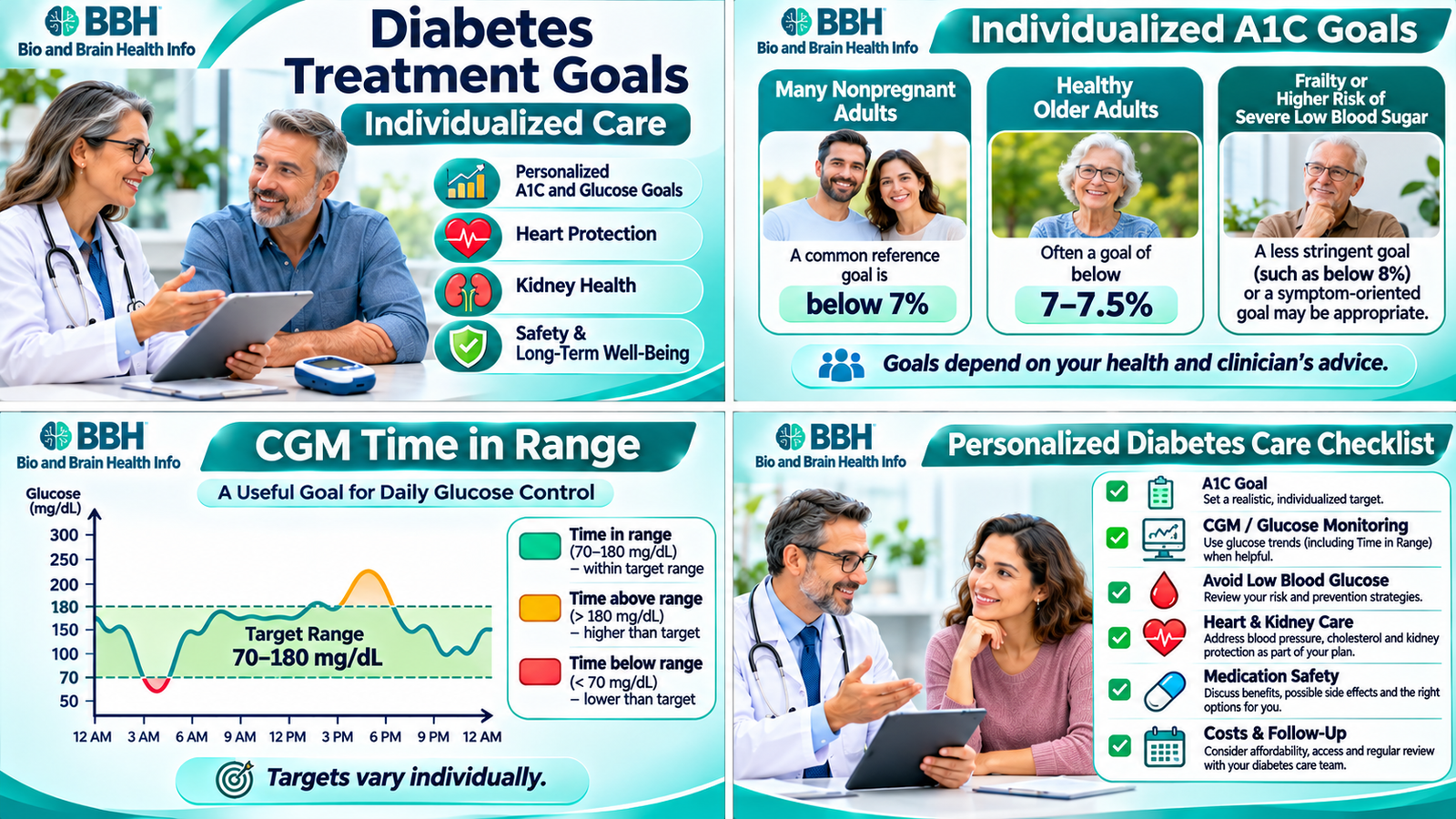
Improved glucose management can delay or slow neuropathy progression, especially when initiated early. Many adults use A1C targets near 7%, but goals differ in older age, pregnancy, recurrent hypoglycemia, comorbidity and personal circumstances. Rapidly intensifying glucose treatment is not universally appropriate; rare treatment-induced neuropathy can follow major rapid glucose improvement, requiring specialist assessment. See BBH’s individualized diabetes treatment goals.
2. Protect blood pressure, cholesterol and circulation
A complete care plan addresses blood pressure, lipid management and tobacco cessation where relevant. Vascular disease can worsen wound healing and raise the consequences of reduced foot sensation. Ask for pulse and circulation checks when the clinician examines your feet; medication decisions depend on individual risk.
3. Keep moving while protecting vulnerable feet
Appropriate walking, strength, flexibility and balance training can help function and metabolic health. But open ulcers, pronounced deformities, unstable balance or suspected Charcot foot require tailored activity and footwear advice. Choose well-fitting shoes, gradually increase activity and inspect feet afterward. Avoid exercising through a new painful or hot swollen foot.
4. Treat sleep disruption and emotional burden
Neuropathic pain may interrupt sleep and increase fatigue, anxiety or low mood. Treatment should include realistic goals such as better sleep, improved walking tolerance or daily functioning rather than requiring total pain elimination. Discuss adverse effects and medication timing with the prescribing clinician.
5. Keep a symptom and foot-care diary
Record where pain occurs, its intensity, time of day, sleep disruption, mobility limitations, glucose patterns and any new skin changes. Bring a current medicines-and-supplements list. Repeated entries can show whether symptoms are progressing and whether treatment is providing a meaningful benefit.
Treatment for Painful Diabetic Neuropathy
In diabetic neuropathy symptoms and care, neuropathic pain medicines may improve symptoms, but they do not reliably regenerate damaged nerves. The ADA supports several classes, including serotonin-norepinephrine reuptake inhibitors such as duloxetine, gabapentinoids such as pregabalin or gabapentin, and selected tricyclic antidepressants. UK NICE guidance also includes amitriptyline, duloxetine, gabapentin and pregabalin as initial options for neuropathic pain, with selection and review based on the person.
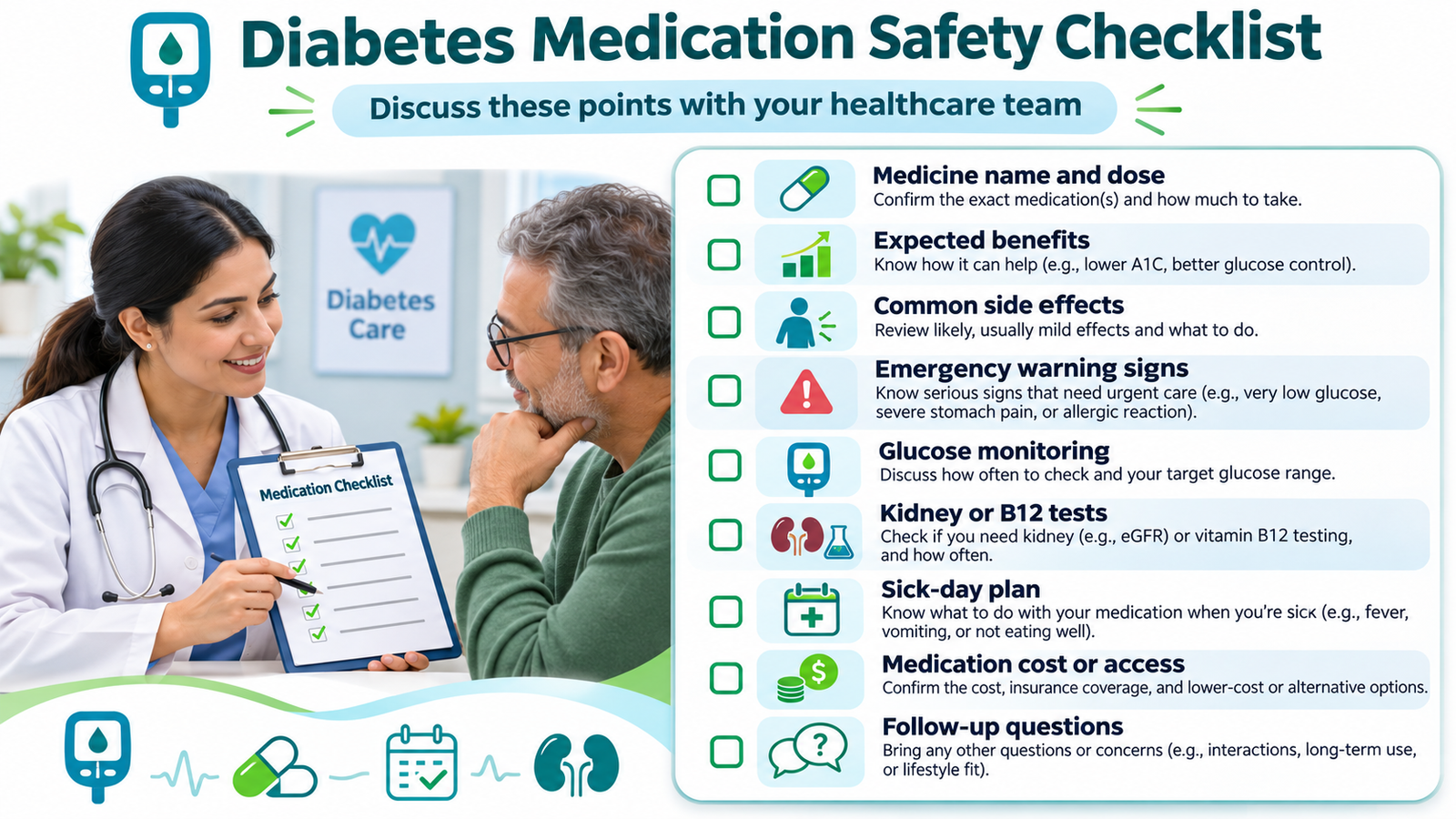
Discuss pain relief choices, side effects, interactions, kidney function and follow-up when reviewing neuropathy treatment.Choose treatment with the clinician: possible sedation, dizziness, falls, mood effects, drug interactions, kidney function, cost and withdrawal considerations all matter. These drugs are not equally suitable for everyone. Opioids, including tramadol and tapentadol, are not recommended by the ADA for routine painful diabetic neuropathy management because of significant risk. Some localized symptoms may respond to selected topical strategies, but evidence and suitability vary.
Ask for a follow-up date to assess pain, sleep, activity, side effects and whether the dose or treatment needs reconsideration. If a medication provides no meaningful improvement, continuing it indefinitely can add burden without benefit. **Never stop prescribed gabapentinoids or antidepressants abruptly without medical guidance.**
Diabetic Neuropathy Symptoms and Care: Daily Foot Protection

Foot self-care is central because numbness can hide pressure injury, burns and infection. Look at the soles, heels, between the toes and around nails every day. Use a mirror or ask a trusted person for help if you cannot inspect the underside of the foot. Keep feet clean and gently dry; apply moisturizer to dry skin but generally avoid leaving moisture between the toes.
- Check for cuts, blisters, redness, swelling, calluses, cracks, color changes and new warmth.
- Check the inside of footwear for stones, rough seams or other objects before putting shoes on.
- Wear properly fitting shoes and clean socks; avoid walking barefoot even indoors when sensation is reduced.
- Do not use heating pads or test bathwater temperature using an insensate foot.
- Do not cut corns or calluses with sharp tools or apply harsh chemical corn removers.
- Ask about podiatry and pressure-relieving footwear if you have deformities, lost sensation or prior ulcers.
- Seek early advice for a wound rather than waiting to see whether it hurts.
During diabetic neuropathy symptoms and care, a foot that is red, swollen and unusually warm may indicate infection, gout or acute Charcot neuro-osteoarthropathy; it needs urgent assessment even if pain is limited. Continuing to walk on suspected Charcot foot may cause further damage. Prior ulceration or amputation places someone in a higher-risk group with closer follow-up needs.
Autonomic Neuropathy: Symptoms Beyond the Feet
Autonomic nerve problems can affect heart rate and blood pressure control, sweating, digestion, bladder function, sexual function and the body’s warning response to low glucose. Standing dizziness or fainting may be related to autonomic dysfunction, but dehydration, blood-pressure medicines and heart problems are alternative explanations. Recurrent early fullness, persistent nausea or vomiting can suggest gastroparesis, although diagnosis requires appropriate investigation.
Different autonomic symptoms need different tests and treatments. Do not assume that dizziness, constipation, urinary symptoms or erectile problems necessarily come from diabetes. Especially for someone using insulin, reduced awareness of low glucose warrants a specific safety plan, potentially including continuous glucose monitoring and emergency glucagon. Read BBH’s low blood sugar prevention guide.
Content Gaps: What Standard Neuropathy Guides May Miss
Vitamin B12 deficiency and medicines
Long-term metformin use can be associated with low vitamin B12. Deficiency may contribute to tingling, impaired balance or anemia and should be considered when symptoms are present. A simple blood test may identify a treatable problem. However, B12 injections are not automatically indicated for everyone with neuropathy; testing and treatment depend on clinical assessment. BBH explains additional medication monitoring in Metformin: Uses, Side Effects and Safety.
Too much vitamin B6 can cause nerve symptoms
Some high-dose supplements contain vitamin B6 (pyridoxine), and excessive intake has been linked to sensory neuropathy. People trying to treat nerve pain with multiple “nerve health” products may unknowingly duplicate the dose. Bring every supplement label to a pharmacist or clinician, rather than assuming a vitamin is harmless at any amount.

Painless neuropathy can be more dangerous to the feet
Readers often search for burning or pain, but loss of protective sensation creates a different risk. A person may fail to notice a shoe blister, a hot floor, or a developing ulcer. A foot-risk evaluation and accessible daily inspection routine may be more important than an analgesic prescription for someone without pain.
One-sided or sudden symptoms need a different diagnostic approach
Diabetic polyneuropathy usually develops gradually and symmetrically. Sudden weakness, asymmetry, severe new back pain, significant muscle wasting or symptoms in a single nerve distribution call for assessment of stroke, spinal disease, entrapment, inflammatory neuropathy or other conditions. The label “diabetic” should not prevent investigation.
Cost, access and realistic follow-up
Footwear, podiatry visits, glucose monitoring and medications may be expensive or inaccessible. Ask the healthcare team about public programs, insurance-covered foot care, generic treatment options, transport and community resources. The best plan is one a person can actually follow.
When to Seek Urgent Medical Attention
Not every emergency is caused by diabetic neuropathy. Urgent evaluation is important precisely because another time-sensitive condition could be responsible. Avoid self-treating a foot wound with unapproved chemicals or continuing pressure on a high-risk foot before assessment.
Neuropathy Care in the USA, UK, Canada and Australia
United States: ADA 2026 recommendations emphasize regular neuropathy assessment, annual protective-sensation testing, comprehensive foot evaluation and tailored pain treatment. Ask about diabetes self-management education, podiatry referral and foot-care coverage. United Kingdom: NHS diabetes reviews and NICE neuropathic-pain guidance inform screening and medicine selection; local referral pathways vary.
Canada: Diabetes Canada guidance supports risk-factor management, foot assessment and symptom-directed treatment; availability differs by province. Australia: The National Diabetes Services Scheme and Australian foot-care pathways offer resources; ask your GP about screening, podiatry and high-risk foot services. Across all four countries, the key is timely screening and access to follow-up rather than waiting for severe pain.
Frequently Asked Questions
Can diabetic neuropathy be cured?
There is currently no reliable cure that restores all established diabetes-related nerve damage. Early risk-factor management may slow progression, and some symptoms improve with targeted treatment. Other causes such as B12 deficiency may be treatable.
Can someone have neuropathy without pain?
Yes. Loss of protective sensation can occur with few symptoms and still increase foot-ulcer risk.
How often should I have my feet checked?
All people with diabetes need regular foot assessment and annual protective-sensation testing; people with ulcers, loss of sensation or circulation problems may need much more frequent review.
What does a monofilament test show?
A clinician applies a standardized filament at defined foot sites to assess protective sensation. It does not diagnose every early or small-fiber nerve disorder.
Do nerve pain medicines prevent ulcers?
No. Pain relief does not restore protective sensation or replace foot inspection and risk-based footwear.
Does metformin cause diabetic neuropathy?
Metformin does not itself establish a diabetic neuropathy diagnosis. It may be associated with vitamin B12 deficiency over time, which can contribute to neurological symptoms.
Are neuropathy supplements proven to reverse damage?
No supplement should be marketed as a guaranteed nerve cure. Treat demonstrated deficiency and be cautious about high vitamin B6 intake.
Can exercise help?
Appropriate movement can support metabolic health and function, but footwear, balance and foot-ulcer status should guide the activity plan.
Why are symptoms worse at night?
Painful neuropathy may feel more noticeable when resting or with contact from bedding. Other conditions can also cause nighttime symptoms, so assessment matters.
When do I need a specialist?
Consider referral for rapidly progressive or asymmetric problems, major weakness, suspected autonomic dysfunction, difficult-to-treat pain or high-risk foot disease.
Five Related BBH Guides, Menu and Support
Research Sources and Medical Disclaimer