Diabetic Kidney Disease: Complete Guide
Diabetic Kidney Disease: Symptoms & Care


Diabetic kidney disease complete guide: diabetes can affect kidney health long before a person experiences pain, swelling or changes in urination. In fact, many people with diabetes-related chronic kidney disease have no early symptoms. Waiting for signs of kidney failure can mean missing a valuable opportunity to protect kidney function.
Thank you for reading this post, don't forget to subscribe!The most useful starting point is not a special detox, herbal supplement or a long list of foods to avoid. It is understanding two complementary tests: the urine albumin-to-creatinine ratio (UACR) and estimated glomerular filtration rate (eGFR). Together, they help clinicians identify damage, estimate risk, plan treatment and decide when more monitoring is needed.
This educational BBH guide prioritizes the 2026 American Diabetes Association (ADA) Standards of Care and includes practical notes for the United Kingdom, Canada and Australia. It covers prevention, test results, medicines with proven kidney benefit, food and blood-pressure management, and commonly overlooked safety concerns.
What Is Diabetic Kidney Disease?
Diabetic kidney disease (DKD) means kidney damage or reduced kidney filtration associated with diabetes. It is sometimes called diabetic nephropathy, although that term may refer more specifically to diabetes-related changes in kidney tissue. Not all chronic kidney disease in a person with diabetes is necessarily caused by diabetes.
Healthy kidneys remove waste, regulate body fluid and electrolytes, help manage blood pressure and support red blood cell production and bone health. Inside each kidney are many small filtering units called glomeruli. Changes involving blood glucose, kidney blood flow, inflammation and scarring can make these units leak albumin or gradually lose filtering capacity.
Some people develop increased urine albumin while their eGFR remains normal. Others have reduced filtration with little or no albuminuria. This is why relying only on a creatinine blood test—or only on urine protein—is not enough for a complete diabetes kidney assessment.
Diabetic Kidney Disease: Symptoms and Warning Signs
A diabetic kidney disease complete guide should emphasize that early disease frequently produces no symptoms. When kidney function becomes more impaired or fluid balance changes, possible signs include ankle or leg swelling, fatigue, worsening blood pressure, nausea, reduced appetite, sleep disturbances, and sometimes changes in urination. Foamy urine may occur with protein leakage, but foam is not a reliable diagnostic test.
Itching, muscle cramps, shortness of breath or worsening weakness can occur for several reasons and deserve assessment. These symptoms may also reflect anemia, medicines, heart conditions, infections or other disorders. A person should not diagnose diabetic kidney disease from symptoms alone.
A urinary tract infection, kidney stone, dehydration or acute kidney injury can cause sudden changes and may require more immediate attention. Severe symptoms or rapidly worsening results deserve clinical assessment rather than waiting for the next routine diabetes check.
Why Does Diabetes Increase Kidney Disease Risk?
Persistently elevated blood glucose can damage blood vessels and glomerular structures over time. High blood pressure places additional stress on these filters. Other influences include diabetes duration, smoking, cardiovascular disease, family history, obesity and genetic susceptibility. Kidney disease risk also varies according to access to regular care and the ability to obtain recommended treatment.
Both type 1 and type 2 diabetes can contribute to kidney disease. Because type 2 diabetes may be present for years before diagnosis, kidney changes can already be detectable when someone first learns they have diabetes. Prevention needs to address blood glucose, blood pressure, cardiovascular risk and medication safety—not just one laboratory number.
Diabetic Kidney Disease Complete Guide: UACR and eGFR Tests
UACR measures the ratio of albumin (a protein) to creatinine in a spot urine sample. It helps identify abnormal albumin leakage. eGFR estimates how efficiently the kidneys filter blood, generally calculated using serum creatinine, age and other laboratory information. In some people, adding cystatin C improves accuracy when creatinine-based estimation is uncertain.
The ADA recommends checking both UACR and eGFR at least once a year for everyone with type 2 diabetes and for people with type 1 diabetes of five years’ duration or longer. Once chronic kidney disease is identified, both measures may need checking one to four times yearly, depending on risk and stage. Children, pregnancy and unusual clinical situations require tailored advice.
| Test | What it measures | Why it matters |
|---|---|---|
| UACR (urine) | Albumin relative to urine creatinine | Identifies albumin leakage even when filtration is preserved |
| Serum creatinine and eGFR (blood) | Estimated filtering capacity | Shows filtration changes and helps guide medicine safety |
| Potassium and other electrolytes | Mineral and acid-base status | Important in more advanced CKD or with certain medicines |
| Blood pressure | Pressure inside the circulatory system | A major modifiable kidney and cardiovascular risk factor |
| A1C / glucose patterns | Longer-term or daily glucose exposure | Supports individualized diabetes management |
Ask specifically for the numerical UACR and eGFR results rather than being told only that your “kidneys are fine.” Save dates, values, laboratory units and the next follow-up. The test combination is more informative than either measure in isolation.
Understanding UACR, eGFR and Kidney Disease Stages
When reading a diabetic kidney disease complete guide, remember that UACR below 30 mg/g is generally classified as albuminuria category A1; 30–300 mg/g as A2; and above 300 mg/g as A3. Some laboratories use mg/mmol, with approximate thresholds below 3, 3–30 and above 30 mg/mmol. Small unit differences and local reporting conventions matter, so do not compare numbers without checking units.
eGFR categories are G1 (90 or higher), G2 (60–89), G3a (45–59), G3b (30–44), G4 (15–29) and G5 (below 15 mL/min/1.73 m²). G1 or G2 alone does not establish chronic kidney disease without other evidence of kidney damage. The underlying cause, eGFR category and albuminuria category are considered together in the KDIGO framework.
| UACR | Albumin category | Interpretation |
|---|---|---|
| Under 30 mg/g | A1 | Normal to mildly increased |
| 30–300 mg/g | A2 | Moderately increased albuminuria |
| Above 300 mg/g | A3 | Severely increased albuminuria |
For example, someone with eGFR 85 and persistently elevated UACR may have clinically important kidney damage even without symptoms. Another person with eGFR 48 and low albumin may also need careful evaluation. Kidney risk is not a single stage number; direction of change, repeated results and cardiovascular factors influence the plan.
Why One Abnormal Kidney Test May Not Be Enough
Chronic kidney disease generally requires abnormalities of kidney structure or function that persist for at least three months. Temporary albuminuria or changes in filtration can follow strenuous exercise, fever, infection, uncontrolled blood pressure, menstruation, dehydration or an acute illness. The clinician may repeat testing and investigate alternative causes.
A rapid eGFR decline, active urine sediment or blood in urine, heavy protein leakage, unexplained symptoms or atypical clinical history should trigger consideration of a non-diabetic kidney problem. Sometimes imaging, nephrology evaluation or even biopsy is required. Assuming all kidney abnormalities in a person with diabetes are automatically diabetic nephropathy is a significant diagnostic gap.
Diabetic Kidney Disease Complete Guide: Practical Care Plan
1. Agree on individualized glucose goals
Glucose management helps prevent or slow kidney damage. Many nonpregnant adults are advised toward A1C around 7%, but severe hypoglycemia, comorbidities, pregnancy and advanced CKD can change this. A1C may become less reliable with significant anemia or advanced kidney disease; clinicians may use other monitoring information. See BBH’s individualized diabetes goals guide.
2. Manage blood pressure and cardiovascular risk
Blood-pressure treatment is central to kidney protection. Targets depend on health history, tolerance, age, risk of dizziness and clinical judgment. Appropriate cholesterol management, not smoking, and regular activity also matter. Blood pressure at home may reveal patterns that a single office measurement misses, but the monitor should be validated and technique reviewed.
3. Address overall health rather than “kidney-only” goals
Kidney disease and heart disease influence each other. A plan may include A1C checks, lipid treatment, physical activity, dental care, sleep, medication access and diabetes self-management support. If treatment costs prevent adherence, ask about alternatives and local assistance programs instead of quietly skipping therapy.
Diabetic Kidney Disease Treatments With Evidence
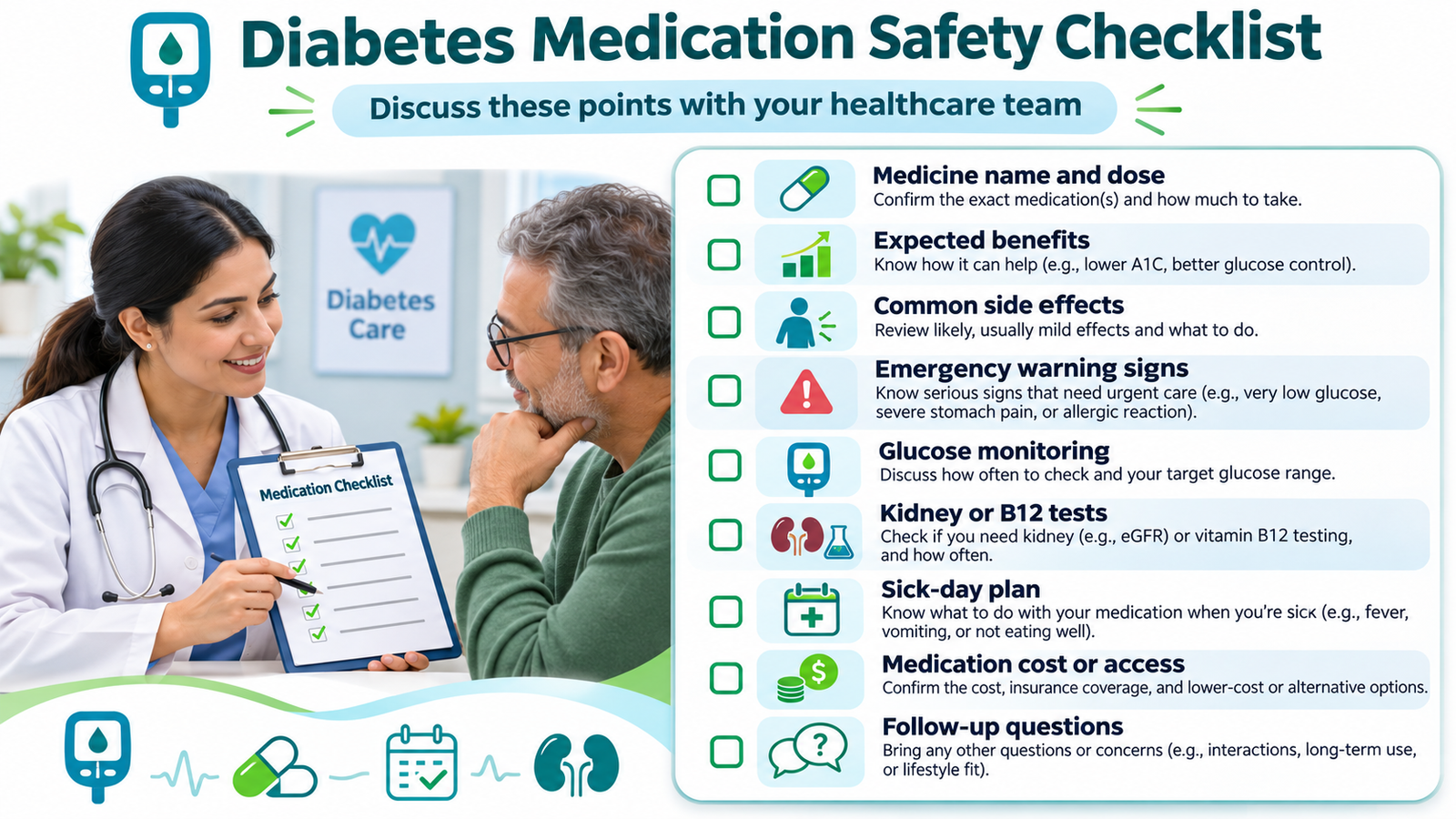
A diabetic kidney disease complete guide should explain that several medicine groups have proven roles in appropriately selected adults. They must be chosen and monitored by a clinician, because eligibility varies with diabetes type, eGFR, albuminuria, blood pressure, pregnancy, potassium and other prescriptions.
ACE inhibitors and ARBs
ACE inhibitors or angiotensin receptor blockers may reduce albuminuria and cardiovascular risk, particularly in people with diabetes, hypertension and increased albuminuria. Examples include lisinopril and losartan. Potassium and creatinine need monitoring, especially after starting or adjusting doses. These medicines should not generally be combined with each other, and they are unsafe in pregnancy.
SGLT2 inhibitors
In adults with type 2 diabetes and chronic kidney disease, SGLT2 inhibitors with established kidney benefits can reduce progression and heart-failure risk. Some patients qualify even when the glucose-lowering effect becomes smaller at reduced eGFR. Risks include genital fungal infections, volume depletion in certain individuals and rare ketoacidosis, sometimes with glucose that is not extremely high. Sick-day planning and individualized precautions are important; see SGLT2 Inhibitors: Benefits and Risks.
GLP-1-based therapies and finerenone
Selected GLP-1 receptor agonists may provide cardiovascular and kidney benefits for adults with type 2 diabetes, particularly when additional glucose or weight management is needed. Finerenone, a nonsteroidal mineralocorticoid receptor antagonist, has evidence for reducing kidney and cardiovascular events in certain people with type 2 diabetes and albuminuric CKD. It can raise potassium and requires blood tests and careful patient selection.
Not every person with diabetes should receive every medication. The choice and sequence depend on comorbidities, evidence, affordability, contraindications, interactions and the patient’s preferences. Do not change an ACE inhibitor, ARB, SGLT2 inhibitor, GLP-1 therapy, insulin or finerenone independently based on an article.

Diabetic Kidney Disease Diet: Protein, Salt and Fluids
A diabetic kidney disease complete guide should not prescribe one universal “renal diet” for all people with diabetes. Nutrition needs vary by kidney stage, potassium values, dietary pattern, appetite and whether a person is receiving dialysis. In non-dialysis CKD, a typical recommended dietary protein intake is around 0.8 g/kg body weight per day; more restrictive approaches are not suitable for everyone and should not be attempted without kidney-dietitian support. Dialysis patients have different protein needs.
Reducing excessive sodium often supports blood-pressure and fluid management. An individualized target is important; guidance commonly aims near 2,300 mg sodium daily or lower when appropriate, with country-specific differences. Focus on reducing heavily salted packaged foods and using herbs or other suitable seasonings.
Avoid automatically banning bananas, tomatoes, beans, dairy or all high-potassium foods. Potassium restrictions are needed mainly when laboratory results, medications or advanced kidney disease justify them. Some salt substitutes contain significant potassium, so their safety should be checked. Similar caution applies to phosphate additives and high-protein “fitness” supplements.
Fluid restriction is not routine in every early kidney condition. People with swelling, heart failure, advanced CKD or other concerns may need individualized fluid guidance. Regular physical activity, if clinically appropriate, can support vascular health. A renal dietitian is particularly useful when advice about glucose and kidney health seems contradictory.
Monitoring, Kidney Specialist Referral and Care Coordination
The follow-up section of a diabetic kidney disease complete guide should explain that once CKD is established, monitoring can range from one to four times each year based on risk. Clinicians should look at changes over time in UACR, eGFR, blood pressure and potassium rather than reacting to isolated numbers alone. They may also check anemia, bone-mineral disorders, nutrition or medication accumulation when kidney function is more impaired.
A nephrology referral may be appropriate for uncertain diagnosis, steadily falling eGFR, rapidly increasing albuminuria, difficult electrolyte or blood-pressure problems, or advanced disease. The ADA recommends referral for individuals with continuously increasing UACR, continuously decreasing eGFR, eGFR below 30 mL/min/1.73 m², or uncertain etiology and other complex management issues.
A useful visit summary contains the current kidney diagnosis, latest eGFR and UACR, prior trend, target blood pressure, medicine list, next laboratory date and specialist referral status. Ask specifically who will review results and when you should expect a response.
Five Overlooked Questions in Diabetic Kidney Disease
Normal eGFR does not guarantee healthy kidneys
Albumin leakage can occur before filtration drops. If a website only discusses creatinine or stage three kidney disease, it may miss early risk. Always ask whether a urine UACR was checked.
A single low eGFR is not always chronic disease
Acute illness, dehydration and other factors can change results. Chronicity and alternative explanations matter; repeating tests is often part of responsible diagnosis. This also reduces unnecessary anxiety about a single unexpected number.
Painkillers, supplements and contrast studies matter
Frequent use of nonsteroidal anti-inflammatory drugs such as ibuprofen or naproxen can pose kidney risks, especially with dehydration or established CKD. Herbal kidney detox products may contain unknown ingredients or interfere with medicines. Before imaging with contrast or new prescriptions, tell the care team about known CKD.
Kidney disease changes hypoglycemia risk
Reduced kidney function can alter insulin clearance and the handling of some diabetes medicines, increasing the risk of low blood sugar. A medicine plan previously tolerated may need reassessment as eGFR changes. See BBH’s HbA1c Test: Levels, Results and Meaning for broader glucose-result interpretation, and tell the clinician about recurrent lows.
Treatment progress can be measured, not merely hoped for
Ask whether UACR is declining, eGFR is stable over time and blood pressure is better controlled. A reduction in albuminuria can be a useful marker of treatment response. Kidney treatment benefits are often about slowing progression rather than achieving a normal test immediately.
When Kidney Symptoms Need Urgent Medical Attention
Diabetic Kidney Disease Care in the USA, UK, Canada and Australia
United States: ADA 2026 guidance emphasizes both UACR and eGFR testing, with proven kidney- and heart-protective therapies in eligible adults. Health-insurance coverage for nephrology visits, medicines and dietitian appointments varies. Ask about diabetes self-management education and financial assistance.
United Kingdom: NHS and NICE diabetes and CKD pathways use kidney function and urine albumin assessment. Laboratory reporting commonly uses mmol-based units and UACR in mg/mmol, not necessarily mg/g. Follow the recall and treatment instructions from your GP, diabetes team and kidney service.
Canada: Diabetes Canada and national kidney guidance support screening and cardiovascular risk reduction, but treatment access and referral pathways differ across provinces. Ask your clinician how often both tests should be repeated.
Australia: Kidney Health Australia, national diabetes guidance and the NDSS provide educational pathways. Follow local advice for kidney health checks, medication coverage and Aboriginal and Torres Strait Islander community-led healthcare where appropriate. Results should always be interpreted using the laboratory’s units.
Frequently Asked Questions
Can diabetic kidney disease be reversed?
Some early albuminuria can decrease with treatment, and progression can often be slowed. Established structural kidney damage may not be fully reversible; outcomes vary.
Does kidney disease always cause back pain?
No. Early diabetic kidney disease often causes no pain. Back or flank pain may point to a separate urinary or musculoskeletal condition.
What does a UACR of 50 mg/g mean?
It is within the moderately increased A2 albuminuria category, but clinicians consider repeat testing, duration and other causes before diagnosing chronic kidney disease.
Can eGFR be normal while urine albumin is high?
Yes. Albuminuria can be present even when estimated filtration is preserved; both values contribute to risk assessment.
How often should type 2 diabetes patients get kidney tests?
At least annually for eGFR and UACR under ADA guidance; established CKD can require testing up to four times yearly based on risk.
Are all high-potassium foods forbidden with kidney disease?
No. Restriction depends on blood potassium, kidney function and medicines. Unnecessary restrictions may reduce diet quality.
Should I stop metformin or insulin because eGFR changed?
Do not stop or change medicine independently. Some doses or treatments need adjustment at particular eGFR levels, so contact the prescribing clinician.
Can SGLT2 medicines protect kidneys without large glucose reductions?
In appropriate adults with type 2 diabetes and CKD, clinical kidney and heart benefits can extend beyond glucose lowering.
Does diabetic kidney disease mean I need dialysis?
No. Many people remain at early stages and never need kidney replacement therapy, especially with effective care. Dialysis decisions depend on advanced disease and clinical symptoms.
What should I take to my kidney appointment?
Bring your latest and previous UACR/eGFR results, blood pressure readings, diabetes measures, medicine and supplement lists, and any symptoms or concerns.
Five Related BBH Articles and Support
Medical Sources and Disclaimer