SGLT2 Inhibitors: Benefits and Risks
SGLT2 Diabetes Drugs: Uses and Safety

SGLT2 inhibitors are oral prescription medicines used for type 2 diabetes and, for certain products and patients, heart failure or chronic kidney disease. They help the kidneys remove some extra glucose through urine. Research also shows that selected medicines in this class can provide heart and kidney protection extending beyond their effect on A1C.
Thank you for reading this post, don't forget to subscribe!In this evidence-based guide, we explain SGLT2 inhibitor benefits, SGLT2 inhibitor risks, examples such as empagliflozin and dapagliflozin, and why doctors sometimes prescribe them even when blood sugar is already close to goal. We prioritize United States guidance while comparing clinical recommendations from the UK, Australia and Canada. This article provides education, not medication selection or personal dosing instructions.
SGLT2 Inhibitors: Benefits and Risks at a Glance
The American Diabetes Association’s 2026 Standards recommend an appropriate SGLT2 agent for many people with type 2 diabetes and heart failure or chronic kidney disease, sometimes irrespective of the A1C level and use of metformin. The exact product, kidney-function requirements, contraindications and approved indications matter. Not every clinical result applies equally to every brand.
How Do SGLT2 Inhibitors Work in the Kidneys?
SGLT2 stands for sodium–glucose cotransporter 2. This protein in the kidneys helps reclaim filtered glucose into the bloodstream. Medicines that block it allow more glucose to pass into urine, lowering blood glucose without directly stimulating pancreatic insulin release.
What happens to salt, water and blood pressure?
The mechanism also changes sodium handling and can increase urine output. This helps explain a modest blood-pressure reduction and some heart failure benefits, but it also means people at risk of dehydration or low blood pressure need careful assessment. A diuretic, high temperatures, severe diarrhea or limited fluid intake may change the safety balance.
Are these medicines insulin?
No. The tablets do not replace insulin and cannot treat insulin deficiency in someone who requires insulin. Because their mechanism differs from metformin, incretin therapies and insulin, they may be prescribed alongside other treatments when clinically justified.
The distinction matters: a kidney-related benefit from an SGLT2 drug may continue even when its ability to lower glucose weakens as kidney filtration declines. This is one reason prescribing guidelines consider conditions beyond the A1C number.
How SGLT2 Medicines Work: Kidney and Glucose Pathway
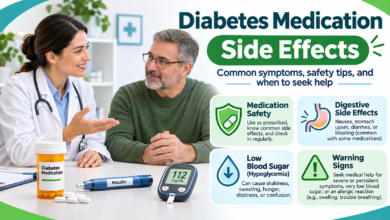
Image 2 reserved. SEO alt text: Educational illustration showing a kidney nephron where SGLT2 inhibitors decrease glucose reabsorption and increase urine glucose excretion. To be uploaded after editorial review.
Related BBH guide: Diabetes Medicines: Types and Uses.
Common SGLT2 Drugs: Brand and Generic Examples
| Generic ingredient | Common US brand example | Important clinical consideration |
|---|---|---|
| Empagliflozin | Jardiance | Evidence and approved indications for selected heart failure and kidney conditions |
| Dapagliflozin | Farxiga | Evidence for heart failure and kidney disease outcomes in appropriate groups |
| Canagliflozin | Invokana | Type 2 diabetes and selected kidney or cardiovascular outcomes; review foot and safety history |
| Ertugliflozin | Steglatro | Blood glucose treatment; do not assume all organ-protection indications match other products |
| Combination tablets | Examples combine an SGLT2 drug with metformin or another class | Read both active ingredients and their separate safety warnings |
A brand may be unavailable or differently named in the UK, Australia or Canada. Some products are used for heart failure or chronic kidney disease in people who do not have diabetes; such indications must be evaluated separately. An ingredient licensed for a particular kidney condition does not imply that every class member has the same indication.
Product strengths, renal thresholds, labels and insurance approval rules change, so a comparison table is never sufficient for self-prescribing. The prescribing clinician and pharmacist should verify the precise medicine and current official label.
SGLT2 Inhibitor Benefits for A1C and Blood Sugar
Clinical trials show useful A1C and fasting glucose reductions in many adults with type 2 diabetes. The response differs according to baseline glucose, kidney filtration, accompanying treatments and adherence. The impact is not always large enough to replace all other therapy.
SGLT2 medicines have little intrinsic risk of causing hypoglycemia when used alone, because they do not directly force insulin release. However, an individual taking insulin or a sulfonylurea may still experience low glucose and require a clinician-supervised review of the overall regimen.
The ADA notes that glucose-lowering effectiveness is reduced with declining eGFR, particularly around values below 45 mL/min/1.73 m². That does not automatically mean the treatment has no value, because organ protection can remain clinically relevant for eligible people.
Heart Failure Benefits: More Than Glucose Control
Heart failure occurs when the heart cannot pump or fill efficiently enough to meet the body’s needs. Large clinical trials have found that particular SGLT2 medicines lower the risk of worsening heart failure or heart failure hospitalization in selected patient groups. This is one of the strongest reasons the class is important beyond diabetes.
The 2026 ADA recommendations prioritize SGLT2 therapy with demonstrated benefit for people with type 2 diabetes and heart failure, including several heart failure phenotypes. This is not permission to substitute one brand for another or ignore blood pressure, diuretics and kidney function.
Can a patient have heart benefits despite normal A1C?
Yes, in eligible people the decision can be driven by heart failure or kidney disease status rather than an above-target A1C. A patient should understand whether a medicine is being used mainly for glucose, cardiovascular protection or a combination of reasons.
A prescribed SGLT2 drug does not replace guideline-directed heart failure care, management of blood pressure, or treatment of other cardiovascular risk factors. Benefit estimates come from populations; a person’s absolute benefit depends on their starting risk.
Kidney Protection: eGFR and Albuminuria
Chronic kidney disease can involve declining filtration, albumin leaking into urine or both. SGLT2 medicines can reduce progression of kidney disease and kidney-related events in appropriately selected people. Kidney protection is a major treatment goal, not merely a secondary benefit of lowering blood glucose.
What does the eGFR number mean?
Estimated glomerular filtration rate describes kidney filtering capacity. ADA 2026 guidance recommends suitable SGLT2 therapy in adults with type 2 diabetes and chronic kidney disease when eGFR is at least 20 mL/min/1.73 m², subject to individual product indications; treatment may sometimes continue at lower levels under specialist supervision until kidney replacement therapy becomes necessary.
That guideline recommendation is not a universal FDA starting threshold for every drug. Product-specific labeled eGFR requirements depend on whether the treatment goal is glucose lowering, heart failure or kidney protection. A kidney specialist can help reconcile different circumstances.
What if creatinine rises after starting treatment?
A modest early decrease in eGFR can reflect changes in kidney pressure rather than permanent injury, but any unexpected deterioration or symptoms need assessment. Baseline and follow-up tests, blood pressure and hydration status help clinicians distinguish expected effects from an acute medical problem.
SGLT2 drugs complement, rather than replace, evidence-based kidney management such as blood pressure control, appropriate renin–angiotensin system therapy and urine albumin monitoring.
Blood Pressure, Weight and Metabolic Effects
Some people experience modest weight reduction from urinary calorie loss and related metabolic changes. Blood pressure may decline slightly because of sodium and water effects. These changes can be helpful for selected patients, but they vary and should not be marketed as guaranteed weight-loss outcomes.
In someone who is frail, has low blood pressure or takes diuretics, the same effects can contribute to dizziness or fluid depletion. Clinicians may reassess volume status and other medicines. A change in weight caused by water loss should not be mistaken for a reliable change in body fat.
These effects are distinct from those of GLP-1 receptor agonists, which mainly act through incretin and appetite-related pathways. Neither group is universally the preferred choice for everyone with type 2 diabetes.
SGLT2 Inhibitors: Common Side Effects
| Possible concern | What a patient might notice | Why follow-up matters |
|---|---|---|
| Genital yeast infection | Itching, irritation, discharge or discomfort | More glucose in urine can encourage yeast growth |
| Increased urination | More frequent bathroom visits | May be inconvenient and contribute to fluid depletion |
| Dehydration or low blood pressure | Dizziness, thirst, weakness, lightheadedness | Risk may increase with illness, heat or diuretics |
| Urinary infection | Burning, urgency or urinary discomfort | Fever, flank pain or severe illness needs prompt evaluation |
| Hypoglycemia in combination regimens | Sweating, shaking, confusion | Risk increases with insulin or sulfonylurea use |
Many mild effects are manageable, but persistent or recurrent infections deserve assessment. Do not try to treat severe symptoms by merely increasing fluids or stopping unrelated medicines without medical guidance. People with urinary or genital symptoms should ask about diagnosis and appropriate treatment rather than assuming every symptom is caused by medication.
The SGLT2 inhibitor risks deserve special attention in older adults, those with frequent infections, people taking certain diuretics and anyone who has difficulty maintaining adequate hydration.
Related BBH guide: Diabetic Ketoacidosis: Warning Signs.
Euglycemic Ketoacidosis: Warning Signs and Emergency Response
Diabetic ketoacidosis (DKA) is a dangerous buildup of ketones and acid. With SGLT2 treatment, a form called euglycemic DKA can develop when measured glucose is lower than expected for classic DKA, including readings that may not initially trigger alarm on a home glucose meter.
Symptoms that require urgent help
Persistent nausea or vomiting, abdominal pain, unusual exhaustion, rapid or deep breathing, confusion or dehydration can be warning signs. Seek emergency assessment promptly, and tell clinicians about current or recent SGLT2 use. Normal or moderately raised glucose does not exclude DKA.
When is risk increased?
Triggers may include infection, severe illness, surgery, prolonged fasting, major carbohydrate restriction, excessive alcohol intake, dehydration or a substantial reduction in required insulin. People with relative insulin deficiency or an uncertain diabetes diagnosis deserve additional caution.
Do not rely on urine or blood glucose alone to rule out ketoacidosis. A clinical team may need ketone and acid-base testing. If a person with diabetes is using insulin, essential insulin should not be independently stopped because of poor appetite or an SGLT2 medicine.
Genital Yeast Infections and Urinary Tract Concerns
The increased glucose content in urine can encourage yeast growth around the genital area. Symptoms may include itching, soreness, redness or discharge. These infections are generally treatable, but a clinician should evaluate persistent symptoms or repeated episodes.
Urinary tract infections can occur in people with diabetes regardless of the medication. Those with burning urination, fever, back or flank pain, severe weakness or vomiting should seek medical assessment, because complicated infections or kidney infection need timely treatment.
Do hygiene measures eliminate infection risk?
Good hygiene and prompt attention to symptoms can help, but they cannot guarantee prevention. Patients should avoid harsh cleansing products, self-diagnosis of recurrent symptoms or assuming an infection is minor solely because it is a recognized drug adverse effect.
Rare Serious Risks: Fournier Gangrene and Other Concerns
A rare but dangerous infection called Fournier gangrene, involving tissue around the genital or perineal region, has been reported with SGLT2 therapy. Severe pain, tenderness, swelling, redness, fever or feeling very unwell requires immediate medical attention.
Other concerns can include significant dehydration, acute illness and medication-related complications. Certain products have historically carried additional safety warnings, including concerns requiring attention to a person’s foot or amputation history. Clinicians review current agent-specific labeling rather than assuming a class-wide identical risk profile.
Monitoring for complications does not mean these harms are common. The important educational goal is to recognize warning signs, understand who faces additional risk and know when not to postpone care.
SGLT2 Side Effects and Emergency Warning Signs
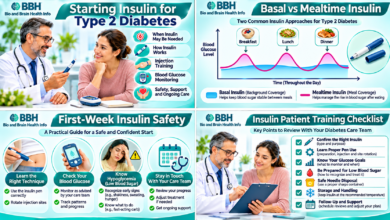
Image 3 reserved. SEO alt text: Educational medical infographic showing genital yeast infection symptoms, hydration, urinary symptoms, euglycemic ketoacidosis and urgent-care warning symbols. To be uploaded after editorial review.
Sick Days, Fasting and Surgery: Safety Planning
Acute illness or surgery may change how safely an SGLT2 drug can be taken. Significant vomiting, dehydration, prolonged fasting or reduced insulin availability can raise the risk of ketoacidosis. A written sick-day plan should describe when to contact the care team and which medicines may require temporary interruption.
Why is there a pause before surgery?
The ADA and US labeling recommend withholding SGLT2 treatment before scheduled surgery because of DKA risk; many products specify a period of at least three days, and ertugliflozin generally has a four-day interval. Exact timing, restarting and procedure-specific decisions must come from the surgical and prescribing teams.
An operation, a contrast procedure, an infection and a brief missed meal are not identical situations. Do not make blanket changes based on online checklists. Care teams should also clarify what happens to insulin, diuretics and other prescribed therapies.
Ketone testing and an emergency contact plan may be appropriate for higher-risk individuals. The central lesson is preparation rather than attempting to make medication changes after severe symptoms begin.
Related BBH guide: Type 2 Diabetes Treatment: Main Options.
Who May Benefit from SGLT2 Treatment?
Clinicians often consider suitable SGLT2 therapy for adults with type 2 diabetes who need additional glucose management, have heart failure, or live with chronic kidney disease. Certain patients with established cardiovascular disease or major risk factors may also benefit, depending on the product’s trial evidence and indication.
Someone with recurrent genital infections, low blood pressure, significant fluid losses, prior ketoacidosis, uncertain diabetes type or certain serious illnesses may require particular caution or a different drug class. Pregnancy and breastfeeding involve separate medication considerations.
A person should never assume that having diabetes automatically makes them a suitable candidate. The expected benefits depend on conditions, kidney function, other medications and individual preferences, including the ability to pay for and consistently obtain the medicine.
Why SGLT2 Use in Type 1 Diabetes Is Different
Type 1 diabetes requires insulin replacement. Because SGLT2 therapy can increase DKA risk in people with substantial insulin deficiency, these medications are generally not FDA-approved to improve glucose control in type 1 diabetes. Any discussion of off-label use belongs with specialist clinicians, not a general consumer article.
Anyone with an uncertain diabetes diagnosis, unexplained weight loss, a history of DKA or very low insulin needs should mention this during medication review. Self-directed changes to basal insulin can trigger dangerous metabolic deterioration.
SGLT2 Inhibitor Monitoring: Kidney Tests, Blood Pressure and Glucose
Before and during treatment, the clinical team may review eGFR, urine albumin, blood pressure, hydration and a person’s other medicines. A1C and glucose monitoring show glycemic effects, but do not capture all of the heart and kidney benefits that may justify treatment.
| Assessment | What it helps evaluate |
|---|---|
| eGFR / creatinine | Kidney filtration and product-specific eligibility |
| Urine albumin-to-creatinine ratio | Evidence of kidney damage and follow-up risk |
| A1C and glucose patterns | Glycemic effectiveness and hypoglycemia concerns with combinations |
| Blood pressure and symptoms | Low blood pressure, dizziness or fluid depletion |
| Infection and sick-day history | Recurrent infections, ketoacidosis risk and safe interruption plan |
Monitoring frequency should be individualized. If a clinician recommends an SGLT2 medicine chiefly for heart failure, other cardiovascular care continues alongside it. A patient’s report of dizziness, infections or inability to purchase the drug is relevant clinical information, not an inconvenience to ignore.
Related BBH guide: Metformin: Uses, Side Effects and Safety.
Combining SGLT2 Medicines with Metformin, GLP-1 or Insulin
Metformin primarily reduces liver glucose production; GLP-1 medicines influence incretin signaling and appetite; insulin supplies the hormone directly. Different mechanisms may make combination treatment useful for certain people with type 2 diabetes.
When insulin or a sulfonylurea is also prescribed, the overall plan must account for low blood glucose. SGLT2 treatment does not mean that a patient can reduce or omit essential insulin on their own. Abrupt insulin reductions can contribute to ketoacidosis risk.
Combination tablets create an additional safety task: both ingredients require consideration, and the patient needs to know which medicine is inside the product. Bringing all packages or an accurate medicine list to appointments helps prevent unintended duplication.
Related BBH guide: GLP-1 Medicines for Type 2 Diabetes.
SGLT2 vs GLP-1 and Metformin: Key Differences
| Drug category | Main mechanism | Clinical strengths / considerations |
|---|---|---|
| SGLT2 inhibitors | Increase urine glucose excretion | Certain agents protect heart and kidney function; monitor infection and dehydration risks |
| GLP-1 receptor agonists | Act on incretin-related pathways | Strong glucose and weight effects for some agents; gastrointestinal tolerability matters |
| Metformin | Reduces liver glucose production | Low-cost foundational treatment; kidney function and B12 considerations |
| Insulin | Replaces or supplements insulin | Essential in type 1 and useful in selected type 2 situations; hypoglycemia training required |
The decision to use one or more categories depends on medical history, current glucose levels, organ-protection evidence, pregnancy plans, preferences and access. It is a mistake to rank medicines solely by the largest advertised A1C reduction or weight change.
A rigorous overview of SGLT2 inhibitor benefits should clarify which outcomes are demonstrated for the particular medicine and disease, rather than imply every tablet has identical approval for diabetes, kidney disease and heart failure.
USA, UK, Australia and Canada: Current Guidance
| Country | Research and guidance source | Why it matters |
|---|---|---|
| USA — primary | ADA 2026 Standards; current FDA labeling | Cardiorenal benefit can guide therapy beyond A1C goals; product-specific restrictions |
| UK | NICE NG28 updated 18 February 2026 | Expanded treatment pathways consider comorbidity and combination with metformin |
| Australia | Australian Diabetes Society September 2026 algorithm | Local availability, clinical priorities and PBS subsidies influence choices |
| Canada | Diabetes Canada pharmacologic management 2024 update | Prioritizes proven kidney and heart benefits for eligible patients |
The UK’s updated NICE guidance places SGLT2 treatment prominently in a number of initial or subsequent treatment pathways, but patient factors and medicine choice remain individualized. The Australian algorithm likewise considers kidney function, cardiovascular conditions and locally available options.
For Canadian readers, guidance distinguishes glucose control from heart failure or kidney protection and notes that glycemic efficacy declines at low eGFR. US FDA approval or brand availability is not automatically equivalent to a Health Canada, TGA or UK authorization.
Medication Cost, Insurance and Access
In the US, out-of-pocket costs depend on insurance coverage, deductibles, prior authorizations and exact brand or indication. Generic availability can change over time and differs by country. Patients should ask the prescriber and pharmacist about covered, evidence-based options before going without a medicine.
In the UK, Australia and Canada, public coverage eligibility, local programs and pharmacy costs vary. A sustainable treatment that the patient can obtain reliably is more useful than a theoretically optimal option that leads to long gaps in care.
Do not purchase prescription medications from unverified sellers, borrow tablets from a relative or assume two similarly packaged brands are interchangeable. Medication access problems deserve early discussion with the healthcare team.
SGLT2 Treatment Decision Checklist
| Question to ask | Reason |
|---|---|
| What is the main goal: A1C, heart failure or kidney protection? | Clarifies the evidence behind the prescription |
| What is my eGFR and what does the product label allow? | Matches medicine choice with renal health |
| What should I do during vomiting, fasting or surgery? | Creates a personalized sick-day plan |
| What symptoms need urgent medical attention? | Addresses DKA, serious infection or dehydration |
| Could my diuretic, insulin or other medicine affect safety? | Reduces avoidable interactions or low glucose |
| When should we repeat tests or review side effects? | Ensures a clear follow-up process |
Write down the brand, generic name, treatment goal, who to call in an emergency and what to do if medication is unavailable. Ask for a medication review whenever another clinician changes insulin, a blood pressure medicine or a diuretic.
SGLT2 Treatment Safety and Shared-Decision Checklist
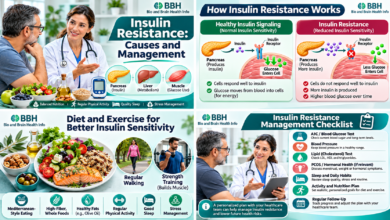
Image 4 reserved. SEO alt text: Doctor and patient checklist covering SGLT2 benefits heart kidney tests infection warning signs sick day plans hydration and cost. To be uploaded after editorial review.
SGLT2 Inhibitor Myths and Common Content Gaps
Myth: These drugs only treat high blood sugar
Selected medicines also benefit eligible people with heart failure or chronic kidney disease, sometimes regardless of the current A1C.
Myth: Lower glucose means there can be no ketoacidosis
Euglycemic DKA can occur at unexpectedly modest glucose levels; serious symptoms require urgent evaluation.
Myth: Lower eGFR always makes a kidney-protective medicine useless
Glucose-lowering potency can fall while cardiorenal protection may still matter, subject to individual product approval and clinical eligibility.
Myth: A recognized side effect can be ignored
Recurrent genital infections, significant dizziness, fever, dehydration or abdominal pain can need timely assessment.
Myth: Anyone taking insulin can stop it after starting an SGLT2 tablet
No. Stopping essential insulin can lead to severe hyperglycemia or ketoacidosis.
SGLT2 Inhibitors: Frequently Asked Questions
What are SGLT2 inhibitors used for?
They help manage type 2 diabetes and, in certain formulations and patient groups, reduce heart failure or chronic kidney disease events.
Which medicines belong to this class?
Examples include empagliflozin, dapagliflozin, canagliflozin and ertugliflozin. Local brands and indications differ.
Do these tablets cause weight loss?
Some people have modest weight loss, but they are not interchangeable with medicines specifically approved for obesity.
Can I take them if kidney function is low?
Possibly for certain heart or kidney conditions, but it depends on eGFR, the exact medicine and indication. Your clinician must decide.
Do SGLT2 drugs cause yeast infections?
They can increase genital yeast infection risk. Persistent or severe symptoms require medical advice.
What is euglycemic ketoacidosis?
It is a dangerous ketone and acid buildup that can occur even when blood glucose is not dramatically high. Seek urgent help for concerning symptoms.
Must the medicine be stopped for surgery?
Temporary interruption is often recommended, but the precise plan and restarting date come from the treating team.
Is it safe to combine an SGLT2 inhibitor with metformin?
Some prescribed regimens combine these classes. The medical team must check kidney function, tolerability and both products’ safety information.
Related BBH Diabetes Articles and Support
Scientific Sources and Medical Disclaimer
- ADA Standards of Care in Diabetes—2026: Pharmacologic Approaches
- ADA Standards 2026: Chronic Kidney Disease and Risk Management
- ADA Standards 2026: Cardiovascular Disease and Risk Management
- NICE NG28: Initial Medicines (Updated February 2026)
- Australian Diabetes Society: September 2026 Treatment Algorithm
- Diabetes Canada: Pharmacologic Glycemic Management, 2024 Update
- US FDA Drugs@FDA: Product Labeling