Diabetes Medicines: Types and Uses
Diabetes Medications: Types and Benefits

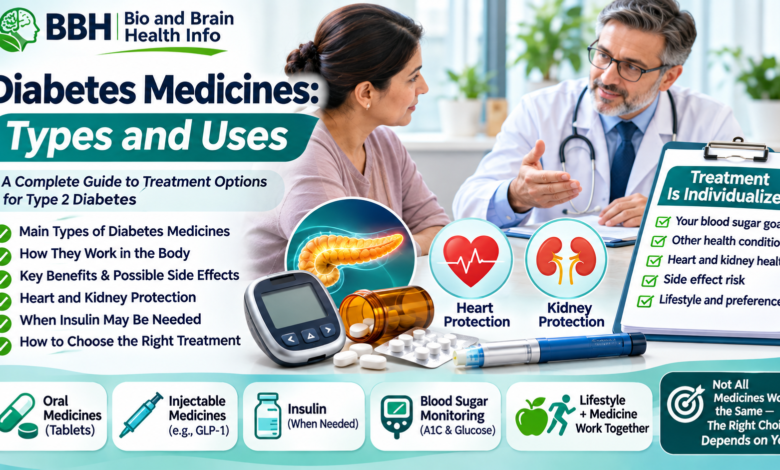
Diabetes medicines are treatments that help people manage high blood glucose, but their roles extend beyond a single A1C number. Certain therapies can also reduce cardiovascular or kidney-related risks in eligible adults with type 2 diabetes. Other treatments are chosen because they are affordable, well tolerated, effective for a particular glucose pattern or necessary when insulin production is too low.
Thank you for reading this post, don't forget to subscribe!This guide to types of diabetes medicines explains oral diabetes medications, newer injectable therapies, insulin treatment, and how clinicians weigh heart health, kidney function, body weight, side effects and cost. Guidance is primarily for adults in the United States, with comparisons to the UK, Australia and Canada. The information is educational; never select or change medication from a website alone.
Diabetes Medicines: Types and Uses at a Glance
The ADA 2026 Standards recognize that metformin continues to be a useful, low-cost choice for many adults, while certain GLP-1 or SGLT2 agents may be prioritized because of specific cardiovascular, heart failure or kidney benefits. A clinician reviews medical conditions and local evidence rather than treating the classes as interchangeable.
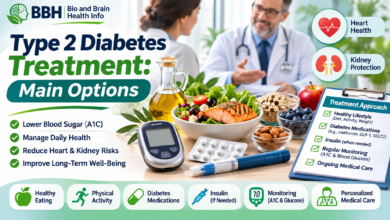
Related BBH article: Type 2 Diabetes Treatment: Main Options.
Why Different Diabetes Treatments Are Prescribed
Type 2 diabetes involves insulin resistance and varying degrees of insufficient insulin secretion. One medicine may reduce glucose released by the liver, another may increase glucose removal through urine, and another may influence appetite and glucose-dependent insulin signaling. Understanding the mechanism helps explain why combination therapy can sometimes be useful.
Lowering glucose is only one goal
Preserving kidney function, reducing the chance of heart failure hospitalization, managing cholesterol and blood pressure, protecting vision, preventing symptoms and avoiding severe low glucose are all important considerations. Clinical guidance increasingly connects specific drugs to these broader outcomes.
Why the first medicine is not always the same
Someone with newly diagnosed type 2 diabetes and no major comorbidity may receive a different plan from someone with kidney disease or previous heart attack. Kidney tests, blood pressure, cost, other medications and personal preferences help determine which medicines are suitable. No one should assume that an injection automatically means more severe diabetes.
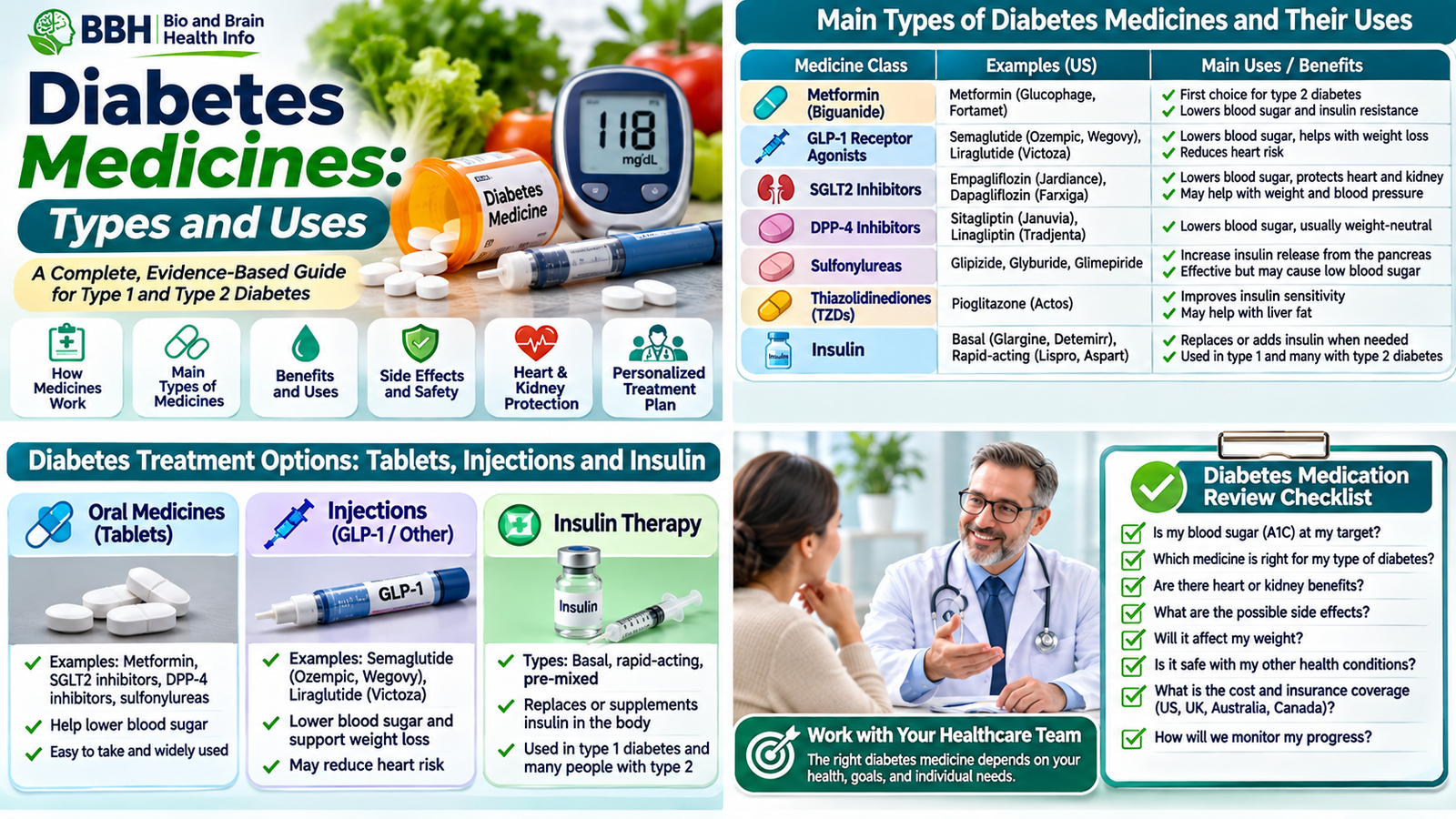
Types of Diabetes Medicines: Comparison Table
| Class and examples | How it works / main use | Important cautions |
|---|---|---|
| Biguanide: metformin | Reduces hepatic glucose output; commonly used foundational therapy | Digestive side effects; kidney function; B12 monitoring |
| SGLT2: empagliflozin, dapagliflozin | Increases urinary glucose excretion; selected drugs protect heart or kidneys | Genital infections, dehydration, ketoacidosis risk |
| GLP-1 RA: semaglutide, dulaglutide | Glucose-dependent hormonal effects; some have proven cardiovascular benefit | Gastrointestinal effects, contraindications, cost |
| Dual GIP/GLP-1: tirzepatide | Acts on two incretin pathways; strong glucose and weight effects | GI effects, pregnancy considerations, access |
| DPP-4: sitagliptin, linagliptin | Enhances endogenous incretin action; modest glucose effects | Usually weight-neutral; renal adjustments vary |
| Sulfonylureas: glimepiride, glipizide | Promotes insulin release, often affordable | Hypoglycemia, weight gain |
| Meglitinides: repaglinide | Shorter-acting insulin secretagogue | Hypoglycemia; meal-timing considerations |
| TZD: pioglitazone | Improves insulin sensitivity | Fluid retention, weight gain, heart failure concerns |
| Other oral drugs: acarbose | Slows carbohydrate absorption | Digestive adverse effects; local availability |
| Insulin: basal and mealtime | Replaces or supplements insufficient insulin | Low glucose, dosing errors, training needs |
These are examples rather than a full formulary. Names, approved uses, safety warnings and availability can change, and only some agents in a drug class have evidence for particular organ-protection outcomes.
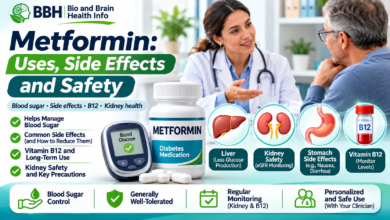
Metformin: Uses, Benefits and Precautions
Metformin is frequently used to manage type 2 diabetes because it is familiar, effective and generally affordable. It reduces the amount of glucose released by the liver and helps the body regulate blood glucose. It may be prescribed alone or with other treatments.
Why a clinician might choose metformin
It usually has little intrinsic risk of causing hypoglycemia when taken alone and is weight-neutral or may be associated with modest weight reduction. However, its suitability depends on kidney function, tolerance and broader clinical priorities.
What side effects matter?
Nausea, loose stools and abdominal discomfort may occur, particularly when treatment begins. Clinicians may modify the formulation or schedule to improve tolerance. Long-term treatment is associated with potential vitamin B12 deficiency, so someone with anemia or new neuropathy symptoms may need assessment.
Metformin may require temporary interruption in specific situations, such as certain acute illnesses or procedures, according to professional instructions. Do not apply a general internet rule to your own dosing.
SGLT2 Inhibitors: Glucose, Heart and Kidney Uses
Sodium–glucose cotransporter-2 (SGLT2) inhibitors act in the kidneys to reduce glucose reabsorption, allowing more glucose to leave the body through urine. Empagliflozin and dapagliflozin are examples; their licensed indications may extend beyond diabetes depending on the condition and product.
Some SGLT2 inhibitors reduce heart failure events and slow chronic kidney disease progression in appropriately selected people. These benefits may influence treatment even when additional glucose lowering is not the primary need. The eGFR threshold depends on the particular medicine and indication.
Important safety concerns
Genital yeast infections, dehydration and low blood pressure can occur. A rare but serious risk is diabetic ketoacidosis, which sometimes develops without extremely high blood glucose. People taking SGLT2 drugs need individualized advice for surgery, severe illness, fasting and symptoms such as vomiting or rapid breathing.
Because these diabetes medicines affect renal glucose handling, glucose-lowering efficacy and kidney-protective indications must not be confused. A medication can offer a protective benefit even if its effect on measured glucose becomes smaller at reduced eGFR.
GLP-1 Receptor Agonists: What Are They Used For?
Glucagon-like peptide-1 receptor agonists act on hormonal pathways that can stimulate glucose-dependent insulin secretion, suppress inappropriate glucagon release and affect appetite or gastric emptying. Some products are injected, while selected formulations are available by mouth.
Examples include semaglutide, dulaglutide and liraglutide. Certain agents have demonstrated lower cardiovascular event risk for selected patient groups. Not all GLP-1 medicines have exactly the same approved indications or outcomes evidence.
Possible advantages
GLP-1 therapy may improve glucose while supporting weight reduction for some patients. Its low intrinsic hypoglycemia risk does not eliminate low-glucose concerns when combined with insulin or sulfonylureas. Product choice also considers personal health history.
Practical challenges
Nausea, vomiting, constipation and other gastrointestinal effects may limit tolerance. Contraindications, pregnancy planning, significant gastric symptoms, cost and insurance coverage deserve review. Sudden discontinuation or switching because of an online advertisement is not safe medical planning.
Dual GIP and GLP-1 Agonists: The Role of Tirzepatide
Tirzepatide activates both glucose-dependent insulinotropic polypeptide and GLP-1 receptors. Evidence supports substantial average glucose lowering and weight reduction in eligible adults with type 2 diabetes, but individual responses differ.
Tirzepatide is not insulin and is not appropriate for every person. Its side effects can include nausea, diarrhea, vomiting and reduced appetite. The product’s specific labeling, contraindications, cost and availability must be considered. Kidney or heart-related outcome claims should be matched to actual evidence and indication rather than generalized to the whole drug category.
For people already using insulin, the prescriber may need to review the overall plan to reduce hypoglycemia risk when adding incretin-based treatment. This is one reason self-directed medicine combinations can be dangerous.
DPP-4 Inhibitors: Oral Medicines for Glucose Control
DPP-4 inhibitors, such as sitagliptin and linagliptin, prolong the activity of naturally occurring incretin hormones. They generally provide more modest glucose lowering than highly effective GLP-1 or dual incretin therapies and have relatively little effect on weight.
These tablets are sometimes useful when a person prefers an oral medication or cannot use another class. Kidney-dose considerations differ among products. Combining a DPP-4 inhibitor with a GLP-1 receptor agonist is generally not recommended because the mechanisms overlap without meaningful added benefit.
Their cardiovascular and kidney benefit profiles are not identical to those of selected SGLT2 or GLP-1 agents, so they should not automatically be substituted when organ protection is the principal clinical goal.
Sulfonylureas and Meglitinides: Insulin Release
Sulfonylureas, including glipizide and glimepiride, stimulate pancreatic insulin secretion and can reduce blood glucose at relatively low cost. Gliclazide is another commonly used example in several countries. Their affordability can be important when newer medicines are financially inaccessible.
The principal caution is hypoglycemia, especially when meals are delayed or skipped, in some older adults, or when kidney function declines. Weight gain may also occur. A clinician should discuss what to do if someone cannot eat normally or experiences recurrent low glucose.
Meglitinides, such as repaglinide, also stimulate insulin release but act over a shorter time. Meal timing is particularly relevant. Neither category should be combined or adjusted without professional assessment of hypoglycemia risk.
Thiazolidinediones and Other Less Common Tablets
Pioglitazone, a thiazolidinedione (TZD), improves sensitivity to insulin. For selected adults, it may be an option when other factors favor its use, but fluid retention, weight gain and heart failure concerns can outweigh benefits in others.
Alpha-glucosidase inhibitors such as acarbose slow digestion or absorption of some carbohydrate and may reduce post-meal glucose rises; flatulence and gastrointestinal symptoms can limit use. Other less commonly prescribed agents exist and their availability differs considerably by region.
The range of oral diabetes medications shows why “best pill” lists are misleading. One treatment can be useful under one set of clinical conditions and inappropriate under another.
Types of Insulin Used in Diabetes
Insulin is essential for type 1 diabetes because the body cannot reliably produce enough of its own insulin. People with type 2 diabetes may need insulin when glucose is markedly elevated, symptoms are substantial, other options are insufficient or insulin production has declined.
Basal insulin
Long-acting or intermediate-acting basal insulin helps manage glucose between meals and overnight. Different preparations have different timing and duration, so they are not interchangeable unit for unit without prescribing guidance.
Mealtime insulin
Rapid-acting or short-acting insulin may help cover meal-related glucose increases. Training on injection technique, food intake and monitoring is crucial. Some people use combinations or premixed formulations, depending on individual needs and availability.
When treatment may need prompt intensification
ADA 2026 guidance recommends considering insulin in symptomatic adults with type 2 diabetes or very high glucose, including A1C above 10% or glucose at least 300 mg/dL. This is a clinical consideration, not an at-home initiation threshold. Urgent evaluation may be needed when dehydration, ketosis or severe symptoms are present.
The term insulin treatment should not carry stigma. It is a medically appropriate way to replace or supplement insulin when needed, not evidence of personal failure.
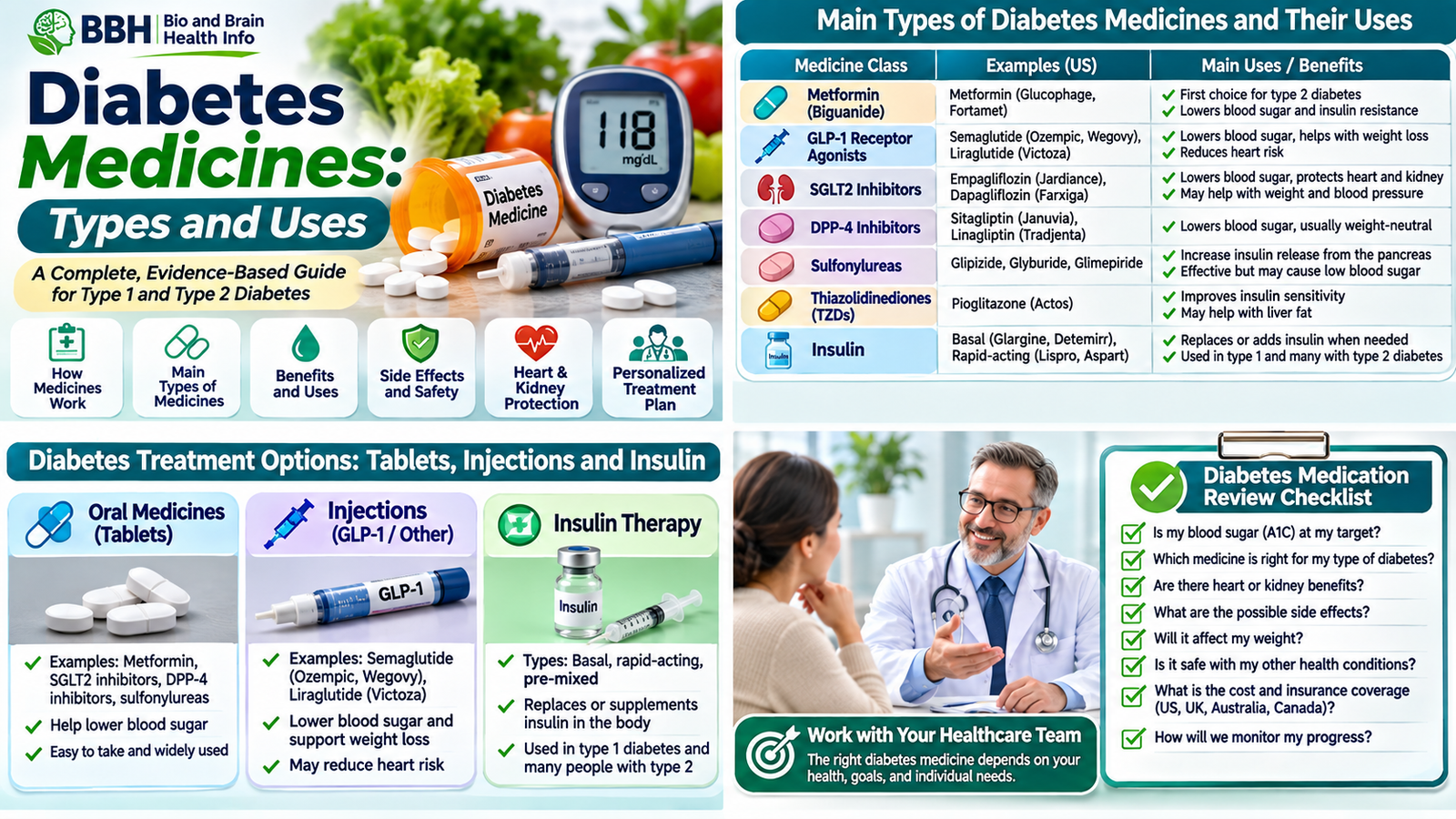
Diabetes Pills Versus Injections: Key Differences
Some people assume injections are always stronger or that tablets are always safer. Neither is universally true. A once-weekly injected therapy may fit one person’s schedule better than several daily tablets, while another person may prioritize lower cost or avoiding injections.
An injection pen containing a GLP-1 therapy is not an insulin pen, even when the packaging or administration appears similar. Product instructions, storage and needle handling differ. Accidentally confusing medicines or doses can be serious.
Combining more than one medicine can address different mechanisms but also changes side effects and costs. The safest approach is a current reconciled list reviewed with the prescribing team and pharmacist.
Which Treatments Protect Heart and Kidney Health?
A critical content gap is the belief that all glucose-lowering drugs have identical cardiovascular and renal effects. Clinical trials show that selected SGLT2 inhibitors and selected GLP-1 receptor agonists can provide benefits beyond blood glucose lowering, but the evidence depends on the medicine and the population studied.
For people with atherosclerotic cardiovascular disease, heart failure or chronic kidney disease, the ADA recommends using appropriate protective agents irrespective of needing more glucose lowering and, where indicated, irrespective of metformin use. Diabetes Canada’s guidance similarly prioritizes certain protective therapies for people with elevated cardiovascular or kidney risk.
Blood pressure treatment, lipid management, smoking cessation and routine kidney monitoring remain important. A glucose-lowering medication alone does not replace comprehensive cardiovascular prevention.
Knowing the types of diabetes medicines is most helpful when the reader also understands which treatment goals each class can and cannot address.
Related BBH article: Diabetes Diagnosis: Which Tests Are Used?.
A1C Targets, Blood Glucose Checks and Reviews
HbA1c estimates average glucose exposure over roughly two to three months. Many nonpregnant adults use an A1C target around or below 7%, but older adults, those prone to severe hypoglycemia and people with multiple illnesses may have other goals.
Home glucose meters and continuous glucose monitoring can be useful, particularly with insulin or medicines associated with low glucose. Review patterns, symptoms and medication tolerance with the care team rather than changing a dose after one reading.
The ADA advises regular medication plan reassessment, commonly every three to six months, with changes according to glycemic goals and personal needs. An unexpectedly high A1C may reflect missed doses, illness, an inappropriate regimen, progression of disease or access problems—not simply a lack of effort.
Related BBH article: Low Blood Sugar: Symptoms and Treatment.
Diabetes Medicines: Side Effects and Low Blood Sugar
The risk of hypoglycemia is not equal across drugs. Insulin and insulin secretagogues such as sulfonylureas are common causes. Metformin, DPP-4 inhibitors, GLP-1 agents and SGLT2 inhibitors generally carry lower intrinsic hypoglycemia risk when used alone, but risks can change with combinations.
Shaking, sweating, dizziness, hunger, palpitations or confusion may signal low glucose. People who can safely swallow should follow their clinician’s fast-acting carbohydrate plan; severe confusion, seizures or inability to swallow need emergency action.
Persistent vomiting, deep breathing, marked drowsiness or severe abdominal pain may be signs of a serious metabolic condition. Urgent medical care is appropriate, particularly for people using SGLT2 therapy, since ketoacidosis can sometimes occur without extremely high blood sugar.
Sick Days, Fasting and Surgery: Why Medication Plans Change
An infection, vomiting, fever, poor intake or upcoming surgery can affect blood glucose, hydration and the safety of particular medicines. Clinicians may provide written sick-day instructions that vary by the medicine, condition and procedure.
For example, certain SGLT2 agents require temporary withholding around some planned procedures or during significant illness because of ketoacidosis risk. Metformin, diuretics and insulin each have separate considerations; stopping all diabetes treatment is not an appropriate universal rule.
Ask for a written plan that explains when to monitor, which symptoms warrant urgent care and how to contact the diabetes team. People with type 1 diabetes must not independently stop essential basal insulin.
Cost and Availability: Choosing Sustainable Treatment
In the United States, insurance coverage, prior authorization, deductibles and formulary restrictions can make otherwise appropriate medicines difficult to obtain. Generic metformin and some other older drugs are often less expensive than newer injectable products, but actual out-of-pocket cost varies.
A physician or pharmacist may suggest covered alternatives, manufacturer assistance or adjustments to simplify a regimen. Never ration insulin or other essential medicine without seeking urgent professional support to find a safer solution.
Access and affordability are part of clinical effectiveness: a prescription cannot achieve its goal if a person cannot consistently obtain or tolerate it. The best treatment plan should reflect both clinical evidence and realistic access.
USA, UK, Australia and Canada: Medicine Guidance
| Country | Primary guidance | Important differences |
|---|---|---|
| USA — priority | ADA Standards of Care in Diabetes—2026 | Condition-guided choices; organ protection, glycemic goals, weight, cost and access |
| UK | NICE NG28 updated February 2026 | Updated medicine pathways and cost-effectiveness considerations; modified-release metformin and SGLT2 combinations in specified groups |
| Australia | Australian Diabetes Society algorithm, September 2026 | Local sequencing and reimbursement arrangements influence selection |
| Canada | Diabetes Canada pharmacologic management update, 2024 | Person-centered choice, cardiorenal protection and access considerations |
The scientific principles often overlap, but one country’s formulary, brand names and subsidized access rules may not match another. Always check current regional approvals and clinical guidance, rather than assuming a drug available in the US has the same indication in the UK, Australia or Canada.
For international BBH readers, this comparison of diabetes medications is intended to support better discussions with local clinicians, not cross-border self-prescribing.
Related BBH article: Type 2 Diabetes: Symptoms, Causes and Treatment.
Choosing Medicines When Health Needs Differ
Heart failure or chronic kidney disease
Evidence-based SGLT2 therapy may be prioritized when relevant and safe, while selected GLP-1 agents may have additional benefits. eGFR, albuminuria and specific indications affect drug choice.
Weight management goals
Some incretin-based medicines can support clinically meaningful weight reduction. A clinician should consider affordability, tolerability, contraindications and an overall nutrition plan. Weight alone does not define diabetes severity or treatment success.
Older adults and frailty
Preventing dangerous low glucose and simplifying treatment can matter more than aggressive numeric targets. Insulin or sulfonylurea plans may require particular care.
Pregnancy, type 1 diabetes and uncertain diagnosis
Pregnancy and pregnancy planning require specialist medication reviews. Type 1 diabetes is treated with insulin; type 2 medication lists must never be used as substitutes. If symptoms, antibody results or clinical course suggest a different type of diabetes, reevaluation is necessary.
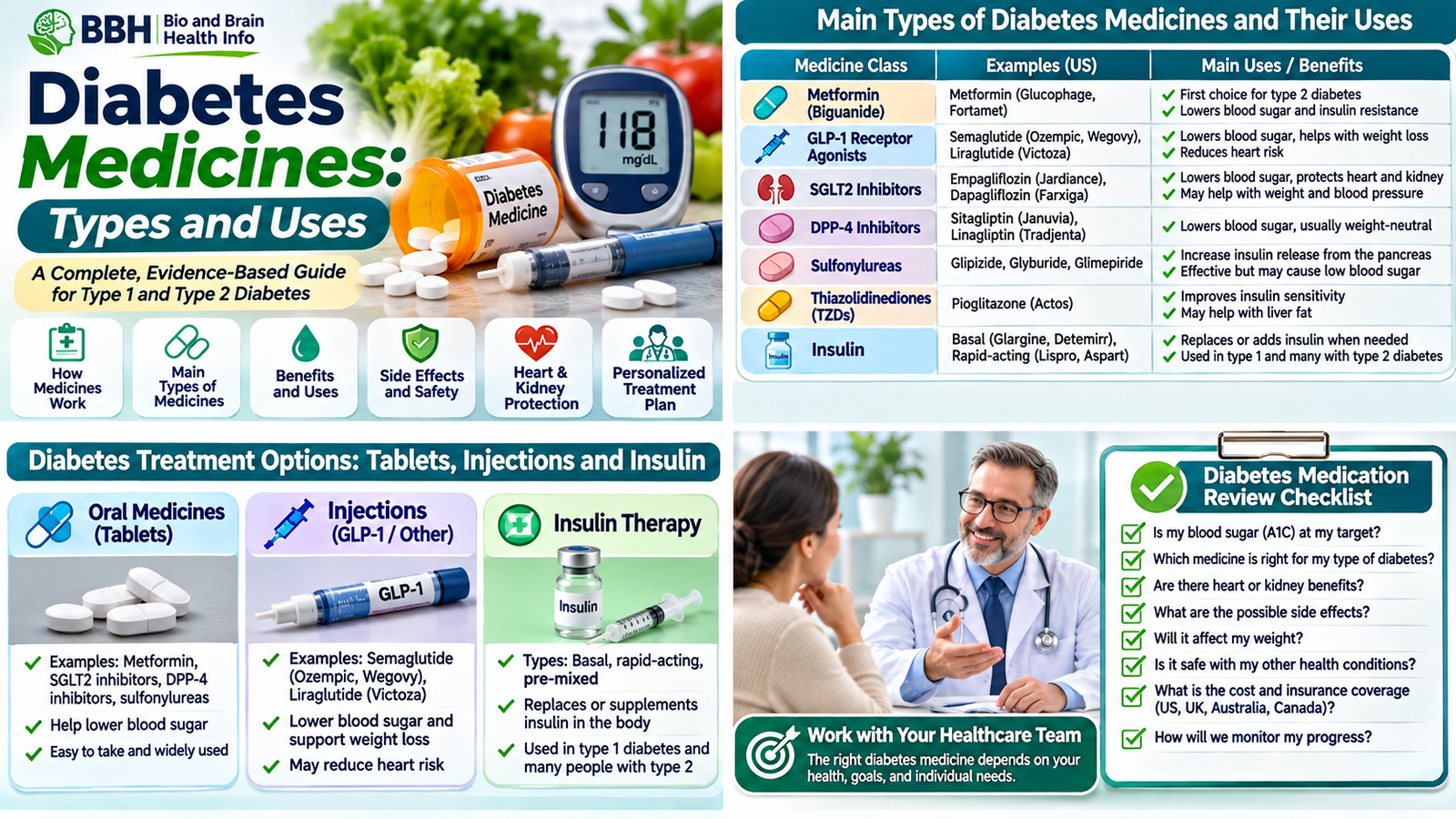
Questions to Ask About a New Diabetes Medicine
| Ask your clinician | Reason |
|---|---|
| What is this medicine expected to improve? | Clarifies glucose versus heart, kidney or weight goals |
| How will we know whether it is helping? | Establishes follow-up, laboratory testing and symptoms to review |
| What side effects or warning signs matter? | Supports prompt recognition of hypoglycemia, dehydration or other problems |
| Does my kidney function or another illness affect its use? | Identifies contraindications and monitoring needs |
| What happens during illness, fasting or surgery? | Creates safe personalized sick-day guidance |
| Is there an affordable alternative or covered formulation? | Helps prevent gaps in treatment |
Bring a complete list of prescription drugs, nonprescription medicines and supplements to each medication review. Keep the list updated as new therapies are added, and confirm changes with a pharmacist when packaging or brands differ.
Related BBH article: Can Type 2 Diabetes Go Into Remission?.
Common Misconceptions About Diabetes Medication
Myth: Metformin must always come before every other drug
Not necessarily. Certain heart or kidney conditions may call for medicines with proven organ benefits from early in treatment.
Myth: Injectable medicine always means insulin
GLP-1 receptor agonists and dual incretin treatments are not insulin; each category has different mechanisms and precautions.
Myth: All diabetes tablets cause hypoglycemia
Hypoglycemia risk varies substantially. Sulfonylureas and insulin have different profiles from metformin or SGLT2 inhibitors.
Myth: A lower A1C automatically means medicines can stop
Organ-protective treatment and recurrence of high glucose remain important considerations. Stopping medicine requires professional review.
Myth: Natural supplements are guaranteed safer
Supplements can interact with prescription drugs and may lack reliable efficacy or purity. They should not replace evidence-based treatment.
Diabetes Medicines: Frequently Asked Questions
What is the most common first diabetes tablet?
Metformin remains widely prescribed, but other medicines may be chosen early based on cardiovascular, kidney and other risk factors.
Which medicines help people lose weight?
Certain GLP-1 and dual GIP/GLP-1 therapies can support substantial weight reduction in eligible patients, though effects and access vary.
Can diabetes be controlled without tablets?
Some people manage glucose with structured lifestyle care, but many need medicines. Treatment is determined by medical need, not willpower.
Which medicines are safest for the kidneys?
The answer depends on kidney function, the treatment’s licensed indications and the individual’s conditions. Some SGLT2 agents have proven protective effects in eligible patients.
Does insulin mean diabetes has become type 1?
No. People with type 2 diabetes may also require insulin; the diabetes type depends on the underlying mechanism, not solely the medicine used.
Can I combine a GLP-1 drug and an SGLT2 inhibitor?
Some people receive more than one class, but suitability, adverse effects and coverage require clinician assessment.
What if my medicine is too expensive?
Contact the prescriber or pharmacy before rationing treatment. Ask about covered alternatives and financial assistance.
Should I stop tablets when my blood sugar is normal?
No. Normal readings may reflect medicine effectiveness. Medication changes should be supervised.
Related BBH Guides and Support
Medical Sources and Disclaimer
- American Diabetes Association: Standards of Care 2026, Pharmacologic Approaches
- ADA 2026: Pharmacologic Treatment — Full Text
- NICE NG28: Type 2 Diabetes in Adults, February 2026
- Australian Diabetes Society: September 2026 Glycaemic Algorithm
- Diabetes Canada: Clinical Practice Guidelines and 2024 Update
- Diabetes Canada: Medication Management