Breakfast Ideas for People With Diabetes
Best Breakfasts for Diabetes: Easy Ideas


BBH Physical Health · Diabetes & Blood Sugar · Evidence-based US-priority guide with UK, Canada and Australia context
Thank you for reading this post, don't forget to subscribe!A diabetes-friendly breakfast can be simple, affordable and satisfying. It does not require avoiding all carbohydrates, buying special foods or eating eggs every day. The more useful question is how to combine nutritious foods in portions that work with a person’s treatment, morning routine and preferences.
These breakfast ideas for people with diabetes are grounded in the ADA 2026 approach to individualized, nutrient-dense eating. They focus on practical food combinations and how to adapt them, with US readers as the priority and additional guidance for the UK, Canada and Australia.
The goal is education rather than prescribing a particular calorie or carbohydrate intake. Someone taking mealtime insulin, living with kidney disease or managing gestational diabetes may need a very different plan.
What makes a breakfast diabetes-friendly?
A breakfast does not need to contain a special ‘diabetes’ product. The ADA 2026 recommends individualized eating patterns that prioritize nutrient-dense, minimally processed foods. Carbohydrate-containing foods can be included, while the amount and meal composition depend on treatment goals, insulin plans and preferences.
A useful breakfast usually includes one or more sources of fiber, an appropriate protein food and, when desired, a small amount of unsaturated fat. For example, oats with berries and nuts or eggs with wholegrain toast and vegetables offer more nutritional variety than a sugary pastry alone.
Carbohydrate affects glucose, but pairing it with protein, fat or fiber can slow the rate of absorption. That does not make carbohydrate invisible. Serving size, medication and the person’s glucose response still determine the practical effect.
| Breakfast element | Why include it? | Examples |
|---|---|---|
| Higher-fiber carbohydrate | Nutrients and fiber, with portion awareness | Plain oats, seeded toast, beans |
| Protein | Adds variety and satiety | Eggs, tofu, plain yogurt |
| Unsaturated fat | Heart-healthy food pattern | Walnuts, chia, avocado |
| Fruit or vegetables | Micronutrients and fiber | Berries, tomatoes, spinach |
The ideal breakfast also fits time, hunger and accessibility. A five-minute meal that is nutritious and repeatable may be more useful than a complicated recipe that is prepared only once.
Breakfast Ideas for People With Diabetes: Oats
Plain rolled oats or steel-cut oats can be a convenient foundation. Cook them in water or unsweetened milk and top with a reasonable portion of berries, chopped walnuts or chia seeds. Cinnamon adds flavor without needing sweet syrup.
Oats contain carbohydrate and soluble fiber. Check the serving size and avoid assuming that a very large bowl is automatically better because oats are a whole grain. Instant oats without added sugar can also work; some flavored packets contain substantial sweeteners.
Add plain yogurt or an appropriate protein food if this helps make the meal satisfying. People with lactose intolerance can use a suitable fortified alternative and compare carbohydrate and protein labels.

For busy mornings, refrigerate overnight oats in a covered container, using safe storage practices. Adjust portions to appetite, prescribed carbohydrate goals and glucose trends.
Breakfast Ideas for People With Diabetes: Eggs
An egg breakfast with spinach, mushrooms, tomatoes or peppers offers protein and vegetables. Pair it with wholegrain toast or another portioned carbohydrate if desired. Use an unsaturated oil in a modest quantity rather than relying on processed breakfast meats.
Eggs can fit into an overall balanced diet, although individual cardiovascular risk and other dietary factors may affect frequency and preparation. A dietitian can help if a person has specific lipid or renal considerations.
Try scrambled eggs with spinach and one slice of seeded toast, or a vegetable omelet with a side of fruit. The combination can be prepared quickly and adjusted to household preferences.
For vegetarian or egg-free eaters, substitute a tofu scramble with turmeric, onion and vegetables. It provides a similar savory experience with a different nutrient profile.
These breakfast ideas for people with diabetes should be adapted to nutrition, medicines and personal needs.
Plain yogurt, berries and seeds
Unsweetened Greek-style yogurt or another suitable plain yogurt can provide protein and calcium. Combine it with berries, chia or pumpkin seeds, and a measured quantity of oats or high-fiber cereal if extra carbohydrate is desired.
Flavored yogurts may contain added sugar despite healthy-sounding labels. Compare total carbohydrate, portion size, saturated fat and protein. A low-fat or unsweetened fortified nondairy version may be suitable for some readers.
Frozen berries thaw easily and are often affordable. Whole fruit provides fiber that is largely absent from juice. Avoid turning a small yogurt bowl into a very high-carbohydrate breakfast by adding large amounts of granola, honey and dried fruit.
Keep ingredients chilled and use them within food-safe storage intervals. A portable yogurt jar can be practical for commuting, provided it remains at an appropriate temperature.
Tofu scramble and a high-fiber side
Crumbled firm tofu cooked with onions, peppers, spinach and turmeric makes a protein-containing breakfast without eggs or meat. Serve with wholegrain toast or a moderate portion of beans, depending on carbohydrate needs.
Beans and lentils provide fiber and plant protein but also contain carbohydrate. If tofu is combined with beans and toast, account for the total carbohydrate rather than treating every ingredient as unrestricted.
Choose lower-sodium seasonings and add herbs, lemon or spices for flavor. Tofu products vary in calcium and protein content, so compare labels if those nutrients are important.
This option is suitable for many vegetarian households and can be prepared with leftover vegetables. Soy allergy requires another protein option.
These breakfast ideas for people with diabetes should be adapted to nutrition, medicines and personal needs.
Wholegrain breakfast wraps and sandwiches
A wholegrain wrap filled with scrambled egg, tofu, hummus and vegetables makes a convenient handheld meal. Smaller wraps may contain less carbohydrate than oversized restaurant versions; packaging helps identify serving size.
Another option is wholegrain toast topped with avocado and a boiled egg, alongside sliced tomato. The avocado contributes unsaturated fat, while the bread supplies carbohydrate and fiber.
Prepared breakfast sandwiches often contain processed meats, high-sodium sauces and refined bread. Making a simple sandwich at home allows more control over ingredients, although occasional convenience foods need not be treated as forbidden.

Use leftover cooked protein safely, keep chilled food refrigerated and reheat thoroughly where appropriate. A practical meal is one that remains safe, satisfying and compatible with the individual’s daily routine.
Low-prep and budget-friendly breakfast combinations
Affordable options include oats, eggs, plain yogurt, frozen berries, peanut butter without added sugar and canned beans. A banana with unsweetened peanut butter and wholegrain toast may suit some people, while others need a different carbohydrate portion.
Batch-cook hard-boiled eggs or prepare washed vegetables ahead, following food-safety guidelines. Overnight oats can be made the evening before. A frozen vegetable mix can quickly become a breakfast omelet or tofu scramble.
Consider a bowl of unsweetened fortified cereal with milk and a protein source when time is very limited. Read labels for fiber and added sugar rather than relying on claims such as ‘multigrain’ or ‘natural’.
Food planning need not involve expensive superfoods or imported supplements. Seasonal produce and familiar grains can support the same basic principles.
These breakfast ideas for people with diabetes should be adapted to nutrition, medicines and personal needs.
A five-day rotation of breakfast ideas
Day one: oats, berries and walnuts. Day two: vegetable eggs with wholegrain toast. Day three: plain yogurt, seeds and fruit. Day four: tofu scramble with tomatoes and a portion of wholegrain bread. Day five: chickpea-and-vegetable wrap with water.
Use this short rotation to reduce decision fatigue rather than treating it as a compulsory calendar. Swap a savory meal for a sweet one or repeat the same breakfast when it is convenient.
| Day | Quick breakfast | Practical modification |
|---|---|---|
| Monday | Plain oats, berries, walnuts | Add plain yogurt if desired |
| Tuesday | Spinach eggs, wholegrain toast | Use tofu for egg-free version |
| Wednesday | Plain yogurt, fruit, chia | Choose unsweetened fortified alternative if needed |
| Thursday | Tofu scramble, seeded bread | Add mushrooms and peppers |
| Friday | Bean vegetable wholegrain wrap | Check wrap portion and sauces |
These examples intentionally lack fixed calorie or carbohydrate totals. A standardized recipe with measured ingredients would be necessary to calculate them, and the right amount depends on the person.
People using insulin-to-carbohydrate ratios should calculate carbohydrate according to their prescribed plan rather than assuming that each suggested breakfast contains an equivalent amount.
Breakfast carbohydrates and glucose patterns
Morning glucose may be influenced by dawn physiology, sleep, stress, preceding meals and diabetes medication. A person can have a higher morning reading before breakfast, so blaming breakfast alone may overlook an important pattern.
A continuous glucose monitor or appropriately used meter can help identify whether certain portions routinely produce different responses. For many nonpregnant adults living with diabetes, postmeal goals are individualized and commonly involve a peak below 180 mg/dL, but this is not a diagnostic threshold.
Protein and fiber can support meal quality, yet a breakfast containing oats or fruit still has carbohydrate. Avoid marketing claims that any recipe prevents glucose rises entirely.
If morning values remain high, discuss the pattern with a diabetes professional. Do not skip prescribed medication or sharply restrict food on the basis of one reading.
Breakfast Ideas for People With Diabetes Worldwide
The U.S. ADA and CDC emphasize individualized balanced meals, nutrient-rich carbohydrate and the plate method. Practical choices include egg-and-vegetable toast, oats with berries, plain yogurt and a high-fiber breakfast wrap.
Diabetes UK recommends breakfast swaps such as porridge without sugary syrup, wholegrain toast instead of refined bread, and natural unsweetened yogurt with fruit. It also describes egg-based breakfasts and savory options.
Diabetes Canada promotes a balanced breakfast that combines high-fiber carbohydrate, protein and healthy fats. Familiar examples include oats, eggs, yogurt and wholegrain toast with suitable toppings.
| Country | Common breakfast idea | Practical emphasis |
|---|---|---|
| United States | Oats with berries and nuts | Fiber, protein, individual portions |
| United Kingdom | Porridge or egg on wholegrain toast | Avoid sugary syrup and refined cereal |
| Canada | Yogurt, oats, fruit, seeds | High-fiber carbs, protein, healthy fats |
| Australia | Wholegrain toast, eggs, vegetables | Adapt to glucose goals and preferences |
Australia’s NDSS provides breakfast recipes and education that can be adapted using porridge, wholegrain toast, eggs, vegetables and unsweetened yogurt. Country-specific labels and availability differ, but the underlying food principles are similar.
Common breakfast mistakes and safer swaps
Sugary breakfast cereals, sweet pastries, syrup-covered pancakes and large flavored coffee drinks can deliver substantial added sugar. A swap to plain oats, wholegrain toast or unsweetened yogurt may improve fiber and reduce free sugars.
Skipping breakfast is not universally wrong, but it can be unsafe for some people taking insulin or sulfonylureas if their medication plan assumes a morning meal. Discuss any regular fasting or major schedule change with the treating team.
Fruit juice is not interchangeable with whole fruit. Juice contains carbohydrate and can be consumed rapidly, while whole fruit usually provides greater fiber and fullness.
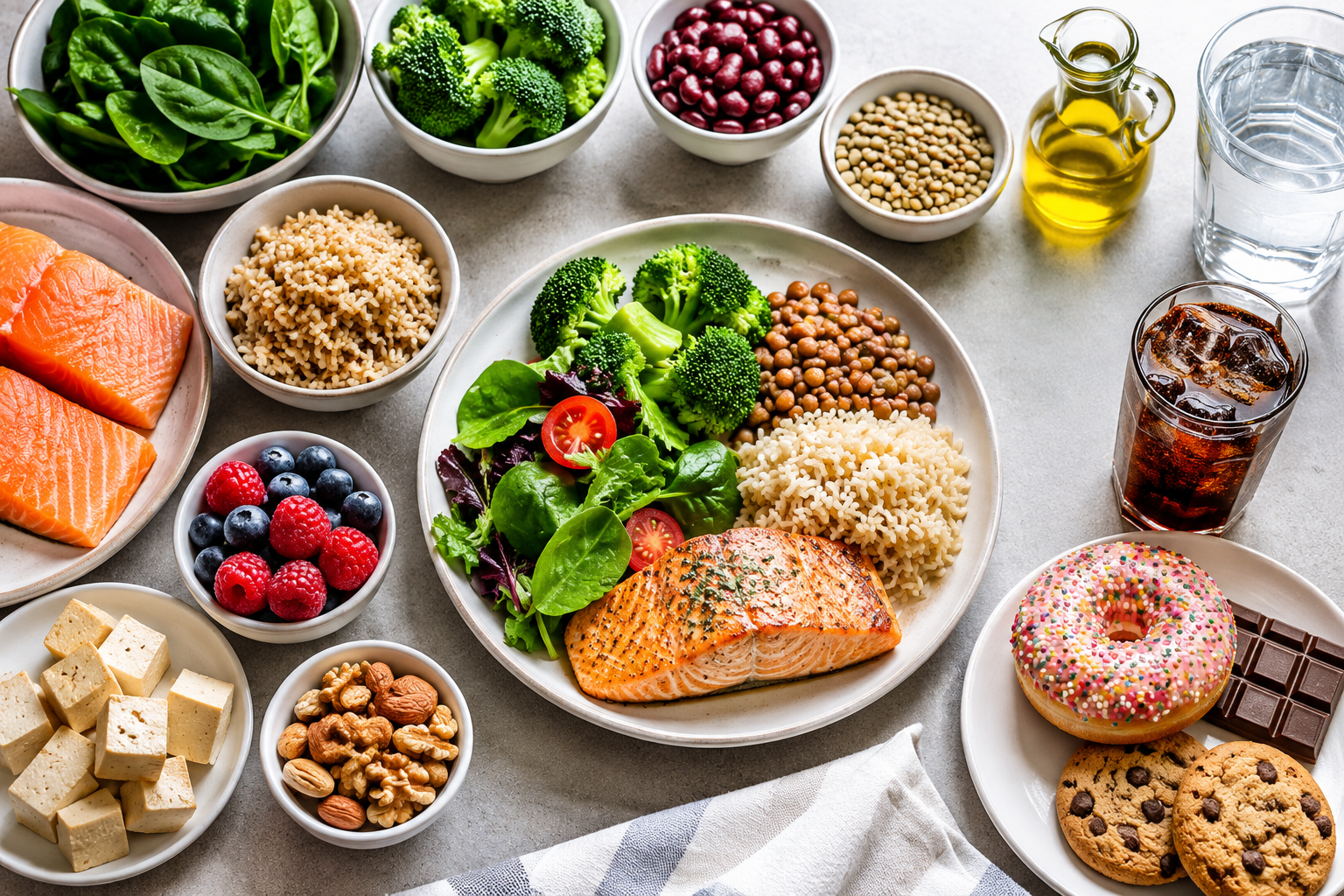
Products labeled keto, diabetic, protein-packed or sugar-free may still contain calories, saturated fat or carbohydrate. Read nutrition information and consider the entire breakfast rather than one marketing phrase.
Special considerations: insulin, pregnancy and kidneys
People using mealtime insulin often need carbohydrate-counting education and a personalized meal-and-insulin plan. A generic breakfast suggestion cannot determine their dose or the amount of carbohydrate they should eat.
Pregnancy brings different nutritional needs and glucose targets. People with gestational or pre-existing diabetes during pregnancy should obtain a specific plan from maternity and diabetes professionals rather than copying an adult breakfast list.
Chronic kidney disease may change advice on protein, potassium, phosphorus or fluid intake. A very high-protein breakfast or large amounts of certain foods may not suit every person.
Very-low-carbohydrate patterns and prolonged fasting need special consideration in people using glucose-lowering medicines. SGLT2 inhibitors, in particular, can be associated with ketoacidosis risk under certain circumstances; seek medical advice before combining them with ketogenic diets.
Frequently asked breakfast questions
Can someone with diabetes eat oatmeal? Yes. Plain oats offer fiber, but carbohydrate portions and added toppings still matter.
Are eggs a good breakfast choice? They can fit a balanced pattern alongside vegetables and wholegrains; individual health needs may change advice.
Is banana allowed at breakfast? Yes. Bananas provide carbohydrate and can be included in a planned portion rather than prohibited outright.
Can I drink coffee with breakfast? Unsweetened coffee may fit many plans, but caffeine tolerance, flavored syrups and added sugar should be considered.
Is skipping breakfast necessary to control glucose? No universal rule applies. People taking certain medicines should not alter their meal timing without clinical guidance.
Are smoothies better than whole fruit? Not necessarily; large smoothies and juice can contain substantial rapidly consumed carbohydrate.
How many grams of carbohydrate should breakfast contain? There is no one-size-fits-all number. Individualized advice is especially important for insulin users.
Will a healthy breakfast cure type 2 diabetes? No. Balanced eating supports management but is not a cure.
Conclusion: Make Breakfast Nourishing and Practical
The strongest breakfast ideas for people with diabetes are ones that fit the person’s preferences, treatment and real life. Oats, eggs, tofu, yogurt, wholegrain bread, fruit and vegetables can all contribute to a balanced morning meal.
Focus on food quality and portions rather than declaring entire food groups forbidden. Review repeated glucose patterns and major dietary changes with a registered dietitian or diabetes care professional, particularly when using insulin or medicines that can cause lows.
Explore Related BBH Guides
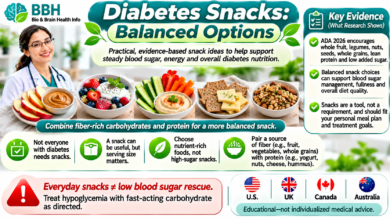
For more detailed, evidence-based information, explore Oatmeal and Diabetes: What to Know (rolled, steel-cut and instant oats); Diabetes Snacks: Balanced Options (optional morning or afternoon snack combinations).
Scientific References