High Blood Sugar: Symptoms and Causes
High Blood Sugar: Signs and Causes

BBH Physical Health · Diabetes & Blood Sugar · Evidence-based, U.S.-priority guide with UK, Canada and Australia context
Thank you for reading this post, don't forget to subscribe!Someone may notice unusual thirst, frequent bathroom visits or unexplained fatigue while another person discovers elevated glucose during routine blood work. These are very different routes to the same important clinical question: is glucose persistently high, and what is causing it?
Understanding high blood sugar symptoms and causes requires more than a list of warning signs. Hyperglycemia may reflect insulin resistance, insufficient insulin, illness, medicines or a mismatch between current treatment and changing needs. Some people have few noticeable symptoms despite clinically important glucose elevation.
This guide explains what high glucose means, which changes to recognize, how the numbers differ between diagnosis and everyday management, and when emergency assessment is needed. The U.S. ADA 2026 standards are the primary reference, with relevant guidance from the UK, Canada and Australia.
1. What high blood glucose means
Hyperglycemia means that glucose in the bloodstream is above an appropriate range. The term applies to people with known diabetes and may also describe a finding during a first medical assessment. It is not itself a complete diagnosis of diabetes or a reason to assume every high reading has the same cause.
Glucose from digested carbohydrate enters the bloodstream, while the liver also releases glucose between meals. Insulin helps regulate this balance. In type 1 diabetes there may be a severe insulin shortage; in type 2 diabetes, insulin resistance and impaired insulin production may contribute.
Values normally change with food, activity, sleep, illness and medicines. The question is whether a particular measurement is abnormal for the testing circumstances and whether a pattern is persisting. A random glucose measurement is not interpreted using the same cutoffs as a fasting laboratory result.
A person may have elevated glucose without feeling unwell, especially when levels rise gradually. Therefore, the absence of obvious symptoms cannot prove glucose is normal or exclude diabetes.
These high blood sugar symptoms and causes should be understood with the timing of a glucose reading and any existing diabetes care plan.
2. High Blood Sugar Symptoms and Causes: Early Signs
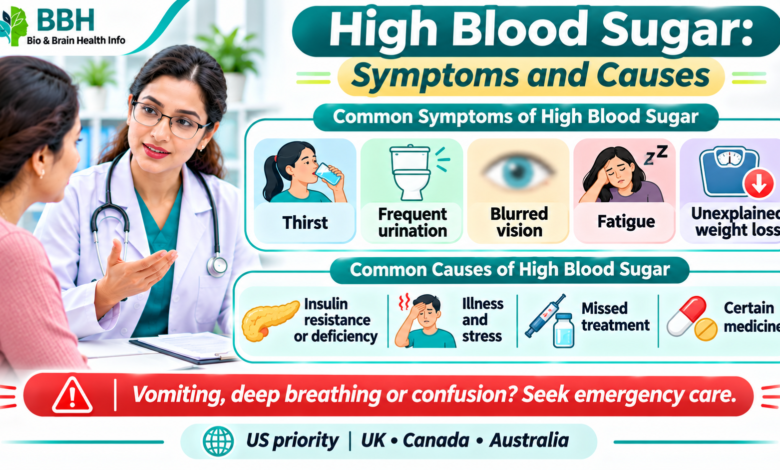
The most familiar signs are unusual thirst, frequent urination, dry mouth and tiredness. Glucose can draw water into the urine as blood concentrations rise, contributing to fluid loss and a cycle in which a person urinates more and then feels thirsty again.
Blurred vision can occur when changing glucose affects fluid balance in the lens of the eye. Some people also report difficulty concentrating or feeling weak. These complaints are not specific to diabetes, so clinical testing and a review of other possible causes remain important.
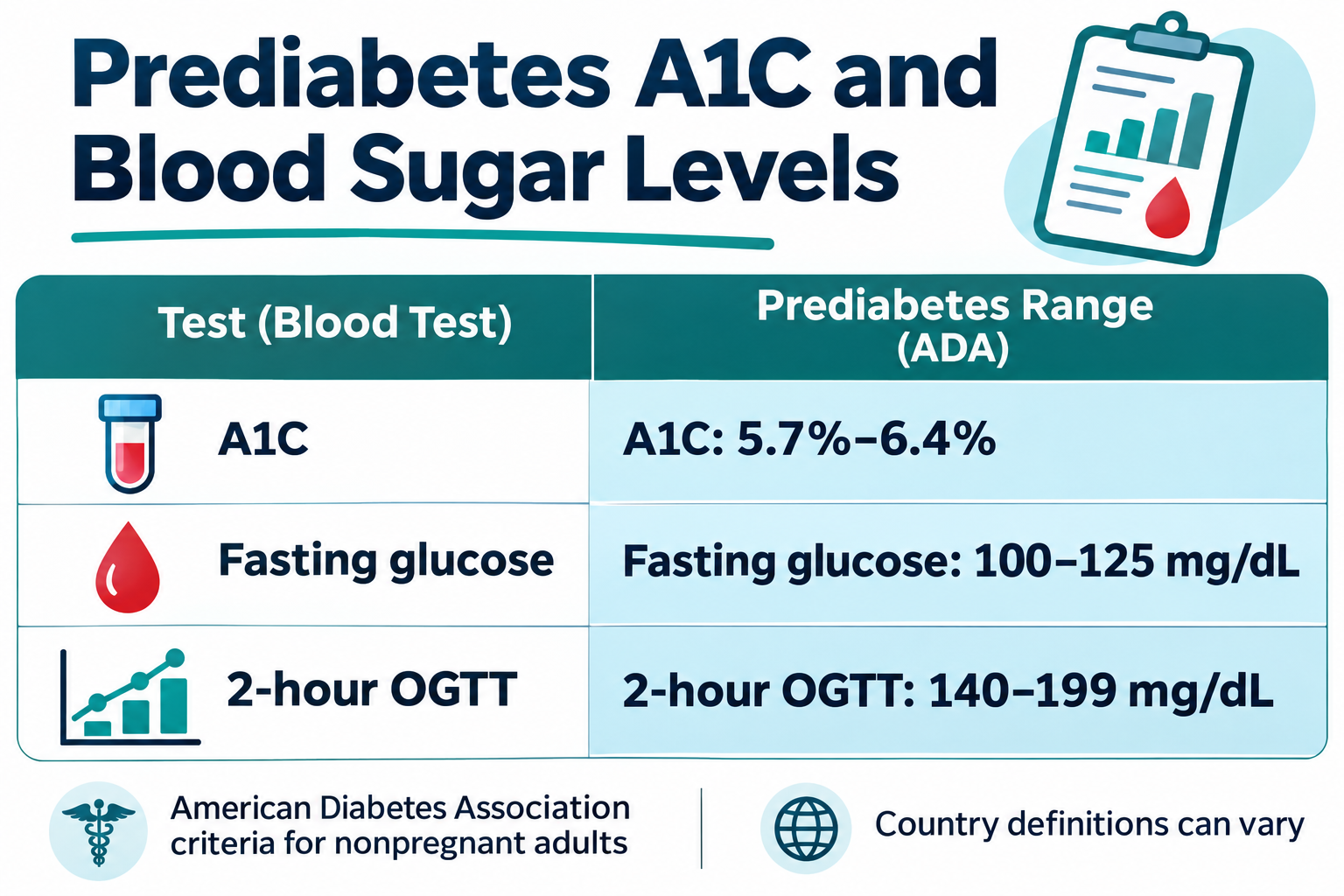
Unexplained weight loss is particularly concerning when accompanied by marked thirst and high urine output. It may reflect insufficient effective insulin and should not be dismissed as a routine lifestyle change.
The NHS notes that hyperglycemia symptoms can come on gradually and may become noticeable only when glucose is substantially elevated. A person can therefore have a concerning result before identifying a recognizable symptom pattern.
3. Why symptoms may be absent or subtle
Many readers expect a high result to produce an immediate, unmistakable reaction. In reality, the relationship between the number and symptoms varies. Duration of elevation, the speed of change, hydration, age and individual health all influence what the person notices.
Some people first learn of high glucose during routine laboratory screening. Others may attribute fatigue to work, dry mouth to weather or frequent urination to drinking more water. None of those explanations proves or excludes a glucose problem.
Testing is especially relevant for those with diabetes risk factors or a previous abnormal result, even when they feel well. Formal diagnosis depends on validated laboratory criteria rather than symptoms alone.
For more detail on asymptomatic diabetes, see Can You Have Diabetes Without Symptoms?. Recognizing a possible pattern supports timely evaluation, but self-diagnosis based on symptoms is unreliable.
These high blood sugar symptoms and causes should be understood with the timing of a glucose reading and any existing diabetes care plan.
4. High Blood Sugar Symptoms and Causes: Triggers
Insulin resistance and insufficient insulin production are core mechanisms in diabetes-related hyperglycemia. Food intake can increase glucose temporarily, but high levels may also reflect a mismatch between the body’s glucose needs and the insulin available to manage them.
Illness, infection, surgery or injury can raise stress hormones and change insulin requirements. A person who eats less when ill may wrongly assume that glucose must fall; infection and other physiological stressors can instead increase it.
Missed insulin doses, insulin pump interruptions, medication access problems and prescribed treatment that no longer meets a patient’s needs can also produce elevated readings. Medicines such as glucocorticoids may increase glucose even in people who did not previously know they had diabetes.
Sleep disruption, stress, reduced activity and other factors may contribute. It is rarely possible to identify a specific cause from one home meter value. Medical review is particularly important when readings remain high or the person is deteriorating.
5. High blood sugar values and context
Numerical interpretation depends on the reason for testing. Under ADA diagnostic criteria for nonpregnant adults, fasting plasma glucose at or above 126 mg/dL (7.0 mmol/L) meets a diabetes threshold. Random laboratory plasma glucose at or above 200 mg/dL (11.1 mmol/L) can establish diabetes when classic symptoms or a hyperglycemic crisis are present.
For many nonpregnant adults already living with diabetes, common management goals include glucose 80–130 mg/dL before eating and peak postmeal glucose below 180 mg/dL, generally measured one to two hours after the start of a meal. These are individualized treatment targets, not universal diagnostic normal ranges.
| Measurement | Example criterion or target | Purpose |
|---|---|---|
| Fasting plasma glucose ≥126 mg/dL (7.0 mmol/L) | ADA diabetes threshold | Laboratory diagnosis; confirmation generally needed |
| Random laboratory glucose ≥200 mg/dL (11.1 mmol/L) with classic symptoms/crisis | ADA diabetes threshold | Symptomatic diagnosis |
| Before meals, 80–130 mg/dL (4.4–7.2 mmol/L) | Common adult treatment target | Established diabetes management |
| Peak postmeal below 180 mg/dL (10.0 mmol/L) | Common adult treatment target | Established diabetes management |
A result of 185 mg/dL immediately after a meal cannot be labeled diabetes merely by comparison with fasting criteria. Similarly, a random high reading without classic symptoms often needs confirmatory laboratory testing.
One high reading should be recorded with the timing, measurement method, symptoms and relevant medication information. The correct question is what the result means in context, not whether every person should have exactly the same number.
These high blood sugar symptoms and causes should be understood with the timing of a glucose reading and any existing diabetes care plan.
6. US, UK, Canada and Australia guidance
The United States commonly reports glucose in mg/dL. The United Kingdom, Canada and Australia generally use mmol/L, so a reading of 200 mg/dL is approximately 11.1 mmol/L. Unit conversion does not change the clinical meaning of a properly identified test.
ADA guidance in the United States emphasizes individual targets and appropriate ketone and sick-day advice. The NHS describes thirst, frequent urination, tiredness and blurred vision and advises urgent assessment for signs of a diabetic emergency.
| Region | Typical unit | Clinical interpretation |
|---|---|---|
| United States | mg/dL | ADA 2026 diagnosis and individualized glycemic goals |
| United Kingdom | mmol/L | NHS hyperglycaemia advice; follow local clinic plan |
| Canada | mmol/L | Diabetes Canada individualized treatment recommendations |
| Australia | mmol/L | NDSS and healthdirect hyperglycaemia and sick-day guidance |
Diabetes Canada highlights treatment-plan adherence and the influence of meals, medicines and illness. Australian sources such as the NDSS and healthdirect emphasize individualized monitoring, illness plans and rapid response to worsening symptoms.
Different national patient resources sometimes use different illustrative thresholds to define a ‘high’ everyday reading. Such thresholds are not interchangeable with fasting diagnostic criteria or individual treatment goals. Follow your own country’s clinical pathway and your care team’s instructions.
7. High glucose versus DKA and HHS
A very high glucose result can occur without ketoacidosis, but serious complications are possible. Diabetic ketoacidosis involves clinically important ketones and metabolic acidosis, while hyperosmolar hyperglycemic state can involve profound dehydration and altered awareness, often with very high glucose.
Warning signs include repeated vomiting, abdominal pain, deep or rapid breathing, worsening confusion, extreme drowsiness, collapse and severe dehydration. These require urgent medical assessment rather than waiting for a repeat reading at home.
DKA may occur with only modestly elevated glucose, particularly in some people taking SGLT2 medicines. The ADA 2026 hospital standards explicitly recognize euglycemic DKA; a relatively low glucose reading does not exclude a dangerous metabolic crisis.
See Diabetic Ketoacidosis: Warning Signs for an explanation of ketones, blood acidity and emergency treatment. It is not safe to attempt emergency DKA treatment without clinical supervision.
These high blood sugar symptoms and causes should be understood with the timing of a glucose reading and any existing diabetes care plan.
8. Ketone monitoring and sick-day rules
People at risk for DKA need a personalized sick-day plan, which may include when to check glucose and blood or urine ketones, how to access supplies and when to seek urgent assistance. The plan should account for diabetes type, medicines, insulin delivery method and any previous ketoacidosis.
The ADA 2026 standards recommend ketone monitoring when risk factors such as illness or missed insulin are present, particularly with elevated glucose. The ADA’s public-facing material discusses checking ketones with readings above 240 mg/dL; an individual’s team may recommend lower thresholds.
Do not stop prescribed insulin casually because appetite is poor. Illness may increase insulin requirements despite reduced food intake. Similarly, do not invent additional insulin doses from a general blog post or use strenuous exercise to ‘burn off’ glucose when ketones may be present.
Someone with repeated vomiting, abnormal breathing or confusion needs emergency care immediately. Monitoring is a safety aid for patients with a plan, not a reason to delay hospital assessment when symptoms suggest a crisis.
9. Tests used to investigate elevated glucose
Formal diabetes testing may include fasting plasma glucose, HbA1c, a standardized 75-gram oral glucose tolerance test and random plasma glucose in the appropriate symptomatic setting. A home finger-stick meter is useful for monitoring but is not normally the sole basis for a diagnosis.
HbA1c describes longer-term average glucose exposure but may be affected by conditions that change red blood cell survival. Fasting plasma glucose captures one defined state, while random glucose provides a momentary result without fasting.
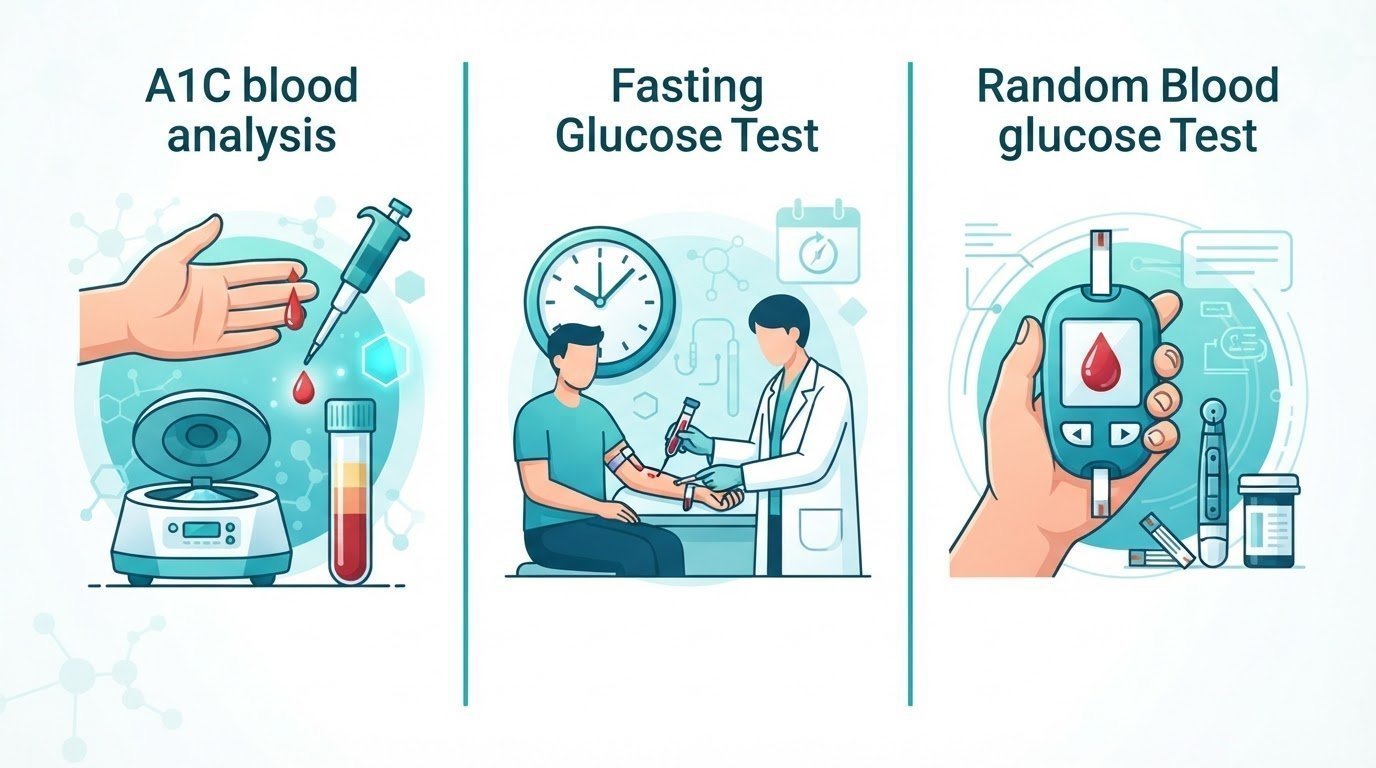
Clinicians may also review kidney function, electrolytes, urine or blood ketones, hydration and possible infection depending on severity. These tests help differentiate a routine abnormal result from a potentially urgent condition.
Read HbA1c Test: Levels, Results and Meaning and Random Blood Sugar Test: Results Explained to understand the laboratory methods.
These high blood sugar symptoms and causes should be understood with the timing of a glucose reading and any existing diabetes care plan.
10. What to do when readings stay high
If you have a prescribed diabetes management plan, follow it and check glucose as directed. Record the number, time, food, medicine use, recent illness and symptoms. Repeat measurements when your meter instructions or healthcare plan recommend it, particularly if the value seems inconsistent with how you feel.
Contact your healthcare team if readings remain above your agreed target, if you are unwell or if treatment does not seem to be working as expected. A professional may review medicine timing, insulin delivery, illness, nutrition and whether additional laboratory testing is appropriate.
Drinking appropriate fluids can help prevent dehydration when a person is alert and able to drink, but water alone does not treat a serious metabolic emergency. People with heart or kidney conditions may need individualized fluid advice.

Avoid increasing medication on your own, borrowing another person’s insulin or performing strenuous activity when ketones or serious illness are possible. If vomiting, confusion or abnormal breathing occurs, emergency care takes priority.
11. Reducing recurrent high-glucose episodes
For patients with established diabetes, prevention is often a combination of reliable access to prescribed medication, glucose monitoring as appropriate and a realistic plan for food, activity and illness. The goal is steady management, not chasing a perfect number every hour.
Meals containing carbohydrate normally affect glucose. Portion sizes, fiber-rich foods and balanced nutrition can influence the response, but broad food prohibitions may be unnecessary and difficult to sustain. A registered dietitian or diabetes educator can support individualized choices.
Regular physical activity, sufficient sleep and discussion of medication side effects can be useful as part of care. Not everyone should follow the same exercise or nutrition program, particularly during illness, pregnancy or when using drugs that may cause low glucose.
Reviewing trends with a healthcare team helps reveal whether a persistent rise is related to dawn physiology, treatment changes, steroid medicines, recurrent illness or another issue. Practical follow-up is more informative than blaming one isolated meal.
12. Frequently asked questions
Can blood sugar be high without symptoms? Yes. Hyperglycemia may develop gradually, so laboratory screening and agreed monitoring can matter even when a person feels well.
Does 180 mg/dL always mean diabetes? No. The significance depends on timing, test method and symptoms. This is also a common peak postmeal treatment target limit for many nonpregnant adults with diabetes, not a diagnostic cutoff.
Can stress or infection raise blood sugar? Yes. Physiological stress hormones and illness can increase glucose and change the need for medicines or insulin.
Can steroid medicines cause high glucose? Yes. Glucocorticoids can raise glucose and may require professional monitoring and medication review.
Should I exercise when glucose is high? Follow your clinician’s advice. If ketones may be present or you feel unwell, exercise can be unsafe.
Can DKA happen with lower glucose? Yes. Euglycemic DKA is possible, particularly with some SGLT2 medications.
When should I call emergency services? Seek immediate help for vomiting with serious illness, abnormal deep breathing, severe confusion, collapse or severe dehydration.
Do all countries use the same unit? No. U.S. readings are often in mg/dL, while UK, Canadian and Australian readings are usually in mmol/L.
Conclusion: Recognize High Glucose and Respond Appropriately
The most useful way to understand high blood sugar symptoms and causes is to combine symptoms, glucose timing and the broader medical picture. Frequent urination, thirst and fatigue may be clues, but the same condition can appear without obvious discomfort.
Follow a clinician-approved diabetes and sick-day plan if you have one. Seek assessment for recurrent high readings or new symptoms, and emergency care for repeated vomiting, deep breathing, confusion or collapse. Treatment decisions should never be based solely on a general web chart.
Scientific References