Oral Glucose Tolerance Test: Explained
Glucose Tolerance Test: Results and Ranges

BBH Physical Health · Diabetes & Blood Sugar · U.S.-priority clinical education for the US, UK, Canada and Australia
Thank you for reading this post, don't forget to subscribe!A doctor may order a glucose tolerance test even when an ordinary fasting result looks reassuring. The reason is simple: measuring glucose at rest does not always reveal how the body responds to a controlled glucose challenge. The results can help identify impaired glucose tolerance or diabetes under established laboratory conditions.
The oral glucose tolerance test, often abbreviated OGTT, is a standardized examination of blood glucose after drinking a measured glucose solution. It is used for detecting abnormal glucose regulation and, under a different protocol, for assessing gestational diabetes during pregnancy.
This evidence-based guide explains the U.S. ADA 2026 diagnostic ranges, how to prepare, the timed blood samples, what an abnormal result means and how testing differs in the UK, Canada and Australia. It also fills a key content gap: everyday postmeal readings, HbA1c results and pregnancy glucose challenges must not be mixed with the standard nonpregnant adult OGTT criteria.
1. What an OGTT measures
Glucose is a major fuel, and insulin helps the body manage glucose entering the circulation after a meal. The standardized test measures how the body responds to an exactly measured glucose challenge rather than an ordinary breakfast or dinner.
A person first has a laboratory blood glucose measurement after fasting. They then drink a solution containing 75 grams of glucose, and blood is collected at the prescribed time, normally two hours later for adult nonpregnancy diagnosis. Some testing protocols use additional measurements.
The two-hour result reflects both the body’s handling of the glucose load and the broader processes affecting insulin action. It does not measure insulin resistance directly or establish the type of diabetes by itself.
The test can identify impaired glucose tolerance even when the fasting result appears less concerning. That is an important reason clinicians sometimes request it when HbA1c or fasting glucose does not fully answer a diagnostic question.
2. How the two-hour test works
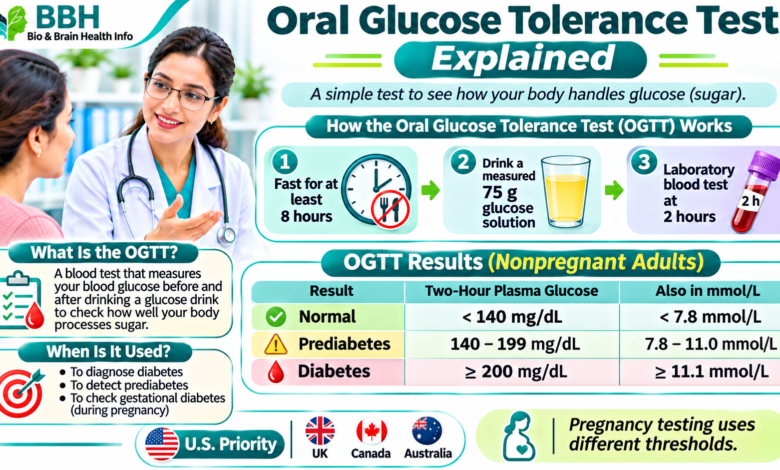
First, the patient attends after the required overnight fast, generally at least eight hours without calories. The laboratory collects a fasting plasma glucose sample before giving the glucose drink.
Next, the patient consumes a standardized drink containing 75 g of glucose within the time specified by the testing facility. This is a measured challenge, not a sweetened beverage chosen by the patient.
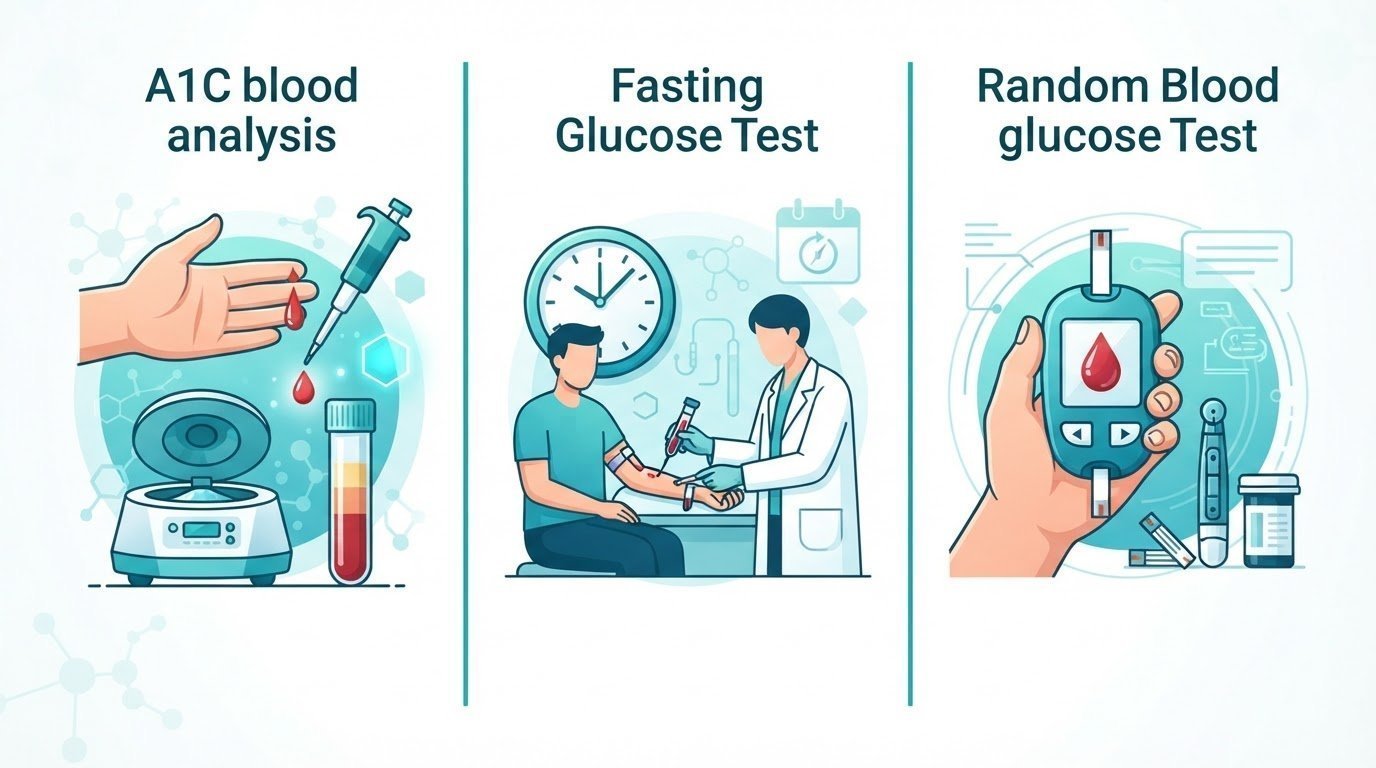
The patient generally remains at the facility until the two-hour sample is collected. They should follow directions about remaining seated, avoiding food and drink other than any permitted water, not smoking and avoiding exercise during the procedure.
Once the final sample has been obtained, normal meals and routine activities may usually resume unless the clinician gives separate instructions. People who feel faint, nauseated or unwell should tell the laboratory staff immediately.
3. Oral Glucose Tolerance Test Results Chart
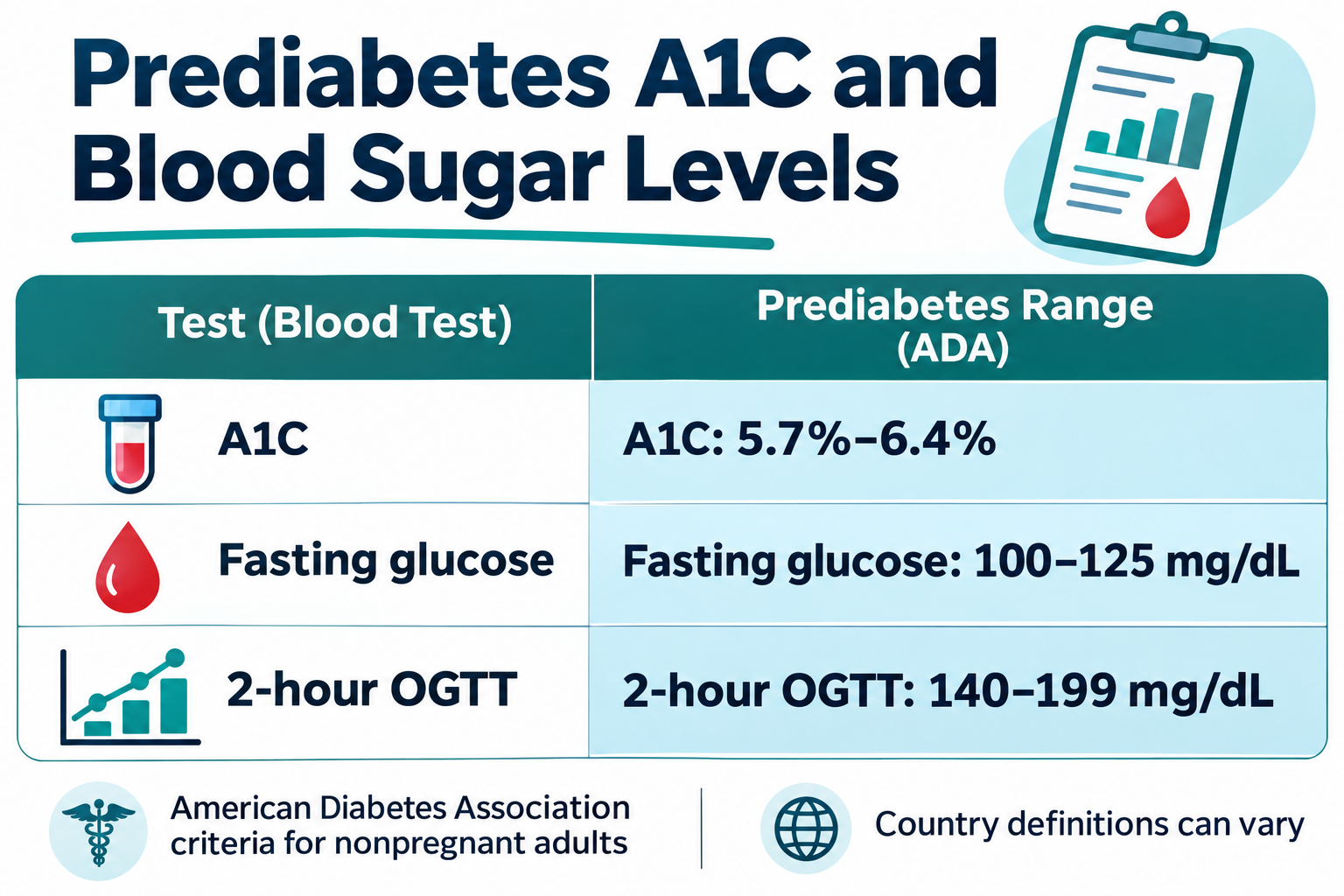
Under the ADA 2026 criteria for nonpregnant adults, two-hour plasma glucose below 140 mg/dL (below 7.8 mmol/L) is considered normal glucose tolerance. Values of 140–199 mg/dL (7.8–11.0 mmol/L) indicate impaired glucose tolerance, a form of prediabetes.
A two-hour value of 200 mg/dL (11.1 mmol/L) or above meets the diabetes diagnostic threshold. A diagnosis generally needs confirmation when there is no unequivocal hyperglycemia or hyperglycemic crisis.
| Two-hour 75-g OGTT | mg/dL | mmol/L | Interpretation |
|---|---|---|---|
| Normal | Below 140 | Below 7.8 | Normal glucose tolerance |
| Prediabetes / IGT | 140–199 | 7.8–11.0 | Impaired glucose tolerance |
| Diabetes threshold | 200 or higher | 11.1 or higher | Usually confirm if no unequivocal hyperglycemia |
These cutoffs do not describe a general postmeal target or the result of a home glucose check two hours after lunch. The standardized drink, preparation and laboratory method are necessary parts of the diagnostic definition.
If a result falls near a threshold, the clinician considers test variation, symptoms and other glucose measurements before deciding whether to repeat the test or use a different appropriate method.
An accurate oral glucose tolerance test interpretation depends on proper preparation, the timed laboratory result and the correct clinical setting.
4. Oral Glucose Tolerance Test Preparation
Preparation can influence accuracy. The ADA 2026 standards recommend ensuring adequate carbohydrate intake—at least 150 grams daily for three days—before using the OGTT for diagnosis. A person should follow a usual mixed eating pattern instead of abruptly switching to a very low-carbohydrate diet.
Avoid trying to manipulate the number by fasting for longer than directed, doing unusually intense exercise or making drastic diet changes. Those behaviors can make results misleading and may also be unsafe for people who use glucose-lowering medicines.
Tell the prescribing clinician about insulin, sulfonylureas, steroid medicines and other treatments before the appointment. Do not independently skip or alter medicine doses simply because the test requires fasting.
If the patient is acutely ill or unable to tolerate fasting, the clinician or testing service may need to reschedule or select an alternative. Confirm the appointment’s instructions and ask whether plain water is allowed.
5. What the visit feels like
The procedure ordinarily requires more time than a single fasting blood draw because the patient must remain for the timed sample. Many testing services advise allowing roughly two hours after drinking the glucose solution, plus check-in and preparation time.
Some people find the glucose drink very sweet or experience temporary nausea, light-headedness or discomfort. Blood collection may also cause minor bruising. Inform staff promptly if vomiting, faintness or substantial discomfort occurs, since this may affect whether the test can be completed.
People should bring any requested paperwork, medication list and relevant previous results. For those who may develop low glucose while fasting, having clear instructions from their medical team before arrival is especially important.
A person who feels unwell during the test should not conceal symptoms out of concern that they will have to repeat it. Safety and an interpretable laboratory result matter more than completing the appointment at any cost.
An accurate oral glucose tolerance test interpretation depends on proper preparation, the timed laboratory result and the correct clinical setting.
6. OGTT, HbA1c and fasting glucose compared
Fasting plasma glucose captures a level after a defined fast, while HbA1c reflects glucose exposure over approximately two to three months. The standardized OGTT evaluates the body’s response to a controlled glucose load.
These tests can give different classifications in the same person. In particular, glucose intolerance after a challenge may be detectable when the fasting value is not within the diabetes range. Clinicians select tests according to symptoms, medical history and reliability of the available measurements.
HbA1c requires no fast but can be misleading with conditions affecting red-cell survival, such as some anemias, transfusion or hemoglobin variants. A clinician may choose plasma glucose testing if HbA1c is unsuitable.
| Diagnostic test | Prediabetes | Diabetes threshold |
|---|---|---|
| 75-g OGTT, 2-hour | 140–199 mg/dL | ≥200 mg/dL |
| Fasting plasma glucose | 100–125 mg/dL | ≥126 mg/dL |
| HbA1c | 5.7–6.4% | ≥6.5% |
Under U.S. ADA 2026 guidelines, fasting plasma glucose at least 126 mg/dL and HbA1c at least 6.5% are alternative diabetes diagnostic thresholds, subject to the relevant confirmation rules.
7. Differences across the US, UK, Canada and Australia
The 75-g two-hour OGTT diabetes cutoff of 11.1 mmol/L, equivalent to about 200 mg/dL, is widely recognized across these countries in appropriate nonpregnant adult testing. The U.S. frequently reports mg/dL, whereas the UK, Canada and Australia normally use mmol/L.
Diabetes UK recognizes a two-hour plasma glucose of at least 11.1 mmol/L as a diabetes diagnostic criterion, and the 7.8–11.0 mmol/L interval as impaired glucose tolerance. Diabetes Canada uses the same two-hour impaired-glucose-tolerance range.
| Country | Two-hour prediabetes / IGT | Two-hour diabetes threshold |
|---|---|---|
| United States | 140–199 mg/dL | ≥200 mg/dL |
| United Kingdom | 7.8–11.0 mmol/L | ≥11.1 mmol/L |
| Canada | 7.8–11.0 mmol/L | ≥11.1 mmol/L |
| Australia | 7.8–11.0 mmol/L | ≥11.1 mmol/L |
Australian pathology guidance similarly recognizes the role of a 75-g oral glucose challenge and reports results in mmol/L. Some national guidelines use different fasting thresholds for intermediate hyperglycemia, so a fasting-category difference should not be confused with the two-hour OGTT cutoff.
Healthcare systems can also differ in which patients are offered the test, how it is scheduled and the approach to pregnancy. Always follow local laboratory instructions and the clinician’s interpretation rather than copying another country’s report format.
An accurate oral glucose tolerance test interpretation depends on proper preparation, the timed laboratory result and the correct clinical setting.
8. Pregnancy testing is a separate pathway
Pregnancy is a major exception. Gestational diabetes screening commonly occurs around 24–28 weeks of pregnancy, but timing varies according to risk and previous diagnoses. Do not apply nonpregnant adult two-hour thresholds to a pregnancy report.
In the United States, the ADA describes both a one-step 75-g OGTT with fasting, one-hour and two-hour measurements and a two-step strategy in which a 50-g screening challenge may be followed by a diagnostic 100-g three-hour OGTT.
Under the one-step approach, diagnostic thresholds are fasting 92 mg/dL (5.1 mmol/L), one hour 180 mg/dL (10.0 mmol/L) and two hours 153 mg/dL (8.5 mmol/L); one qualifying abnormal value establishes gestational diabetes under that particular protocol.
The two-step 100-g test uses different timed criteria and ordinarily requires two abnormal values. The UK, Canada and Australia have their own pregnancy protocols and thresholds; use the exact testing pathway ordered by the maternity team.
9. Why an ordinary meal check is not an OGTT
A glucose meter reading taken two hours after a normal lunch is not a laboratory OGTT. It follows a variable mix of foods, serving sizes, physical activity and meal timing instead of a standardized 75-g glucose drink.
For many nonpregnant adults already living with diabetes, an ADA management target is peak postmeal glucose below 180 mg/dL, commonly measured one to two hours after the meal begins. This is a treatment target, not a diagnostic cutoff.
The difference explains why a home postmeal reading of 185 mg/dL cannot by itself establish diabetes, even though it may exceed a particular person’s management goal. A clinician may recommend formal diagnostic testing if symptoms or risk factors warrant it.
Continuous glucose monitors can identify trends, but a sensor reading is not automatically equivalent to a venous plasma sample used for formal diagnosis. Device-specific lag or accuracy limitations must also be considered.
10. Interpreting an abnormal result
An abnormal OGTT result should be reviewed with a qualified clinician. The healthcare professional may confirm diabetes with an additional abnormal laboratory test or evaluate discrepancies with fasting glucose or HbA1c.
Impaired glucose tolerance means increased future risk of type 2 diabetes and may prompt an individualized prevention plan. It is not a guarantee that diabetes will develop, nor does it necessarily require an immediate prescription.

Risk reduction can include balanced nutrition, appropriate physical activity and follow-up based on the patient’s health conditions, preferences and risk profile. The goal is an achievable plan rather than a short-term effort to produce one lower number.
Symptoms such as unusual thirst, frequent urination and unintentional weight loss deserve clinical attention even if the OGTT has not yet been completed. Repeated vomiting, deep breathing, confusion or severe dehydration can indicate an emergency and must be assessed promptly.
11. Who may benefit and when to follow up
Clinicians may consider an OGTT when the reason for screening is clear but other tests do not fully describe glucose regulation. The test can also be used in pregnancy according to separate protocols and in selected clinical circumstances such as post-pregnancy follow-up.
Patients with previous gestational diabetes may be advised to undergo a 75-g OGTT in the postpartum period because HbA1c may be less suitable immediately after pregnancy. The timing and approach should follow the maternity and diabetes teams.
Results need to be discussed alongside family history, weight and metabolic factors where relevant, past laboratory values, medicines and personal health. The test result alone does not distinguish type 1 from type 2 diabetes.
Ask what the result means, whether repeat testing is required, when to schedule follow-up and whether other symptoms need investigation. Clear next steps are more useful than reading the result in isolation.
12. Frequently asked questions
Does a standard OGTT require fasting? Yes. The diagnostic 75-g test for nonpregnant adults ordinarily starts after at least eight hours without calories.
Is a two-hour OGTT of 140 mg/dL diabetes? No. Under U.S. ADA criteria, 140–199 mg/dL is impaired glucose tolerance or prediabetes; diabetes begins at 200 mg/dL.
Do I have to avoid carbohydrates for several days beforehand? No. The ADA advises adequate carbohydrate intake, at least 150 g daily for the three days before testing.
Can I drink water during the test? Follow the facility’s instructions. Plain water may be permitted, but food, sugary drinks and exercise are generally restricted during the timed procedure.
Will an OGTT diagnose type 1 diabetes? It can help diagnose diabetes in appropriate circumstances but does not determine diabetes type by itself.
Is a two-hour glucose meter reading after lunch equivalent? No. The OGTT is a standardized laboratory glucose challenge.
Can pregnancy change test thresholds? Yes. Gestational diabetes testing may use a 75-g one-step or 100-g two-step protocol with different cutoffs.
How does the OGTT compare with HbA1c? The OGTT evaluates a controlled glucose response; HbA1c reflects longer-term glucose exposure.
Conclusion: What a Glucose Tolerance Test Can Tell You
A correctly performed oral glucose tolerance test gives a standardized way to identify impaired glucose tolerance and diabetes. It is more structured than a regular postmeal meter check and may reveal glucose problems that are not obvious from a single fasting result.
Preparation matters: follow the laboratory’s instructions, maintain adequate carbohydrate intake before testing and use the correct diagnostic chart. Pregnancy test protocols and follow-up requirements differ, so results should always be interpreted by the ordering clinician.
Scientific References
- ADA 2026 Standards: Diagnosis and Classification of Diabetes
- American Diabetes Association: Diabetes Diagnosis
- NIDDK: Diabetes Tests and Diagnosis
- NIDDK: Testing for Gestational Diabetes
- Diabetes UK: Diagnostic Criteria
- Diabetes Canada: Screening and Diagnosis
- Royal College of Pathologists of Australasia: Glucose Tolerance Test