Blood Sugar After Eating: What to Know
Normal Blood Sugar After Eating: A Guide


BBH · Physical Health · Diabetes & Blood Sugar · Evidence-based educational guide
Thank you for reading this post, don't forget to subscribe!You finish lunch and check a glucose meter. The display shows 156 mg/dL. A family member says it sounds high, while a friend says that their doctor allows a higher number after meals. Both comments may create confusion because the reading needs context: how long ago did the meal start, do you have diagnosed diabetes, what treatment are you using, and what target did your care team recommend?
The phrase blood sugar after eating describes a postprandial glucose reading. Glucose normally increases as carbohydrates are digested and absorbed, and insulin helps the body handle that rise. A person with diabetes may need to monitor the response to understand how food, medicine and activity work together. But a reading taken after an ordinary meal is not the same as a laboratory test used to diagnose diabetes.
This research-based guide explains useful timing, common targets in mg/dL and mmol/L, differences between one-hour and two-hour measurements, factors affecting a glucose rise, and when to discuss unexpectedly high or low readings with a clinician. It also covers common content gaps: no universal post-meal number diagnoses diabetes, and the food a person eats is not the only cause of a glucose change.
1. Why Does Blood Sugar Rise After Eating?
After a meal, digestion breaks down starches and sugars into smaller molecules, including glucose. Glucose enters the bloodstream, and the pancreas responds by releasing insulin in people who produce it. Insulin helps glucose enter many tissues and limits the liver’s own glucose output. Together, these processes generally bring glucose back toward its earlier range.
Meals containing carbohydrate tend to cause a larger and more immediate glucose rise than meals containing only protein and fat. However, a mixed meal is more complicated: fat and protein can slow digestion, influence the timing of the peak or alter later glucose patterns. Responses also depend on the person’s own insulin production and insulin sensitivity.
In type 1 diabetes, inadequate insulin without treatment leads to rising glucose. In type 2 diabetes, resistance to insulin and a reduced ability to compensate may contribute. The size of a rise depends on several interacting factors, not merely whether the meal contained sugar.
Is a glucose rise after meals always abnormal?
No. Glucose changes after eating are a normal part of metabolism. The question is whether the pattern, magnitude and duration are appropriate in the person’s clinical context. The absolute number is more informative when its timing, measurement method, and individualized treatment goals are known.
A reading of 150 mg/dL after a mixed lunch cannot independently identify prediabetes or diabetes. For formal screening, clinicians select validated laboratory testing and interpret results using the matching criteria.
Read Also: tchy-skin-and-diabetes
2. Blood Sugar After Eating: Target Levels Chart
For many adults with established diabetes who are not pregnant, the ADA 2026 treatment target for peak postprandial capillary glucose is below 180 mg/dL. The suggested check is approximately one to two hours from when the meal begins, not necessarily from when the plate is finished.
| Measurement | Example level or target | How to interpret |
|---|---|---|
| Before a meal | 80–130 mg/dL (4.4–7.2 mmol/L) | Common treatment target for many nonpregnant adults with diabetes |
| 1–2 hours after meal begins | Below 180 mg/dL (below 10.0 mmol/L) | Common peak postmeal treatment target for many adults with diabetes |
| HbA1c | Below 7% for many adults | Longer-term treatment goal, not a specific postmeal reading |
These are common management targets, not instructions that everyone must follow. A person who has frequent hypoglycemia, is pregnant, is frail, uses certain treatments or has other important medical conditions may need a different plan. The goal should balance the risks of high glucose and low glucose.
A chart labeling 180 mg/dL as the upper limit of normal for everyone would be misleading. Clinical guidance uses that number as a treatment target for many people with diabetes; diagnosis relies on different tests.
3. When Should You Test Blood Sugar After Eating?
For checking a postmeal peak against the ADA target, the clock ordinarily starts with the first bite. A meal starting at 1:00 p.m. would generally have its one- to two-hour assessment window between about 2:00 and 3:00 p.m. If a meal lasts an hour, measuring two hours after finishing could miss the earlier peak.
Not everyone needs to test after every meal. Frequency depends on whether diabetes is diagnosed, the treatment used, risk of low glucose, pregnancy and the advice of the treating team. For example, someone using insulin may benefit from a different pattern than a person managing type 2 diabetes without medicines that cause hypoglycemia.
Should you check before and after the same meal?
Sometimes both readings are useful. The before-meal measurement provides context for interpreting a later reading. A postmeal value of 175 mg/dL may reflect a different pattern if the starting value was 85 mg/dL than if it was already 170 mg/dL. The difference is informative, but no single change proves that the meal or a medication caused it.
Track the time the meal started, the time of the glucose check and any symptoms. Follow the meter or CGM instructions, including washing and drying hands before finger-stick testing when relevant. Food residue on fingers can produce misleading readings.
4. One-Hour vs Two-Hour Blood Sugar Readings
A person’s glucose curve rises, reaches a peak, and then usually decreases. The timing of that peak varies with the meal, medicines, gastric emptying, glucose regulation and activity. Some people reach their highest reading before one hour, while others peak later.
This is why a one-hour postmeal reading and a two-hour reading do not necessarily answer identical questions. The ADA standard target window is one to two hours after the beginning of the meal for many adults with diabetes. A clinician may recommend a specific timing for a particular person’s monitoring plan.
For instance, glucose might be 171 mg/dL at one hour and 139 mg/dL at two hours. That pattern may suggest the value is already falling. A different person might have a smaller initial rise followed by a later peak. One measurement provides only a snapshot.
What if a reading is still rising two hours later?
Several factors might contribute, including a meal containing substantial fat, delayed gastric emptying, the timing of insulin or other medicines, or a starting glucose level that was already elevated. Repeated patterns deserve review; guessing the cause from one reading may lead to unhelpful or unsafe adjustments.
If blood sugar after eating repeatedly exceeds an individualized target, discuss the pattern and the full daily glucose history with the care team rather than treating a single value as an emergency.
5. How Carbohydrates, Fiber, Fat and Portions Affect Glucose
Carbohydrates are a major influence on the immediate glucose rise, but carbohydrate quality and the overall meal matter. Refined starches and sugar-sweetened drinks can be absorbed rapidly. Fiber-rich foods such as pulses, vegetables and some whole grains may slow digestion and offer broader nutritional benefits.
Portion size also matters: a larger amount of carbohydrate generally creates a larger glucose challenge, although individual responses vary. Pairing carbohydrate with protein, fat and fiber can change absorption, but this does not mean that adding large quantities of fat is an ideal method of controlling a meter reading.
Examples from different everyday meals
A meal of rice with dal, vegetables and yogurt may produce a different glucose pattern from a large serving of refined rice alone. Similarly, oats with nuts and unsweetened yogurt may affect glucose differently than a sweetened cereal drink. These are examples of meal composition, not promises that a specific food will produce a particular glucose result.
A balanced eating pattern also considers total nutrition, heart health, medication use, budget and cultural preferences. For someone using mealtime insulin, carbohydrate estimation and dosing should follow their own treatment education, not an online generalization.
Try not to classify foods as completely safe or dangerous based on one reading. Compare patterns across similar meals when monitoring is appropriate, and discuss major nutrition changes with a qualified professional.
6. Exercise, Stress, Sleep and Medicines Also Change Readings
Food is not the only driver of postprandial glucose. Physical activity can influence how the body uses glucose, while illness and stress hormones can raise levels. Sleep deprivation and a disrupted daily routine can also influence glucose regulation.
A gentle walk after eating may help some people reduce postmeal glucose exposure and improve general activity, but the appropriate activity depends on health, mobility, medications and whether a person is unwell. People taking insulin or medicines capable of causing low glucose should understand how activity affects their risk.
Steroids and other medicines can raise blood glucose; diabetes medicines, including insulin, can lower it. A medication may change the timing as well as the size of a meal-related response. Changes in treatment must be made under the care plan rather than in reaction to one reading.
Why comparing two different days can mislead
The meal may look similar, but sleep, exercise, illness, the starting glucose value or medication timing may differ. A useful diary records those circumstances instead of assuming that a small numerical change reflects a newly discovered food intolerance.
These additional factors are one reason that monitoring trends is often more meaningful than trying to produce a perfect number every day.
7. What Counts as High Blood Sugar After Eating?
The answer depends on the context. In a nonpregnant adult with established diabetes whose care team uses an ADA postmeal target below 180 mg/dL, repeated readings above that goal are worth discussing. They do not automatically mean that emergency care is required, nor do they establish a new diabetes diagnosis.
A value such as 190 mg/dL two hours after a meal may call for reviewing the treatment plan, meal details and the trend, especially if it happens repeatedly. A single reading can be affected by measurement variability or an unusual day. The clinician may use HbA1c or continuous glucose monitoring information to assess overall exposure.
Someone without diagnosed diabetes should not use a home after-lunch number to label themselves diabetic. A clinician may arrange fasting plasma glucose, HbA1c or a standardized oral glucose tolerance test according to risk factors and symptoms.
High readings accompanied by repeated vomiting, abdominal pain, deep breathing or confusion need urgent medical evaluation. Diabetic ketoacidosis can sometimes develop without extremely high glucose, particularly with certain medications.
8. Why an Ordinary Two-Hour Meal Reading Is Not an OGTT
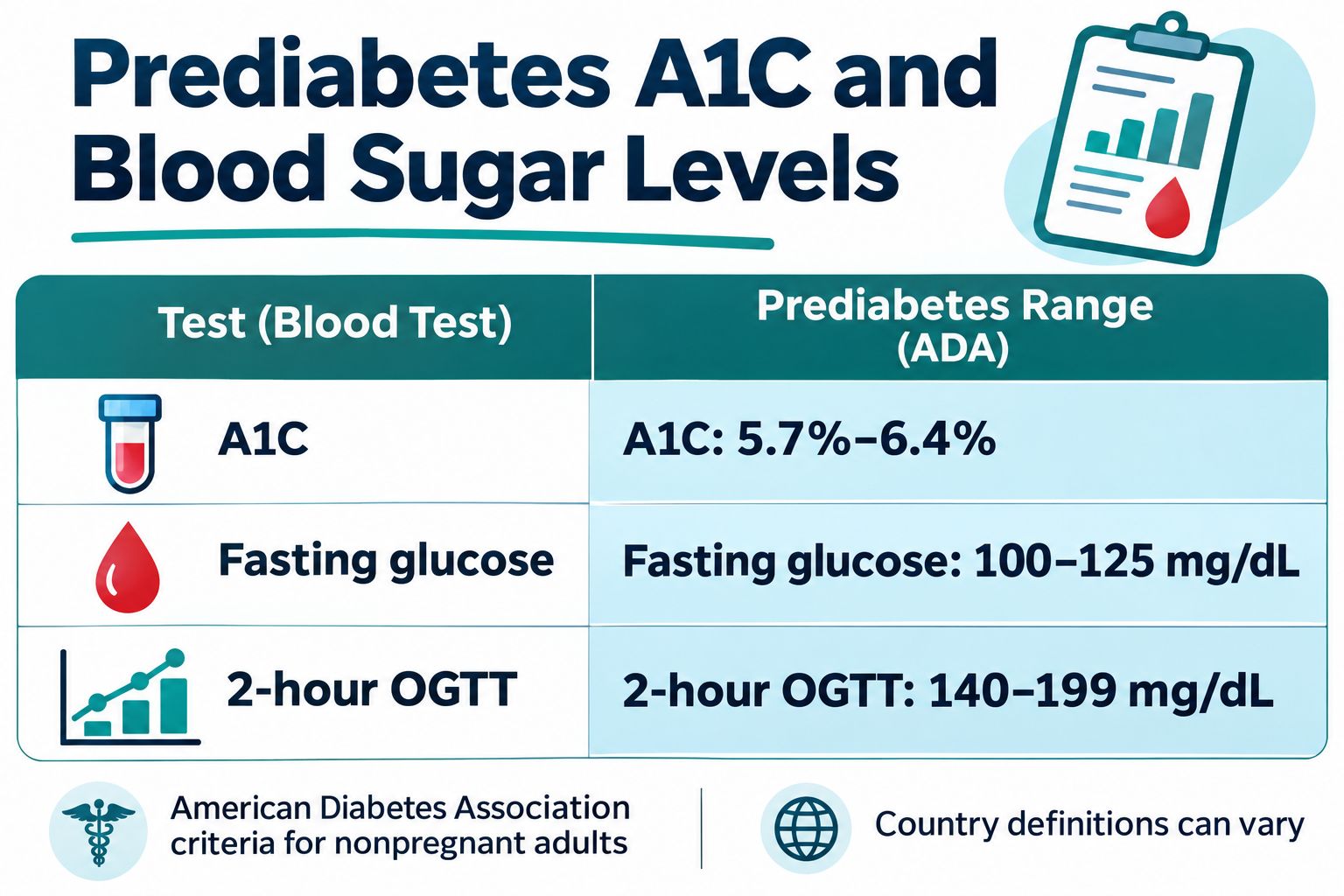
This is a critical gap in many internet charts. The two-hour value obtained during a diagnostic oral glucose tolerance test comes after a standardized 75-gram glucose load under defined laboratory conditions. It cannot be replaced by a home meter check two hours after breakfast or lunch.
Under ADA 2026 criteria for nonpregnant adults, a laboratory two-hour 75-g OGTT result below 140 mg/dL is normal, 140–199 mg/dL falls in the prediabetes range and 200 mg/dL or higher meets a diabetes threshold. These are diagnostic categories for that specific test.
| 75-g laboratory OGTT at two hours | mg/dL | mmol/L |
|---|---|---|
| Normal | Below 140 | Below 7.8 |
| Prediabetes | 140–199 | 7.8–11.0 |
| Diabetes threshold | 200 or higher | 11.1 or higher |
The difference in test purpose explains why an ordinary postmeal treatment target below 180 mg/dL can coexist with an OGTT diagnostic threshold of 200 mg/dL. They are not competing definitions of normal. One guides care for many people with diabetes; the other helps identify diabetes in controlled laboratory testing.
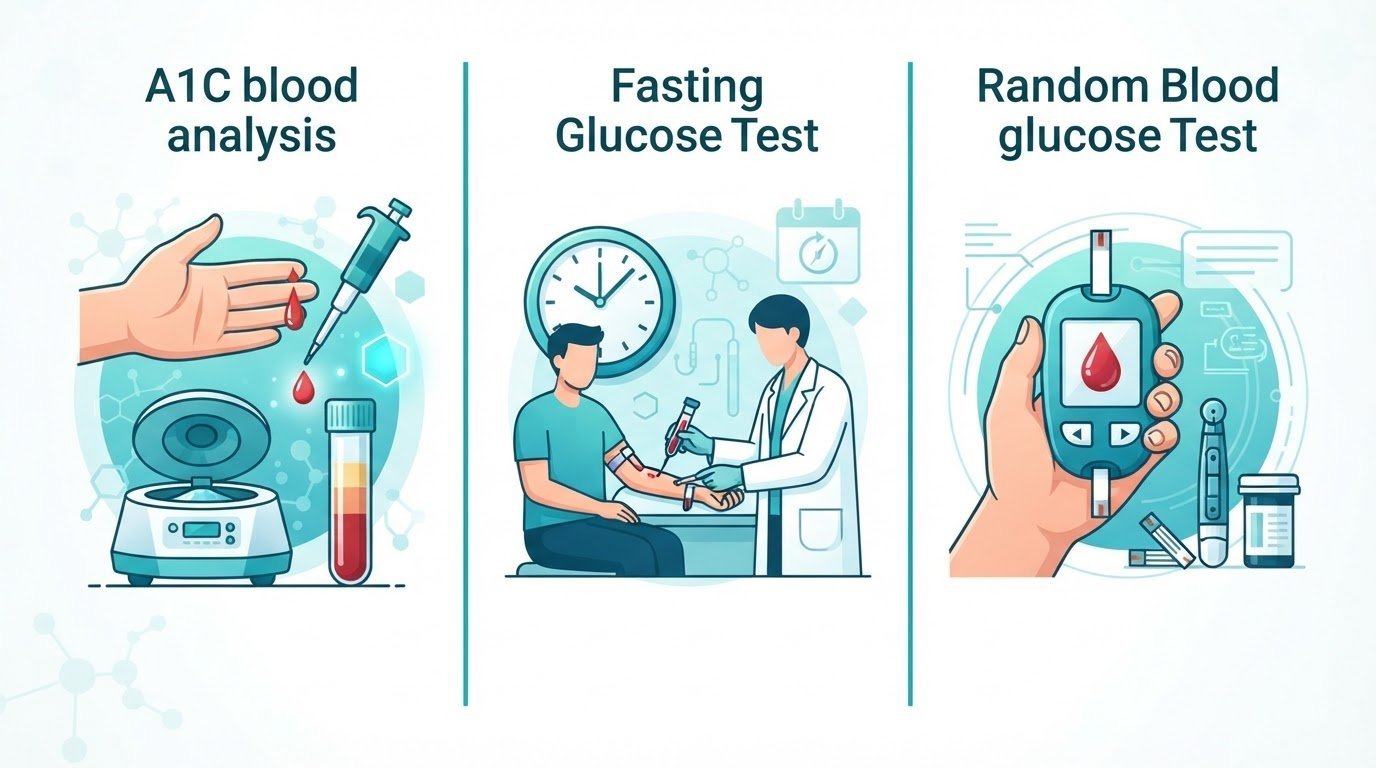
Read Diabetes Diagnosis: Which Tests Are Used? for a deeper explanation of formal diagnostic methods.
9. Finger-Stick Glucose Meters and Continuous Monitors
Finger-stick meters assess capillary blood glucose at a particular moment. Continuous glucose monitors, or CGMs, estimate glucose from interstitial fluid and show a trend over time. Both can be useful in diabetes management, but they differ in measurement method and their response during rapidly changing glucose.
A CGM can show whether glucose typically peaks early, late or for a prolonged period after certain meals. Its readings may lag blood glucose when levels change quickly, and sensors can sometimes report inaccurate values. Follow device instructions about when to check a finger-stick reading.
If a sensor reports a number that does not fit the way you feel, check the guidance supplied with the device and discuss recurrent discrepancies with your care team. Neither CGM nor a home meter is usually used alone to make an initial diabetes diagnosis.
Continuous monitoring can be especially useful for people with type 1 diabetes and insulin-treated type 2 diabetes, including those at risk of hypoglycemia. Whether it is appropriate depends on access, treatment, clinical needs and professional recommendations.
10. What If Blood Sugar Drops Too Low After a Meal?
Although people often focus on high glucose, low readings also need attention. Hypoglycemia can occur in people taking insulin or certain diabetes medications, including when meal timing, carbohydrate intake and medication action are not well matched. Symptoms can include shakiness, sweating, hunger, dizziness, confusion and unusual behavior.
A glucose value below 70 mg/dL (3.9 mmol/L) is a widely used alert threshold in diabetes care. Individuals prescribed glucose-lowering treatment should follow their personalized low-glucose instructions, which often include consuming fast-acting carbohydrate if awake and safe to swallow, then rechecking.
Severe confusion, unconsciousness, seizure or inability to swallow is an emergency. Do not attempt to give food or drink orally to someone who cannot swallow safely. Rescue glucagon may be appropriate if prescribed and available.
Some people experience symptoms after meals without a documented low glucose reading. These symptoms can have other causes and should be evaluated rather than automatically attributed to reactive hypoglycemia.
11. Postmeal Glucose in Pregnancy and Other Special Situations
Pregnancy is an important exception to ordinary diabetes target tables. Gestational diabetes and preexisting diabetes during pregnancy often use tighter and differently timed targets, such as one-hour or two-hour postmeal values under an individualized maternity-care plan. The general ADA target below 180 mg/dL is not the appropriate universal target in pregnancy.
Children and adolescents, older adults with complex conditions and people with significant hypoglycemia risk may also need personalized goals. There is no single after-meal level that tells every person whether their treatment is correct.
A clinician considers age, health status, treatment burden, hypoglycemia, pregnancy and other factors when choosing targets. Someone at risk of severe low glucose may appropriately have less intensive goals than someone who can meet tighter targets safely.
Avoid copying another person’s diabetes targets, medication schedule or insulin doses. Two people may monitor at the same time after a meal but need different clinical decisions.
12. How to Track Blood Sugar After Eating and Understand Patterns
A short record can make home monitoring more informative without turning every meal into an experiment. Use it when your diabetes clinician has recommended checking postmeal glucose or when they are reviewing recurring symptoms. The record should be simple enough to maintain consistently.
| What to record | Useful detail |
|---|---|
| Meal start and glucose check | Note the first bite and whether the reading was at 1 or 2 hours |
| Meal composition | Approximate carbohydrates, vegetables, protein and portion size |
| Premeal and postmeal readings | Include readings taken under the established monitoring plan |
| Medication and activity | Timing of prescribed medicines, walking or unusual activity |
| Symptoms and context | Illness, sleep problems, stress, shakiness or thirst |
Look for repeated patterns across comparable days rather than reacting strongly to an isolated change. If readings stay above the agreed range, contact your healthcare team. Do not increase insulin or other medicine on the basis of this article.
Frequently asked questions
Is 140 mg/dL two hours after a meal normal?
A home two-hour meal value cannot diagnose or rule out diabetes by itself. Its interpretation depends on health status, monitoring plan and clinical context. The laboratory OGTT cutoff of 140 mg/dL is for a different test.
Is 180 mg/dL dangerous after eating?
For many nonpregnant adults with diabetes, the ADA peak postmeal treatment target is below 180 mg/dL. A single reading at this number is not automatically an emergency; assess patterns, symptoms and the individual’s plan.
Should I count two hours from when I finish eating?
ADA postprandial targets are generally measured one to two hours after the beginning of a meal.
Why is my fasting glucose normal but my after-meal glucose high?
A fasting measurement and a postmeal reading reflect different situations. Glucose response, insulin function, food and activity can differ. Discuss persistent patterns and suitable laboratory tests with a clinician.
Can walking after a meal help blood sugar?
Appropriate light physical activity may help some people manage a postmeal rise, but safety depends on health and medication. Avoid exercising through severe illness or hypoglycemia.
Can stress raise glucose after meals?
Yes. Stress, illness, sleep loss and medication effects may influence readings independently of the meal.
Do people without diabetes need to check glucose after every meal?
Routine self-monitoring after every meal is generally not necessary for most people without diagnosed diabetes. A clinician may recommend validated screening if symptoms or risk factors warrant it.
Can a home after-meal reading diagnose diabetes?
No. Formal diagnosis uses specified laboratory criteria such as HbA1c, fasting plasma glucose and a standardized OGTT, with confirmation rules.
Conclusion: Interpret a Postmeal Reading With Context
Understanding blood sugar after eating requires more than knowing a single number. The time from the start of a meal, the person’s diabetes status, medicines, food, activity and individualized treatment goals all influence interpretation. A common ADA target below 180 mg/dL for many nonpregnant adults with diabetes must not be confused with laboratory diagnosis thresholds.
If monitoring is recommended, record consistent timing and look at patterns. Ask your healthcare team about results that repeatedly fall outside your agreed range, and seek urgent help for severe symptoms. A carefully interpreted glucose result is more useful than comparing isolated numbers without context.
Explore Related BBH Guides
For more detailed, evidence-based information, explore Rice and Diabetes: Portions and Glucose (carbohydrate portions after a rice meal); Time in Range: What Your CGM Shows (reading patterns in CGM reports).
Scientific References