Diabetes and Fatigue: Causes to Consider
Why Does Diabetes Make You Feel Tired?

BBH · Physical Health · Diabetes & Blood Sugar · Evidence-based educational guide
Thank you for reading this post, don't forget to subscribe!Fatigue is more than an occasional sleepy afternoon. A person may feel physically drained after ordinary activities, struggle to concentrate or wake without feeling restored. When this persists, diabetes may be one possible explanation—but not the only one.
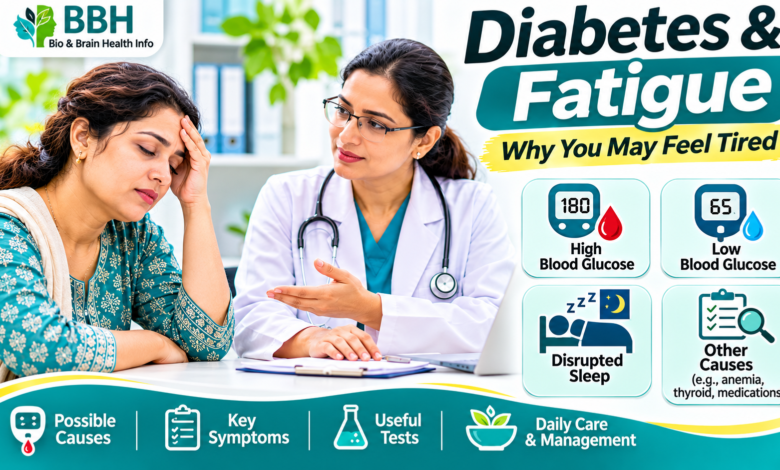
Diabetes and fatigue are linked in several ways. High blood glucose can contribute to fluid loss and disrupted sleep. Low blood glucose may cause weakness, sweating or confusion, particularly in people receiving insulin or certain diabetes medicines. Sleep apnea, anemia, mood disorders, medicines and other illnesses can also contribute, whether or not a person has diabetes.
This guide separates those possibilities, explains what symptoms should prompt testing, and shows how to prepare a useful medical discussion. It does not assume that every tired person has high blood sugar or that better glucose management will resolve every cause of exhaustion.
1. What Does Diabetes-Related Fatigue Feel Like?
Fatigue is a broad description rather than one measurable sensation. Some people experience heavy limbs or poor exercise tolerance. Others describe difficulty thinking clearly, low motivation or a need to rest after activities that were previously manageable. Being sleepy and being fatigued can overlap, but they are not identical.
A useful distinction is between ordinary tiredness that improves after adequate rest and persistent fatigue that interferes with daily life. The second pattern deserves evaluation, especially when it is new or becoming worse. Neither pattern proves diabetes.
Can diabetes cause fatigue before other symptoms?
It can sometimes be one of the first symptoms a person notices. However, thirst, increased urination, blurred vision and unexplained weight loss provide additional context. Many people with type 2 diabetes have no obvious symptoms, and fatigue by itself is common in the general population.
One person may attribute exhaustion to work pressure; another might think poor sleep is solely responsible. Both explanations may be correct, but continuing changes should be evaluated rather than assigned a cause by assumption. For more on subtle presentations, visit Can You Have Diabetes Without Symptoms?.
2. Why Can High Blood Sugar Cause Fatigue?
The connection between diabetes and fatigue may involve more than a simple lack of energy entering cells. In diabetes, insulin production or action is impaired, and blood glucose may remain elevated. At sufficiently high levels, glucose can pass into urine and carry water with it.
This process—osmotic diuresis—can contribute to dehydration and thirst. People may wake repeatedly to urinate, interrupting sleep and increasing daytime tiredness. When glucose is markedly elevated, illness and other metabolic changes may worsen weakness.
Why the same glucose reading does not cause identical symptoms
Symptoms vary with the duration of hyperglycemia, hydration status, medical conditions, medicines and sleep. Some people notice pronounced tiredness, while others have few recognizable symptoms despite abnormal laboratory results. A person’s fatigue level cannot estimate their blood glucose concentration.
High blood glucose may explain fatigue in certain circumstances, but fatigue can persist even after glucose improves because another contributor remains. That is why a clinician should consider both glucose management and alternative causes.
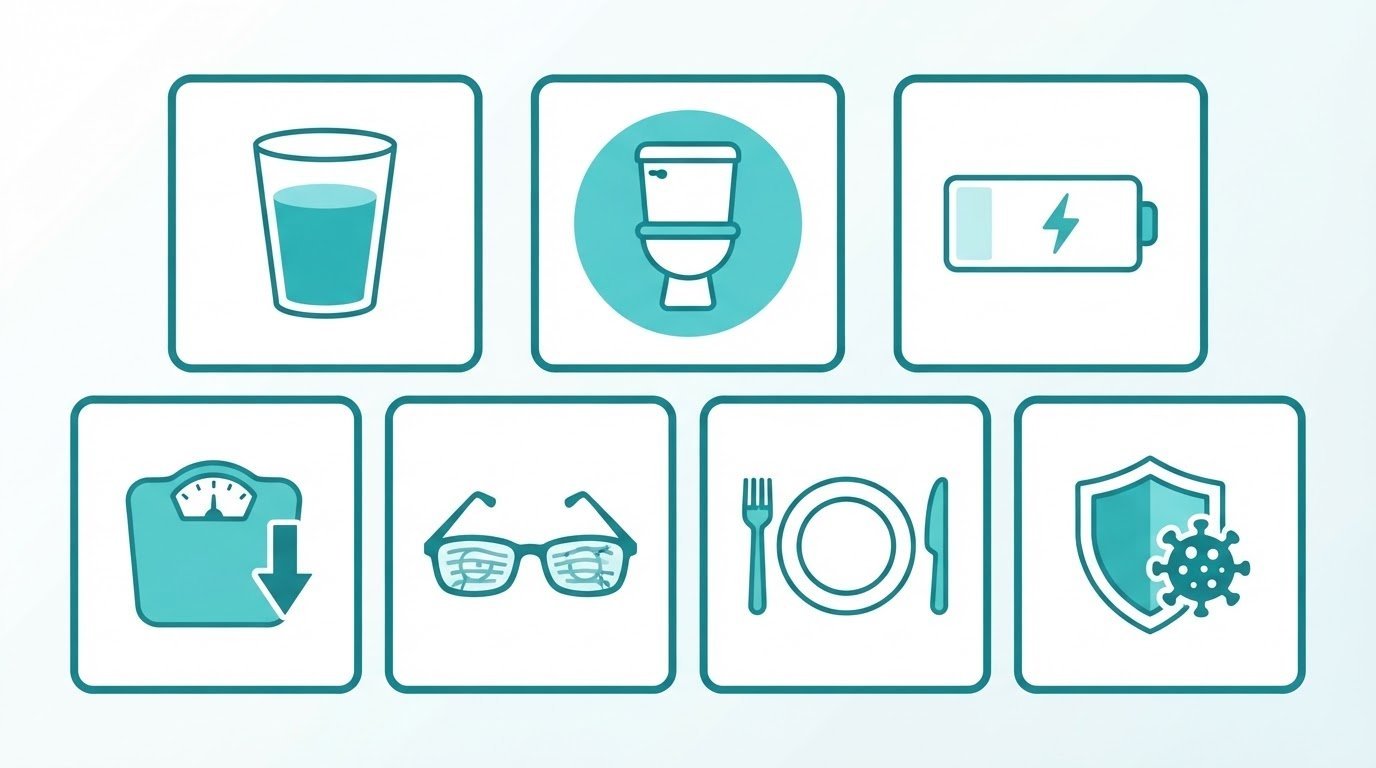
3. Can Low Blood Sugar Make You Feel Weak or Exhausted?
Yes. Low blood glucose, or hypoglycemia, is particularly relevant to people taking insulin or medicines such as sulfonylureas. It can produce sudden weakness, sweating, shaking, hunger, headache, a fast heartbeat, difficulty concentrating or unusual behavior. After an episode, someone may continue to feel drained.
A commonly used alert threshold for low glucose in people with diabetes is below 70 mg/dL, or 3.9 mmol/L. But symptoms alone cannot confirm a low reading. People may also have hypoglycemia without noticing the usual warning signs.
What to do if glucose is low
If a person with diabetes has a low reading and is awake and able to swallow safely, they should follow their prescribed hypoglycemia plan. Common guidance uses 15 grams of fast-acting carbohydrate, a recheck after 15 minutes and repeated treatment if still low. Individual plans may vary, particularly with glucose-sensor readings or specific treatments.
Someone who is unconscious, seizing, unable to swallow or severely confused needs emergency assistance. Do not give food or drink by mouth to someone who cannot swallow safely. People prescribed glucagon should have others trained in its use.
4. Why Sleep Problems Often Overlap With Diabetes Fatigue
The association between diabetes and fatigue is frequently amplified by poor sleep. A person who wakes several times to urinate may spend enough hours in bed without obtaining restorative sleep. Some people develop sleep disruption from discomfort, medication timing, nighttime glucose changes or a separate sleep disorder.
Obstructive sleep apnea deserves special attention in people with type 2 diabetes. Loud snoring, witnessed pauses in breathing, morning headaches and daytime sleepiness may justify evaluation. The condition can exist without every classic symptom and should not be diagnosed from snoring alone.
Could nighttime hypoglycemia affect how you feel in the morning?
It can. Overnight low glucose sometimes disrupts sleep, and some people wake with tiredness or headache. Those symptoms are not specific, so a clinician may review meter or continuous glucose monitor data rather than inferring a nighttime low from morning fatigue.
Other reasons for broken sleep include insomnia, pain, restless legs, caregiving responsibilities, breathing problems or shift work. Improving glucose readings does not automatically correct these problems.
5. Other Medical Causes of Fatigue in People With Diabetes
A major content gap in simplified discussions is the assumption that fatigue equals high blood sugar. Even when a person has diabetes, tiredness may come from an unrelated condition or more than one contributor.
- Anemia or iron deficiency: reduced oxygen-carrying capacity or iron deficiency can cause weakness, breathlessness or poor exercise tolerance.
- Thyroid disorders: underactive thyroid can cause fatigue, sensitivity to cold, constipation and other changes.
- Vitamin B12 deficiency: risk may be relevant in some long-term metformin users and may include anemia or neurological symptoms.
- Kidney disease: diabetes-related kidney problems can coexist with anemia, fluid issues and fatigue.
- Depression, anxiety and chronic stress: mental health concerns can influence sleep, energy and concentration.
- Sleep disorders: insomnia and obstructive sleep apnea may cause ongoing tiredness even with stable glucose.
- Infection or other illness: new fatigue with fever, pain or other changes may indicate an acute condition.
Medication side effects and interactions also matter. Some medicines can cause dizziness, drowsiness or dehydration, and an overly intensive treatment plan can increase the risk of low glucose. The correct response is a medication review—not stopping treatment independently.
B12, iron and other supplements: should everyone take them?
No. A fatigue symptom does not demonstrate that a vitamin deficiency is present. Blood tests, medical history and examination may identify whether a deficiency needs treatment. Unnecessary or excessive supplements can create problems, and iron treatment should be based on appropriate evaluation.
6. Diabetes Fatigue or General Tiredness: How Can You Tell?
There is no symptom checklist that reliably distinguishes them. The timing and accompanying findings can help guide evaluation. For instance, fatigue together with strong thirst and large urine volumes raises concern for hyperglycemia. Sudden weakness with sweating, shaking or a low meter reading may suggest hypoglycemia in someone using a glucose-lowering medicine.
By contrast, persistent tiredness with snoring may lead to sleep evaluation, while fatigue with heavy menstrual bleeding or pale skin might make anemia relevant. These are prompts for appropriate assessment, not diagnostic shortcuts.
7. How Are Diabetes and Fatigue Investigated?
A clinician commonly begins by asking when fatigue started, how it affects daily activities, whether sleep is refreshing, and what medicines and other symptoms are present. If diabetes is not yet diagnosed, laboratory blood glucose testing can help determine whether it is a contributor.
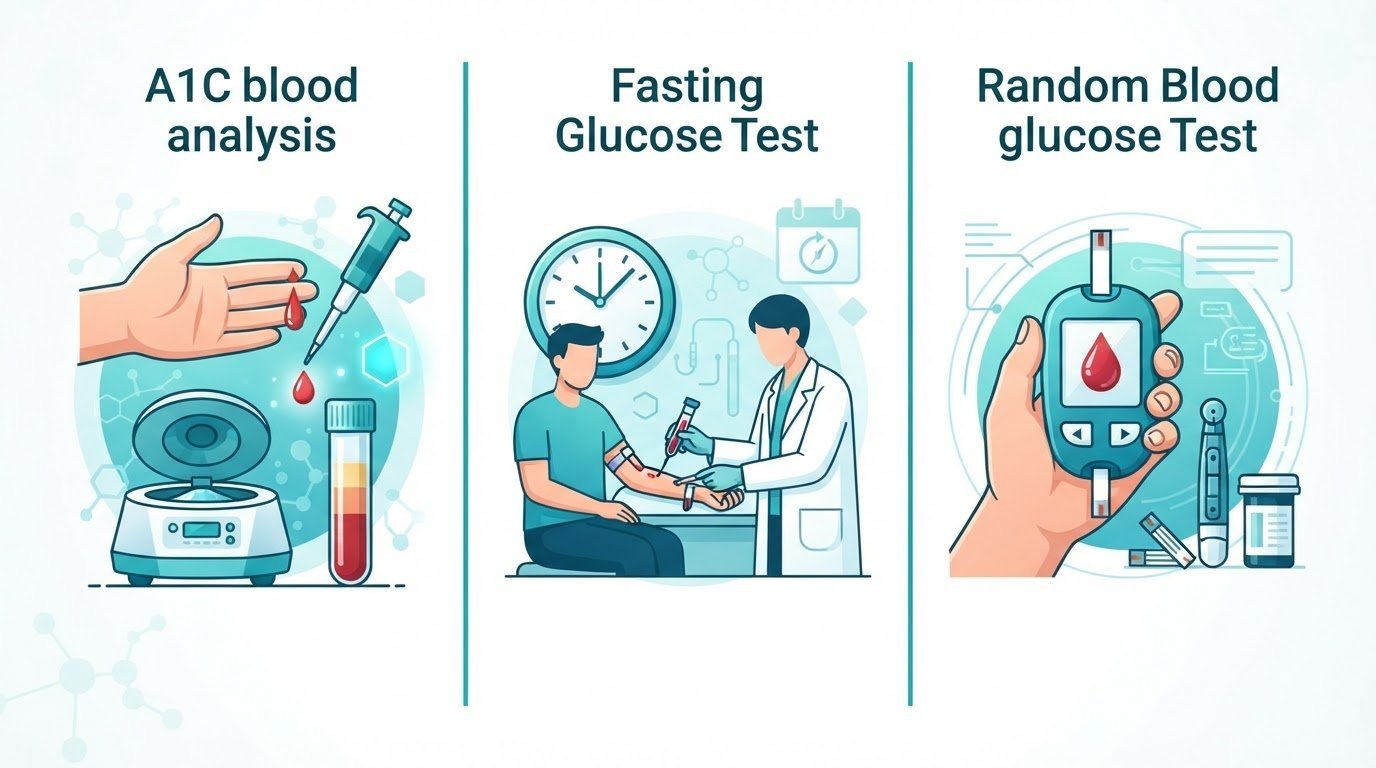
HbA1c, fasting plasma glucose and the 75-gram oral glucose tolerance test are established ways of diagnosing diabetes in nonpregnant adults. The familiar ADA thresholds are outlined below, with confirmation generally required when there is no unequivocal hyperglycemia.
| Test | Prediabetes | Diabetes |
|---|---|---|
| HbA1c | 5.7–6.4% | 6.5% or higher |
| Fasting plasma glucose | 100–125 mg/dL | 126 mg/dL or higher |
| 2-hour 75-g OGTT | 140–199 mg/dL | 200 mg/dL or higher |
With classic hyperglycemia symptoms or a hyperglycemic crisis, random laboratory plasma glucose of at least 200 mg/dL can establish diabetes. Otherwise, confirmation with qualifying abnormal tests is generally needed. Pregnancy and certain blood conditions require different interpretation. See Diabetes Diagnosis: Which Tests Are Used? for details.
If diabetes is already diagnosed, the clinician may review recent glucose data, episodes of hypoglycemia, medication timing and individualized targets. Depending on symptoms and examination, they might order a complete blood count, iron studies, thyroid function, kidney tests or vitamin B12, or consider an assessment for sleep apnea. There is no universal fatigue panel suitable for everyone.
8. What if Blood Glucose Is Normal but Fatigue Continues?
Stable or normal glucose readings do not rule out anemia, sleep apnea, thyroid dysfunction, depression or other causes. In fact, repeatedly increasing glucose treatment because of tiredness alone could be dangerous if it produces hypoglycemia.
A normal home glucose reading also does not rule out previously undiagnosed diabetes. Home meters are designed primarily for monitoring rather than formal diagnosis. If concerns persist, a clinician can select the appropriate laboratory test and consider broader investigations.
Ongoing fatigue may be multifactorial. Someone may have adequate glucose control but insufficient sleep, a new medicine and a nutritional deficiency at the same time. Treating only one part of the problem might offer partial improvement, making follow-up valuable.
9. How to Record Fatigue and Possible Blood Sugar Patterns
A brief diary can help clarify patterns without turning every sensation into a glucose emergency. Record the time, severity, activities, last meal, medication schedule, sleep quality and relevant symptoms. People who already monitor blood glucose can add readings according to their agreed care plan.
| What to record | Useful detail |
|---|---|
| When fatigue appears | Morning, after meals, evening, sudden or all day |
| Other sensations | Thirst, sweating, shakiness, weakness, dizziness or blurred vision |
| Sleep | Hours, frequent waking, snoring or daytime sleepiness |
| Food and medicine | Meal times, diabetes treatment and recent medication changes |
| Glucose information | Available readings taken under your normal monitoring plan |
A diary is most useful when it assists a clinical conversation. It should not become a reason to ignore severe symptoms or check glucose excessively outside the plan prescribed by the care team.
10. Practical Steps That May Improve Energy Safely
Managing diabetes and fatigue effectively means addressing the cause rather than relying on a stimulant or supplement to mask exhaustion. For someone with diagnosed diabetes, this includes working with the care team on individualized glucose management and reviewing low-glucose episodes.
- Protect sleep: discuss frequent night waking, snoring or sleep apnea symptoms rather than assuming tiredness is inevitable.
- Maintain appropriate hydration: follow individual fluid advice, especially with kidney or heart conditions.
- Eat regularly as medically appropriate: align meals and medications with the care plan, especially where hypoglycemia is a risk.
- Use gentle activity when safe: movement may support wellbeing, but do not push through severe weakness or acute illness.
- Review medicines and deficiencies: seek professional evaluation before changing prescriptions or taking iron, B12 or other supplements.
- Plan follow-up: reassess if symptoms persist, worsen or change in character.
Improvement is not always immediate. Sleep problems and anemia may require their own treatment, while a glucose-management plan may take time to adjust. Reassessing what is and is not improving helps avoid attributing every symptom to diabetes.

11. When Is Fatigue an Emergency?
Fatigue by itself does not usually require emergency care. However, sudden confusion, fainting, seizures, inability to stay awake or inability to swallow may indicate severe hypoglycemia or another emergency. Urgent medical help is needed.
Marked weakness together with repeated vomiting, abdominal pain, unusually deep or rapid breathing, fruity-smelling breath or severe dehydration may signal diabetic ketoacidosis. Another serious complication, hyperosmolar hyperglycemic state, can cause profound dehydration and altered mental status, especially in type 2 diabetes.
Chest pain, severe shortness of breath, new one-sided weakness or speech difficulty also require emergency assessment, irrespective of whether diabetes is present. Do not wait for a routine test appointment or try to treat serious symptoms using online advice.
12. Common Questions About Diabetes and Fatigue
Can fatigue be the first sign of diabetes?
Yes, although fatigue is common in many conditions and cannot identify diabetes by itself. New thirst, urination or weight changes provide additional reasons to seek testing.
Why am I tired even when my blood sugar seems controlled?
Other causes may remain, including sleep apnea, poor sleep, anemia, thyroid problems, kidney disease, medication effects and mental health concerns.
Can low blood sugar cause extreme tiredness?
Yes. Low glucose can cause weakness and confusion, especially in people using insulin or certain medicines. Follow the prescribed hypoglycemia plan.
Is fatigue worse after eating because of diabetes?
Not necessarily. Meal composition, sleep, medications and glucose changes can all influence how someone feels. Symptoms alone cannot establish the cause.
Does HbA1c diagnose the cause of tiredness?
No. HbA1c helps evaluate average glucose exposure, but it does not investigate every medical cause of fatigue.
Can iron or vitamin B12 deficiency cause tiredness in people with diabetes?
Yes. Deficiencies and anemia can coexist with diabetes. Testing and treatment should be individualized rather than based on assumptions.
Does walking help diabetes fatigue?
Appropriate physical activity can support general wellbeing and diabetes management, but it is not a treatment for every cause of fatigue. Acute illness or severe weakness needs assessment.
When should I contact a doctor about fatigue?
Arrange assessment for persistent, worsening or unexplained tiredness, especially when it interferes with daily function or accompanies other symptoms. Sudden severe symptoms may require urgent care.
Conclusion: Fatigue Deserves More Than One Explanation
The relationship between diabetes and fatigue is real, but it is not a single pathway or a diagnosis in itself. Elevated glucose, hypoglycemia, dehydration, interrupted sleep and other conditions may all contribute. A careful review of symptoms and appropriate tests helps avoid both missed diabetes and unnecessary treatment.
If tiredness persists, describe the pattern, discuss diabetes screening when appropriate and consider sleep, medications and other medical issues. Seek emergency help when confusion, severe weakness or other serious warning signs appear. Improving energy begins with finding the right cause.
Scientific References