Unexplained Weight Loss and Diabetes: Signs
Why Diabetes Causes Unexplained Weight Loss


BBH Physical Health · Diabetes & Blood Sugar · Educational guide
Thank you for reading this post, don't forget to subscribe!A weight change is not always expected. You may notice that your clothes fit more loosely, a familiar belt notch no longer works, or the scale shows a smaller number even though your daily routine feels unchanged. Although some people welcome a lower weight, an unexpected decline deserves attention rather than celebration without explanation.
Unexplained weight loss and diabetes can be connected when the body has insufficient effective insulin. Under these circumstances, body tissues may not use glucose normally, stored fat and muscle may be broken down, and glucose with additional water can escape through urine. The resulting change may include both loss of body tissue and dehydration.
Weight loss alone does not prove diabetes. Thyroid problems, digestive conditions, infections, medicines and other illnesses may produce similar changes. This article explains the mechanisms, the warning signs, how type 1 and type 2 differ, the tests doctors use, and the situations in which prompt care matters most.
1. What Does Unexplained Weight Loss Mean?
Unintentional weight loss means a person’s body weight declines without trying to reduce it through changes in food intake, exercise, or other deliberate actions. It is different from a planned weight-management program. It can also be different from weight changes expected with a prescribed medicine, although even medication-associated loss may deserve review if it is unexpectedly rapid or severe.
Clinicians often regard losing about five percent of usual weight over six to twelve months without trying as a reason for assessment. This is not a safety cutoff. A faster or smaller decline associated with thirst, vomiting, weakness or other symptoms may require attention much sooner. In children, older adults, and medically frail people, the context is particularly important.
Not every scale change reflects loss of fat. Body weight moves with hydration, meals, bowel contents and the timing of weighing. A person who is losing water through unusually large urine volumes may see a rapid decline, while sustained loss of muscle or fat develops through different processes. A clinician can consider both when evaluating unexplained changes.
Try to compare measurements taken under similar conditions rather than weighing repeatedly throughout the day. Dates, approximate amounts lost and symptoms that began around the same time provide more useful information than one isolated reading.
2. Why Does Diabetes Cause Unexplained Weight Loss?
Understanding unexplained weight loss and diabetes begins with insulin. Insulin helps the body use and store glucose after food is digested. When too little effective insulin is available, the usual balance between using energy and storing it changes. This is particularly important in untreated type 1 diabetes, though marked insulin deficiency can also develop in type 2.
One pathway involves tissue breakdown. The body may release energy from stored fat while muscle proteins are also broken down. This can reduce body mass even when someone is still eating. Another pathway involves glucose passing into urine when blood glucose rises beyond the kidneys’ capacity to reclaim it.
Glucose in urine represents calories leaving the body. It also draws water with it, increasing urine output. The associated dehydration may cause a faster apparent reduction in weight, sometimes alongside strong thirst. These processes explain how a person might lose weight without intentionally eating less.
There is an important qualification: not everyone with insulin resistance is losing muscle or fat because of diabetes. Many individuals with early type 2 diabetes do not experience unintentional weight loss. Symptom intensity and the amount lost cannot reliably reveal a person’s glucose measurement or identify diabetes type.
3. Can Type 1 and Type 2 Diabetes Both Cause Weight Loss?
Type 1 diabetes develops when an immune process damages pancreatic cells that produce insulin. Once insulin production becomes insufficient, glucose can rise quickly and body tissues may be broken down for energy. Intense thirst, frequent urination, hunger, fatigue and weight loss can appear over a relatively short period.
Type 1 diabetes can begin in adults as well as children. Age, weight or appearance should not be used to exclude it. If rapid weight loss accompanies a dramatic change in thirst or urination, prompt assessment is warranted, and clinicians may also need to investigate ketones.
Type 2 diabetes generally involves insulin resistance and a gradual decline in the body’s ability to make sufficient insulin. Many people have no noticeable symptoms for some time. Weight loss becomes more likely when glucose is substantially elevated or insulin production is no longer adequate.
A person with established type 2 diabetes might also lose weight deliberately or because of medicines used for glucose or weight management. GLP-1 receptor agonists, related treatments and SGLT2 inhibitors can contribute to weight reduction by different mechanisms. These effects must be distinguished from weight loss caused by severe uncontrolled hyperglycemia.
For perspective, read Can You Have Diabetes Without Symptoms? to understand why the absence of symptoms does not rule out diabetes.
4. Warning Signs That May Accompany Unexpected Weight Loss
The connection between unexplained weight loss and diabetes deserves particular attention when a person is also drinking much more than usual or passing greater volumes of urine. These signs may reflect high blood glucose with fluid loss. They are useful clues, not substitutes for diagnosis.
Other reported symptoms include fatigue, increased hunger, blurred vision, recurrent infections and slower healing of wounds. The combination varies, and a person does not need to experience every sign. Some people experience only one or two changes; others feel relatively well.
Thirst and urination are especially relevant because high glucose may cause osmotic diuresis. This is the process in which glucose passing into urine carries extra water. Our separate guides, Excessive Thirst and Diabetes and Frequent Urination and Diabetes, explore these symptoms in more detail.

Unexplained weight loss combined with severe weakness, vomiting, abdominal pain or deep breathing is more concerning than weight loss alone. These symptoms can indicate an acute metabolic problem, and emergency warning signs are discussed below.
5. Can Someone Lose Weight Even While Eating More?
Yes. Severe insulin deficiency can interfere with normal nutrient use while increasing breakdown of stored tissues and loss of glucose through urine. A person may report unusual hunger even as their weight decreases. This combination can be confusing because many people naturally associate a strong appetite with weight gain.
The situation does not justify trying to fix unexplained loss by eating large amounts of additional food before investigating the cause. If the problem is significant insulin deficiency, restoring safe metabolism requires medical treatment. Extra food alone does not correct that mechanism.
Not everyone experiences increased hunger. Appetite may be normal or reduced, especially when nausea, infection, medication effects or another illness is present. Thyroid problems and other causes can also change both weight and appetite.
A useful clinical discussion therefore includes whether appetite has increased, decreased or remained the same, rather than assuming that the weight loss followed a change in eating. A dietary history can guide the next questions without replacing blood tests or examination.
6. What Else Can Cause Unexplained Weight Loss?
Unexplained weight loss and diabetes are linked, but diabetes is only one possible explanation. Hyperthyroidism can increase metabolic rate and cause weight changes, sometimes with heat intolerance, tremor or palpitations. Digestive conditions may affect nutrient absorption or cause persistent diarrhea and reduced intake.
Infections, inflammatory conditions and other chronic illnesses can change appetite or energy expenditure. Some medicines alter appetite or digestion. Depression, significant stress, food insecurity or eating difficulties can also affect body weight, but these should not be assumed to explain physical symptoms without assessment.
Persistent unintended weight loss can occasionally be associated with serious conditions, including malignancy. A clinician decides which possibilities require investigation based on age, rate of change, other symptoms, examination and relevant history.
Someone already diagnosed with diabetes should not automatically attribute new weight loss to blood glucose. Loss that continues after improvement in glucose, or appears with new bowel symptoms, fever or other unusual changes, deserves a broader review.
There is no single blood test that identifies every cause of weight loss. A clinician may consider glucose, blood count, kidney or thyroid tests, and further studies as appropriate. The goal is to follow the evidence rather than order every possible investigation without a reason.
7. How Much Weight Loss Should Prompt Medical Review?
The amount and timing matter together. A general five-percent decline over six to twelve months without trying is often considered clinically meaningful. For illustration, five percent of a starting weight of 70 kilograms is 3.5 kilograms. Yet this figure does not tell you whether the cause is diabetes, and it is not a reason to ignore a smaller but rapid change.
Rapid weight loss with new thirst, increased urine production or worsening weakness needs prompt evaluation. Frail older adults and children may require attention for smaller changes. Dehydration can exaggerate short-term losses, so medical review considers the difference between reduced body fluid and longer-term loss of tissue.
A short record can help: note the date, approximate weight, whether the same scale was used, and any changes in appetite, medications, sleep, fever or digestive symptoms. If possible, weigh under similar circumstances rather than checking repeatedly after every drink or meal.
Avoid starting an aggressive calorie-loading plan, stopping diabetes medicines or taking unfamiliar supplements just to make the number rise. The useful first step is to understand why it is falling.
8. Which Tests Check for Diabetes When Weight Loss Is Unexplained?
When unexplained weight loss and diabetes are being considered, laboratory glucose measurements are central. A clinician may also assess hydration and order blood or urine ketones if the symptom pattern raises concern about significant insulin deficiency.
For nonpregnant adults, the commonly used American Diabetes Association diabetes thresholds are HbA1c of at least 6.5 percent, fasting plasma glucose of at least 126 mg/dL, or a two-hour value of at least 200 mg/dL during a 75-gram oral glucose tolerance test. Prediabetes ranges are different and do not themselves establish a diabetes diagnosis.
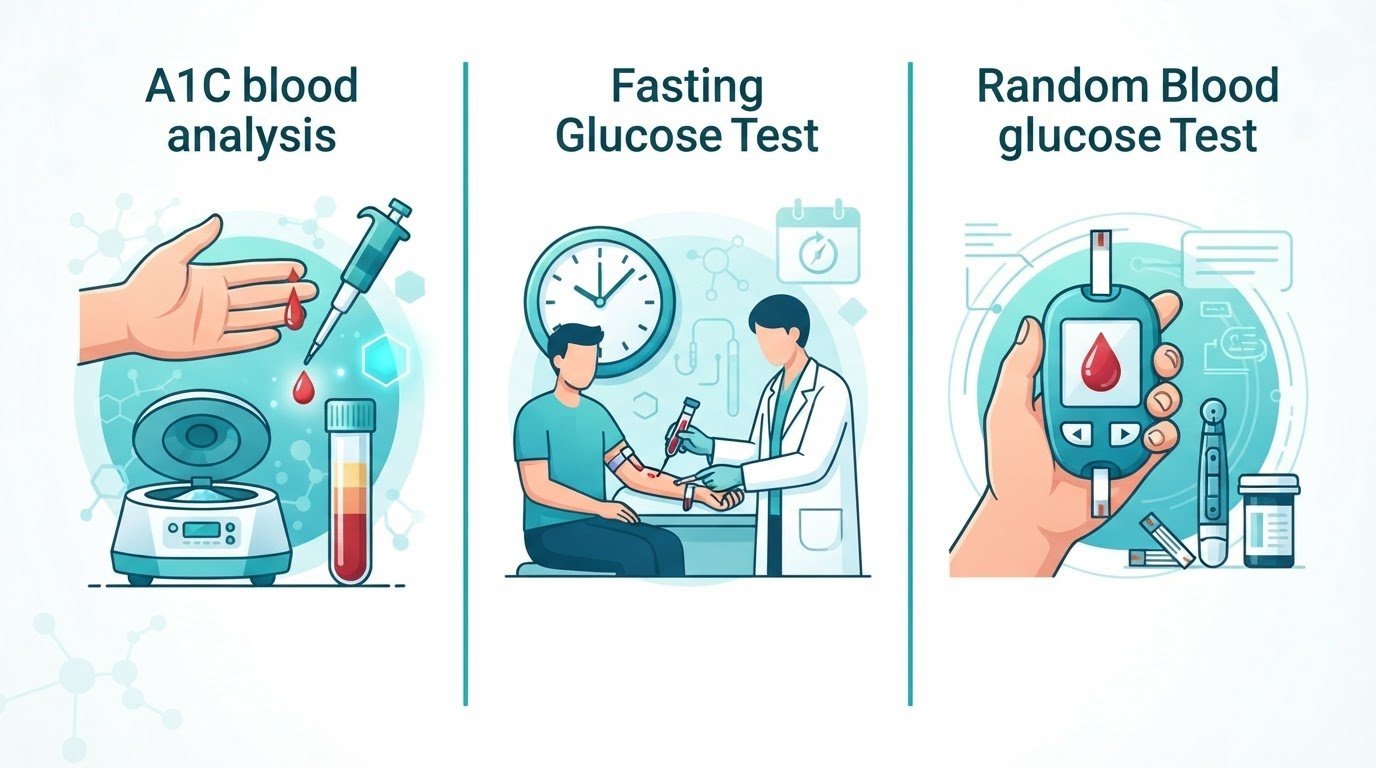
A random laboratory plasma glucose result of 200 mg/dL or above can establish diabetes when classic symptoms of high glucose or a hyperglycemic crisis are present. In the absence of unequivocal hyperglycemia, confirmation with another qualifying abnormal result is generally required.
HbA1c reflects glucose exposure across roughly two to three months, but certain blood conditions can distort the measurement. A clinician may rely on plasma glucose testing when the result would otherwise be misleading. Pregnancy also has its own testing considerations.
Home glucose readings can support monitoring, but a single home result does not normally serve as a formal diagnosis. For a fuller discussion of the tests and confirmation rules, see Diabetes Diagnosis: Which Tests Are Used?.
9. When Can Weight Loss Signal a Diabetes Emergency?
Diabetic ketoacidosis is a dangerous condition in which a shortage of effective insulin leads to excess ketone production and acid buildup. It may be the first recognized presentation of type 1 diabetes, and it can also occur in some people with established diabetes, including selected patients using SGLT2 inhibitors.
Emergency symptoms may include repeated vomiting, significant abdominal pain, deep or rapid breathing, fruity-smelling breath, severe dehydration, confusion, fainting or marked drowsiness. These signs require immediate medical attention rather than an appointment for routine fasting tests.
Rapid weight loss with substantial thirst and urination deserves prompt medical assessment even before these severe symptoms appear. The presence of a very high glucose value may increase concern, but a person should not delay help while trying to obtain a home meter reading.
DKA is not the only serious hyperglycemic emergency. Severe dehydration and altered mental status can also occur in hyperosmolar hyperglycemic state. Neither situation should be managed with a homemade food plan or unmonitored medication changes.
10. What Happens to Weight After Diabetes Treatment Starts?
If uncontrolled diabetes has caused both dehydration and tissue loss, treatment may allow some weight to return. Fluid balance can improve as glucose-related urine losses decrease. Changes in fat and muscle may follow a different course and depend on nutrition, treatment and overall health.
Weight regain is not automatically a problem, just as weight reduction is not automatically a sign of better health. For example, someone may intentionally lose weight under a structured type 2 diabetes care plan, while another may need to recover from unintended loss during an acute illness.
Certain glucose-lowering medicines can change appetite, urinary glucose excretion or body weight. If weight is changing more quickly than expected, the treating clinician may review medicine doses, symptoms and nutrition needs.
Do not stop insulin, a GLP-1 medication or another prescribed treatment to find out whether it affects weight. A medication review should happen with the care team, especially if appetite, vomiting or hydration has changed.
11. A Practical Weight and Symptom Tracker
A small record can make the appointment more productive. Record the weight when first noticed, any recent measurements, appetite changes, medication history and whether thirst or urination increased. Try to describe a pattern rather than treating every daily variation as meaningful.
The most useful observations often concern timing. Did the change begin after a new medicine? Was there fever or persistent diarrhea? Was food intake reduced unintentionally? Did thirst or night-time urination start at the same time? These details help the clinician choose the appropriate evaluation.
For non-emergency situations, note whether your clothes fit differently, whether the weight change continues over weeks and whether you have fatigue or vision changes. Bring old laboratory reports if available.

People with severe symptoms should not spend time preparing a perfect tracking sheet before seeking help. A record is a communication aid, not a replacement for medical assessment.
12. What Should You Do Next?
Make a medical appointment for an unexplained decline, particularly if it is progressing or accompanied by new symptoms. A clinician may review the history and examine you before deciding on glucose, thyroid, blood count or other tests. The right investigation depends on the situation.
If significant thirst, increased urine volume and rapid loss occur together, seek prompt assessment rather than assuming the weight change is a welcome result. If vomiting, confusion or deep breathing is present, emergency care takes priority.
Continue prescribed treatments unless a healthcare professional directs otherwise. Avoid trying to correct possible diabetes-related weight loss through extreme drinking, restrictive diets or unverified supplements.
With an established diagnosis, ask how the weight trend relates to glucose treatment, nutrition and monitoring. Discuss what changes would prompt a follow-up earlier than planned. The purpose is to identify and treat the cause, not merely to make the number on the scale return to its former value.
| Record | Useful details |
|---|---|
| Weight trend | Date, approximate weight, same scale when practical |
| Symptoms | Thirst, urination, fatigue, nausea, blurry vision |
| Appetite | More hungry, less hungry, or unchanged |
| Medicines and illness | New prescriptions, fever or digestive symptoms |
Frequently Asked Questions About Unexplained Weight Loss and Diabetes
Can diabetes cause weight loss while eating normally?
Yes. Marked insulin deficiency can increase tissue breakdown and urinary calorie loss. But other medical causes are possible.
Can type 2 diabetes cause weight loss?
Yes, particularly when glucose is very high or insulin production is inadequate, though many people with type 2 do not experience this symptom.
Is weight loss always a sign of type 1 diabetes?
No. Type 1 is one possibility and may occur in adults. Diagnosis requires clinical assessment and testing.
Can a person lose weight after starting diabetes medication?
Yes. Some medicines affect weight, but unexpected or rapid changes should still be reviewed.
When is weight loss an emergency?
Weight loss with repeated vomiting, deep breathing, severe dehydration or confusion requires emergency attention.
Will weight return after glucose treatment?
Some fluid and body mass may return as metabolism improves, but individual outcomes vary.
Can a normal home reading rule diabetes out?
No. Laboratory testing and appropriate clinical interpretation may still be needed.
What if I have no other symptoms?
Unexplained loss still merits medical assessment; many medical conditions can present subtly.
Conclusion: Find the Reason for Unexpected Weight Change
Unexplained weight loss and diabetes can be linked through inadequate effective insulin, breakdown of stored tissues, and glucose and water loss in urine. This explanation is important, but it is not the only reason for an unexpected fall in weight.
Record the pattern, seek appropriate testing and take new thirst, urination or weakness seriously. Severe symptoms require urgent care. The best response is to investigate the cause rather than assume the weight change is healthy or attempt to correct it through diet alone.
Scientific References