Diabetes Symptoms in Men: Warning Signs
Early Signs of Diabetes in Men


Research-based educational guide · BBH Physical Health
Thank you for reading this post, don't forget to subscribe!Diabetes does not always announce itself through dramatic symptoms. For some men, the earliest change is a persistent dry mouth. Others notice that they wake repeatedly at night to urinate, become unusually tired after ordinary activities, or experience fluctuations in their eyesight.
These changes can be easy to dismiss, particularly when daily routines involve long working hours, irregular sleep, stress, or physically demanding responsibilities.
Understanding diabetes symptoms in men is important because type 2 diabetes may develop gradually, sometimes without noticeable warning signs. Type 1 diabetes, including cases diagnosed in adulthood, can progress much more rapidly.
This guide explains which symptoms deserve attention, why they happen, and when medical testing is necessary. It also explores symptoms that are sometimes overlooked in men’s health, including sexual and urinary difficulties.
Can Men Have Diabetes Without Obvious Symptoms?
Quick Answer
Yes. A man can have elevated blood glucose for a considerable period without recognizing any specific symptoms.
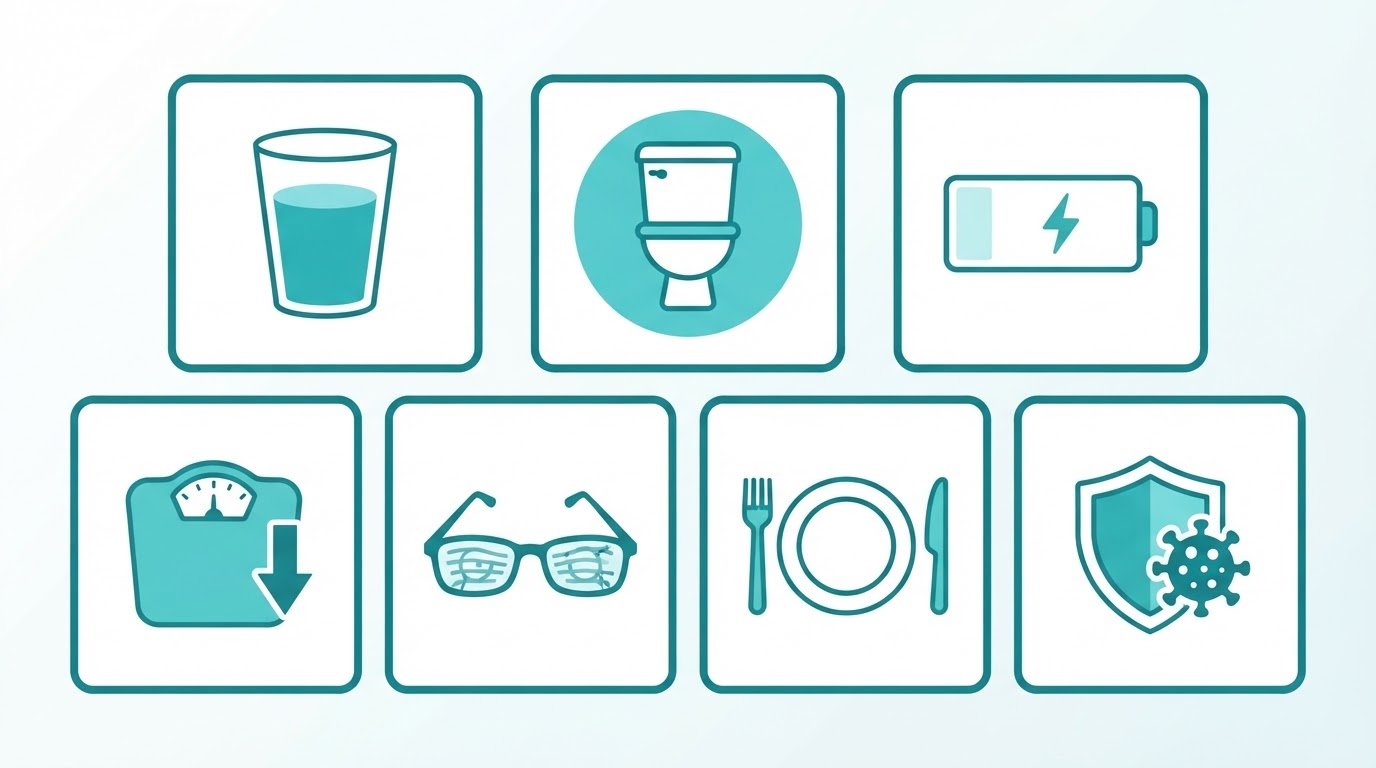
When symptoms do develop, common examples include:
- Increased thirst and a persistently dry mouth
- Passing urine more frequently, including overnight
- Unusual tiredness or reduced energy
- Vision that becomes temporarily blurred
- Losing weight without deliberately trying
- Cuts or skin infections that take longer to improve
- Numbness or tingling in the feet
Some men also experience erectile dysfunction, genital infections or bladder problems. These concerns can be associated with diabetes, but they are not reliable diagnostic signs by themselves.
A laboratory blood test is needed to determine whether blood glucose meets diabetes criteria.
Why Early Signs of Diabetes in Men Are Sometimes Missed
One challenge with recognizing diabetes is that several symptoms have ordinary explanations.
For example, a man who drinks more water may assume the weather is responsible. Someone who wakes repeatedly to use the bathroom may blame aging or evening tea. Persistent exhaustion may be attributed to a demanding job.
These explanations may sometimes be correct.
However, when several changes appear together or continue without a clear reason, evaluating blood glucose becomes important.
The connection lies partly in how the body manages glucose.
After food is digested, glucose enters the bloodstream. Insulin helps regulate its movement into cells and supports normal glucose balance.
In diabetes, insulin production, insulin action, or both are impaired. Blood glucose can consequently rise beyond its normal range.
When concentrations become sufficiently elevated, the kidneys may eliminate glucose through urine, carrying additional water with it. This process helps explain why increased urination and thirst commonly appear together.
These biological changes can occur before a person realizes something is wrong.
1. Frequent Urination: A Common Diabetes Warning Sign
One of the better-recognized diabetes symptoms in men is passing more urine than usual.
This may become noticeable when a man starts waking several times during the night despite having followed the same routine for years.
Increased urine production happens because excess glucose in the kidney filtrate can draw water into the urine.
However, frequent bathroom visits do not always mean increased urine volume.
There is an important difference between producing unusually large amounts of urine and repeatedly feeling the urge to urinate while passing only small amounts.
The second pattern can occur with prostate enlargement, bladder conditions, urinary infections, or other health problems.
Notice the pattern, not only the number of toilet visits.
When to seek assessment: If night-time urination is new, persistent, or accompanied by excessive thirst, unexplained weight loss, or fatigue, discuss appropriate testing with a healthcare professional.
2. Excessive Thirst and Persistent Dry Mouth
Imagine drinking a full glass of water and feeling thirsty again shortly afterward.
Occasional thirst is normal. Persistent thirst, particularly when accompanied by increased urine output, may indicate that the body is losing too much fluid.
Elevated blood glucose can contribute to this process.
Some men may also notice dryness inside the mouth or a greater need to drink during the night.
Nevertheless, dehydration from heat, physical activity, certain medications, and other illnesses can cause similar sensations.
Thirst alone cannot distinguish diabetes from these conditions.
The more meaningful observation is whether thirst represents a change from the person’s usual pattern and whether other symptoms appear alongside it.
3. Unusual Fatigue and Reduced Daily Energy
Feeling tired after demanding work is expected. Feeling consistently exhausted despite adequate rest deserves closer attention.
Fatigue is sometimes included among the early signs of diabetes in men because elevated glucose, dehydration and disrupted sleep may contribute to reduced energy.
Repeated night-time urination can interfere with restorative sleep, leaving a person tired throughout the following day.
However, diabetes is only one possible explanation.
Anemia, sleep apnea, thyroid conditions, depression, medication effects and several other medical problems may also cause prolonged exhaustion.
For this reason, fatigue should not automatically be attributed to blood sugar.
A useful approach is to record when the tiredness began, whether it is getting worse, and whether thirst, urinary changes, blurred vision or unexpected weight loss are also present.
4. Blurred Vision and Changes in Focus
Changes in blood glucose can temporarily affect fluid balance in the eye, sometimes resulting in blurred or fluctuating vision.
A man may notice that objects occasionally appear less sharp or that his vision seems different from one day to another.
However, blurred vision also occurs with refractive errors, eye disease and other health conditions.
Sudden vision loss, severe eye pain or major visual changes require urgent medical evaluation rather than waiting for a routine diabetes appointment.
For anyone already diagnosed with diabetes, professional eye screening remains important even when vision seems normal.
Clinical reminder: These symptoms are possible warning signs, not a diagnostic checklist. Some men have diabetes without symptoms, while others experience similar changes for unrelated reasons. Seek medical assessment for persistent concerns and urgent care for serious or rapidly worsening symptoms.
5. Can Erectile Dysfunction Be an Early Sign of Diabetes in Men?
A change in sexual function may seem unrelated to blood sugar. However, an erection depends on healthy circulation, nerve signals, and communication between the brain and body.
Diabetes can interfere with more than one part of this process.
Over time, high blood glucose may contribute to damage involving the nerves and blood vessels needed for normal erectile function.
This explains why diabetes and erectile dysfunction are often discussed together in men’s health research.
Erectile dysfunction (ED) means having persistent difficulty achieving or maintaining an erection sufficient for sexual activity.
An occasional problem after poor sleep, emotional stress, or alcohol consumption does not automatically indicate diabetes.
The concern becomes more important when erectile difficulties are persistent, worsening, or accompanied by other metabolic risk factors.
Why erectile dysfunction deserves medical attention
An erection relies on blood entering and remaining within the penile tissues.
When blood vessels become less responsive or nerve communication is disrupted, maintaining an erection can become difficult.
Diabetes is one possible contributor, but high blood pressure, cardiovascular disease, medication effects, mental health concerns, and hormonal conditions may also be involved.
For this reason, erectile dysfunction should be evaluated as a health concern rather than treated as a definitive diabetes symptom.
A clinician may consider blood glucose testing alongside blood pressure, cardiovascular risk, medication history, and other relevant findings.
Important: Erectile dysfunction can sometimes prompt the discovery of previously unrecognized diabetes, but it cannot establish the diagnosis without appropriate testing.
6. Genital Itching and Recurrent Infections in Men
Another area that deserves attention involves repeated irritation or infection around the penis.
Some men experience redness, itching, discomfort, or soreness around the glans or beneath the foreskin.
One possible explanation is balanitis, which describes inflammation of the head of the penis. Fungal infections, including candidiasis, are among its possible causes.
Persistently elevated glucose may increase susceptibility to certain infections.
However, genital irritation is not unique to diabetes. Skin conditions, friction, hygiene products, bacterial infections, and sexually transmitted infections can produce overlapping symptoms.
Repeated symptoms deserve examination rather than repeated self-treatment.
It is also worth noting that some prescribed diabetes medications, particularly SGLT2 inhibitors, increase the risk of genital yeast infections.
Therefore, the appearance of an infection in someone already receiving diabetes treatment does not always mean their glucose management has failed.
Medical examination becomes especially important when swelling, significant pain, unusual discharge, fever, or difficulty urinating develops.
7. Diabetes Symptoms in Men: Bladder and Urinary Changes

Urinary changes are often discussed as early signs of diabetes, but not every urinary complaint has the same underlying mechanism.
Consider two different situations.
One man passes unusually large amounts of urine throughout the day. Another visits the bathroom repeatedly but passes only small amounts and struggles to maintain a normal urine stream.
Although both men describe frequent urination, their symptoms may have different causes.
High glucose can increase urine production because excess glucose carries water into the urine.
By comparison, prostate enlargement, urinary infections, or bladder conditions may interfere with normal urine flow and emptying.
Can diabetes affect bladder nerves?
Long-standing diabetes can contribute to autonomic nerve damage.
These nerves help coordinate functions that occur without conscious effort, including aspects of bladder control.
When their function is impaired, a person may have difficulty recognizing bladder fullness, emptying completely, or controlling urination.
Some men develop urgency or leakage, while others retain urine.
These problems cannot be diagnosed simply by looking at a blood glucose result.
A healthcare professional may consider urine testing, examination, medication review, and further bladder assessment when appropriate.
Safety note: An inability to pass urine, severe lower abdominal pain, or fever with flank pain requires prompt medical care.
8. Low Testosterone and Diabetes: Understanding the Difference
Reduced sexual desire, persistent fatigue, and fewer spontaneous erections sometimes lead men to question their testosterone levels.
Type 2 diabetes can coexist with low testosterone, particularly in men with other metabolic risk factors.
However, the relationship is complicated.
Symptoms such as low energy and reduced libido are also associated with poor sleep, depression, certain medications, chronic illness, and normal variations in sexual interest.
This means a man should not assume that diabetes has caused testosterone deficiency merely because he feels tired or notices a change in sexual function.
When is testosterone testing appropriate?
A clinician may consider testosterone testing when symptoms and examination suggest a possible hormonal disorder.
Testing generally involves appropriately timed blood samples, often in the morning, and confirmation of a low result.
The interpretation may also depend on medication use, other health conditions, and factors affecting hormone-binding proteins.
Testosterone treatment is not a universal solution for fatigue or erectile dysfunction.
In particular, testosterone therapy can affect fertility and requires consideration of benefits, risks, and alternative treatments.
The priority is identifying the underlying cause rather than treating a single laboratory number.
9. Are Diabetes Symptoms Different in Younger and Older Men?
Age can influence the circumstances in which symptoms are noticed, but it does not create completely separate forms of diabetes.
Men in their 20s and 30s
Younger men sometimes assume diabetes is a condition that affects only older adults.
That assumption can be misleading.
Type 1 diabetes can first appear during adulthood, while type 2 diabetes is also increasingly recognized in younger age groups.
Rapid unexplained weight loss, pronounced thirst, frequent urination, and severe fatigue require timely assessment regardless of age.
Men in their 40s and 50s
At this stage of life, symptoms may overlap with changes in sleep, work routines, cardiovascular health, and prostate function.
Persistent erectile difficulties, night-time urination, or reduced energy should not automatically be dismissed as aging.
A clinician can determine whether diabetes screening or other investigations are appropriate.
Men over 60
Older men may experience several medical conditions simultaneously.
Urinary symptoms, dehydration, medication effects, or infections can complicate the clinical picture.
Sudden confusion, severe weakness, or rapidly worsening illness should never be assumed to be ordinary age-related changes.
Key takeaway: The most useful approach is to examine new or persistent symptoms in their medical context. Age, body weight, and sexual symptoms alone cannot confirm or exclude diabetes.
10. Type 1 vs Type 2 Diabetes Symptoms in Men
Two men can feel unusually thirsty for entirely different reasons. One might become unwell quickly, while another discovers elevated glucose during a routine checkup. Symptoms reveal a possible problem, but they do not establish which type of diabetes is responsible.
Type 1 diabetes involves immune-mediated damage to the pancreatic cells that produce insulin. In type 2 diabetes, insulin resistance is commonly accompanied by a reduction in the body’s ability to make sufficient insulin. Both conditions may produce tiredness, increased urine output or unexpected weight changes, yet they require different treatment decisions.
Can type 1 diabetes start after childhood?
Yes. Adult men can develop type 1 diabetes, including men who do not match common assumptions about body size. If thirst, weight loss and rapidly worsening weakness appear together, assessment should not be delayed. Depending on the presentation, a clinician may investigate ketones, antibodies or C-peptide. Learn more in Type 1 vs Type 2 Diabetes.
11. Diabetes Testing for Men: Which Results Matter?
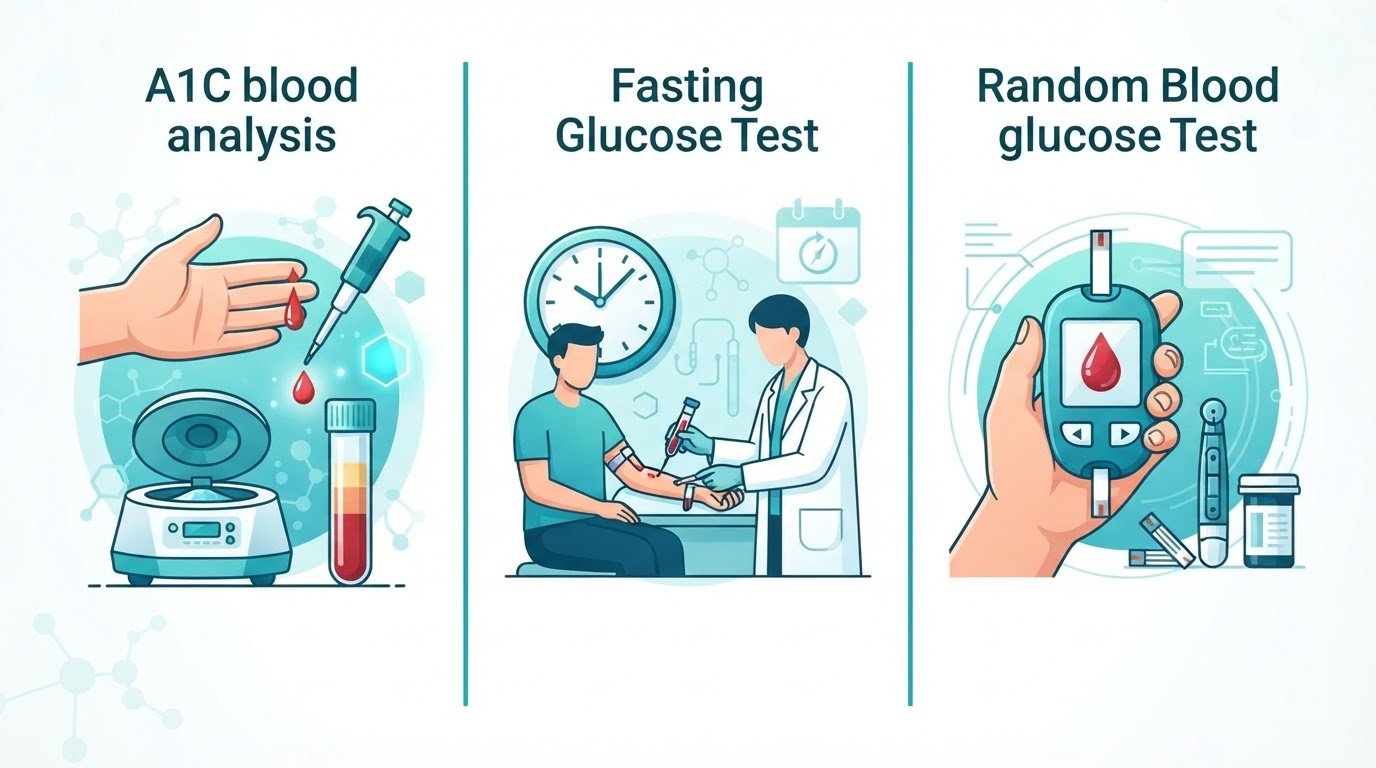
A description of symptoms is useful for selecting investigations; laboratory measurements tell us whether diagnostic glucose thresholds have been reached. The following values are commonly used for nonpregnant adults under ADA guidance. Different measurements answer slightly different questions about glucose regulation.
| Test | Prediabetes | Diabetes |
|---|---|---|
| HbA1c | 5.7–6.4% | 6.5% or higher |
| Fasting plasma glucose | 100–125 mg/dL | 126 mg/dL or higher |
| 2-hour 75-g OGTT | 140–199 mg/dL | 200 mg/dL or higher |
Why might an HbA1c result be misleading?
HbA1c estimates average glucose exposure over approximately two to three months. Some forms of anemia, altered red blood cell survival and certain hemoglobin variants can distort the result. A clinician may choose another measurement when these circumstances apply.
Can one random glucose result be enough?
A laboratory random plasma glucose reading of 200 mg/dL or more may establish diabetes when classic hyperglycemia symptoms or a hyperglycemic crisis are present. Otherwise, confirmation using two qualifying abnormal results is generally required. Home glucose meters support monitoring, but are not normally sufficient for formal diagnosis.
For preparation and follow-up details, see Diabetes Diagnosis: Which Tests Are Used?.
12. When Should Men Get Screened for Diabetes?
The absence of symptoms is not a reliable guarantee of normal glucose. Type 2 diabetes can develop quietly, so screening recommendations consider age and risk—not only how a person feels.
The ADA generally recommends screening adults beginning at age 35, with earlier assessment for people at increased risk. Family history, previously documented prediabetes, hypertension and other metabolic factors may influence the plan. Guidelines and intervals differ between countries.
A younger man with newly developed thirst and unexplained weight loss should be evaluated without waiting for a routine screening birthday. For a prevention-focused explanation, read Prediabetes: Symptoms, Tests & Prevention.
13. Emergency Diabetes Symptoms in Men
Some situations need urgent care rather than a scheduled blood test. Diabetic ketoacidosis, for example, can occur when too little effective insulin is available and acidic ketones accumulate. Warning signs include a combination of vomiting, abdominal pain, unusually deep breathing, fruity breath, severe dehydration, confusion or marked drowsiness.
These signs require emergency evaluation. Ketoacidosis can be a first presentation of diabetes, and it can also occur in some people taking SGLT2 inhibitors. Do not try to correct severe symptoms by changing prescribed medicines or following an internet diet plan.
14. What Should Men Do After Noticing Diabetes Warning Signs?
A helpful first step is to describe the problem precisely rather than naming a disease. For instance, are you producing more urine, struggling to pass urine, or simply waking more often? Those experiences lead to different questions.
- Record the change: note when symptoms began and whether they are getting worse.
- Consider the context: document medicines, existing illnesses and relevant family history.
- Arrange testing: ask which laboratory glucose test is appropriate and whether fasting is needed.
- Discuss sensitive concerns: erectile difficulty, genital irritation and bladder symptoms deserve professional assessment.
- Clarify follow-up: ask what the result means and whether further testing or treatment is necessary.
If you are already being treated for diabetes, do not discontinue your medicines simply to see how your symptoms respond.
15. Frequently Asked Questions About Diabetes Symptoms in Men
Can erectile dysfunction appear before other warning signs?
Sometimes. It can prompt a review of glucose and cardiovascular risk, but there are many non-diabetes explanations, including medication effects.
Can diabetes occur in men who are not overweight?
Yes. Body size does not exclude either type 1 or type 2 diabetes, and appearance cannot replace testing.
Why might night-time urination have nothing to do with glucose?
The prostate, bladder, sleep disorders and some medicines may all contribute. A clinician can distinguish these patterns.
Does a normal home meter reading rule out diabetes?
No. A home meter captures glucose at one moment and is not a stand-alone diagnostic test.
What if the symptoms disappear on their own?
Their disappearance does not establish that glucose has stayed within the normal range. If concerns were persistent or significant, ask whether testing is indicated.
Conclusion: Recognizing Changes Without Self-Diagnosing
Understanding diabetes symptoms in men is useful because familiar complaints can sometimes signal a problem that deserves testing. It does not mean that every spell of tiredness, thirst or sexual difficulty has a single explanation.
The more productive questions are practical: What has changed? How long has it been happening? Which alternative causes are plausible? And what laboratory or clinical evaluation would clarify the situation?
For ongoing concerns, a well-prepared medical appointment offers more certainty than guessing from a symptom list. If serious warning signs develop, emergency care takes priority.
Educational safety note: This information cannot diagnose diabetes or replace individual medical advice. Seek urgent assessment for serious or rapidly worsening illness.
Scientific References
- CDC: Symptoms of Diabetes
- CDC: Diabetes and Men
- NIDDK: Diabetes, Sexual and Bladder Problems
- ADA 2026: Diagnosis and Classification of Diabetes
- ADA 2026: Comprehensive Medical Evaluation
- Diabetes UK: Sexual Problems in Men
Medical disclaimer: This article is educational only and cannot diagnose or treat diabetes, urinary disorders or sexual dysfunction. Seek emergency care for severe symptoms, and never stop prescribed medication based on an online article. The author has not claimed independent clinical review.
Written by Shubhangi Halande · Bio and Brain Health Info (BBH) · Physical Health → Diabetes & Blood Sugar