Diabetes Diagnosis: Which Tests Are Used?
Diabetes Tests: A1C, Fasting & OGTT

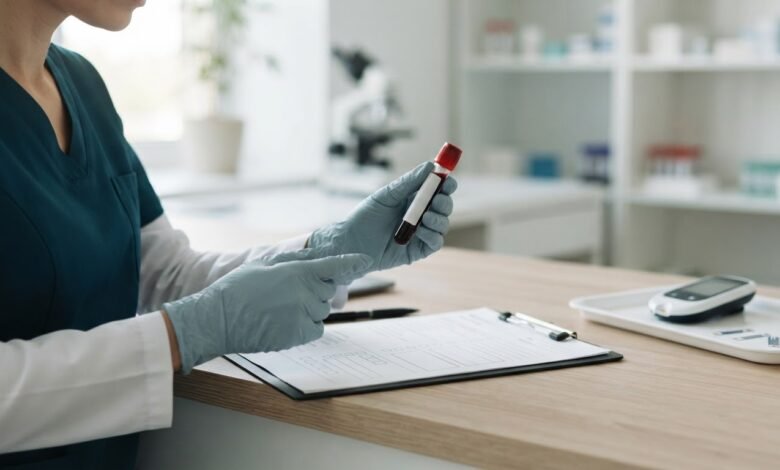
Understanding diabetes diagnosis begins with one important distinction: a test can detect high blood glucose without necessarily revealing why it happened. Some people learn they have diabetes after developing thirst, frequent urination or unexpected weight loss; others feel well and find out through routine screening.
Thank you for reading this post, don't forget to subscribe!This evidence-based guide explains diabetes blood tests, the A1C test for diabetes, the fasting blood sugar test, and the oral glucose tolerance test. It also answers questions that basic testing charts frequently omit: why two results may be needed, when A1C can be misleading, whether home meters count, and which additional tests can distinguish type 1 from type 2 diabetes.
Quick Answer: Which Tests Diagnose Diabetes?
The four principal testing methods
For nonpregnant people, commonly accepted ADA criteria include A1C of at least 6.5%, fasting plasma glucose of at least 126 mg/dL, two-hour plasma glucose of at least 200 mg/dL after a standard 75-g OGTT, or random plasma glucose of at least 200 mg/dL in someone with classic symptoms or a hyperglycemic crisis. Without unequivocal hyperglycemia, diagnosis normally requires a second abnormal test.
These measurements serve different purposes. A1C estimates longer-term glucose exposure, fasting glucose measures a single fasting value, an OGTT evaluates the response to a glucose load, and random plasma glucose can support diagnosis during a symptomatic presentation.
For related information, see our complete guide to diabetes types.
How Diabetes Diagnosis Works
During digestion, glucose enters the bloodstream. Insulin from pancreatic beta cells helps the body use and store this energy. Diabetes develops through different mechanisms that leave blood glucose too high. Type 1 usually involves autoimmune destruction of insulin-producing cells; type 2 involves insulin resistance and insufficient insulin secretion.
A formal diabetes diagnosis relies on standardized testing, interpretation of symptoms and clinical context. Risk factors may guide when someone should be tested, but body weight, age or family history alone cannot confirm the disease.
An important source of confusion is the difference between screening and diagnosis. Screening finds people who may have elevated glucose; diagnosis applies clinical criteria and, where necessary, confirmation. The same test can serve both purposes when performed appropriately.
Diabetes Blood Test Ranges at a Glance
| Laboratory test | Normal / lower risk | Prediabetes (ADA) | Diabetes range (ADA) |
|---|---|---|---|
| A1C | Below 5.7% | 5.7–6.4% | 6.5% or higher |
| Fasting plasma glucose | Below 100 mg/dL | 100–125 mg/dL | 126 mg/dL or higher |
| 75-g OGTT, 2-hour result | Below 140 mg/dL | 140–199 mg/dL | 200 mg/dL or higher |
| Random plasma glucose | No matching standalone diagnostic ‘normal’ cutoff | No standalone prediabetes threshold | 200 mg/dL or higher WITH classic symptoms or crisis |
These are ADA laboratory thresholds for nonpregnant individuals. Different organizations may use different ranges for prediabetes. A glucose result of 126 mg/dL is approximately 7.0 mmol/L; a result of 200 mg/dL is approximately 11.1 mmol/L.
The results in a diabetes blood tests chart do not replace clinical interpretation. Test conditions, pregnancy, recent illness and medical treatment can change how a result is assessed. The usual requirement for confirmation also matters.
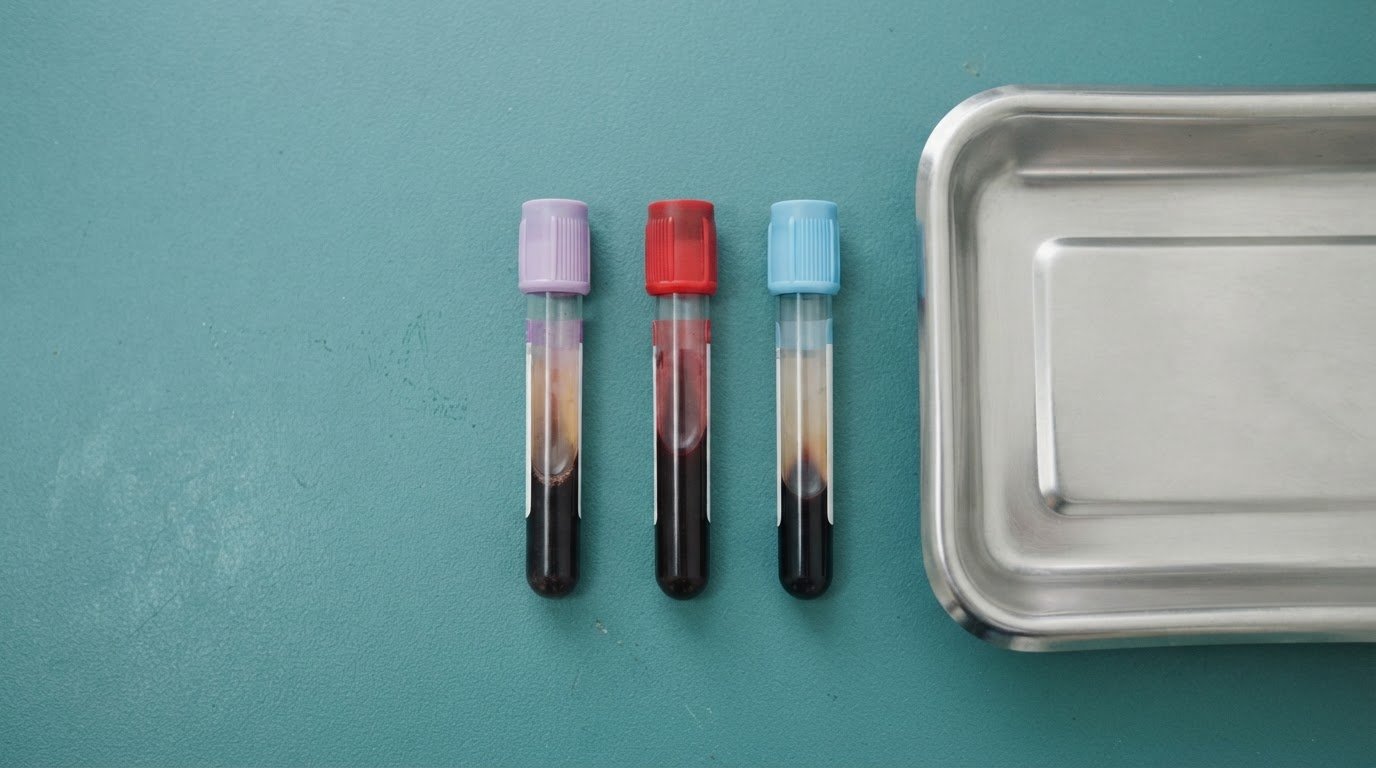
A1C Test for Diabetes Diagnosis
Hemoglobin A1C reflects how much glucose has attached to hemoglobin in circulating red blood cells. Because red blood cells remain in circulation for weeks, the test estimates average glucose exposure over approximately the previous two to three months.
Does the A1C test require fasting?
Usually not. A blood sample can generally be taken without skipping breakfast, making A1C convenient for routine screening. For diagnosis, however, the laboratory assay must meet applicable quality and standardization requirements.
What does an A1C of 6.5% mean?
An A1C at or above 6.5% is within the ADA diabetes diagnostic range. If the person does not have unequivocal hyperglycemia, confirmation is generally necessary. A single reading should not be considered a complete clinical assessment.
The A1C test for diabetes is especially useful for understanding longer-term glucose exposure, but can miss some people whose glucose rises abnormally after meals. It is not automatically the best choice for every clinical situation.
Why might A1C fail to reflect actual glucose?
Conditions that change red-cell lifespan, certain hemoglobin variants, pregnancy, recent bleeding, transfusions and some medical treatments can distort A1C. Clinicians may prefer plasma glucose criteria when A1C and actual glucose do not agree.
Fasting Blood Sugar Test for Diabetes
A fasting plasma glucose test measures glucose in blood after a period without calorie intake. The ADA definition of fasting is at least eight hours. The test provides a snapshot, rather than a longer-term average.
For nonpregnant adults, a fasting result of 100–125 mg/dL is within the ADA prediabetes range. A result of 126 mg/dL or higher meets the diabetes threshold, subject to confirmation when the presentation is not unequivocal.
What can change a fasting result?
Recent illness, some medicines, acute stress and differences in test preparation may affect glucose. Tell the clinician about steroid treatment or other medications rather than deciding independently to stop them. If the result seems inconsistent with other information, an additional test may be recommended.
The fasting blood sugar test is often accessible and straightforward, but it may not detect everyone whose principal abnormality occurs after eating. This is one reason clinicians sometimes use another laboratory method.
Oral Glucose Tolerance Test (OGTT)
The standard 75-g oral glucose tolerance test begins with a fasting blood sample. The person then drinks a measured glucose solution, and plasma glucose is checked two hours afterward. This tests how the body handles a glucose challenge.
A two-hour result from 140 to 199 mg/dL indicates impaired glucose tolerance under ADA prediabetes criteria. A value of at least 200 mg/dL is in the diabetes range. Different protocols apply during pregnancy.
Why order an OGTT if A1C is available?
An OGTT may identify abnormal glucose handling not apparent from fasting glucose or A1C alone. It may be helpful when results are uncertain, in selected risk groups, or when another method would not provide adequate information.
How should someone prepare?
Follow the laboratory’s instructions on fasting, recent diet, activity and medicines. The appointment takes longer than an ordinary blood draw. During the test, remain at the clinic and follow instructions about eating, drinking and movement. Do not deliberately restrict carbohydrate beforehand unless specifically advised.
The oral glucose tolerance test is valuable, but requires careful scheduling and can be less convenient than A1C or fasting glucose. This is why clinicians select tests according to the clinical question.
Random Blood Sugar Test: When It Counts
A random plasma glucose sample may be taken without waiting for a fasting period. In someone with classic symptoms of high blood glucose—such as increased thirst, frequent urination and unexpected weight loss—or a hyperglycemic crisis, a random plasma glucose of at least 200 mg/dL is a diagnostic criterion.
Without characteristic symptoms, an isolated random elevated value is generally not enough to establish the diagnosis. Additional confirmatory testing may be necessary. Similarly, an ordinary home-meter reading does not automatically meet the standards for a diagnostic laboratory test.
Random testing is especially useful when someone is unwell and delaying evaluation to fast would be inappropriate. When there are signs of diabetic ketoacidosis or hyperosmolar hyperglycemic state, emergency assessment must take priority over routine scheduling.
For related information, see our prediabetes testing and prevention guide.
Why a Second Diabetes Test May Be Needed
A common question is why a doctor orders another test after receiving an abnormal result. When there is no unequivocal hyperglycemia, the ADA recommends confirmation to reduce the chance of diagnosing diabetes from a misleading measurement.
Can two different tests confirm diabetes?
Yes. For example, an A1C and fasting plasma glucose result obtained on the same day may both exceed their respective thresholds. Alternatively, the same test can be repeated using a new specimen. The clinical situation and local laboratory approach determine the process.
What if only one of the two tests is abnormal?
If two tests are discordant, the one above the diagnostic threshold is typically repeated, and clinicians consider interference or other causes. Someone with two A1C results at or above 6.5% can meet diagnostic criteria even if fasting glucose remains below 126 mg/dL.
The confirmation rule is a valuable part of diabetes diagnosis. It protects patients from errors without creating unnecessary delays when a person has obvious symptoms or a metabolic emergency.
What if A1C and Glucose Results Disagree?
A1C and direct plasma glucose measurements examine different aspects of glucose regulation. A1C reflects a longer period, while fasting or oral challenge testing measures glucose at particular times. They may therefore identify different people.
Large or persistent disagreement should prompt examination of the blood test method and the person’s medical history. A clinician may assess anemia, kidney disease, hemoglobin variants, medication use, recent blood loss or rapidly changing glucose levels.
For an accurate diabetes blood tests interpretation, the right response is to investigate a mismatch rather than choose whichever result seems more favorable. Sometimes a plasma glucose test provides the more dependable basis for diagnosis.
When A1C Is Not Reliable
A1C accuracy can be affected by conditions that alter the relationship between hemoglobin and glucose. Examples include some hemoglobin variants, glucose-6-phosphate dehydrogenase deficiency, pregnancy, recent blood loss or transfusion, and illnesses or therapies that change red-cell turnover.
Iron-deficiency anemia and certain other blood disorders can also influence A1C interpretation. A clinician may recommend fasting plasma glucose or an OGTT instead. No one should assume a normal-looking A1C cancels concerning symptoms.
Point-of-care A1C devices are not all interchangeable with laboratory diagnostic testing. ADA guidance permits diagnostic point-of-care testing only under defined quality and regulatory conditions. A retail screening result may require a properly performed laboratory test.
Content-gap reminder
A test may be technically accurate yet inappropriate for a particular medical circumstance. Always tell the healthcare team about pregnancy, anemia, hemoglobin disorders, recent transfusion, serious illness or medicines that may influence glucose.
For related information, see our gestational diabetes complete guide.
Gestational Diabetes Diagnosis Tests
Pregnancy uses separate screening and diagnostic approaches. Gestational diabetes is commonly assessed between 24 and 28 weeks, although earlier assessment may be recommended to identify preexisting diabetes or high-risk circumstances.
One-step 75-g test
One accepted method uses fasting, one-hour and two-hour values after a 75-g glucose load. Under the IADPSG/ADA one-step criteria, thresholds are fasting at least 92 mg/dL, one hour at least 180 mg/dL, or two hours at least 153 mg/dL; one abnormal value can meet the diagnostic definition.
Two-step screening approach
Another commonly used method begins with a nonfasting 50-g glucose challenge. If screening is positive at the local threshold, a fasting 100-g three-hour OGTT follows. The diagnostic cutoffs and the number of required elevated values depend on the selected protocol.
The routine A1C test for diabetes is not a substitute for the recommended gestational diabetes screening pathway. Pregnancy-specific guidance matters because normal glucose physiology changes during pregnancy.

For related information, see our type 1 and type 2 diabetes comparison.
Tests That Help Identify Diabetes Type
Confirming elevated blood glucose and identifying its cause are related but separate tasks. A person of any age can have type 1 or type 2 diabetes. Clinicians consider symptoms, progression, other conditions and sometimes specialized laboratory tests.
Diabetes-related autoantibodies
When autoimmune diabetes is suspected, tests for GAD, IA-2 and ZnT8 antibodies may help support classification. Positive markers can indicate autoimmune activity affecting pancreatic beta cells, although antibody tests do not provide a complete answer in every case.
C-peptide and endogenous insulin production
C-peptide is released when the pancreas makes its own insulin. Testing can help estimate remaining insulin production, particularly when the diabetes type is uncertain. Values require interpretation alongside concurrent glucose, kidney function, timing and treatment history.
Neither autoantibody nor C-peptide testing should be used alone to stop prescribed insulin. Some people with substantial insulin deficiency can develop ketoacidosis if insulin is withdrawn.
Can a Home Glucose Meter Diagnose Diabetes?
A home finger-prick meter is valuable for day-to-day monitoring in people who need it. Continuous glucose monitoring can show patterns across the day and overnight. However, these tools do not generally replace standardized laboratory testing for a formal initial diagnosis.
Home readings can be affected by technique, strips, meter accuracy and other factors. If a home meter repeatedly shows unusually high values or someone develops classic symptoms, medical evaluation is appropriate.
Do not delay urgent care for vomiting, deep breathing, confusion or severe dehydration merely because a home reading seems lower than expected. The overall clinical picture is more important than one number.
Who Should Get Diabetes Testing?
People with increased thirst, frequent urination, unexpected weight loss or other concerning symptoms should be tested promptly. Those without symptoms may still need screening based on age and risk factors such as family history, previous gestational diabetes, metabolic conditions or certain medicines.
Under the 2026 ADA Standards, routine screening of adults without other specified risks begins at age 35. Earlier screening may apply to those with overweight or obesity and additional risks, with lower BMI thresholds for people of Asian ancestry. Recommendations can differ across countries.
Screening young people follows different criteria. Pregnancy and a family history of autoimmune type 1 diabetes may call for specialized pathways. Discuss which diabetes blood tests are appropriate rather than relying on a generic annual panel.
For related information, see our early signs of diabetes guide.
Symptoms and Emergency Warning Signs
Classic signs of elevated glucose include persistent thirst, increased urination, unintended weight loss and fatigue. Blurred vision or recurring infections may also lead to evaluation, but many people with type 2 diabetes have no obvious symptoms.
Seek urgent medical care
Repeated vomiting, significant abdominal pain, rapid or deep breathing, profound weakness, severe confusion, drowsiness or unconsciousness can signal diabetic ketoacidosis or another medical emergency. Seek emergency care rather than waiting for a routine diabetes testing appointment.
A diagnosis should lead to timely treatment and education. People with suspected severe insulin deficiency may need ketone and acid-base evaluation in addition to blood glucose measurement.
Preparing for a Diabetes Blood Test
Before testing, ask whether fasting is required and for how long. A1C generally needs no fasting; fasting plasma glucose and an OGTT do. Do not alter prescribed medicines, insulin or supplements unless the testing clinician gives specific instructions.
Bring a list of medicines and relevant history, including recent illness, pregnancy, anemia, blood disorders and any previous borderline readings. If symptoms are present, tell the clinician even if you have already obtained a home glucose measurement.
For a planned oral glucose tolerance test, allow time to remain at the laboratory during the procedure. Follow the clinic’s specific advice on recent eating patterns, movement and whether you may drink water.
What Happens After Your Test Results?
A normal result can provide reassurance but does not permanently eliminate future risk. Prediabetes is a warning of higher future type 2 diabetes probability, not a guarantee that diabetes will develop. Evidence-based lifestyle interventions may lower that risk.
If testing confirms diabetes, the clinician should help clarify the type and plan treatment, monitoring and screening for associated health concerns. Decisions depend on symptoms, pregnancy status, medications, cardiovascular and kidney health and other clinical findings.
If a result is borderline or conflicting, the next step may be repeat testing, a different assay or assessment for conditions that interfere with A1C. The most useful diabetes diagnosis is accurate, explained clearly and linked to an individualized follow-up plan.

BBH Support
Explore BBH Support and Resources and the Diabetes & Blood Sugar Hub for related educational guidance. These pages do not substitute for medical diagnosis.
Your Diabetes Diagnosis Tests Checklist
Before booking diabetes diagnosis tests, ask your clinician whether fasting is required, whether any medicine or acute illness may affect the reading, and whether the laboratory needs an earlier result for comparison. Do not stop prescribed treatment independently.
When interpreting diabetes test results, note the test type, units, fasting status, laboratory reference range and whether the value requires confirmation. An A1C of 6.5% is not interchangeable with a fasting glucose of 6.5 mmol/L: they measure different things and use different units.
Which diabetes diagnosis tests should I discuss?
An A1C test for diabetes may be convenient because it usually needs no fasting. A fasting blood sugar test captures glucose after at least eight hours without calories. An oral glucose tolerance test may be selected when other tests do not fully explain the clinical picture. Choosing among diabetes diagnosis tests depends on individual circumstances, rather than one universally superior method.
If results are borderline, ask when to repeat testing. If an A1C and plasma glucose result disagree, ask which result is above the diagnostic cutoff and whether factors such as anemia, hemoglobin variants or pregnancy affect test accuracy.
Free Diabetes Test Results & Diagnosis Record (PDF)
Download the printable BBH record to keep A1C, fasting blood sugar test, oral glucose tolerance test, symptoms, result dates and follow-up questions in one place. This resource organizes diabetes test results; it cannot diagnose diabetes or replace a clinician’s advice.
Download Free Diabetes Test Record (PDF)
Explore BBH Support Resources for additional educational material.
How should I compare diabetes test results?
When comparing diabetes test results, first confirm whether each number comes from A1C, fasting plasma glucose or an OGTT. Diabetes test results from different methods cannot be compared as though they used the same scale. Keep the date and units beside every value.
An A1C test for diabetes estimates longer-term glucose exposure, while a fasting blood sugar test measures a specific fasting moment. An A1C test for diabetes may not reflect true glucose levels when red-cell turnover or certain hemoglobin variants affect accuracy. A fasting blood sugar test may be normal even when glucose after a standard challenge is elevated.
Bring earlier diabetes test results to the appointment so the clinician can identify trends and decide whether confirmation is needed. Never independently diagnose diabetes or adjust medication using isolated diabetes test results.
Frequently Asked Questions
Which test is best to diagnose diabetes?
No single test is best for every person. A1C, fasting plasma glucose and an OGTT are established choices for nonpregnant individuals. Symptoms and other medical conditions influence selection.
Is fasting necessary for an A1C test?
No, fasting is generally not required for A1C. Fasting plasma glucose and OGTT do require specific preparation.
Can diabetes be diagnosed with one reading?
Sometimes: classic symptoms or a hyperglycemic crisis combined with qualifying random plasma glucose can establish diabetes. Otherwise a second abnormal result is usually required.
Is a home reading of 200 mg/dL enough?
A home meter value is a reason to seek medical advice, especially with symptoms, but a routine home reading is not generally a replacement for a diagnostic laboratory test.
What is the difference between A1C and fasting glucose?
A1C estimates longer-term glucose exposure, while fasting plasma glucose shows blood glucose after at least eight hours without caloric intake.
Can A1C show normal while OGTT is abnormal?
Yes. Tests identify different features of glucose regulation. Clinicians investigate discordant findings rather than assuming all tests should agree.
Are pregnancy glucose thresholds different?
Yes. Gestational diabetes testing uses pregnancy-specific criteria and usually takes place at 24–28 weeks.
Related BBH Blogs and Support
Continue with the BBH Diabetes Series
For additional education, visit BBH Support and Resources or the Diabetes & Blood Sugar Hub. These are educational resources, not emergency medical services.
Medical References and Disclaimer
- American Diabetes Association, Standards of Care 2026: Diagnosis and Classification
- NIDDK: Diabetes Tests and Diagnosis
- NIDDK: A1C Test and Its Limitations
- American Diabetes Association: Diabetes Diagnosis and Tests
- NIDDK: Gestational Diabetes Testing and Diagnosis
Medical and editorial disclaimer
This article provides general educational information. It cannot diagnose diabetes, interpret your personal laboratory results or prescribe treatment. Seek immediate medical care for severe symptoms. Do not change diabetes medication on the basis of an online guide. Scientific sources are included for transparency; independent clinical review is not claimed.
Written by Shubhangi Halande · Bio and Brain Health Info (BBH) · Physical Health → Diabetes & Blood Sugar
Explore Related BBH Guides
For more detailed, evidence-based information, explore Oral Glucose Tolerance Test: Explained (preparation, 75-g testing and two-hour results).