Excessive Thirst and Diabetes: Causes & Signs
Why Does Diabetes Cause Excessive Thirst?

Bio & Brain Health Info · Physical Health · Evidence-based educational guide
Thank you for reading this post, don't forget to subscribe!A glass of water should usually ease ordinary thirst. But what if you drink, wait a little while, and immediately feel the need for another glass? Persistent thirst can be unsettling, especially if you have also begun waking to urinate or feel unusually tired.
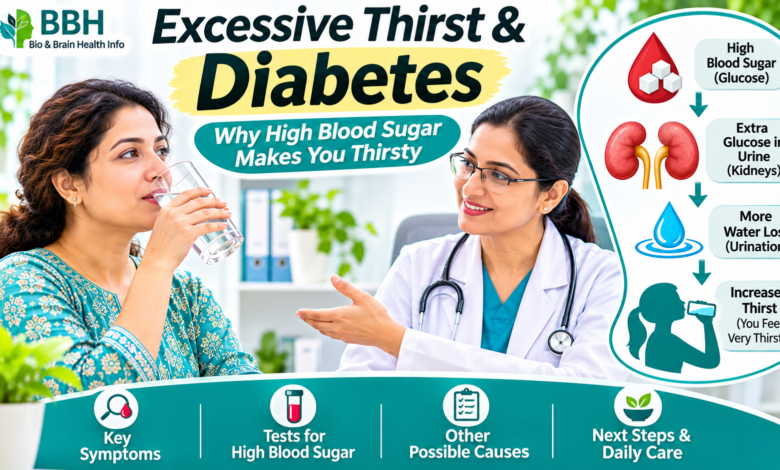
The link between excessive thirst and diabetes is well established: when blood glucose becomes high enough, the kidneys may release extra glucose and water into the urine. That additional fluid loss can trigger a stronger drive to drink. However, thirst alone cannot diagnose diabetes, and many other conditions can explain a change in how much water you need.
This guide explains what excessive thirst means, how blood sugar and urine production are connected, what symptoms suggest urgent care, and which tests can help identify the cause. It also covers a frequently missed distinction: feeling thirsty is not always the same as having a dry mouth.
1. What Does Excessive Thirst Actually Mean?
Thirst is an essential body signal. It helps maintain fluid balance when we sweat, eat salty food, exercise, or lose water through ordinary activities. Feeling thirsty after a hot afternoon is usually an appropriate response. What deserves attention is thirst that is new, unusually strong, persistent, or difficult to satisfy despite normal drinking.
Clinicians use the word polydipsia for excessive thirst or fluid drinking. The term describes a symptom rather than a diagnosis. People may experience it differently: some feel driven to drink large quantities, others repeatedly wake to sip water, and some mainly notice that their mouth feels dry. Their causes are not always the same.
Is there a precise number of glasses that defines a problem?
No single daily water target tells us whether thirst is abnormal. Climate, body size, diet, physical activity, pregnancy, kidney function and prescribed fluid restrictions all affect individual needs. People sometimes look for a fixed number of liters online; that shortcut can be misleading. A noticeable change from your usual pattern often matters more.
Rather than forcing yourself to meet an arbitrary water goal, notice how long the thirst has lasted and whether urine output has changed. If your symptoms persist, a clinician can assess your fluid balance and whether glucose or another condition needs investigation.
2. Why Does Diabetes Cause Excessive Thirst?
Understanding excessive thirst and diabetes begins with how the kidneys handle glucose. Under ordinary circumstances, the kidneys filter glucose and reclaim nearly all of it. When circulating glucose rises sufficiently, the kidneys can become unable to reclaim the entire amount. Some glucose then leaves the body in urine.
Glucose in the urine draws water with it through a process called osmotic diuresis. As urine output increases, the body loses fluid. The brain responds to changes in fluid concentration and volume by generating thirst. Drinking water may temporarily replace losses, but it does not correct the underlying hyperglycemia.
This explains why high blood sugar, passing more urine and drinking more water can occur together. The glucose level that produces measurable glucose in urine varies between individuals, so the presence or absence of thirst cannot reliably estimate someone’s blood sugar.
What changes first: thirst or frequent urination?
There is no predictable order that everyone notices. One person recognizes thirst first, then realizes that bathroom visits have also increased. Another notices large urine volumes before consciously feeling thirsty. Both are possible. For a deeper look at this mechanism, read Frequent Urination and Diabetes: Causes & Signs.
If symptoms develop quickly alongside unexplained weight loss, nausea, vomiting or worsening weakness, prompt medical evaluation becomes important. Particularly in type 1 diabetes, severe insulin deficiency can lead to an emergency rather than a slow progression of mild symptoms.
3. Excessive Thirst vs Dry Mouth: They Are Not the Same
A crucial content gap in many health articles is the distinction between systemic thirst and local mouth dryness. A person can feel that their mouth is sticky without needing more water across the whole body. Salivary gland problems, mouth breathing, medications, anxiety, and dry environments can produce this sensation.
By comparison, true fluid-loss thirst often involves a persistent urge to drink along with increased urine production or signs of dehydration. Of course, the two can overlap. Someone who is dehydrated may develop dry mouth, and someone with high glucose may report both symptoms.
Questions to help describe the pattern
- Does drinking relieve the sensation for a reasonable period, or does it return immediately?
- Are you passing more urine overall, or only feeling the urge to go often?
- Is the problem worse overnight, after physical exertion, or after a medication dose?
- Have you noticed mouth breathing, new medicines, fever, vomiting, or a recent illness?
- Are you waking because of thirst, because you need the toilet, or for another sleep-related reason?
These observations are not a home diagnostic algorithm. They are a way to describe the problem accurately so that an examination, laboratory tests and medication review can be targeted to the likely causes.
4. What Other Symptoms May Occur With Diabetes-Related Thirst?
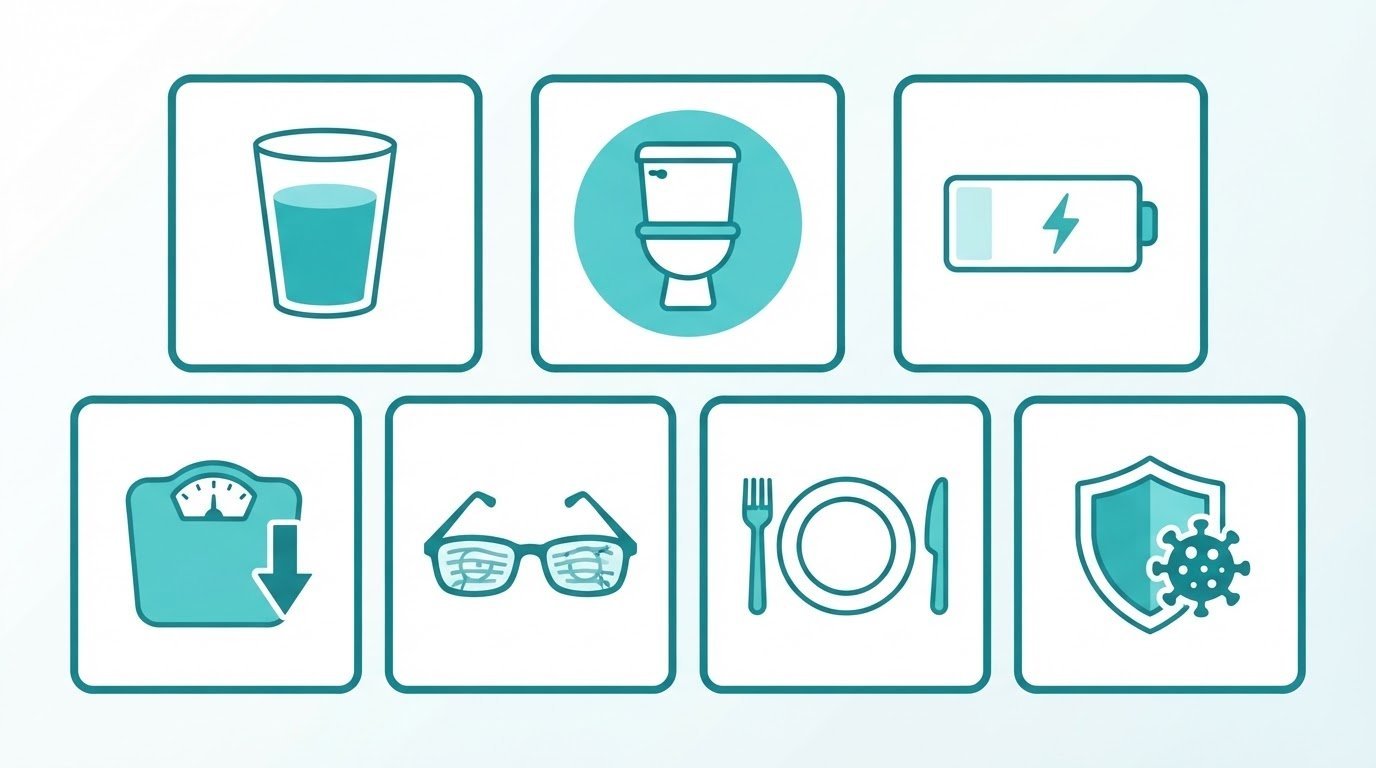
The combination of excessive thirst and diabetes may include additional signs of hyperglycemia. Common ones are frequent or high-volume urination, unusual tiredness, blurred vision, unexpected weight loss, and recurrent infections. The exact pattern varies, and many people with type 2 diabetes have few obvious symptoms early on.
- Greater urine volume: large amounts of urine during the day or night can indicate excessive fluid loss.
- Unexpected weight loss: losing weight without trying is a concern, particularly when thirst has appeared quickly.
- Fatigue: insufficient sleep, fluid loss and altered metabolism can contribute, although fatigue has many other causes.
- Blurred vision: changing glucose levels can affect the eye’s focusing ability; sudden vision loss needs urgent assessment.
- Recurrent infections: skin, urinary or genital infections may prompt a clinician to consider glucose testing.
Not experiencing these symptoms does not rule out diabetes. Many individuals have elevated glucose without feeling unwell. See Can You Have Diabetes Without Symptoms? for an explanation of asymptomatic diabetes and why screening can matter.
5. Does Diabetes Cause More Thirst at Night?
Night-time thirst may be especially noticeable because repeated urination interrupts sleep and makes fluid loss harder to ignore. If glucose-related urine output is high, someone may wake to urinate and then drink water because they feel dry or thirsty. This can create an uncomfortable cycle.
However, drinking water overnight does not always signal high glucose. Bedroom dryness, nasal congestion, sleep apnea, medications, evening alcohol, and late salty meals can also play a part. A person with sleep disruption might drink because they are awake rather than waking because of thirst.
Why the timing matters
Keep track of whether thirst wakes you first, whether a full bladder wakes you first, or whether you simply reach for water after another interruption. A short note about the timing can be useful at an appointment. No fixed number of overnight drinks establishes a diabetes diagnosis.
If the pattern is new and accompanied by large urine volumes or other hyperglycemia symptoms, arrange appropriate testing instead of assuming it results from ordinary sleep habits.
6. Can Excessive Thirst Have Causes Other Than Diabetes?
Yes. Excessive thirst and diabetes are often discussed together, but persistent thirst can arise from dehydration, fever, diarrhea, vomiting, heavy sweating, medications, dry mouth, and less common disorders. Reviewing the situation prevents unnecessary fear and reduces the chance of overlooking a different condition.
Ordinary fluid losses and environmental factors
Exercise in hot weather, increased sweating, an acute stomach illness, or prolonged fever can produce substantial fluid needs. In those situations, changes in body temperature, fluid losses and recent activities may explain the timing. Persistent or severe symptoms still require assessment, particularly in children, older adults or people with other illnesses.
Medicines and medical conditions
Diuretics are designed to increase urine output. Certain medicines can create dry mouth. Some diabetes drugs, including SGLT2 inhibitors, increase urinary glucose excretion and may contribute to changes in urine production. Medicines should be reviewed with a clinician rather than stopped without instructions.
Diabetes insipidus is a different condition
Despite its similar name, diabetes insipidus is not the same as diabetes mellitus. It involves water regulation through the hormone vasopressin or the kidneys’ response to it. It can cause intense thirst and very large amounts of dilute urine without being driven by high blood glucose. A clinician may consider this uncommon cause when the history and tests suggest it.
Another important point is that drinking extremely large quantities of water may itself create medical risks, including low sodium levels in some circumstances. Do not attempt extreme water intake, fluid restriction, or a home “water deprivation test” to identify the cause.
7. How Do Clinicians Test Persistent Thirst for Diabetes?
A professional assessment usually begins with the timeline of symptoms, fluid intake, urine production, medications, past medical history and examination findings. If high blood sugar is suspected, validated laboratory testing is more informative than the sensation of thirst alone.
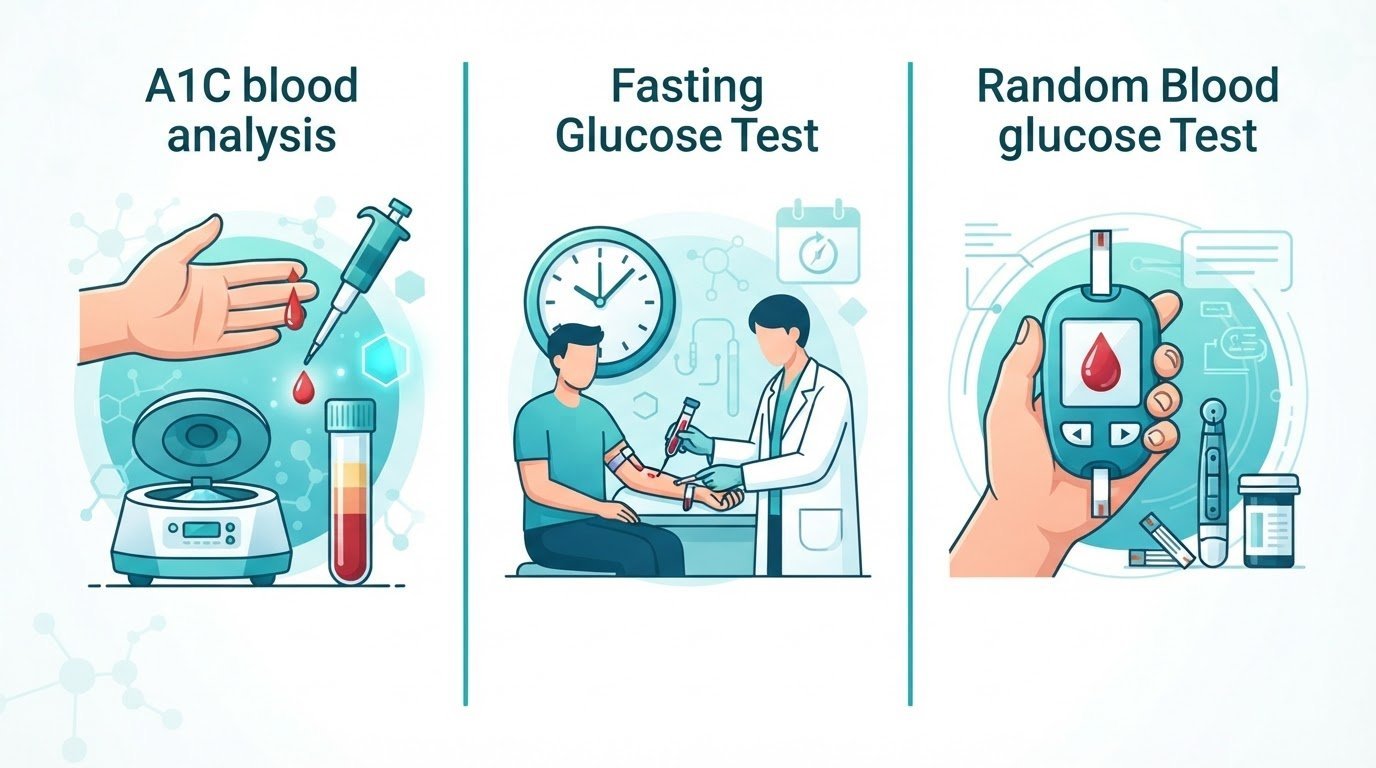
Common diabetes tests are HbA1c, fasting plasma glucose, and a two-hour glucose measurement during a 75-g oral glucose tolerance test. In a person with classic hyperglycemia symptoms, a random plasma glucose result can also help establish the diagnosis under specified conditions.
| Laboratory test | Prediabetes | Diabetes |
|---|---|---|
| HbA1c | 5.7–6.4% | 6.5% or higher |
| Fasting plasma glucose | 100–125 mg/dL | 126 mg/dL or higher |
| 2-hour 75-g OGTT | 140–199 mg/dL | 200 mg/dL or higher |
These commonly used ADA thresholds apply to nonpregnant adults. In someone with classic symptoms or a hyperglycemic crisis, random laboratory plasma glucose of at least 200 mg/dL can establish diabetes. Otherwise, confirmation through additional qualifying abnormal results is generally needed. Pregnancy and conditions affecting HbA1c accuracy require different considerations.
A home glucose meter may provide useful information, but a single reading cannot reliably diagnose or exclude diabetes. For more details about test preparation, laboratory confirmation and results that disagree, read Diabetes Diagnosis: Which Tests Are Used?.
8. What If Blood Sugar Is Normal but Thirst Continues?
Not all persistent thirst is caused by elevated blood glucose. If initial laboratory results are reassuring but the symptom continues, the clinician may assess medications, hydration, kidney function, electrolytes, urine concentration, and possible dry-mouth conditions. A normal glucose result does not make the symptom imaginary or unimportant.
The next tests depend on the pattern. Large volumes of very pale urine may lead the clinician to investigate water-balance disorders. Burning urine and urgency may point toward infection. A sticky mouth without large urine output may warrant reviewing medications or salivary health.
This approach fills a frequent gap in simplified articles: a thirst symptom needs its own evaluation, not only a yes-or-no blood glucose answer. Do not attempt to resolve persistent severe thirst through self-prescribed supplements or unmonitored fluid changes.
9. When Can Excessive Thirst Be an Emergency?
Most persistent thirst requires a planned or prompt assessment, but severe symptoms need urgent care. Diabetic ketoacidosis can develop when insufficient effective insulin leads to a buildup of acidic ketones. People with type 1 diabetes may be particularly vulnerable, and some people taking SGLT2 inhibitors can develop ketoacidosis without extremely high glucose.
- Repeated vomiting or abdominal pain together with intense thirst and frequent urination
- Deep, rapid, or labored breathing, sometimes with a fruity odor on the breath
- Confusion, marked sleepiness, fainting or signs of serious dehydration
- An inability to keep fluids down or rapidly worsening weakness
These combinations warrant emergency medical evaluation, not a routine fasting appointment. Severe hyperglycemia with dehydration and altered mental status can also occur in hyperosmolar hyperglycemic state. Do not delay care to complete a home checklist or wait for a glucose meter reading.
10. A Practical Thirst and Urination Tracker
For stable, non-emergency symptoms, a simple record can make an appointment more useful. Track when thirst occurs, what you drink, whether you are passing large or small amounts of urine, and any related concerns. The aim is to describe changes, not to impose a rigid water schedule.
| What to record | Helpful observation |
|---|---|
| Time and setting | Morning, evening, overnight, after exercise or meals |
| Thirst sensation | Mild, persistent, hard to satisfy, or mainly dry mouth |
| Urination pattern | Usual or increased amount; urgency, burning or night waking |
| Fluids and medicines | Approximate timing of drinks, caffeine and diuretics |
| Associated symptoms | Weight change, fatigue, fever, nausea or blurred vision |
People who have heart failure, kidney disease or another condition requiring fluid limits should follow their existing clinical instructions. A diary should never lead you to deliberately become dehydrated or drink excessive amounts of water.
11. What Helps While You Arrange Medical Assessment?
A sensible response to excessive thirst and diabetes concerns is to arrange the correct evaluation and avoid treatments based on guesses. Use ordinary hydration guidance appropriate to your health situation. If you are vomiting, confused or rapidly getting worse, seek urgent care rather than waiting.
If you already have diagnosed diabetes, follow your established sick-day and glucose-monitoring instructions and contact your healthcare team if symptoms change. Do not independently increase insulin, stop a diuretic or discontinue another medicine because an article suggested a possible cause.
For everyday prevention and symptom awareness, consistent meals, appropriate physical activity and regular screening can support long-term health, but they are not substitutes for testing when a new symptom appears. The appropriate treatment depends on whether the underlying issue is glucose, fluid loss, medication-related dryness or another condition.

12. FAQs: Excessive Thirst and Diabetes
Can excessive thirst be the first sign of diabetes?
Yes. Some people notice unusually strong thirst before they recognize that urine output has increased. Others may have diabetes with few or no noticeable symptoms.
How much thirst is too much?
There is no single number of glasses or liters that defines excessive thirst for everyone. New, persistent, or difficult-to-satisfy thirst merits review, especially with greater urine volume.
Can type 2 diabetes cause thirst without weight loss?
Yes. Symptoms vary, and weight loss does not have to be present. Only appropriate testing can determine whether glucose is elevated.
Will drinking more water lower blood sugar?
Water can help replace fluid losses, but drinking water alone does not treat diabetes or reliably normalize elevated glucose. Follow individual medical guidance.
Why am I thirsty after drinking plenty of water?
The cause might be continued fluid loss, dry mouth, medicines, salt intake, glucose-related urination or another issue. The history and examination determine which tests are relevant.
Can anxiety cause dry mouth that feels like thirst?
Stress and anxiety can contribute to mouth dryness. That possibility should not be assumed without considering other symptoms and medical causes.
Is diabetes insipidus the same as type 1 or type 2 diabetes?
No. Diabetes insipidus is a water-regulation disorder, whereas diabetes mellitus involves blood glucose. The conditions require different evaluations and treatments.
Should I get tested if thirst is my only symptom?
If the change is persistent, unexplained or concerning, discuss an appropriate assessment with a clinician. Testing decisions depend on risk, symptoms and clinical context.
Conclusion: Find the Cause, Not Just More Water
The connection between excessive thirst and diabetes is medically important, yet it is not a complete diagnosis. High blood sugar can lead to water loss through urine and produce a persistent urge to drink. Similar sensations can also arise from dehydration, medicines, dry mouth or a less common water-balance disorder.
Notice what is changing, describe the timing and other symptoms, and seek appropriate laboratory assessment. When serious warning signs appear, prioritize emergency care. For non-urgent problems, a clear diagnosis and individualized treatment plan are more useful than trying to suppress thirst without understanding its cause.
Scientific References