Diabetes Symptoms in Women: Signs to Know
Early Signs of Diabetes in Women


Noticing unexplained thirst, needing the bathroom more often, or repeated infections can be worrying. Diabetes symptoms in women overlap with many everyday health problems, so knowing the warning signs—and knowing what does not prove diabetes—can help you seek the right test.
Thank you for reading this post, don't forget to subscribe!This research-based guide explains early signs of diabetes in women, female-specific concerns, pregnancy and menopause considerations, diagnosis, and safe next steps. It uses guidance from the CDC, NIDDK, and the American Diabetes Association rather than unverified stories or alarming claims.
Diabetes Symptoms in Women: Quick Answer
Diabetes symptoms in women may include unusual thirst, frequent urination, fatigue, unexplained weight loss, blurry vision, slow-healing cuts and repeated infections. Vaginal yeast infections and urinary tract infections can occur more often when glucose is high, although neither symptom alone proves diabetes. Some women with type 2 diabetes have few obvious symptoms. A clinician can arrange laboratory tests rather than relying on a symptom checklist.
Symptoms may develop gradually over months or appear rapidly, particularly in type 1 diabetes. Pregnancy-related diabetes often has no noticeable symptoms. If you are pregnant, follow your prenatal screening schedule even if you feel completely well.
Why Diabetes Symptoms in Women Can Be Missed
Diabetes occurs when blood glucose stays elevated because insulin is absent, insufficient or unable to work effectively. The body may try to eliminate extra glucose through urine, which can increase thirst and urination. Symptoms overlap with common conditions such as urinary infections, menopause-related changes, anemia, sleep difficulties, thyroid disorders and medication effects. That overlap can delay testing.
There is no reliable “female-only” symptom that confirms diabetes. A cluster of persistent changes, particularly alongside known risk factors, is a stronger reason to seek testing. Type 2 diabetes may also be identified during routine screening before symptoms appear. Learning the early signs of diabetes can help readers recognize when medical assessment is appropriate.
Early Signs of Diabetes in Women: Seven Common Changes

1. Frequent urination, including at night
High blood glucose can increase the amount of water passed in urine. You may wake more often at night or notice larger volumes than usual. Burning, pelvic pain, fever or cloudy urine may instead indicate an infection and needs its own evaluation.
2. Excessive thirst and a dry mouth
Fluid loss can create persistent thirst despite drinking. Dry mouth has other causes, including medicines and dehydration; pairing this symptom with frequent urination is a reason to ask about glucose testing.
3. Unusual tiredness
Fatigue can accompany hyperglycemia, dehydration or disturbed sleep from night-time urination. Yet fatigue is nonspecific: iron deficiency, mental health conditions, sleep disorders and thyroid disease may also contribute. An assessment should consider more than diabetes alone.
4. Blurred or fluctuating vision
Changes in glucose may temporarily alter fluid balance in the eye and blur vision. Persistent, sudden or severe changes need prompt eye assessment. Do not assume that an eye problem is merely a harmless glucose fluctuation.
5. Unexplained weight loss
Unintentional loss of weight despite usual food intake can indicate a significant insulin deficiency. It deserves prompt testing, particularly with marked thirst, frequent urination, nausea or weakness. This pattern can occur in type 1 diabetes at any age.
6. Slow-healing wounds or repeated skin infections
High glucose can interfere with immune function and wound healing. A cut that worsens, becomes red or produces discharge requires medical attention. A single slow-healing cut cannot establish a diagnosis by itself.
7. Tingling or numbness
Long-standing elevated glucose can damage nerves, but tingling has many possible causes, including vitamin deficiencies and nerve compression. New symptoms warrant appropriate assessment rather than self-diagnosis.
Early signs of diabetes in women should be interpreted as possible clues, not as a mandatory list. Some people report only one change, while others notice none at all.
Diabetes Symptoms in Women: Vaginal and Urinary Changes
Recurring vaginal yeast infections
Women with diabetes have a higher likelihood of vaginal candidiasis, particularly when glucose is persistently high. Itching, redness, soreness and altered discharge can occur. However, these symptoms can also resemble bacterial vaginosis, irritation or sexually transmitted infections. Recurrent symptoms should be examined rather than treated repeatedly without a confirmed diagnosis.
Frequent urinary tract infections
Diabetes can increase the risk of urinary tract infections. UTI symptoms include burning urination, urgency and lower abdominal discomfort; fever and flank pain may suggest a kidney infection. Importantly, urinating frequently because of high glucose does not necessarily mean a UTI. The two problems require different tests.
Sexual discomfort and vaginal dryness
Diabetes-related nerve, blood-vessel and infection problems may contribute to vaginal dryness or painful sex, but menopause, medicines, hormonal changes and other conditions also matter. These symptoms are treatable medical concerns and should not be used alone to label someone diabetic.
For women with repeated genital infections, clinicians may consider diabetes screening when appropriate, while also testing for local causes. The CDC and NIDDK both identify greater susceptibility to yeast and urinary infections among women living with diabetes.
Skin Signs and Insulin Resistance
Some people develop darker, velvety skin in the neck, underarms or groin, called acanthosis nigricans. It may be associated with insulin resistance but is not itself a diabetes diagnosis. Skin tags may occur alongside metabolic risk factors; neither skin tags nor pigmentation prove high glucose. Dry, itchy skin also has many non-diabetes causes.
Be cautious of viral posts claiming that every dark patch or itching episode signals diabetes. Skin color changes should be evaluated in context, particularly if they develop rapidly or are accompanied by other concerning symptoms.
Diabetes Symptoms in Women in Their 20s, 30s, 40s and After Menopause
Younger adults and women with PCOS
Polycystic ovary syndrome is associated with insulin resistance and a higher risk of type 2 diabetes. Irregular periods, acne or excess facial hair are not diabetes symptoms on their own; they can be reasons to assess PCOS and metabolic risk. People with PCOS may need glucose testing even without classic thirst or urinary symptoms.
After age 40 and during menopause
Hormonal transitions, changing sleep patterns and body composition can complicate how fatigue, night-time urination and weight changes are interpreted. Menopause does not automatically cause diabetes. Discuss blood glucose screening based on age, risk and symptoms instead of assuming every change is hormonal.
Older women
Symptoms may be subtle or overlap with medication effects, dehydration and other chronic conditions. Unexpected confusion, worsening weakness, falls or recurrent infections should receive clinical attention, especially when accompanied by thirst or dehydration.
Across all ages, diagnostic testing—not age stereotypes—determines whether glucose is elevated.
Diabetes Symptoms in Women During Pregnancy

Gestational diabetes usually causes no noticeable symptoms. Routine screening is therefore central to prenatal care. In many systems, testing is typically performed between 24 and 28 weeks, with earlier testing for some people who have risk factors or possible pre-existing diabetes. Pregnancy itself commonly causes fatigue and more frequent urination, so symptoms cannot distinguish gestational diabetes from ordinary pregnancy changes.
Someone with a previous history of gestational diabetes needs follow-up testing after childbirth and longer-term screening because future type 2 diabetes risk is higher. For pregnancy-specific guidance, read the BBH gestational diabetes guide. Speak with an obstetric clinician about the correct local screening protocol.
Type 1 vs Type 2 Diabetes Symptoms in Women
Type 1 diabetes is an autoimmune condition that can arise in girls or adult women. Symptoms such as severe thirst, frequent urination, rapid weight loss and fatigue may develop relatively quickly. Type 2 diabetes often develops more gradually and can be present without obvious symptoms. A person’s age or body weight alone cannot establish the diabetes type.
A clinician may use clinical history, glucose testing, ketone testing and, in selected situations, autoantibodies or C-peptide to clarify the type. Read Type 1 vs Type 2 Diabetes: Key Differences for more background.
How Doctors Test for Diabetes Symptoms in Women
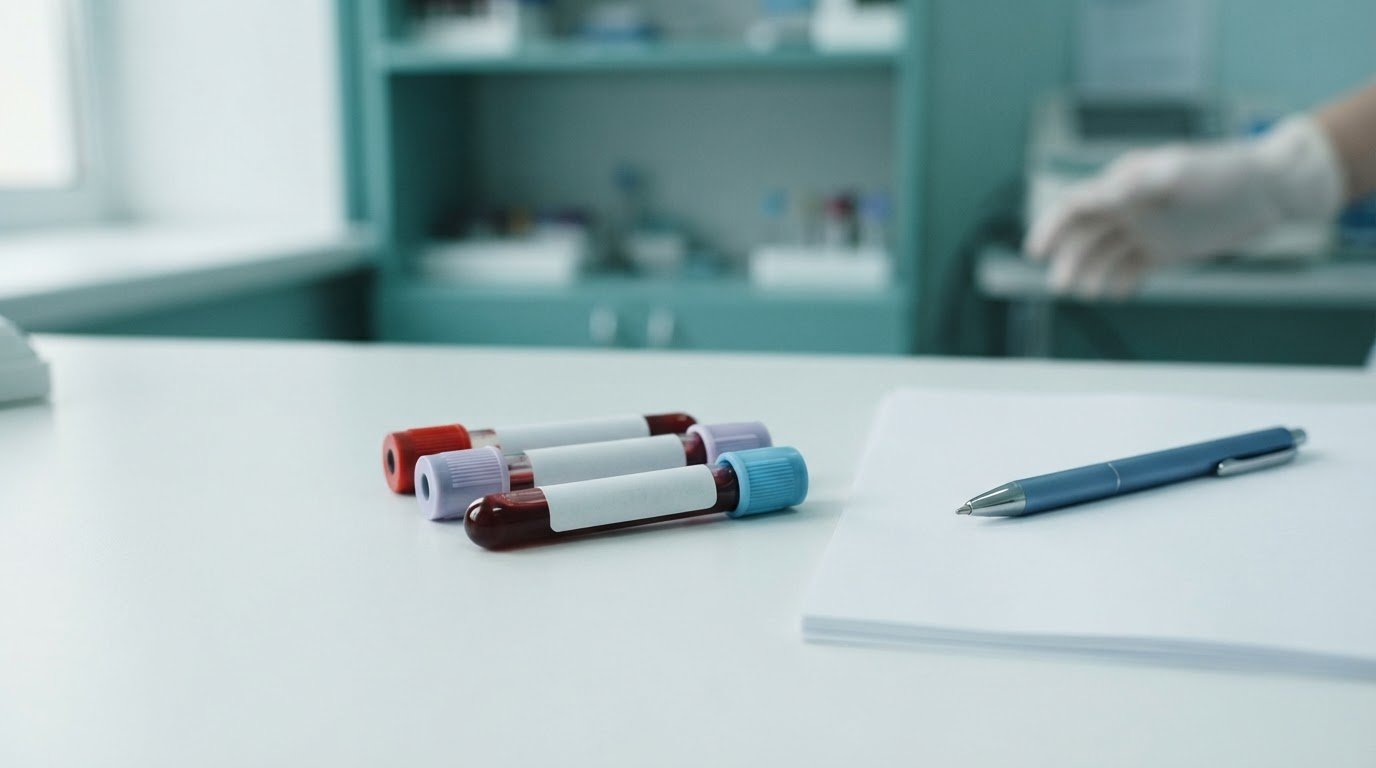
A1C or HbA1c blood test
The A1C reflects average glucose exposure over approximately two to three months. For nonpregnant adults, an A1C of 5.7–6.4% falls in the ADA prediabetes range; 6.5% or above meets a diabetes threshold. Some conditions—including altered red-cell lifespan and certain hemoglobin variants—can affect accuracy.
Fasting plasma glucose
A laboratory fasting glucose of 100–125 mg/dL (5.6–6.9 mmol/L) indicates prediabetes under ADA criteria, while 126 mg/dL (7.0 mmol/L) or higher is in the diabetes range.
Oral glucose tolerance test (OGTT)
For a standard 75-gram test in nonpregnant adults, a two-hour value of 140–199 mg/dL falls in the prediabetes range and 200 mg/dL or higher is in the diabetes range. Pregnancy follows separate thresholds and testing protocols.
Random plasma glucose and confirmation
A random plasma glucose of at least 200 mg/dL together with classic symptoms or a hyperglycemic crisis may establish diabetes. In other circumstances, clinicians ordinarily confirm the result with another qualifying laboratory result. A home glucose-meter reading is not generally a substitute for formal laboratory diagnosis.
For detailed testing explanations, including limitations, visit the BBH diabetes diagnosis tests article once published. Testing thresholds alone cannot determine the type or cause of diabetes.
Who Should Ask for Diabetes Screening?
People with symptoms should ask a healthcare professional about testing promptly. Screening is also considered for adults based on age and risk factors, including family history, previous gestational diabetes, PCOS, overweight or other signs of insulin resistance. Different national guidelines use somewhat different starting ages and intervals; a clinician can apply the guidance relevant to your country and circumstances.
In the United States, routine screening is recommended beginning at age 35 for many adults, with earlier assessment for those at higher risk. Readers in the United Kingdom, Canada, Australia and India should follow locally applicable guidance. A previous normal result is not a lifetime guarantee—new symptoms or changes in risk may justify retesting.
Symptoms That May Look Like Diabetes but Have Other Causes
Thirst: hot weather, dehydration, some medicines and other medical disorders can cause it.
Frequent urination: pregnancy, UTIs, bladder conditions, caffeine and medicines may be involved.
Fatigue: insufficient sleep, anemia, thyroid disease, depression or other illnesses may contribute.
Vaginal symptoms: yeast infections, bacterial vaginosis, irritation and sexually transmitted infections can overlap.
Weight change: thyroid disease, nutrition changes and other serious conditions should also be considered.
This comparison is not intended to encourage self-diagnosis. It explains why a symptom-focused appointment and targeted tests are more valuable than searching for one decisive sign.
When Diabetes Symptoms in Women Are an Emergency
Seek emergency medical care for vomiting, severe abdominal pain, deep or rapid breathing, fruity-smelling breath, marked drowsiness, confusion or inability to keep fluids down—especially with thirst and frequent urination. These can occur with diabetic ketoacidosis, including in someone who has not previously been diagnosed. Severe dehydration or altered consciousness also requires emergency assessment.
If you already take diabetes medicines, low blood glucose can cause sweating, shaking, dizziness and confusion. That is a different problem from high glucose and may also require urgent help. Do not delay care in order to complete a home symptom checklist.
What to Do if You Notice Diabetes Symptoms in Women
Step 1: Write down the symptoms
Record when thirst, night-time urination, tiredness, infections or visual changes began. Include frequency, duration and whether they are getting worse.
Step 2: Book an appropriate appointment
Tell the clinician if you are pregnant, have a history of gestational diabetes, have PCOS or take medicines that can affect glucose. Report sudden weight loss, severe weakness or any urgent symptoms immediately.
Step 3: Ask which laboratory test fits
Discuss A1C, fasting plasma glucose or OGTT, as appropriate. Ask whether fasting or repeat testing is needed, and whether other conditions could explain the symptoms.
Step 4: Review results with a professional
Keep a copy of the report and understand whether your result is normal, in a prediabetes range or meets diabetes criteria. If results disagree, ask about causes of test inaccuracy and next steps.
Step 5: Make a follow-up plan
Follow-up may include nutrition counseling, movement appropriate to your health, medications and screening for complications. No woman should be expected to manage a new diagnosis using internet advice alone.
The goal is timely clarification, not alarm. Most everyday symptoms are not specific to diabetes, but persistent combinations are worth checking.
Frequently Asked Questions About Diabetes Symptoms in Women
What are the first signs of diabetes in women?
Frequent urination, thirst, tiredness and blurred vision are common signs. Recurring yeast or urinary infections may be associated with high glucose, but laboratory tests are needed.
Can a woman have diabetes without knowing it?
Yes. Type 2 diabetes can develop with minimal symptoms, so risk-based screening matters.
Are yeast infections proof of diabetes?
No. Yeast infections are common for many reasons. Repeated infections may justify considering diabetes screening along with an examination for other causes.
Does diabetes cause irregular periods?
Glucose-related health problems can interact with reproductive health, but irregular periods have many causes, including PCOS, pregnancy, stress and thyroid disease. Menstrual changes alone cannot diagnose diabetes.
Does diabetes cause vaginal itching?
High glucose can increase susceptibility to vaginal candidiasis, which may cause itching; other infections and irritation may also cause it.
Are symptoms different after menopause?
The main diabetes symptoms remain broadly similar. Menopause-related changes can overlap with fatigue, urinary symptoms and sleep problems, making testing useful when risk is present.
Can gestational diabetes occur without symptoms?
Yes. Most cases are identified through prenatal screening rather than obvious symptoms.
How quickly should I see a doctor?
Arrange prompt assessment for persistent symptoms, especially unexplained weight loss. Seek immediate care for the emergency signs described above.
If you remain uncertain after reading this guide, the safest next step is an individualized discussion with a qualified clinician.
Scientific References
- CDC: Symptoms of Diabetes
- CDC: Diabetes and Women
- NIDDK: Symptoms & Causes
- NIDDK: Sexual & Bladder Problems
- ADA: Standards of Care in Diabetes—2026
- CDC: Gestational Diabetes
Medical disclaimer: This article is educational and cannot diagnose or treat diabetes. Seek urgent care for severe symptoms. Do not change prescribed medicine based on online content. Scientific sources are provided for transparency; independent clinical review is not claimed.
Written by Shubhangi Halande · Bio and Brain Health Info (BBH) · Physical Health → Diabetes & Blood Sugar