Itchy Skin and Diabetes: Possible Links
Can Diabetes Cause Itchy Skin?

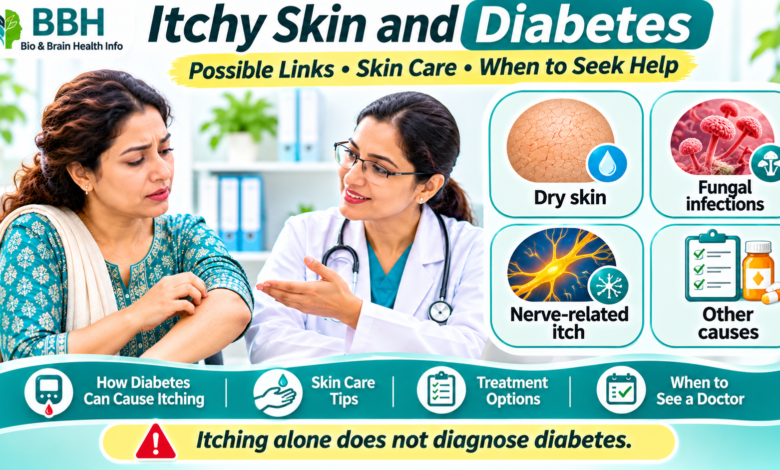
BBH Physical Health · Diabetes & Blood Sugar · Evidence-based health education
Thank you for reading this post, don't forget to subscribe!An itchy patch can interrupt an ordinary day. You may notice yourself scratching your legs after a shower, feeling uncomfortable beneath clothing, or repeatedly checking an irritated area that will not settle. Diabetes is one possible part of the explanation, but itching is common and has many different causes.
The relationship between itchy skin and diabetes can involve dryness, fungal infections, changes in nerve function or other medical conditions. Some people with diabetes experience more than one skin problem at once. Itching is not a reliable way to estimate blood sugar, and having itchy skin does not mean that someone has diabetes.
This article explains which patterns matter, why a rash and an itch without a rash require different thinking, how to care for the skin barrier and when professional diagnosis is important. It also addresses a practical question often missed in short articles: what if an itch continues despite moisturizing or better glucose management?
1. How Can Diabetes Be Connected to Itchy Skin?
Skin is a protective organ that limits water loss, helps regulate temperature and provides a barrier against germs. Diabetes can affect several processes relevant to skin health, including fluid balance, circulation, immune responses and nerve function. A person may therefore develop skin concerns through different pathways rather than one universal diabetes rash.
High glucose can be associated with increased urination and dehydration, which may worsen a tendency toward dry skin. Diabetes also raises the risk of certain infections, and long-term complications involving nerves or blood vessels can influence the way the skin feels and heals.
Not all these mechanisms occur in every person. The American Diabetes Association and CDC discuss dry skin and infections as common concerns, but an individual’s symptoms must be evaluated on their own merits. Other causes such as eczema or irritants may be more likely.
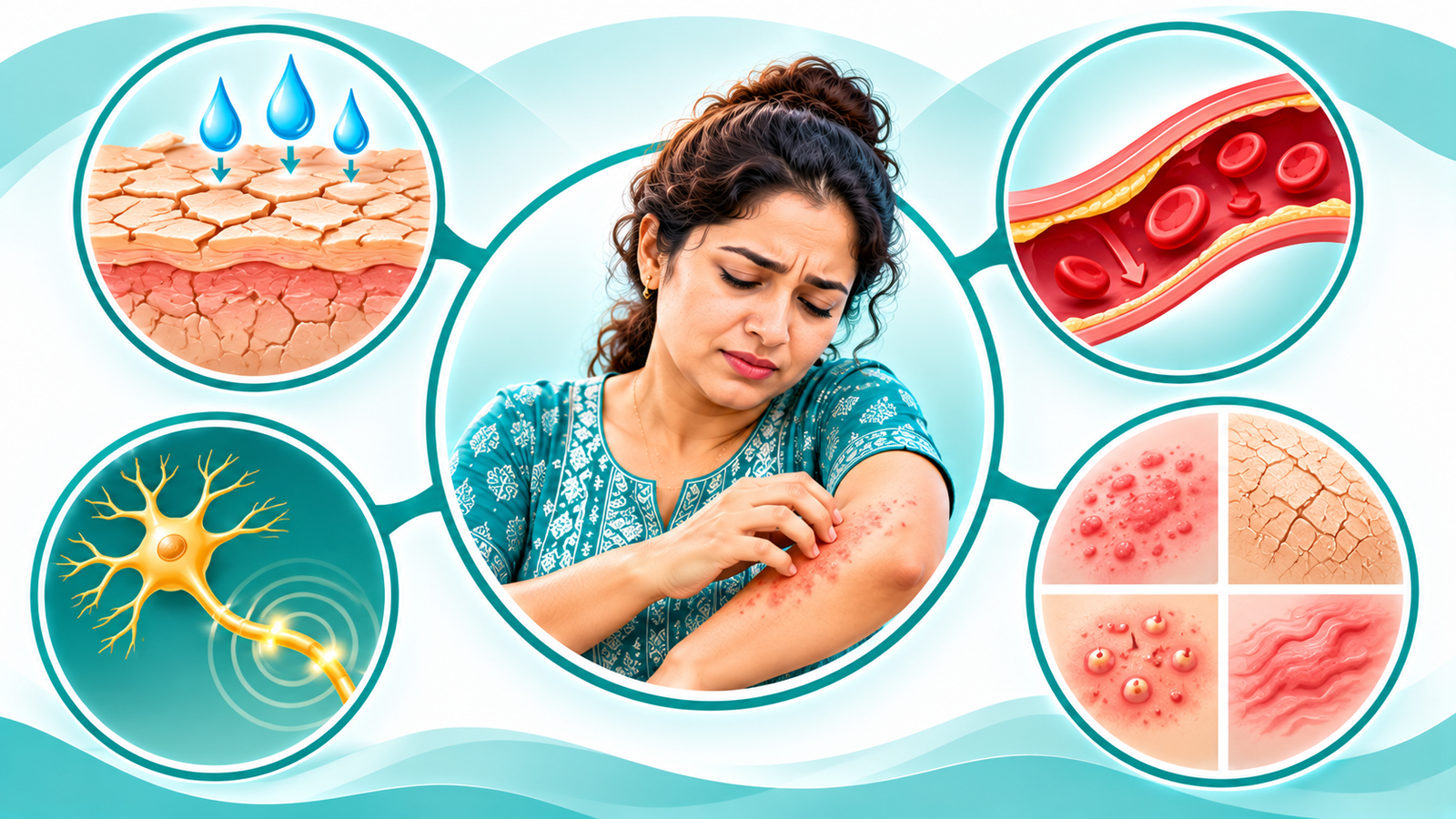
The question is therefore not merely whether itchy skin and diabetes can occur together. It is whether the person’s history, examination and other symptoms suggest a specific skin disease, glucose problem, medication reaction or an unrelated condition.
2. Dry Skin: A Common Reason for Itching
Dry skin, called xerosis, is among the more straightforward reasons someone may itch. When the outer skin barrier loses moisture, its surface can become rough, flaky or cracked. Scratching may then create tiny breaks that irritate the skin further and increase the risk of infection.
Hot showers, frequent handwashing, harsh soaps, cold weather and low humidity can worsen dryness even in people without diabetes. In some people with diabetes, dehydration, impaired sweating or circulation issues may make the problem more troublesome.
Look at the skin itself: dry patches may appear pale or ashy, scaly or rough, although their appearance differs across skin tones. An itch can continue even without a bright red rash. Moisturizing may help dryness, but it will not treat every cause of itching.
One reason itchy skin and diabetes are sometimes discussed together is that dry skin is frequent among people with diabetes. This association does not show that a particular itchy patch is caused by glucose. Persistent changes deserve a proper clinical assessment.
3. Fungal and Bacterial Skin Infections
Certain fungal infections are more common in people with diabetes, especially when glucose management is difficult or other risk factors are present. Fungal conditions may affect skin folds, the groin, feet or genital areas. They can cause itching, redness, scaling, soreness or a rash with a characteristic edge.
An athlete’s foot infection may affect the spaces between toes, while candidal infection can involve moist skin folds. Vaginal yeast infections may cause itching or discharge; balanitis can cause irritation around the glans or foreskin. These problems also occur in people without diabetes.
Bacterial skin infections often present differently, with increasing pain, warmth, swelling, redness, pus or tender nodules. Fever or rapidly spreading inflammation is more concerning. It is important not to apply a steroid cream repeatedly to a possible fungal infection without professional advice, because inappropriate treatment can make some infections harder to recognize or manage.
An examination, and occasionally a sample or laboratory test, helps distinguish fungal, bacterial and inflammatory causes. In some people, recurring infections prompt consideration of diabetes screening, but an isolated infection does not establish a diabetes diagnosis.
4. Can Nerve Changes Cause Itching Without a Visible Rash?
Itching does not always originate from inflammation on the skin surface. Nerves help transmit itch, touch and pain sensations. When nerve signaling is altered, a person may notice itching, burning, tingling or unusual sensitivity even when the area looks relatively normal.
Diabetic neuropathy can produce abnormal sensations, most commonly involving the feet and legs. Research has also described neuropathic itching in some people with diabetes, although itch is not specific enough to diagnose neuropathy from symptoms alone.
The location, distribution and presence of numbness matter. A persistent one-sided patch, generalized itching or symptoms accompanying pain may require different investigations. A clinician may examine sensation, reflexes and skin health when appropriate.
Not every unexplained itch represents nerve damage. Dry skin, medicines and systemic conditions can also cause itching without a conspicuous rash. This uncertainty is why itchy skin and diabetes should not be treated as one diagnosis when there may be several overlapping explanations.
5. Where Might Diabetes-Associated Itching Occur?
People often ask whether itching on the legs, feet, groin or back specifically points to diabetes. The location can be useful for identifying possible causes, but no location is diagnostic by itself. Dryness is common on the shins and arms, while fungal infections may prefer warm, moist areas.
Itchy feet can result from athlete’s foot, eczema, skin dryness or other problems. In a person with diabetes, foot changes deserve particular care because reduced sensation or impaired circulation can make small injuries harder to notice.
Genital itching may arise from a yeast infection, dermatitis, irritants or sexually transmitted infections. It should not automatically be attributed to blood glucose; a clinician can assess whether testing or specific treatment is needed.
Widespread itching without an obvious rash suggests a broader evaluation if it persists. In people with more advanced kidney disease, itching can be substantial, but itch alone does not establish diabetic kidney disease. History and tests are needed.
6. Other Causes of Itchy Skin Besides Diabetes
A critical content gap is the tendency to describe every persistent itch as a sign of poor diabetes control. Eczema, allergic contact dermatitis, psoriasis, scabies, insect bites, new detergents and environmental dryness are common alternative explanations.
Medicines may cause itching through allergy, irritation or other reactions. Some diabetes treatments, particularly SGLT2 inhibitors, can increase the likelihood of genital yeast infections. Changes in medicines should be reviewed with a clinician; stopping a diabetes medicine independently can create other health risks.
Systemic illnesses including some thyroid, liver and kidney disorders can also cause persistent itching. These possibilities are assessed according to the person’s symptoms and examination rather than assumed to apply to every itchy patient.
If itching lasts longer than expected, interrupts sleep, affects much of the body or returns repeatedly, a healthcare professional may decide to evaluate it. The most useful explanation is the one supported by the examination, not the one that sounds most familiar online.
7. Should Itchy Skin Lead to Diabetes Testing?
An itch by itself is neither a diabetes screening test nor a reliable sign that glucose is high. But testing may be reasonable when itching occurs alongside classic hyperglycemia concerns, such as increased thirst, unusually frequent urination, unexplained weight loss or recurrent infections.
In nonpregnant adults, established ADA diagnostic thresholds include HbA1c of 6.5% or higher, fasting plasma glucose of 126 mg/dL or higher, and a two-hour 75-g oral glucose tolerance result of 200 mg/dL or higher. Specific confirmation rules apply.
A random laboratory plasma glucose of at least 200 mg/dL may establish diabetes when classic symptoms or a hyperglycemic crisis are present. In other situations, confirmation with a second qualifying abnormal result is generally necessary. Pregnancy and certain blood conditions require different approaches.
For a practical explanation of test preparation and interpretation, see Diabetes Diagnosis: Which Tests Are Used?. If symptoms are otherwise absent, Can You Have Diabetes Without Symptoms? explains the role of screening based on age and individual risk.
8. Gentle Daily Skin Care That May Help
Skin care can reduce avoidable irritation, particularly when dryness is the likely cause. The American Academy of Dermatology recommends gentle cleansing, moisturizing soon after bathing and protecting the skin from injury. Warm rather than very hot water may be more comfortable.
Choose a fragrance-free cream or ointment suitable for sensitive skin. Apply it to slightly damp skin after washing and again when dry. Avoid vigorous scrubbing or aggressive scratching, which can create cracks that allow infection to develop.
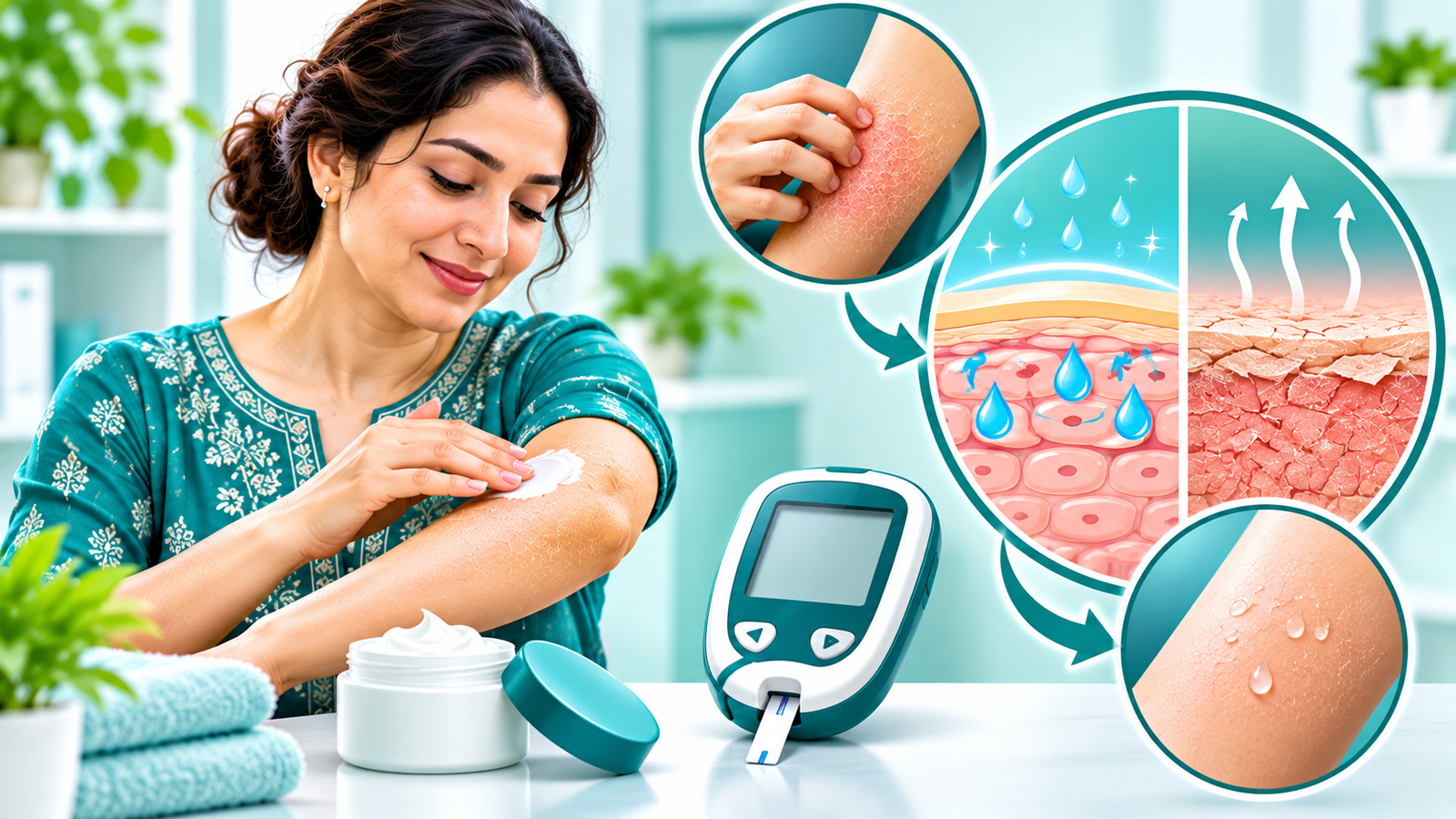
Keep folds clean and comfortably dry, and pay attention to foot care. If you have neuropathy or wounds, avoid heating pads, very hot water or self-removal of thickened skin, because impaired sensation can increase injury risk.
These measures are useful for some forms of itchy skin and diabetes but are not cures for fungal infection, eczema or kidney-related pruritus. If itching continues despite appropriate care, obtain a diagnosis instead of layering on multiple unverified products.
9. How Doctors Choose Treatment for Persistent Itching
The treatment depends on the cause. Dryness may respond to consistent emollient use. Eczema or dermatitis might require a targeted anti-inflammatory treatment. A fungal infection generally needs an antifungal medicine, whereas a bacterial infection may require a different approach.
For people with established diabetes, the clinician may review glucose patterns, medicines, foot care and complications. If symptoms suggest nerve-related itch or advanced kidney disease, care may involve specialists and treatments beyond ordinary moisturizer.

Antihistamines do not reliably relieve every type of chronic itch, and drowsiness can be an important side effect. The treatment for a rash near the eyes, genitals or an open wound may differ from treatment for intact skin on the arms.
When itchy skin and diabetes appear together, the best next step is not automatically stronger cream or higher diabetes medication doses. It is to identify whether there is infection, inflammation, dryness, a nerve problem or another medical condition.
10. When Is an Itchy Rash Urgent?
Most dry or itchy patches can be assessed through an ordinary appointment, but an infected or rapidly changing area can become serious. Seek prompt medical review for spreading redness, warmth, pain, pus, fever or a wound that is not healing.
Rapid swelling of the lips or tongue, breathing difficulty, widespread blistering, extensive skin peeling or severe illness associated with a rash requires emergency evaluation. These symptoms may indicate a serious allergic reaction or another dangerous skin condition.
A new foot wound in someone with diabetes deserves particular attention, especially if sensation is reduced. Do not ignore a blister or an ulcer just because it is not painful.
Severe itching accompanied by jaundice, unexplained weight loss, dark urine or other systemic symptoms also warrants timely assessment. These signs should not be attributed automatically to diabetes.
11. A Useful Itching and Skin-Care Diary
Recording the pattern for a few days can help distinguish irritants from persistent medical problems. Note where itching occurs, whether there is a rash, when symptoms worsen and which skin products or medicines were introduced recently.
Other useful details include changes in bathing products, weather, sweating, food or activities, and whether other people in the household also itch. If you already monitor glucose, bring existing records, but do not make extra treatment changes based on the itch alone.
Photos taken with consistent lighting may help document how a rash changes, provided taking them does not delay an appointment for infection or another urgent concern. Record whether there are cracks, blisters, discharge, pain or difficulty sleeping.
The diary is a communication aid, not a substitute for examination. An itch can come from more than one cause, and the response may change when new symptoms appear.
12. Frequently Asked Questions About Diabetes and Itching
Can itchy skin be the first sign of diabetes? Sometimes skin infections or other changes lead to a diabetes assessment, but itching alone is too nonspecific to diagnose diabetes.
Does high blood sugar directly cause itching? Elevated glucose may contribute indirectly through dry skin and infection risk, but not every itch is caused by high glucose.
Can diabetes cause itching without a rash? Some people experience dry-skin or neuropathic itching without a prominent rash. Other medical causes are possible.
Why do legs and feet itch in diabetes? Dryness, fungal infection, irritation and nerve-related issues are possible. Location alone cannot establish the cause.
Can a genital yeast infection indicate diabetes? Recurrent fungal infections may prompt assessment of blood glucose, but infections also occur in people without diabetes.
Will better blood sugar management stop itching? It may help reduce certain risks, but eczema, fungal infection, kidney disease and other causes may need separate treatment.
Is itching related to kidney damage? Significant kidney disease can cause pruritus, but a person cannot diagnose kidney damage from itching. Appropriate clinical tests are needed.
When should I see a doctor? Seek assessment for persistent, recurrent, extensive or painful itching, suspected infection or a wound that is not healing.
| What to record | Useful detail |
|---|---|
| Itchy area | Forearms, legs, folds, feet, scalp or elsewhere |
| Appearance | No rash, dry flakes, red patches, blisters or scaling |
| Timing and triggers | Night, after washing, sweat, clothing or new products |
| Other symptoms | Burning, numbness, pain, fever or discharge |
| Care already tried | Moisturizers, prescriptions or new medicines |
Conclusion: Investigate the Itch, Not Just the Glucose
The connection between itchy skin and diabetes is important but not straightforward. Dry skin, infections, nerve changes and other medical problems may contribute, while common conditions such as eczema or contact dermatitis are also possible. No specific itching location or severity establishes a diabetes diagnosis.
Protect your skin gently, avoid scratching damaged areas and describe persistent symptoms to a clinician. If you have diabetes, keep regular glucose and foot-care follow-up while seeking appropriate treatment for the actual skin condition. Rapidly spreading infection or severe allergic symptoms require urgent help.
Scientific References