Blurred Vision and High Blood Sugar: Causes
Can High Blood Sugar Cause Blurred Vision?

BBH Physical Health · Diabetes & Blood Sugar · Educational guide
Thank you for reading this post, don't forget to subscribe!When writing on your phone suddenly looks hazy or a familiar road sign becomes difficult to see, you may wonder whether you need new glasses. Changes in eyesight can follow ordinary focusing problems, but they can also be related to medical conditions that need prompt attention. The timing and accompanying symptoms matter.
Blurred vision and high blood sugar can be connected through temporary changes in eye focusing. Diabetes may also damage the retina over time. Those are different mechanisms with different implications, and neither can be diagnosed by the way a screen or sign looks.
This guide explains why glucose may affect eyesight, how doctors distinguish temporary focusing changes from diabetic eye disease, what screening is recommended and which warning signs need emergency care. It also addresses the often-overlooked fact that early diabetic retinal damage may develop without noticeable vision symptoms.
1. Why Can High Blood Glucose Affect Eyesight?
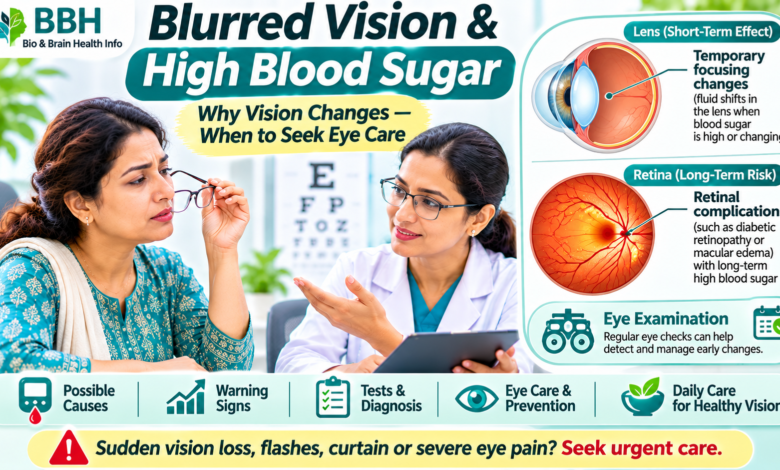
The eye focuses light through the cornea and lens onto the retina. The lens changes focusing power so images can appear clear at different distances. When glucose rises substantially or shifts quickly, changes in fluid balance can affect the lens and the way light is focused. A person may notice a temporary change in clarity.
NIDDK describes how high glucose can change fluid levels or cause swelling in tissues involved in focusing. Sometimes the effect improves when glucose becomes more stable. But an improvement in focus does not prove that the retina is healthy, nor does blur alone prove that diabetes caused it.
People do not experience an identical degree of blur at the same glucose level. Previous eye conditions, prescriptions, age and other factors also influence clarity. A clinician may need both glucose information and an actual eye examination to understand the problem.
Blurred vision and high blood sugar should therefore be considered together only as one possibility. If symptoms begin suddenly or seem severe, urgent evaluation matters more than trying to estimate a glucose value from vision.
2. Temporary Lens Changes and Retinal Damage
A temporary lens-related change and diabetic retinopathy can both make vision blurry, but they involve different parts of the eye. The first affects focusing. The second involves injury to the small blood vessels in the retina. In some people, both problems may be present.
Temporary refractive changes may fluctuate as glucose changes. Retinal disease may progress quietly and later cause distorted vision, reduced sharpness or abnormal floaters. The pattern cannot be reliably distinguished by guessing how many hours or days the symptom has lasted.
The macula is the part of the retina responsible for sharp central detail. Fluid collecting in this area is called macular edema and can affect reading or recognizing faces. An eye care professional may use retinal imaging or optical coherence tomography to investigate it.
The clinical distinction is important because a glucose-related focusing problem may settle, whereas retinal problems may require specialist monitoring, medications injected into the eye or other treatments. An examination—not self-diagnosis—determines the correct response.
3. What Is Diabetic Retinopathy?
Diabetic retinopathy develops when diabetes injures the tiny vessels supplying the retina. Over time, blood vessels can leak, become blocked or lead to abnormal new vessels. Early changes can occur without pain and without any noticeable difference in sight.
Because the disease may be silent, seeing well is not a reliable substitute for retinal screening. An individual with type 2 diabetes could already have retinopathy when diabetes is first diagnosed, especially if high glucose went unnoticed for some time.
The risk is affected by duration of diabetes, glucose control, blood pressure and other health factors. Not everyone develops sight-threatening disease. Screening creates an opportunity to identify changes and arrange treatment before significant vision loss.
Blurred vision and high blood sugar may be present in advanced retinal disease, but high glucose alone does not establish that retinopathy is present. A dilated eye examination and appropriate retinal assessment are necessary.
4. Can Blurry Vision Be an Early Diabetes Symptom?
Yes, vision changes may lead to diabetes testing. Some people notice fluctuating focus before recognizing thirst, fatigue or increased urination. Others have no symptoms at all and learn about elevated glucose through routine screening.
Visual complaints are not specific to diabetes. Eye strain, dry eye, cataracts or prescription changes may explain blurred vision, even if a person also has risk factors for diabetes. Medical assessment may therefore involve both eye examination and laboratory glucose testing.
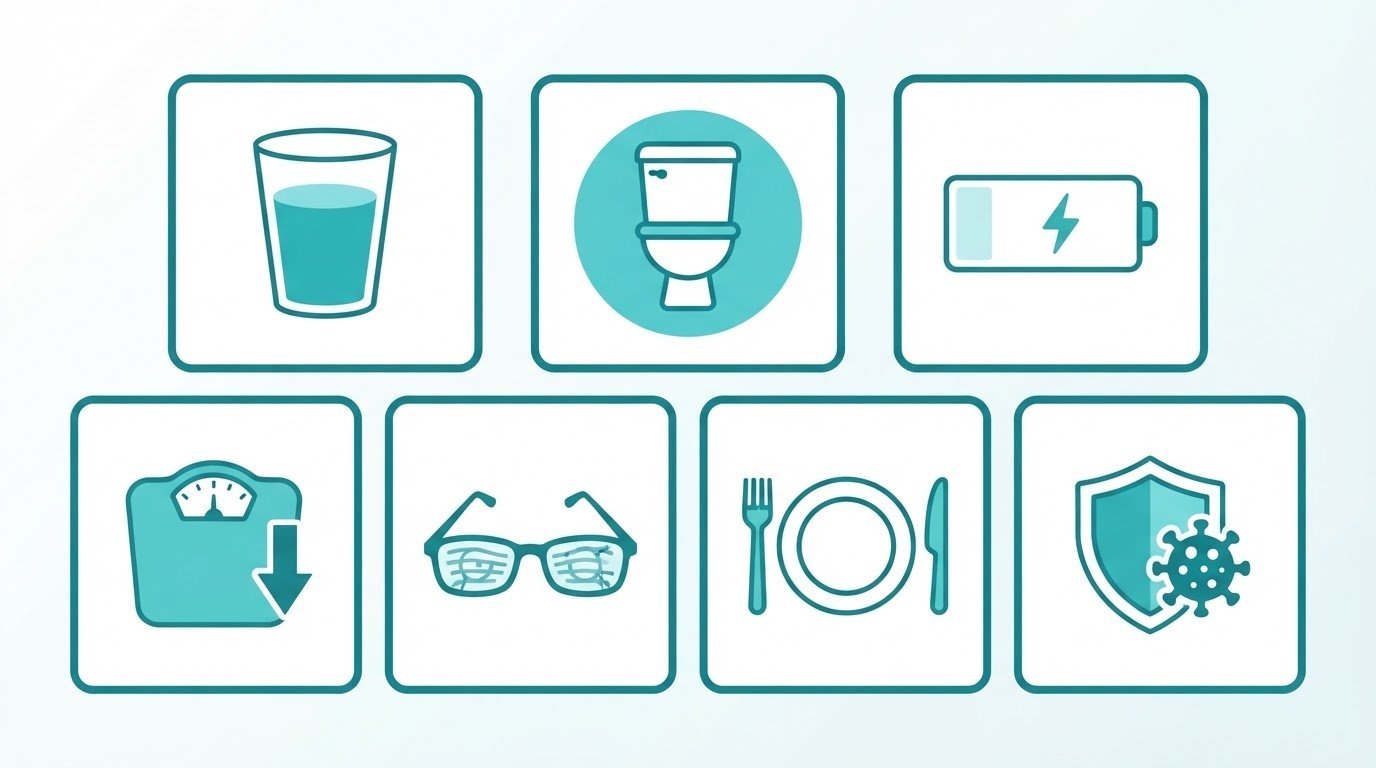
If the problem occurs alongside unusual thirst, high urine volume or unexpected weight loss, those details help the clinician decide on investigations. Learn more in Can You Have Diabetes Without Symptoms? and Unexplained Weight Loss and Diabetes.
No single age or body type rules out diabetes. Likewise, a normal-looking eye in the mirror cannot rule out retinal damage. The most useful action is to explain the pattern accurately and attend the recommended tests.
5. Other Causes of Blurred Vision
Diabetes is one explanation among many. Nearsightedness, farsightedness, astigmatism, dry eyes and cataracts are common causes of reduced clarity. Screens and prolonged visual work can make certain problems more noticeable without being the underlying cause of diabetes.
Dry eye may produce burning, grittiness and fluctuating focus. Cataracts can cause glare and gradually cloudy vision. An old glasses prescription can make road signs or small print harder to read. A qualified eye professional can examine the focusing system and eye structures.
More serious conditions include retinal detachment, acute glaucoma and problems affecting the brain or blood flow. Some cause sudden changes, pain or missing areas of sight. These require timely or emergency assessment rather than routine self-care.
Having diabetes does not prevent a person from developing these unrelated conditions. It is therefore unsafe to attribute every new visual symptom to glucose, even if earlier episodes improved when glucose became more stable.
6. Which Symptoms Need Urgent Eye Care?
Sudden vision loss is a medical emergency. New flashes of light, a sudden increase in floaters or a dark curtain covering part of the visual field may indicate retinal detachment. The National Eye Institute warns that delaying treatment can increase the risk of permanent damage.
Severe eye pain, especially with redness, nausea or headache, also requires urgent assessment. Vision changes occurring with facial weakness, speech trouble or loss of strength may indicate a neurological emergency such as stroke.
Do not drive when eyesight is suddenly impaired. Seek emergency services or urgent ophthalmic evaluation according to the symptoms. Waiting for blood glucose to improve is not an appropriate response to sudden sight loss.
Although blurred vision and high blood sugar can coexist, the presence of diabetes never rules out retinal detachment, stroke or another urgent condition. Prompt professional assessment helps protect vision.
7. How Often Should Diabetic Eye Exams Be Done?
The ADA 2026 Standards of Care recommend a comprehensive eye examination at diagnosis for people with type 2 diabetes. For type 1 diabetes, the first dilated comprehensive examination is generally recommended within five years of diagnosis. Children and pregnancy can require different approaches.
Annual examinations are common. For selected people with one or more normal annual eye exams, no retinopathy and glycemic indicators within their target range, an interval of one to two years may be considered. An eye care professional recommends the schedule according to findings.
People who already have retinopathy or macular edema may require closer monitoring. Those with preexisting type 1 or type 2 diabetes who become pregnant may need an eye exam before pregnancy and early during pregnancy, with additional monitoring as advised.
Dilated examinations allow the clinician to inspect retinal blood vessels. Retinal photographs or OCT may be used. Because dilating drops can temporarily blur near vision, ask the clinic about driving and transportation after the visit.
Why eye screening and symptom-based visits serve different purposes
Routine diabetic retinal screening looks for changes that may be present before vision becomes blurry. A symptom-based examination investigates a change that is already happening. Someone with sudden changes needs assessment immediately, even if a routine screening appointment is already booked for a later date. Conversely, a person who feels that eyesight is perfect should still attend recommended diabetic eye checks. These two paths complement each other rather than replace each other.
When discussing blurred vision and high blood sugar, ask the eye care professional whether the concern involves lens focusing, retinal vessels, the macula or another structure. The answer may affect whether you need a new prescription, an eye scan, a referral or follow-up once glucose is more stable. Understanding the reason for the symptom is more useful than relying on its intensity alone.
8. Which Blood Sugar Tests Are Relevant?
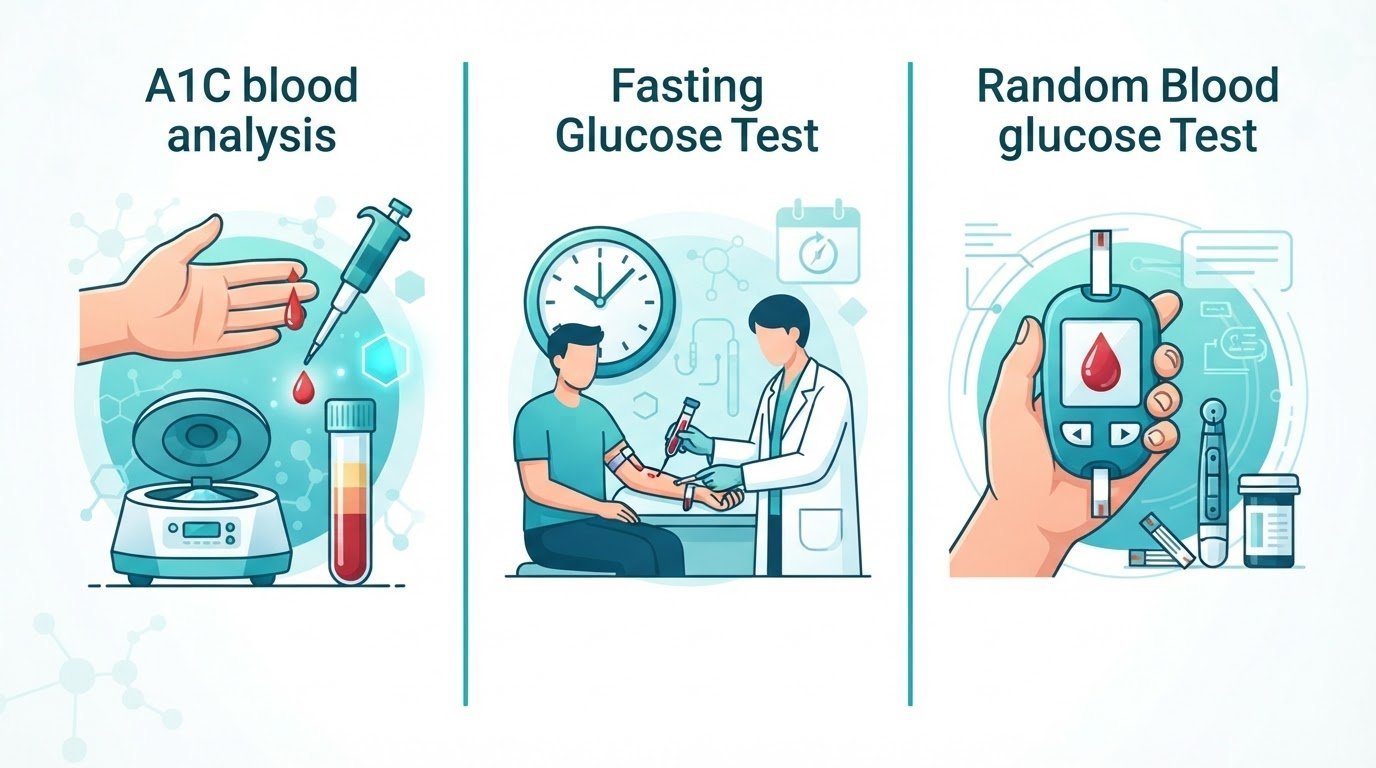
Blurred vision and high blood sugar cannot be linked reliably by symptoms alone. Clinicians may use HbA1c, fasting plasma glucose or a 75-g oral glucose tolerance test to diagnose diabetes, alongside medical history and examination.
For nonpregnant adults, ADA diagnostic values include an HbA1c of 6.5% or higher, fasting plasma glucose of 126 mg/dL or higher, or a two-hour oral glucose tolerance value of 200 mg/dL or higher. These thresholds have specific interpretation and confirmation rules.
A random laboratory glucose of at least 200 mg/dL can establish diabetes when classic hyperglycemia symptoms or crisis are present. Otherwise, confirmation with another qualifying abnormal result is generally necessary. Some blood disorders affect HbA1c accuracy.
A home glucose meter may help someone with diagnosed diabetes manage treatment, but it cannot inspect retinal health. For detailed testing guidance, see Diabetes Diagnosis: Which Tests Are Used?.
9. Will Vision Recover When Glucose Improves?
Temporary lens-related blurring may improve as glucose becomes more stable. The timing varies, and symptoms cannot predict a fixed number of days until normal focus returns. Changes can sometimes occur during treatment adjustments as well as during periods of elevated glucose.
Eye conditions such as diabetic macular edema, cataracts or other retinal disease do not necessarily resolve because a glucose number improves. A specialist may need to assess and treat them separately.
If an existing glasses prescription seems wrong during substantial glucose changes, an eye professional may consider reviewing it once glucose stabilizes. This is not a reason to postpone an eye examination when new symptoms occur.
The most appropriate goal is accurate diagnosis and follow-up, not trying to force eyesight to change by altering medication doses. Do not independently stop or increase insulin or other glucose-lowering medicines.
10. How to Describe Vision Changes to Your Clinician
A short record helps identify patterns in non-emergency cases. Note the time when blurring starts, whether it is sudden or gradual, which eye is affected, and whether near vision or distance vision is more difficult.
Also note eye pain, flashes, new floaters, shadows, headache, recent medicines and any glucose readings already collected under an established monitoring plan. Bring your glasses and medication list to the appointment.
Symptoms that interfere with driving or navigating require caution. Avoid potentially dangerous tasks until vision is assessed. A diary should never delay emergency medical care for sudden loss of sight or signs of retinal detachment.
This information is meant to support a clinical conversation. It is not a diagnostic score, and the absence of an unusual glucose reading does not make serious eye symptoms safe to ignore.
11. Daily Eye Care and Diabetes Management
Managing blood glucose according to an individualized plan helps reduce long-term diabetes risks, but eye protection also includes blood pressure and cholesterol management, smoking cessation and appropriate retinal examinations.
Follow professional screening advice even when eyesight feels sharp. Inform the care team of new symptoms, especially distortion, changes affecting one eye, or visual problems that continue to worsen.

Do not rely on eye supplements, home exercises or changes to prescription medicines as a substitute for assessment. An ophthalmologist may recommend retinal imaging or specific treatment based on what is found.
Blurred vision and high blood sugar should prompt a measured response: consider glucose and retinal health, but also evaluate other possible causes. This is safer than assuming every change is harmless or irreversible.
12. Frequently Asked Questions
Can diabetes cause blurry eyesight that comes and goes? Yes. Glucose fluctuations can affect focusing, but a clinician should exclude other eye conditions.
Can diabetes affect vision before diagnosis? Sometimes. Yet a person can also have diabetes without noticeable visual symptoms.
Does retinopathy always cause blur? No. Early disease may have no symptoms, which is why retinal screening is important.
How long until blurred vision improves? There is no universal time frame. Lens-related symptoms can improve with more stable glucose; other conditions may need treatment.
Should I buy new glasses immediately? Ask an eye professional, particularly if glucose is changing rapidly. Do not delay needed evaluation.
Can only one eye be affected? Yes, but new one-sided vision changes also have other causes, some urgent.
Does an HbA1c test check retinal health? No. HbA1c assesses average glucose exposure and cannot replace a dilated retinal examination.
When is it an emergency? Sudden vision loss, a shadow, flashes, new floaters, severe eye pain or neurological symptoms require urgent medical care.
| What to record | Useful detail |
|---|---|
| Timing | Sudden or gradual; minutes, hours or days |
| Affected eye | Left, right or both; near or far |
| Other symptoms | Flashes, floaters, pain, shadow, headache |
| Glucose context | Available readings and medication changes |
| Daily impact | Reading, walking, working and driving |
13. Conclusion: Find the Cause of Visual Changes
Blurred vision and high blood sugar can be connected through temporary focusing effects and diabetes-related retinal complications. They are not the same thing, and neither should be assumed without assessment. Early eye disease may also exist when vision seems normal.
Use appropriate blood glucose testing and direct eye examinations to understand new symptoms. Follow scheduled retinal screening, report persistent changes and seek emergency care for sudden sight loss, flashes, a curtain-like shadow or severe pain.
Scientific References