Diabetic Ketoacidosis: Warning Signs
DKA Symptoms: When to Seek Emergency Care


A person with diabetes may initially feel thirsty, urinate more often and become unusually tired. Over hours or longer, abdominal pain, nausea or heavy breathing can appear. What seems like dehydration or a stomach illness might instead be diabetic ketoacidosis (DKA), a potentially life-threatening metabolic emergency.
Thank you for reading this post, don't forget to subscribe!Recognizing diabetic ketoacidosis warning signs matters because the condition can occur in people with type 1 diabetes, some with type 2 diabetes, and people who have not yet been diagnosed. The most dangerous mistake is waiting for every classic symptom—or assuming DKA cannot exist when glucose is not exceptionally high.
This research-based guide explains the biological process, possible triggers, symptoms, blood and urine ketone testing, hospital diagnosis, emergency treatment, euglycemic DKA and sick-day preparation. It is written for education, not for at-home treatment.
What Exactly Is Diabetic Ketoacidosis?
When insulin is severely inadequate, the liver converts fatty acids into large quantities of ketones. This process is a natural alternative energy pathway in some settings, but in DKA the uncontrolled ketone accumulation makes the blood dangerously acidic. Insulin deficiency also commonly allows glucose levels to rise.
As glucose escapes through urine, it draws extra water and electrolytes out of the body. Increased urine output can produce thirst and dehydration, while vomiting makes replacement of lost fluid even harder. The processes reinforce each other and can cause rapid clinical deterioration.
The 2024 international consensus statement, reflected in the 2026 American Diabetes Association (ADA) standards, identifies diabetes or hyperglycemia, clinically significant ketosis and metabolic acidosis as three necessary diagnostic elements. A single elevated glucose result is not enough.
Some people begin with symptoms that look mild. Others become critically ill before a family member realizes diabetes is involved. If vomiting, deep breathing or confusion develops, this is an emergency and not an opportunity to experiment with food, water or extra insulin.
Early Diabetic Ketoacidosis Warning Signs
Early changes may resemble ordinary high blood glucose rather than an emergency. Frequent urination, pronounced thirst, dry mouth, fatigue and unexpected weight loss can be present before more alarming symptoms emerge. The timing differs among individuals.
A person may attribute increased thirst to warm weather or more exercise. Someone else may blame weakness on a virus. Although these explanations can be reasonable, new symptoms in a person with diabetes or possible new diabetes deserve assessment, particularly during infection or interrupted insulin delivery.
Ketone checks may be part of a personalized sick-day plan for those at increased risk. A home result can alert a patient to a problem, but it does not establish whether their blood has become dangerously acidic.

See our related explanations of Excessive Thirst and Diabetes and Frequent Urination and Diabetes to understand the early symptoms. Those articles do not replace urgent medical care when more severe symptoms appear.
Symptoms That Make DKA an Emergency
Repeated vomiting, abdominal pain, rapid or very deep breathing, marked dehydration and altered awareness are particularly concerning. Some people develop breath that smells fruity or similar to acetone. That odor can be a clue but is not always present.
Confusion, severe drowsiness or reduced responsiveness suggests serious illness. Severe fluid losses can lead to dizziness, low blood pressure and fainting. Someone who is unable to keep fluids down may deteriorate quickly.
Family members should not wait for a patient to become unconscious or for a meter to show a particular number. Emergency services or an emergency department are appropriate when DKA is suspected. If someone cannot swallow safely, do not attempt to give food or drink by mouth.
These diabetic ketoacidosis warning signs can overlap with other emergencies such as severe infections or abdominal conditions. Hospital assessment determines the cause while allowing dangerous metabolic complications to be treated.
Who Can Develop Diabetic Ketoacidosis?
DKA most commonly affects people with type 1 diabetes because they may have an absolute or profound shortage of insulin. It can be the first recognized presentation of type 1 diabetes, even in an adult who previously appeared well.
People with type 2 diabetes may also develop DKA, particularly during serious illness, major physiological stress or pronounced insulin deficiency. Some individuals have ketosis-prone diabetes, which requires further classification after the acute illness.
An insulin pump problem can interrupt insulin delivery. Pump users should know how to detect a dislodged or blocked infusion set and follow the backup plan supplied by their diabetes team, because insulin deficiency may develop quickly.
Pregnancy, surgery, major injury and some medicines can also affect risk. No single age or body type excludes DKA. Risk varies, and individual clinical advice is essential.
What Commonly Triggers DKA?
Infection is a frequent trigger because the physiological stress response can increase insulin needs. Fever, a urinary infection, respiratory illness or another acute problem may appear alongside worsening glucose management.
Missed insulin doses, lack of access to medication, infusion-set failure or an incorrect delivery device can produce an insulin deficit. It is dangerous to assume that insulin is unnecessary simply because a sick person is eating less.
Heart attack, stroke, significant injury, surgery and other acute stressors may contribute. Vomiting, dehydration and reduced carbohydrate intake can complicate the picture, particularly in someone using an SGLT2 inhibitor.
Often the cause is not one isolated mistake. Reviewing what happened after the emergency helps prevent another episode, but it should not distract from the immediate priority of emergency medical care.
Euglycemic DKA: When Glucose Is Lower Than Expected
A major content gap in online summaries of diabetic ketoacidosis warning signs is the assumption that glucose must be extremely high. Euglycemic DKA can occur with glucose below 200 mg/dL while ketones and metabolic acidosis are nevertheless dangerous.
SGLT2 inhibitors are an important associated medication class. These medicines can have significant health benefits for eligible patients, but rare ketoacidosis can occur in certain settings, including acute illness, fasting or reduced food intake.
Pregnancy, alcohol exposure and other physiological circumstances may also contribute to lower-glucose presentations. A home glucose meter can therefore give a falsely reassuring impression when severe nausea, abdominal pain or heavy breathing develops.
Never use a modest glucose reading to rule out DKA. If warning signs are present, seek emergency evaluation for ketones, acid-base status and other relevant findings. Do not independently stop or alter prescribed medicines outside your clinician’s directions.
Blood Ketones and Urine Ketones
Blood beta-hydroxybutyrate testing directly measures the predominant ketone involved in DKA and is often preferred for acute assessment. Urine strips detect a different ketone-related compound and can lag behind what is happening in the bloodstream.
People at risk may be advised to test ketones during illness, unexpected high glucose, nausea or abdominal pain. The exact plan is determined by diabetes type, medication use, equipment and individual medical history.
The CDC advises checking for ketones when a person with diabetes is ill or blood glucose is 250 mg/dL or higher, but some circumstances require testing even below that value, particularly suspected euglycemic DKA.
Ketones can be present without DKA in some contexts. However, a concerning ketone result accompanied by illness should trigger urgent medical advice. No home strip alone can establish that blood pH or bicarbonate is safe.
Diagnostic Criteria Used in Hospital
The 2026 ADA standards describe a diabetes/glucose component, a ketosis component and an acidosis component. The first is prior diabetes history or a glucose value of 200 mg/dL or higher. The ketosis component is blood beta-hydroxybutyrate of at least 3.0 mmol/L or urine ketones of 2+ or higher.
The acidosis component involves pH below 7.3 and/or serum bicarbonate below 18 mmol/L. All necessary criteria are assessed together, and doctors also look at the patient’s symptoms, hydration and severity.
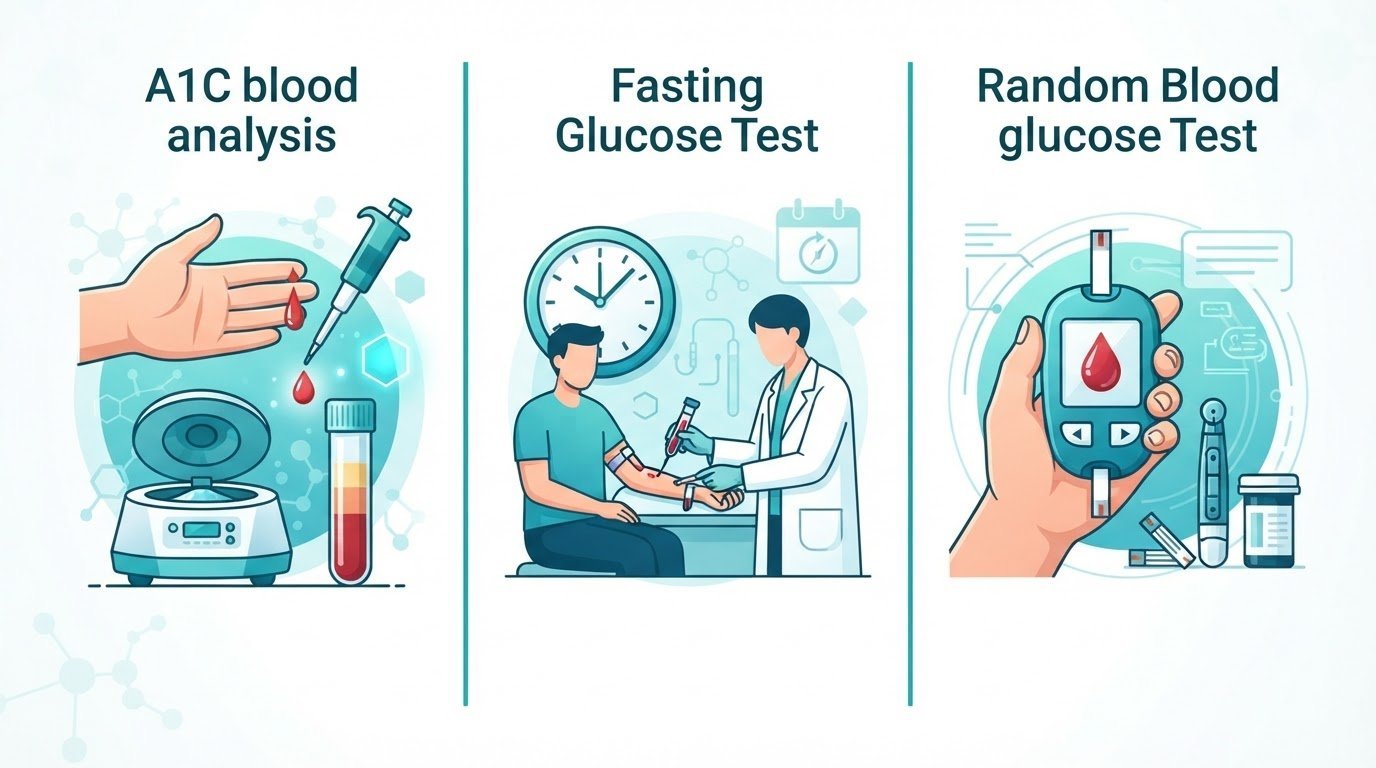
Electrolytes, kidney function, signs of infection and other laboratory values help determine treatment needs. An HbA1c can provide longer-term diabetes information but does not by itself diagnose acute ketoacidosis.
If you are worried about diabetic ketoacidosis warning signs, hospital-based evaluation is more informative and safer than repeatedly checking a glucose meter. For a separate explanation of routine diabetes diagnosis, see Diabetes Diagnosis: Which Tests Are Used?.
How Doctors Treat DKA
Treatment is carried out under medical supervision, often with intravenous fluids, insulin and careful attention to electrolyte levels. The hospital team repeatedly reviews glucose, ketones, acid-base measurements, hydration and clinical status.
Potassium requires particular attention. The body’s potassium stores may be depleted even when the initial blood level appears high or normal. Insulin can lower blood potassium, making professional monitoring essential.
Doctors also investigate the underlying cause, such as infection or stopped insulin delivery. Appropriate treatment can include addressing that trigger as well as correcting the metabolic crisis.
Some carefully selected mild cases may use specific supervised protocols, but DKA must not be treated as a home hydration project. Unsupervised insulin or electrolyte corrections can cause serious harm.
Preparing a Diabetes Sick-Day Plan
Those at risk should ask their diabetes team for a written sick-day plan before they become ill. It may include how often to monitor glucose and ketones, medication guidance, fluid advice, how to respond to pump problems and exactly when to seek urgent care.
Insulin requirements can change during infection or fever, even when food intake falls. Do not improvise stopping insulin. Follow the individual plan and obtain professional guidance when illness or vomiting prevents normal management.

People taking SGLT2 medicines should discuss sick-day interruption rules and surgical or fasting precautions with the prescriber. Backup supplies and a plan for contacting healthcare services are also useful.
Family members can learn the symptoms that require emergency care. Early response can prevent delay, although even very attentive people may develop DKA when diabetes first appears.
Practical questions to settle before your next sick day
People who use insulin may wish to ask their care team which changes in illness, food intake or readings should prompt extra monitoring, when to contact the clinic and how to respond if they cannot keep food or fluids down. It is also useful to know whether a blood ketone meter is recommended, which supplies need to be available and what to do if they expire. The instructions can differ between a child using a pump, an adult using multiple injections and an individual taking SGLT2 medication.
Keep emergency contact details accessible to caregivers or family members when appropriate. Anyone with a history of DKA should review that event with their clinical team to understand possible triggers and the changes that may help prevent recurrence. A written plan is particularly useful because judgment and concentration may be affected during serious illness.
Preparation should never create a false sense of safety. A plan supports early action, but repeated vomiting, confusion or heavy breathing still requires urgent assessment. The benefit lies in knowing whom to call and when to go to an emergency department without needing to make complicated decisions while unwell.
How Does DKA Differ From HHS or Ordinary Ketosis?
Ketosis can occur during certain dietary patterns or fasting without causing the severe metabolic acidosis of DKA. A positive ketone result is not automatically ketoacidosis, but dangerous symptoms must still be assessed promptly.
Hyperosmolar hyperglycemic state, or HHS, is another severe diabetes emergency often associated with very high glucose and profound dehydration. Altered mental status may occur, and mixed DKA-HHS presentations are possible.
Distinguishing these conditions requires clinical tests. Someone at home should not attempt to identify the exact emergency from the smell of breath, urine appearance or glucose reading alone.
Understanding diabetic ketoacidosis warning signs is therefore about recognizing urgency, not choosing a home treatment based on a label. Related symptoms such as weight loss and weakness are discussed in Unexplained Weight Loss and Diabetes and Diabetes and Fatigue.
Frequently Asked Questions
Can DKA be the first sign of diabetes? Yes. It sometimes reveals previously undiagnosed type 1 diabetes.
Can DKA happen with type 2 diabetes? Yes, particularly during serious illness, major insulin deficiency or selected medication circumstances.
Does glucose have to be above 250 mg/dL? No. Euglycemic DKA may occur below 200 mg/dL.
Is fruity breath always present? No. Its absence does not rule out dangerous ketoacidosis.
Can drinking water cure DKA? No. It requires monitored medical treatment.
Can a urine strip prove DKA? No. Clinical assessment of ketosis and acidosis is required.
Should insulin stop if a person cannot eat? Do not improvise stopping insulin; follow the individualized sick-day plan and seek urgent advice.
How fast can DKA become serious? It can progress over hours or longer, depending on the circumstances.
Can an insulin pump cause DKA? Interrupted insulin delivery can increase risk; follow the team’s backup plan.
When is emergency care necessary? Severe vomiting, deep breathing, abdominal pain, confusion or serious dehydration calls for immediate assessment.
| Component | Adult DKA criterion |
|---|---|
| Diabetes / hyperglycemia | Known diabetes or glucose ≥200 mg/dL |
| Ketosis | Beta-hydroxybutyrate ≥3.0 mmol/L or urine ketones 2+ or higher |
| Acidosis | pH below 7.3 and/or bicarbonate below 18 mmol/L |
Conclusion: DKA Warning Signs Require Immediate Action
The essential message about diabetic ketoacidosis warning signs is that a serious metabolic emergency can begin with common diabetes symptoms and progress to vomiting, abdominal pain, deep breathing and confusion. DKA is not defined by glucose alone, and some patients have dangerous acidosis with lower glucose.
Emergency assessment, ketone and acid-base testing and monitored treatment are essential. For prevention, a clinician-approved sick-day plan and timely response to illness can help reduce avoidable delays.
Scientific References