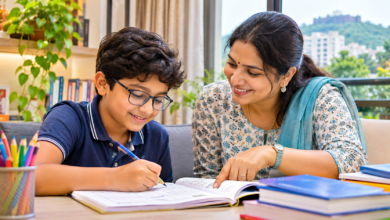
Confidence-Building Activities for Children in Pune
Kids' Confidence Activities in Pune


Confidence-building activities for children in Pune can help families offer supportive opportunities for children aged 8–15 to practise communication, decision-making and new skills. This evidence-informed guide prioritises child choice, inclusion and realistic expectations rather than promises to change a child’s personality.
Thank you for reading this post, don't forget to subscribe!What Confidence Means—and What It Does Not
Confidence is the belief that one can attempt a task, learn and seek help, even when the outcome is uncertain. It does not require extroversion, constant happiness or public performance. Children who speak softly may still be confident in their abilities and relationships. A more useful goal is self-efficacy: growing trust in one’s capacity to take meaningful action. Bandura’s work on self-efficacy emphasises mastery experiences, supportive modelling and feedback. These ideas inform educational practice but cannot predict an individual child’s outcome. Parents should notice whether a child feels safe to try, make mistakes and ask questions. Avoid labelling children as weak, timid or naturally unsuccessful. Confidence varies by context: a child may lead in sport yet hesitate in English class. That variation is normal and suggests targeted, respectful practice rather than a personality makeover.
Confidence-Building Activities for Children in Pune: Start With Small Wins
Choose one achievable activity the child actually values. An eight-year-old might ask a librarian where to find a book; a teenager might introduce an idea in a small group. Agree on the first step together and provide enough support to make it manageable. Afterward, ask what felt easier and what they would change. Praise the strategy rather than declaring the child brilliant. For example, “You prepared your question and asked it clearly” offers more information than “You are the best.” If the activity fails, discuss the experience without embarrassment. A small win does not have to be visible to other people. Some children gain confidence from independent reading, building a model or solving a problem privately. Gradual practice works best when the child has meaningful choice and adults do not escalate demands too quickly.
Activity 1: The Strengths-and-Interests Map
Invite the child to draw three circles labelled “I enjoy,” “I can already do,” and “I want to learn.” Younger children can use pictures; teenagers may prefer a private note. Ask for examples from home, school and friendships, not only marks or awards. The activity helps identify personally meaningful goals and reminds adults that competence exists beyond academic performance. Avoid turning the map into a ranking or insisting that every strength become a career skill. Revisit it monthly to notice changes. A child who enjoys caring for plants might choose a supervised gardening project; one who loves stories might record a short audio review. If a child struggles to name strengths, offer neutral observations without exaggerated praise. This is a reflective educational activity, not a validated psychological assessment or a personality test.

Activity 2: A Safe Speaking Ladder
Build a ladder of speaking tasks from easiest to more challenging. The first rung might be saying one sentence to a trusted adult, followed by asking a friend a question, explaining a project to two peers and optionally speaking to a small group. The child should help choose the steps and can repeat or revise them. Never force public speaking, especially when a child is distressed. Speaking is only one expression of confidence; a child may prefer writing, sign language or assistive communication. If anxiety is severe, persistent or interferes with daily life, seek qualified guidance rather than attempting exposure therapy on your own. Celebrate participation and recovery from setbacks, not perfect delivery. For multilingual Pune families, allow practice in Marathi, Hindi, English or another comfortable language before introducing additional language demands.
Activity 3: Cooperative Games and Team Projects
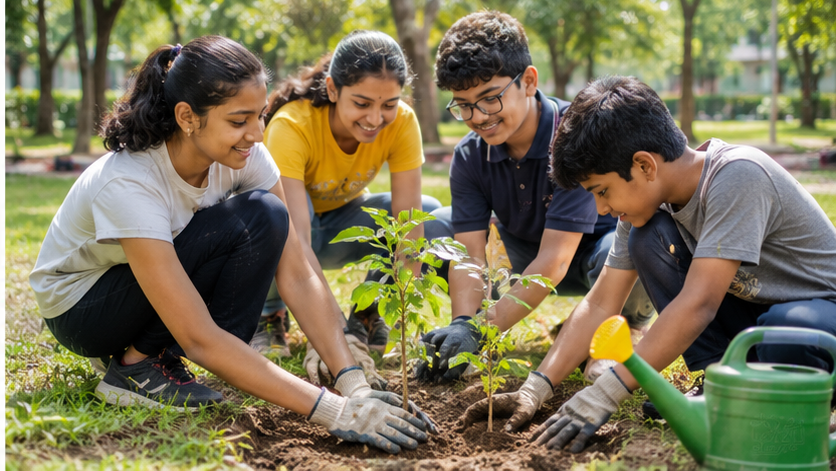
Collaborative board games, supervised planting, art murals and simple science projects offer opportunities to listen, contribute and negotiate. Give each participant a meaningful role instead of letting one outspoken child dominate. A child might be the materials organiser, idea recorder or timekeeper. Rotate roles when appropriate, but do not force a role that creates sensory or communication distress. Afterward, ask what helped the group work and how disagreements were resolved. Cooperative activities support practice; they do not guarantee that a child will become socially confident. If bullying or exclusion occurs, adults must intervene rather than telling the targeted child to become tougher. Choose activities with accessible instructions and opportunities for quieter participation. The goal is belonging and agency, not competition for leadership titles.
Confidence-Building Activities for Children in Pune: Creative Expression
Art, storytelling, music, drama and making things can provide low-pressure ways to explore ideas. Offer open-ended prompts such as “Create a place where you feel comfortable” or “Invent a helpful tool.” Let children decide whether to share their work. Do not evaluate every drawing for talent or insist on stage performance. Creative activities may encourage exploration and enjoyment, but claims that a single workshop increases IQ or permanently changes personality require stronger evidence. Parents can ask about the process: “What did you try first?” or “What surprised you?” Provide affordable materials and accessible alternatives. A child with fine-motor difficulties might use digital art, collage or voice recording. Creativity can be a setting for confidence when children have ownership and are not constantly compared with others.
Activity 5: Everyday Decision-Making
Give children real but safe choices. An eight-year-old could plan the order of two household tasks or select materials for a school project. A teenager might compare options for a hobby, plan a modest budget or organise a supervised group activity. Explain boundaries and likely consequences, then let the child make an age-appropriate decision. If the result is imperfect, ask what they learned instead of taking over immediately. Avoid placing adult financial, relationship or caregiving burdens on children. Some children need visual choices or shorter steps to participate. Decision-making confidence grows when the choices matter and adults remain available for support. Do not confuse independence with leaving a child alone to handle unsafe situations. Shared planning and predictable safeguards make autonomy developmentally appropriate.
Activity 6: Practice Asking for Help
Asking for help is a strength, not evidence of failure. Role-play phrases such as “I do not understand this step,” “Could you repeat the instruction?” or “I need an adult because this feels unsafe.” Children can practise with a parent before using the words at school. Explain who their trusted adults are and how to reach them. For a child with speech or language differences, use a card, text message or other accessible method. Praise appropriate help-seeking without requiring disclosure of private experiences in public. If a child reports bullying or abuse, adults must respond protectively. Do not tell children to solve every problem independently. Confidence includes recognising limits, communicating needs and receiving support when necessary.
Activity 7: Movement and Skill Practice
Sports, dance, cycling with suitable safety precautions and outdoor play can offer enjoyable opportunities to learn new skills and cooperate. Choose activities based on interest, access and physical needs rather than assuming competitive sport is essential. WHO guidance for ages 5–17 recommends an average of at least 60 minutes of moderate-to-vigorous physical activity daily across the week, with suitable adaptations. This is a health recommendation, not proof that a specific sport directly raises confidence. Help children notice progress such as improved coordination or learning a new rule. Avoid body criticism, forced competition and using exercise as punishment. During Pune’s hot weather or monsoon periods, choose safe indoor alternatives when necessary. Enjoyment and inclusion matter more than winning.
Ages 8–11: Short Activities That Fit School Life
Younger children often benefit from concrete instructions, play and immediate opportunities to practise. A five-minute storytelling turn, cooperative puzzle or small household responsibility may be enough for one session. Explain the task in simple steps and demonstrate if helpful. Ask how the child feels before and after without treating feelings as a score. Give specific encouragement and allow breaks. Children with learning, sensory or attention needs may require quieter spaces, visual instructions or shorter sessions. Parents should avoid filling every evening with improvement activities; sleep, friendships and free play remain important. A child who declines an activity may be tired, overwhelmed or uninterested rather than unmotivated. Offer alternatives and look for activities that support both enjoyment and skill development.
Ages 12–15: Autonomy, Identity and Peer Context
Teenagers may respond better when they help select their own goals. Consider planning a community project, learning a practical skill, contributing to a school club or practising a difficult conversation with a trusted adult. Discuss online identity, peer pressure, consent and respectful disagreement. Do not post a teenager’s practice videos or personal reflections without permission. Confidence at this age may involve saying no, changing one’s mind or asking for privacy rather than becoming more outspoken. Adults should keep safety boundaries while offering appropriate independence. Avoid comparing teenagers with siblings, classmates or social-media personalities. If a teen withdraws markedly or stops participating in previously enjoyed activities, explore emotional and health concerns rather than prescribing more confidence workshops.
Pune-Specific Planning: Undri, Hadapsar and Hinjewadi
Families in Undri, Hadapsar and Hinjewadi may need activities that fit school transport, traffic and caregiver schedules. In Magarpatta, Kondhwa and Wakad, the best option may also be a nearby supervised hobby group or school club rather than a distant programme. Parents in Baner, Kharadi, NIBM and Pimpri-Chinchwad should apply the same practical criteria. No locality is inherently better for children’s confidence. Look at travel time, child interest, accessibility, safeguarding and the provider’s qualifications. A home activity can be as meaningful as a paid class when it offers supportive practice. During exams or heavy rain, adapt the plan rather than demanding perfect attendance. This article does not claim to verify local programmes or current availability. Check details directly before enrolling.
Content Gap: Confidence or Environmental Access?
Many articles focus only on changing the child. BBH recommends asking whether the setting itself is blocking participation. A quiet child may speak freely in a small group but not in a noisy hall. A child who struggles in English may explain ideas confidently in Marathi. A child with ADHD may participate more fully after movement breaks; an autistic child may benefit from predictable instructions and reduced sensory overload. Try changing the environment before concluding that the child lacks confidence. Record which adjustments help. This four-step reflection—notice the task, identify the barrier, adjust the setting and review participation—is an original educational aid, not a validated screening instrument. Persistent concerns may still need qualified assessment. Inclusion and skill-building should work together.
Content Gap: What to Do When an Activity Backfires
Sometimes a well-intended activity leaves a child embarrassed or distressed. Stop the task, check safety and listen without arguing that it was meant to help. Ask which part was difficult: the audience, language, sensory environment, peer behaviour or the demand itself. Offer a smaller step, different format or complete change of goal. Do not share the incident as a funny family story. Avoid telling the child they disappointed you by refusing. If distress is intense or recurrent, seek professional guidance, especially where anxiety or trauma may be involved. A setback is information about the fit between child, task and environment—not proof of a defective personality. This response plan fills a practical gap in lists that present every confidence activity as universally beneficial.
Confidence-Building Activities for Children in Pune: Four-Week Plan
Week one: invite the child to choose one goal and identify a comfortable starting point. Week two: practise the first step in a safe setting, using support and accommodations when needed. Week three: try a slightly different context if the child agrees, or repeat the existing step. Week four: review concrete changes, enjoyment and any barriers. Useful observations include “asked the teacher a question” or “joined the group for ten minutes”; avoid global scores such as “now 80% confident.” The plan is an original BBH educational framework, not a clinical treatment or a guaranteed outcome. Progress may be uneven, and some goals should be changed rather than intensified. Maintain ordinary routines, rest and free time. If distress interferes with functioning, seek appropriate qualified support.
How to Evaluate Classes or Workshops in Pune
Before enrolling in a confidence-building class, ask for age ranges, session plans, staff qualifications, safeguarding arrangements, supervision ratios, accessibility options, fees and refund terms. Ask how instructors support shy or neurodivergent children and whether public speaking is optional. Be cautious of guarantees to transform personality, eliminate anxiety, raise IQ or produce leaders in a few days. Request examples of realistic outcomes and how feedback is shared privately with parents. An ethical provider should welcome questions, protect children’s information and explain the limits of its services. A programme may offer useful practice, but it should not substitute for professional assessment or treatment when a child has significant mental-health or developmental needs. Compare the value of paid programmes with accessible school, home and community activities.
When to Seek Professional Support
A child does not need treatment simply because they are quiet or prefer solitary activities. Seek guidance when fear, withdrawal, school refusal, bullying-related distress or communication difficulties persist and significantly disrupt daily life. A paediatrician, school counsellor, child psychologist or relevant specialist can help assess contributing factors. Avoid diagnosing social anxiety, autism, ADHD or learning disorders from online lists. If a child discloses abuse, threats or self-harm, prioritise immediate safety and urgent appropriate help. Confidence activities may complement supportive care but are not substitutes for individual assessment. The child’s voice, privacy and dignity should guide any plan.
Frequently Asked Questions
Do shy children need confidence classes?
Not necessarily. Shyness is not itself a disorder. Support is appropriate when the child wants help or difficulties interfere with participation.
Which activity works best for an eight-year-old?
Choose an enjoyable, achievable task such as storytelling, cooperative play or asking for help; adapt it to the child.
Can teenagers build confidence without public speaking?
Yes. Decision-making, creative work, relationships and practical skills can offer meaningful mastery experiences.
How quickly will confidence improve?
There is no guaranteed timeline. Look for personally meaningful changes rather than promises of rapid transformation.
Are paid workshops essential?
No. Everyday opportunities at home, school and in safe community settings can also support practice.
BBH Navigation and Five Related Articles
Explore BBH: Relationship — main menu · Children — submenu · Support Resources.
Related published BBH articles
- Helping Shy Children Build Confidence in Pune
- Personality Development for Kids in Pune
- Social Skills Development for Kids in Pune
- Positive Parenting Strategies for Pune Families
- Child Development Activities for Kids in Pune
BBH Young Minds remains an exploratory concept. No summer camp, registration, dates, staff or services are confirmed. For general educational enquiries or future updates, contact info@bioandbrainhealthinfo.com. Please do not send sensitive child records by email.
Research Sources and Educational Disclaimer
Evidence-informed background: Harvard Center on the Developing Child (responsive relationships and development); American Academy of Pediatrics / HealthyChildren (parenting and child wellbeing); UNICEF Parenting; CASEL (social and emotional learning); WHO physical activity guidance. Self-efficacy is a well-established theoretical concept, but specific BBH activities and four-week plans are educational suggestions, not validated clinical interventions. No independent clinical review is claimed.