Alcohol and Diabetes: Safety Basics
Alcohol and Diabetes: Risks and Precautions

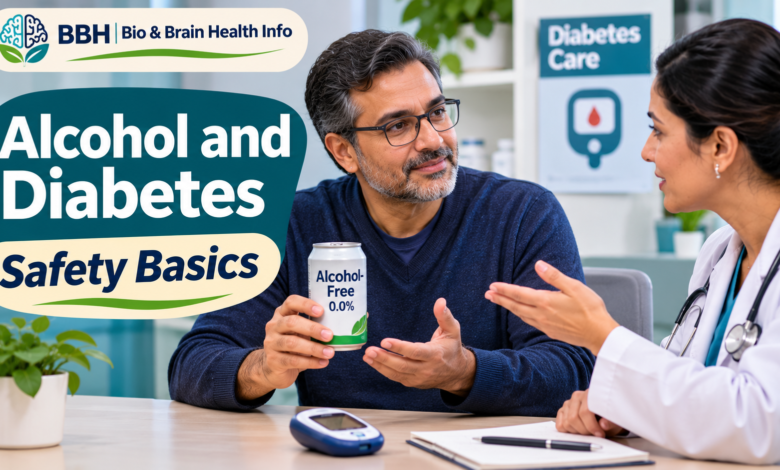
Alcohol and diabetes require special attention because drinking can influence blood glucose, the liver’s ability to release glucose and the effects of certain diabetes medicines. The most important danger is not simply the sugar contained in a drink: in people using insulin or medications that stimulate insulin release, alcohol can contribute to delayed hypoglycemia, sometimes overnight or the following day.
Thank you for reading this post, don't forget to subscribe!This evidence-based BBH guide prioritizes United States readers and provides relevant UK, Canada and Australia information. It draws on the American Diabetes Association (ADA) Standards of Care 2026, the 2026 ADA–EASD type 1 diabetes consensus, CDC, NIDDK, Diabetes UK, Diabetes Canada and Diabetes Australia. It explains risks without implying that drinking is necessary or that any amount is completely risk-free.
Alcohol and Diabetes: What Happens in the Body?
The liver helps maintain blood glucose between meals by releasing stored glucose and producing new glucose. When alcohol is present, the liver prioritizes processing it, which can reduce glucose production. This effect is particularly important in people who use insulin or medicines that increase insulin release, and who have eaten little or exercised more than usual.
Meanwhile, carbohydrate-containing drinks may initially raise glucose. Mixed drinks and sweetened beverages may contain substantial sugar. The combination can produce a confusing pattern: an early rise followed by a delayed fall. Not everyone will experience the same pattern, and a single glucose measurement does not establish that alcohol is safe.
The ADA 2026 Standards recommend counseling people with diabetes about delayed hypoglycemia and monitoring glucose after drinking, particularly with insulin or insulin-secretagogue therapy. The guidance does not encourage people who abstain to begin drinking. ADA 2026, Section 5.
Alcohol and Diabetes Blood Sugar: Immediate vs Delayed Effects
A sweet cocktail or beer can supply carbohydrate and cause an initial glucose increase. Drinks containing little carbohydrate may produce little immediate rise even though the alcohol itself still affects the liver. The absence of a rapid glucose spike should never be interpreted as proof that a drink has no metabolic or medical consequences.
Delayed lows may occur several hours after drinking, including during sleep or the next morning. The updated 2026 ADA–EASD consensus report for adults with type 1 diabetes describes a possible increased risk for up to 24 hours after the last drink, owing partly to inhibition of hepatic gluconeogenesis. ADA–EASD 2026 consensus report.
Other influences include the amount consumed, meals, recent exercise, body size, liver health and the diabetes regimen. A glucose monitoring plan should be adapted by the care team to the person’s treatment and risk; there is no universally safe number of checks or one-size-fits-all medicine adjustment.
Who Is Most Vulnerable to Alcohol-Related Hypoglycemia?
People using insulin, sulfonylureas such as gliclazide or glimepiride, or other insulin-secretagogue medicines face particular risk. Those with previous severe hypoglycemia, reduced awareness of lows, poor food intake or substantial physical activity may need additional precautions. Alcohol also affects judgment and the ability to recognize or respond to a low.
Individuals who manage type 2 diabetes with lifestyle measures or medicines that rarely cause low glucose may have a different immediate hypoglycemia risk, but alcohol still carries health risks. Liver disease, pancreatitis, neuropathy, sleep problems, depression, pregnancy and certain medication interactions can make drinking inadvisable.
The CDC identifies drinking alcohol at night as a possible cause of low blood glucose, especially when other risk factors are present. The NIDDK likewise identifies drinking alcohol without enough food as a contributor. CDC: Low Blood Sugar.
Hypoglycemia or Alcohol Intoxication? A Dangerous Overlap
| Possible symptom | Hypoglycemia | Alcohol intoxication |
|---|---|---|
| Confusion or unusual behavior | Can occur, particularly with more severe lows | Can occur |
| Unsteady movement | Can occur | Can occur |
| Sweating or shaking | Common warning signs in some people | May occur, especially with other complications |
| Sleepiness or reduced responsiveness | Can signal a dangerous low | Can signal significant intoxication |
| What to do | Check glucose when possible; follow low-glucose plan | Seek emergency help if severe; do not assume intoxication explains symptoms |
If someone with diabetes seems intoxicated, confused or unusually drowsy, check glucose if it can be done safely and promptly. Do not delay emergency care for severe symptoms. When an alert person can swallow and a low is confirmed, use their established hypoglycemia action plan. If they cannot swallow safely, oral treatment is dangerous.
Diabetes Medication and Alcohol: What to Discuss
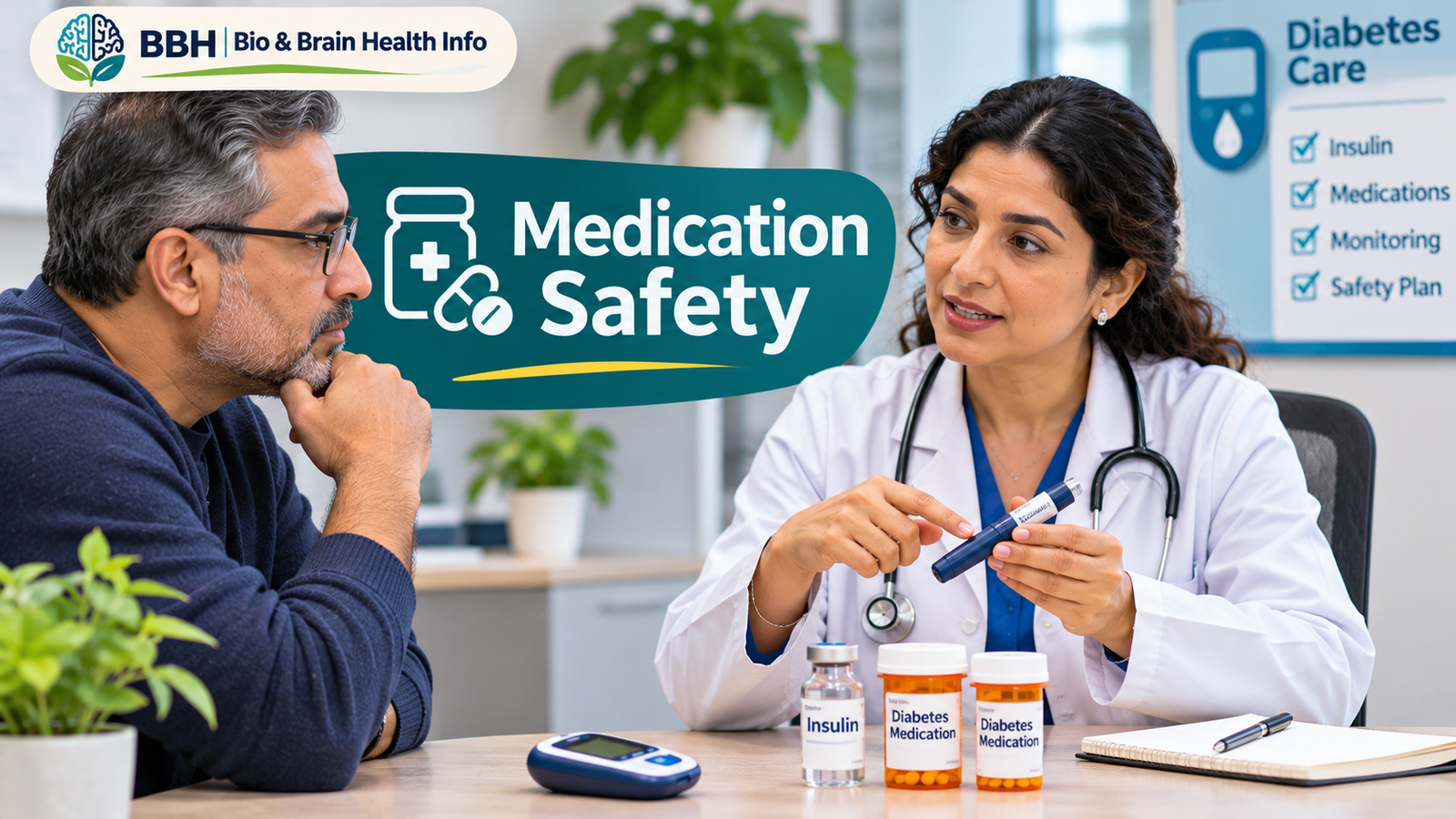
Medication risks differ. Insulin and sulfonylureas can contribute to low blood sugar, while some other treatments interact with dehydration, reduced food intake or heavy alcohol use. The following comparison is educational and should not be used to change prescriptions.
| Medication | Potential concern | Safety discussion |
|---|---|---|
| Insulin | Delayed hypoglycemia, especially overnight or after exercise | Discuss meal and monitoring plan; never change doses based on internet advice |
| Sulfonylureas / meglitinides | Increased hypoglycemia risk with inadequate food | Ask about individualized precautions and rescue treatment |
| Metformin | Heavy alcohol use may increase lactic acidosis risk, especially with dehydration, kidney or liver problems | Discuss drinking, kidney function, and sick-day guidance with prescriber |
| SGLT2 inhibitors | Dehydration, fasting and excessive alcohol intake may contribute to ketoacidosis risk | Discuss sick-day and ketone guidance; seek care for vomiting or deep breathing |
| GLP-1 receptor agonists | Nausea, vomiting or poor intake may add to dehydration and eating difficulties | Review medicine-specific side effects and intake |
| Other medicines / sedatives | Sedation, interactions, and impaired judgment may increase harm | Ask pharmacist or clinician before mixing with alcohol |
Metformin does not typically cause hypoglycemia by itself, but heavy alcohol use, significant liver disease or dehydration can raise different concerns. SGLT2-related ketoacidosis can occur without dramatic glucose elevation, particularly during acute illness or prolonged fasting. These nuances explain why a blanket statement that “all diabetes medicines react the same way to alcohol” is inaccurate.
If a person is using medicines for blood pressure, anxiety, insomnia or pain as well, these may have additional alcohol interactions. They should ask the prescriber or pharmacist for specific advice and disclose all prescribed, over-the-counter and recreational substances honestly.
Beer, Wine, Spirits and Mixed Drinks: What Changes Blood Sugar?
The carbohydrate content of drinks is highly variable. Beer often contains carbohydrate; sweet wines, ciders, syrups, liqueurs and premixed cocktails can contain substantial sugar; unsweetened spirits may contain little carbohydrate, but their alcohol remains relevant to hypoglycemia risk. No type of drink is a health treatment for diabetes.
Serving sizes can be deceptive. A US standard drink contains approximately 14 grams of pure alcohol; that is a measurement tool, not a statement of safety. A large or strong serving may contain more than one standard drink. UK alcohol units and Australian standard drinks use different definitions, so numbers should not be copied from one country to another.
Some products labeled “alcohol-free” may contain a small residual amount of alcohol depending on labeling laws. Others are sweetened and can affect glucose. Check both the alcohol-by-volume (ABV) and carbohydrate or sugar information rather than assuming every alternative is identical. Water, unsweetened sparkling water and other nonalcoholic beverages can be simpler options.
Is It Safe to Drink Alcohol With Diabetes?
There is no health requirement to consume alcohol. Choosing not to drink avoids alcohol-related risks and is often the safest option. The 2026 ADA Standards do not recommend beginning alcohol consumption for people who currently abstain. For those who choose to drink, clinicians should discuss individual risks, rather than promising that a particular daily amount is entirely safe.
Alcohol contributes to risks beyond glucose, including certain cancers, liver disease, injuries, high blood pressure and sleep disruption. The CDC emphasizes that drinking less lowers health risks; the World Health Organization states that no level of drinking is risk-free. CDC: Alcohol Use and Health.
Adults who are pregnant or may become pregnant should avoid alcohol. People with active liver disease, pancreatitis, severe or recurrent hypoglycemia, significant alcohol-related problems or medications incompatible with alcohol should seek clinician guidance and may need to abstain entirely.
Practical Safety Checklist Before Drinking
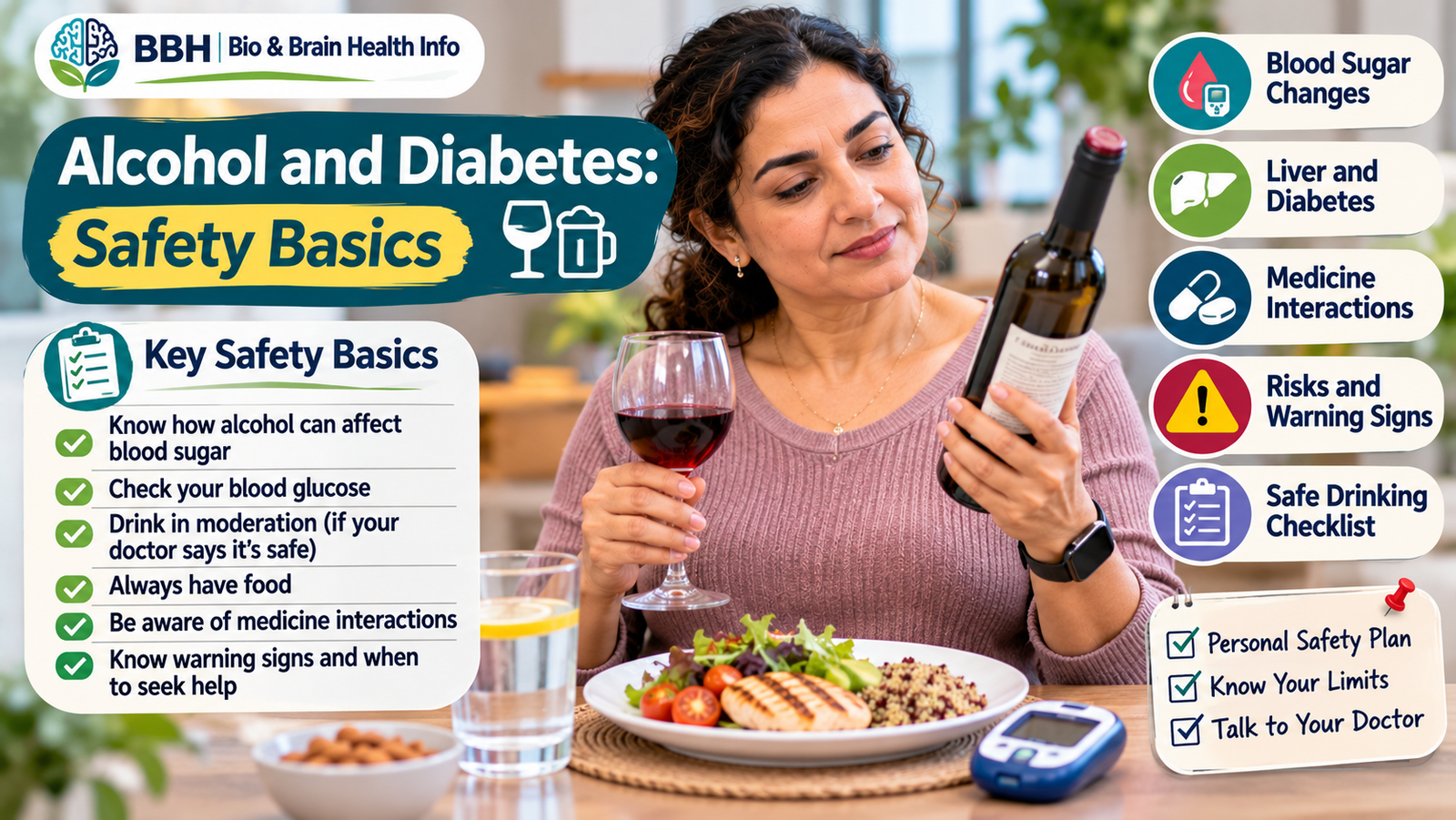
For an adult who has discussed alcohol use with their healthcare team and still chooses to drink, risk-reduction steps include avoiding drinking on an empty stomach, keeping normal diabetes supplies accessible, planning for lows, drinking water, and not driving after alcohol. No checklist can make alcohol risk-free.
- Discuss hypoglycemia risk and medicines with your diabetes team before drinking
- Do not start drinking for possible heart or blood sugar benefits
- Eat suitable food rather than drinking on an empty stomach
- Carry a meter or other prescribed monitoring supplies and fast-acting glucose
- Follow the clinician’s plan for glucose checks during and after drinking
- Make a plan for overnight and next-day delayed lows when at risk
- Tell a trusted companion how to recognize serious low glucose
- Do not drive or operate machinery after alcohol
- Seek urgent help for confusion, collapse, seizure or inability to swallow
It is not appropriate to calculate a new insulin dose or decide to omit a medicine based on a generic chart. For people who find planning difficult or have previous severe lows, the safest practical decision may be to avoid alcohol altogether.
Why Alcohol-Related Lows Can Occur Overnight
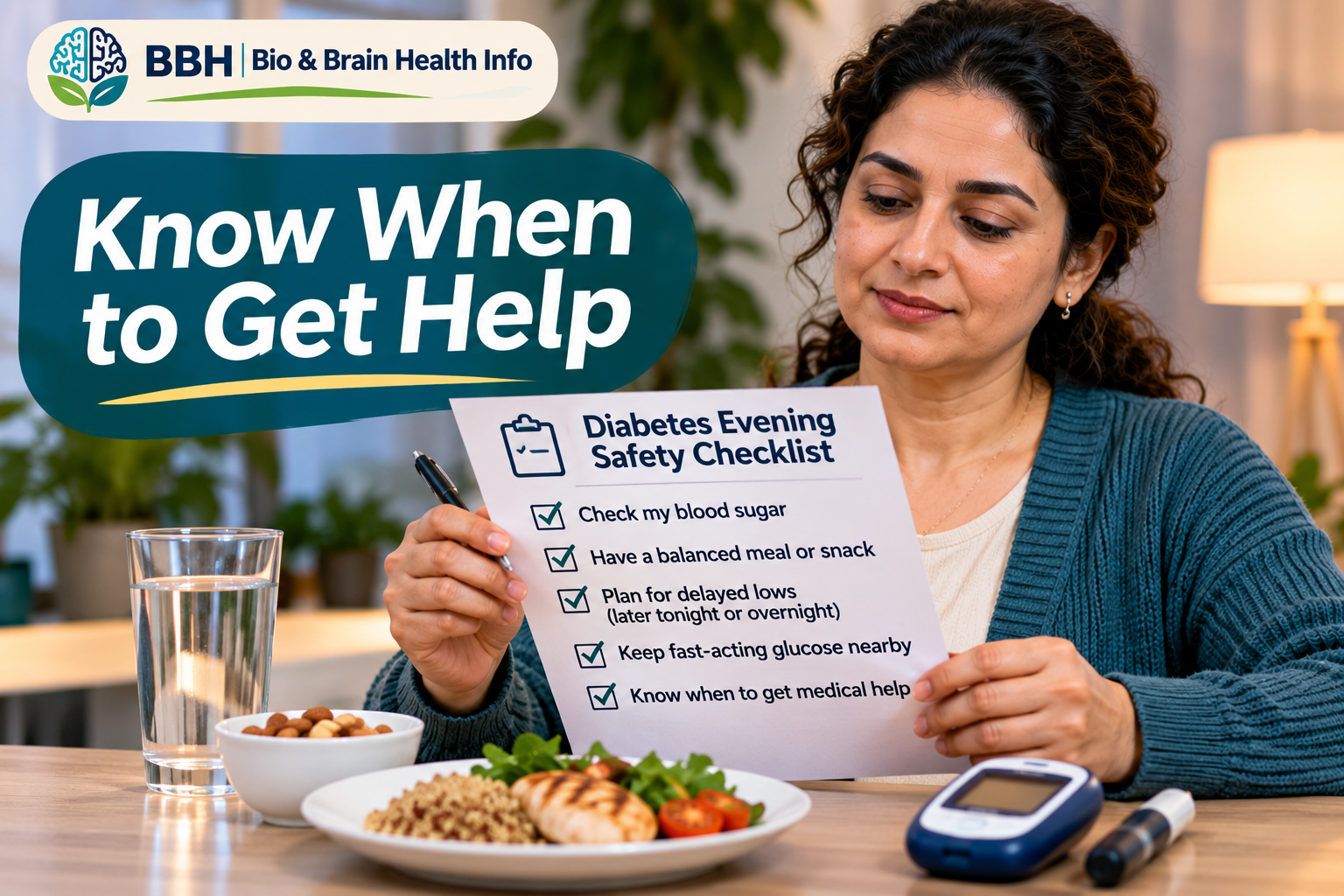
One of the most frequently overlooked dangers is that a person can have a fairly ordinary reading before bed and still be at risk later. Alcohol-related effects on liver glucose production can persist after the social event ends. Recent exercise and reduced food intake can further increase this vulnerability.
An individualized monitoring plan may include checking after drinking, before sleeping and later when clinically indicated, with attention to CGM alarms and whether sensor readings require finger-stick confirmation. Do not independently disable critical alerts or rely on a sleeping companion to notice a low.
Emergency glucagon may be prescribed for people at risk of severe hypoglycemia, but alcohol intoxication can complicate recognition and response; an emergency plan should clearly state when to use rescue treatment and contact emergency services. Review Preventing Low Blood Sugar Episodes for more information on low-glucose care.
Alcohol, Liver Health, Pancreatitis, Nerves and Heart Disease
Diabetes already raises concerns about cardiovascular and kidney complications. Alcohol may worsen blood pressure, sleep quality, liver health and triglycerides in some people. Heavy alcohol consumption can contribute to pancreatitis, which is especially important when someone already has pancreatic disease or abnormal triglycerides.
Alcohol-related nerve damage may produce numbness or tingling resembling diabetic neuropathy. A patient with painful feet, poor balance or increasing numbness should not assume all symptoms are caused by glucose alone; assessment may identify more than one contributing condition.
Some observational studies have suggested associations between light drinking and certain outcomes, but they cannot establish a recommendation to start drinking. Cancer and injury risks must also be considered. Evidence-based care should emphasize prevention, not promotion of alcohol as a metabolic intervention.
Alcohol-Free Choices for Social Events
Social inclusion does not require an alcoholic drink. Sparkling water with citrus, unsweetened iced tea, flavored water without added sugar or other nonalcoholic options can provide a festive experience while avoiding alcohol-specific delayed hypoglycemia risk. Check packaging if the product is sweetened or described as low-alcohol rather than zero alcohol.
A person can simply say they are choosing a nonalcoholic drink for health, medicine or personal reasons. Medical information does not need to be disclosed to everyone at a social gathering. If others apply pressure, arranging an alternative beverage beforehand can make the choice easier.
When Alcohol Should Be Avoided or Medical Advice Is Essential
Avoid drinking during pregnancy, before driving, when unable to identify or treat low glucose, when taking a medication that should not be combined with alcohol, or during an episode of serious illness or dehydration. A history of pancreatitis, significant liver disease or problematic alcohol use also warrants professional discussion.
People who drink heavily every day and have physical dependence should not attempt abrupt unsupervised withdrawal. Symptoms such as severe tremor, seizures, hallucinations or confusion after stopping alcohol may be dangerous. Contact qualified addiction or emergency care services for safe assessment.
Alcohol and Diabetes Guidance in the USA, UK, Canada and Australia
United States: ADA 2026 explicitly recommends counseling about delayed hypoglycemia and appropriate glucose monitoring. CDC and NIDDK resources provide low-glucose response guidance. US standard-drink definitions differ from those used elsewhere.
United Kingdom: Diabetes UK explains carbohydrate content, low-glucose risk and the importance of individual medication advice. UK units should not be equated directly with US drinks.
Canada: Diabetes Canada discusses how alcohol may increase low-glucose risk for insulin and selected medicine users and encourages consultation with diabetes professionals.
Australia: Diabetes Australia warns that hypoglycemia can occur hours after drinking and encourages food, water and appropriate planning. Local definitions of a standard drink and national guidance differ.
Seven Often-Missed Questions About Alcohol and Diabetes
1. What if the drink contains no sugar?
Alcohol can still interfere with liver glucose production and increase delayed low-glucose risk.
2. Why was my reading high at first?
Carbohydrates in the drink or food may cause a rise even if alcohol later contributes to a fall.
3. Can symptoms be mistaken for being drunk?
Yes; severe hypoglycemia and intoxication overlap, making timely glucose assessment and emergency response important.
4. What about the next morning?
Risk may persist into the following day, especially in insulin-treated people.
5. Could alcohol interact with non-diabetes medication?
Yes; sedatives, pain medicines and other drugs may add risks.
6. Is an alcohol-free drink always sugar-free?
No. Check both residual alcohol and carbohydrate content.
7. What if someone drinks daily and wants to stop?
Physical dependence can make withdrawal dangerous; clinical support may be needed.
Emergency Warning Signs and What to Do
Frequently Asked Questions About Alcohol and Diabetes
Can people with diabetes drink alcohol?
Some adults may choose to drink after discussing their individual risks, but nobody needs to drink and no amount is completely risk-free.
Can alcohol lower blood sugar?
Yes. It can suppress liver glucose production and contribute to delayed hypoglycemia, especially with insulin or insulin secretagogues.
Can alcohol also raise glucose?
Yes. Sweetened beverages, mixed drinks and excess intake can cause rises.
Why is drinking on an empty stomach risky?
Without food, a person using glucose-lowering medicines may be more vulnerable to a low.
Can lows happen the next morning?
Yes. Delayed hypoglycemia may occur overnight or the following day.
Do spirits without sugar avoid hypoglycemia risk?
No. Alcohol remains capable of increasing low-glucose risk even without carbohydrate.
Is wine recommended for heart health with diabetes?
No. Evidence does not justify starting alcohol for health benefits.
Can I change my insulin dose before drinking?
Do not make unprescribed changes; ask the diabetes team for personalized advice.
What if I take metformin?
Discuss heavy drinking, dehydration, kidney or liver disease and relevant medicine safety with your prescriber.
What is the risk with SGLT2 medicines?
Excess drinking, reduced intake, illness and dehydration can contribute to ketoacidosis risk in some circumstances.
Do CGM alarms eliminate danger?
No. They may help but cannot replace an emergency plan or prevent every delayed low.
Is alcohol-free beer always low in sugar?
No. Alcohol-free products vary in carbohydrate content; check the label.
When should I seek emergency help?
Seizures, unconsciousness, severe confusion, inability to swallow or other serious symptoms warrant emergency response.
Should someone dependent on alcohol stop suddenly?
Abrupt withdrawal can be dangerous and may require medically supervised treatment.
BBH Main Menu, Submenu, Support and Five Related Articles
Clinical Evidence and Independent Review Status
- ADA 2026 Standards of Care, Section 5: Alcohol and Delayed Hypoglycemia
- ADA–EASD 2026: Management of Type 1 Diabetes in Adults
- CDC: Low Blood Sugar and Alcohol
- NIDDK: Low Blood Glucose
- CDC: Alcohol Use and Your Health
- Diabetes UK: Alcohol and Diabetes
- Diabetes Canada: Alcohol and Diabetes
- Diabetes Australia: Alcohol
- WHO: Alcohol Health Risks