Type 1 Diabetes: Symptoms & Management
Type 1 Diabetes: Signs, Causes & Treatment

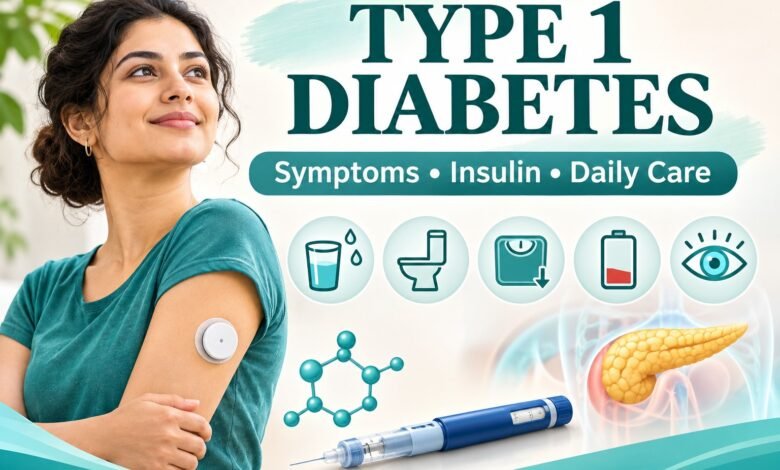
Type 1 diabetes can change everyday life quickly. A person who previously felt healthy may suddenly feel thirsty, wake repeatedly to use the bathroom, lose weight unintentionally or struggle with unusual tiredness. Recognizing type 1 diabetes symptoms matters because insulin production may already be severely reduced. This guide explains diagnosis, insulin care, glucose monitoring and physical and emotional wellbeing, including the limits of meditation and traditional practices.
Thank you for reading this post, don't forget to subscribe!- What Is Type 1 Diabetes?
- Type 1 Diabetes Symptoms and Warning Signs
- Type 1 Diabetes Causes and Risk Factors
- How Is Type 1 Diabetes Diagnosed?
- Type 1 Diabetes Treatment: Insulin and Technology
- Daily Type 1 Diabetes Management
- Type 1 Diabetes Diet and Nutrition
- Low Glucose, High Glucose and Diabetic Ketoacidosis
- Type 1 Diabetes and Mental Health
- How Type 1 Diabetes Affects the Brain and Body
- Type 1 Diabetes and Other Health Conditions
- Type 1 Diabetes and Meditation: Can It Help?
- Type 1 Diabetes and Ayurveda: Evidence and Safety
- Type 1 vs Type 2 Diabetes: Key Differences
- Long-Term Type 1 Diabetes Management
- When to Seek Emergency Medical Care
- Frequently Asked Questions
- Free Daily Care and Wellbeing Tracker
- Key Takeaways
- Scientific References and Medical Disclaimer
Quick Answer: What Is Type 1 Diabetes?
New excessive thirst, frequent urination, unintended weight loss or marked fatigue should prompt medical assessment. Type 1 diabetes is an autoimmune condition that requires insulin once clinically established. Meditation and other complementary practices may support wellbeing, but must never replace insulin.
Type 1 diabetes is an autoimmune condition in which the immune system damages insulin-producing beta cells in the pancreas. Common type 1 diabetes symptoms include increased thirst, frequent urination, unexplained weight loss, fatigue and blurred vision. Established type 1 diabetes requires insulin. Glucose monitoring, education, nutrition, activity and emotional support all matter in ongoing care.
Vomiting, abdominal pain, deep or rapid breathing, confusion or unusual drowsiness may indicate diabetic ketoacidosis (DKA). Seek emergency medical care.
What Is Type 1 Diabetes?
Insulin helps glucose move from the bloodstream into cells for energy. In type 1 diabetes, autoimmune injury reduces insulin production. Without enough insulin, glucose builds up in the blood while the body may break down fat for fuel. This can produce ketones, which can become dangerously high.
Type 1 diabetes can begin in childhood or adulthood. It is not caused simply by eating sugar, weight or poor motivation. Recognizing symptoms of type 1 diabetes early matters because severe insulin deficiency can cause DKA.
Type 1 Diabetes Symptoms and Warning Signs
Signs often develop over days or weeks, especially in children. Adults can experience a more gradual course, making autoimmune diabetes harder to recognize. New thirst accompanied by increased urination and unexplained weight loss deserves prompt testing.
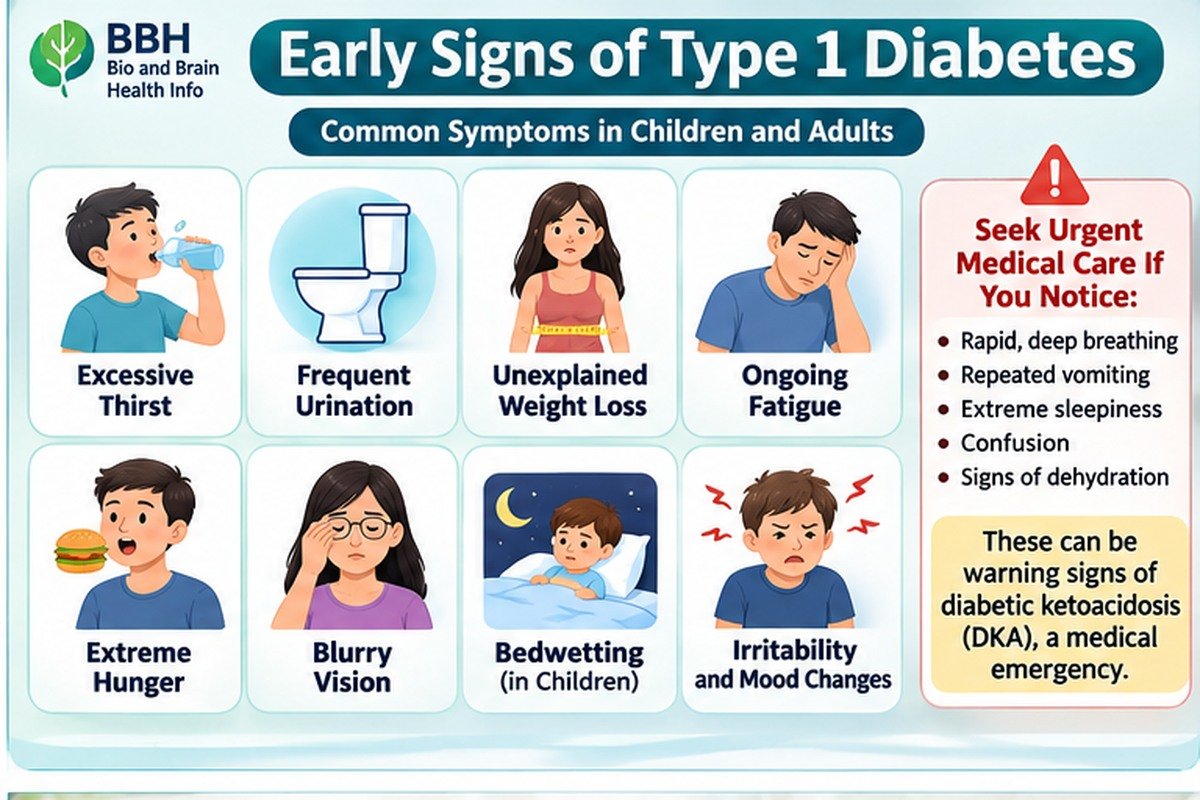
The first type 1 diabetes symptoms often develop over days or weeks, but onset may be slower in some adults. Watch for:
- Frequent urination or new bedwetting in a child
- Unusual thirst and dry mouth
- Unexplained weight loss despite normal or greater appetite
- Extreme tiredness, hunger or irritability
- Blurry vision and dehydration
Early signs in children
Parents may notice a child drinking more, needing the toilet frequently, losing weight or feeling unusually tired. Vomiting or rapid breathing warrants emergency assessment.
Early signs in adults
Adults may have the same early signs of type 1 diabetes, sometimes with a more gradual course. The condition can initially be mistaken for type 2 diabetes. Do not delay testing if symptoms are new or worsening.
Can symptoms be absent?
Autoimmune disease can begin before obvious symptoms. Specialist autoantibody screening can identify presymptomatic stages in selected at-risk people.
Type 1 Diabetes Causes and Risk Factors
Understanding type 1 diabetes causes means distinguishing its autoimmune mechanism from factors that influence risk. The immune system damages insulin-producing beta cells in the pancreas. Certain inherited genes increase susceptibility, but do not determine whether a person develops the condition. Scientists continue to investigate infections and other possible environmental contributors; no single trigger explains every case. Eating sweets does not directly cause autoimmune type 1 diabetes.
Does diet cause type 1 diabetes?
No. Unlike some risk factors for type 2 diabetes, lifestyle choices are not an established direct cause of autoimmune type 1 diabetes.
Can type 1 diabetes be prevented?
No diet or exercise program reliably prevents it. For some eligible people identified with stage 2 disease, specialist immune therapy such as teplizumab may delay stage 3 onset, subject to local approval and medical assessment. This is not a cure for established disease.
How Is Type 1 Diabetes Diagnosed?
Doctors assess glucose, symptoms and, when needed, diabetes-related antibodies or C-peptide to distinguish diabetes types. Diabetes-range results include an A1C of 6.5% or higher, fasting plasma glucose of 126 mg/dL (7.0 mmol/L) or higher, or random plasma glucose of 200 mg/dL (11.1 mmol/L) or higher with classic symptoms. Confirmatory testing is generally needed unless hyperglycemia is unequivocal.
Autoantibodies and C-peptide
GAD, IA-2 and ZnT8 antibodies support an autoimmune classification. C-peptide helps estimate endogenous insulin production. Results require clinical interpretation; a negative antibody test does not absolutely exclude type 1 diabetes.
Stages of type 1 diabetes
Stage 1 includes multiple autoantibodies with normal glucose and no symptoms; stage 2 includes abnormal glucose without symptomatic diabetes; stage 3 represents clinical disease.
Type 1 Diabetes Treatment: Insulin and Technology
The central purpose of type 1 diabetes treatment is to replace insulin that the pancreas no longer produces adequately. Injections or pumps provide insulin according to an individualized plan. Glucose monitoring, practical education and preparation for illness or equipment problems help people respond safely to changing needs. Prescribed insulin must not be stopped because a glucose reading temporarily improves.
Insulin injections and pumps
Multiple daily injections or insulin pumps can deliver basal and meal-related insulin. Pump interruption can quickly cause insulin deficiency, so users need a backup plan.
Continuous glucose monitoring (CGM)
CGM shows patterns, trends and alerts. During rapidly changing glucose, sensor readings can differ from blood glucose, so users should follow device guidance about finger-prick checks.
Automated insulin delivery
Compatible pumps and sensors can automatically adjust insulin delivery. They can reduce some management burden but do not replace training, equipment checks, meal decisions or emergency preparation.
Modern type 1 diabetes therapy also includes diabetes education, regular review and mental health support.
Daily Type 1 Diabetes Management
Practical type 1 diabetes management combines medical routines with enough flexibility for everyday life. Personal targets vary. Many nonpregnant adults have an A1C goal below 7% and CGM time-in-range goal above 70% between 70–180 mg/dL, but these goals are not universal.
Monitoring and records
Record relevant glucose values, prescribed insulin, meals, activity, sleep, illness and symptoms. Review recurring patterns with your diabetes team rather than making unsupported dose changes.
Movement and exercise
Physical activity supports cardiovascular health and wellbeing. Exercise can either lower or raise glucose depending on timing, intensity and insulin levels. Learn your personalized plan for snacks, insulin adjustments and ketone testing.
Sick days
Illness can increase insulin needs even when appetite decreases. Follow a written sick-day plan, check ketones as directed, maintain hydration and seek urgent help for repeated vomiting or signs of DKA. Continue basal insulin according to the clinical plan.
Sleep, work and school
Arrange access to insulin, monitoring equipment, food and emergency supplies. If overnight glucose alarms cause disrupted sleep, review patterns and alert settings with your care team.
Type 1 Diabetes Diet and Nutrition
There is no single compulsory type 1 diabetes diet. A balanced approach can include vegetables, fruits, whole grains, beans, pulses, protein foods and healthy fats. Carbohydrate quantities often matter for mealtime insulin planning. A diabetes educator can teach carbohydrate counting and a personalized insulin-to-carbohydrate ratio.
Illustrative daily food choices
Breakfast might include eggs or tofu with whole-grain toast; lunch could include dal, vegetables and a measured serving of roti or rice; dinner might include paneer, fish or beans with vegetables. This is an example, not an insulin prescription.
People with type 1 diabetes do not have to avoid every carbohydrate. Unsupervised fasting or extreme restriction can make glucose management more dangerous.
Practical meal and glucose questions
In daily type 1 diabetes management, people often need to decide how meals, walking, school, work, sick days and sleep affect their monitoring plan. Record patterns and discuss them with a diabetes educator; an online article cannot safely calculate personal insulin doses.
Low Glucose, High Glucose and Diabetic Ketoacidosis
Low blood sugar: hypoglycemia
Glucose below 70 mg/dL (3.9 mmol/L) is generally considered low. Signs include trembling, sweating, hunger, headache, irritability and difficulty concentrating. Many alert adults who can swallow follow the 15–15 approach: approximately 15 g fast-acting carbohydrate, wait 15 minutes and recheck, unless their individualized plan differs.
Severe hypoglycemia may cause seizure or unconsciousness. Do not give food or liquids by mouth to someone unable to swallow. Give prescribed glucagon if available and call emergency services.
High blood sugar: hyperglycemia
Hyperglycemia can cause thirst, urination, fatigue and blurry vision. Missed insulin, infection, stress or equipment failure may contribute. Follow your personal plan for correction, ketone testing and contacting the diabetes team.
DKA: a medical emergency
With severe insulin deficiency, ketones accumulate and blood becomes acidic. Possible signs are vomiting, abdominal pain, deep or rapid breathing, fruity-smelling breath, confusion and profound drowsiness. DKA may occasionally occur without very high glucose. Seek emergency treatment immediately; do not use meditation, herbs or exercise as substitutes.
Glucose symptoms versus stress: how to tell them apart
Symptoms overlap: no table can diagnose a condition without clinical assessment. CDC DKA guidance explains why delayed care is dangerous.
Type 1 Diabetes and Mental Health
Monitoring glucose, planning insulin, and worrying about future complications can be emotionally demanding. Type 1 diabetes and mental health deserve integrated attention.
Depression and anxiety
Depression can involve persistent sadness, low interest, fatigue or hopelessness; anxiety can include fear of hypoglycemia or worries about treatment. These conditions warrant assessment when symptoms persist or impair functioning. Not every mood change is caused by glucose.
Diabetes distress
Diabetes distress describes the emotional burden of daily diabetes tasks and unpredictable readings. It is not identical to major depression, though they can coexist. Supportive education, peer connection, accessible technology and professional mental health care can help.
Does glucose affect mood?
Hypoglycemia may cause irritability, confusion or anxiety-like sensations; pronounced hyperglycemia may cause discomfort and fatigue. Persistent mental health symptoms deserve independent evaluation rather than being dismissed as a sugar problem.
How Type 1 Diabetes Affects the Brain and Body
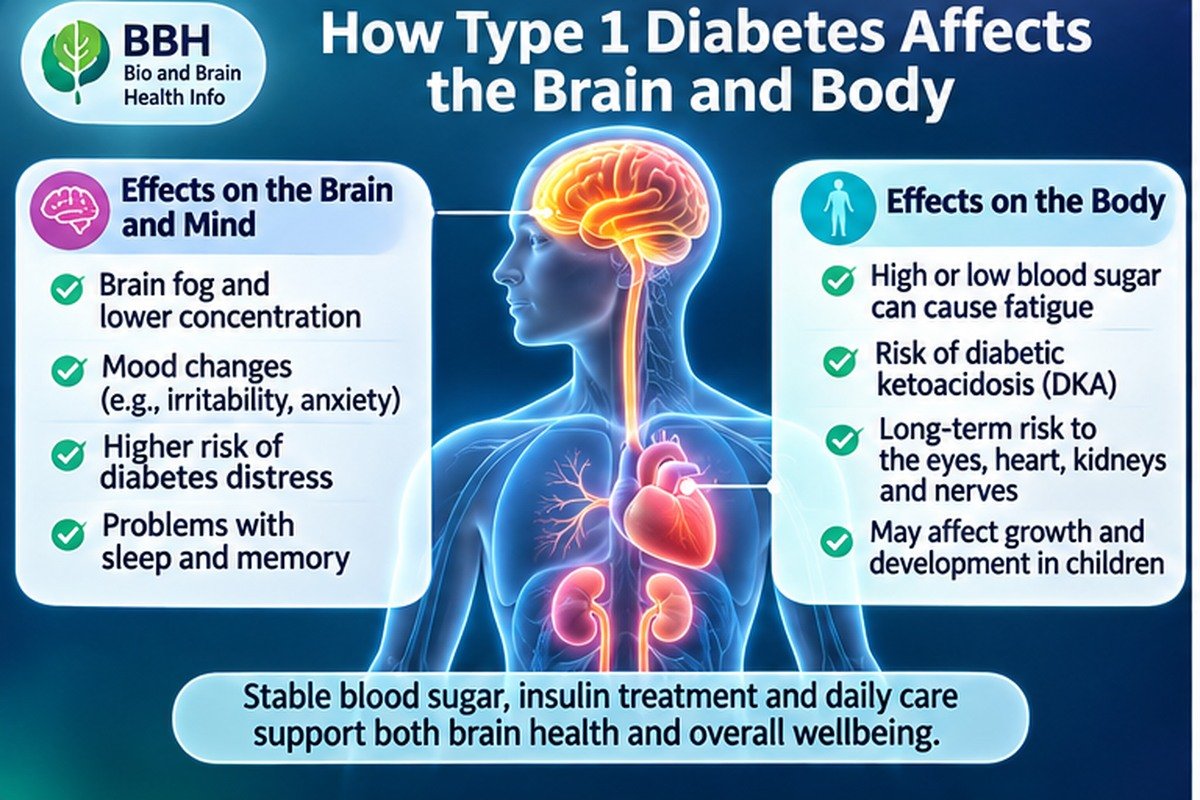
Brain fog and concentration
The brain depends on glucose. Low blood glucose can impair attention and judgment, while substantial hyperglycemia, dehydration, sleep loss and stress may contribute to poor concentration or brain fog. Brain fog alone does not prove permanent brain injury.
Long-term brain health
Studies investigate links among severe hypoglycemia, chronic hyperglycemia, vascular factors, cognition and brain structure. Findings are varied, and it is incorrect to suggest all people develop cognitive impairment. Avoiding glucose emergencies and maintaining appropriate overall care supports health.
Muscles and energy
Untreated insulin deficiency can produce fatigue, weight loss and muscle breakdown. Insulin replacement helps restore normal metabolism.
Hormones and the body
Puberty, menstruation, pregnancy, infections and stress can alter insulin needs. A pattern log helps clinicians personalize treatment.
Type 1 Diabetes and Other Health Conditions
People with type 1 diabetes have higher rates of certain autoimmune conditions and may experience organ complications over time. These categories are different and should not be confused.
Associated autoimmune disorders
Autoimmune thyroid disease and celiac disease are more common in people with type 1 diabetes. Clinicians may advise thyroid or celiac screening based on age, symptoms and guidelines.
Eye, kidney and nerve health
Long-term elevated glucose can contribute to retinopathy, kidney disease and neuropathy. Screening may include retinal examinations, urine albumin and kidney function tests, and foot or nerve checks at recommended intervals.
Heart and digestive health
Blood pressure, cholesterol, smoking, exercise and kidney function also influence cardiovascular risk. Some people develop autonomic nerve problems affecting digestion or other body systems, but complications are not inevitable.
Type 1 Diabetes and Meditation: Can It Help?
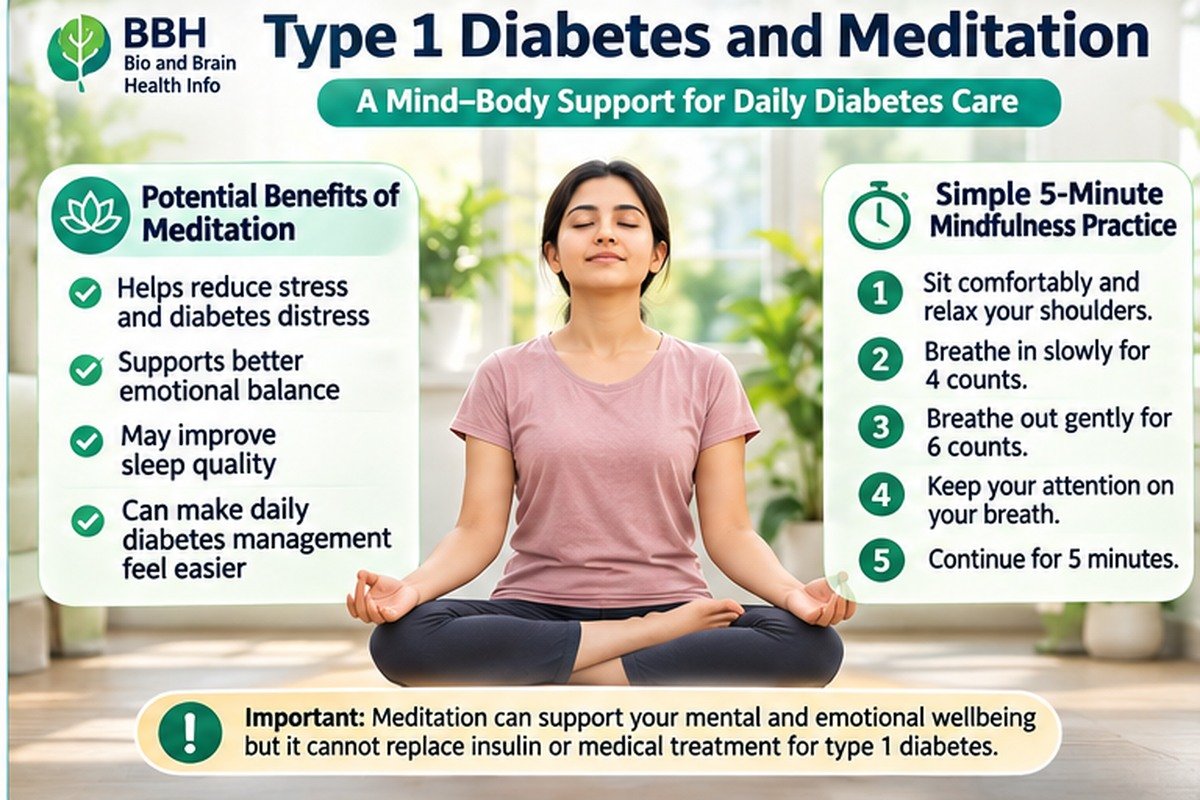
Meditation for type 1 diabetes may support psychological wellbeing, including perceived stress, anxiety and diabetes distress. Evidence that meditation reliably reduces A1C in people with type 1 diabetes is limited. Meditation is supportive care, not insulin treatment.
Five-minute beginner routine
- For one minute, sit comfortably and notice your surroundings.
- For two minutes, breathe naturally without forcing breaths.
- For one minute, notice thoughts and worries without self-criticism.
- For one minute, gently return attention to the present.
Practice only when medically well. Treat suspected low blood sugar or emergency symptoms immediately rather than attempting to meditate through them.
Mindfulness and diabetes distress
Mindfulness may create a helpful pause after an unexpected glucose reading. It does not mean ignoring alarms, delaying insulin or avoiding professional support.
What the evidence can and cannot tell us
A small study or a general mindfulness review cannot establish that meditation consistently lowers A1C in type 1 diabetes. The 2026 EASD diabetes-distress guideline provides evidence-based context for psychological interventions, CGM and automated insulin delivery. The main value of meditation here is a possible improvement in coping, not a replacement for type 1 diabetes treatment.
Type 1 Diabetes and Ayurveda: Evidence and Safety
Ayurveda includes traditional diet, lifestyle routines and herbal preparations. General wellbeing practices such as gentle movement, relaxation and regular sleep may fit alongside conventional care, but they are not proof of an Ayurvedic cure.
Can Ayurveda cure type 1 diabetes?
No scientifically established Ayurvedic therapy cures established type 1 diabetes or replaces insulin. Claims promising insulin-free treatment should be treated as unsafe.
What about herbs?
Herbs marketed for glucose control, including fenugreek, bitter melon and gymnema, have limited or non-applicable evidence for type 1 diabetes, and some may interact with medicines. Product purity varies, and certain Ayurvedic products have been contaminated with toxic metals. Discuss exact products with your clinician before using them.
Never stop insulin, fast without a medical plan, or delay emergency care in favor of complementary therapies.
Complementary care: evidence and safety
For supplement safety, see NCCIH and its Ayurveda evidence review.
Type 1 vs Type 2 Diabetes: Key Differences
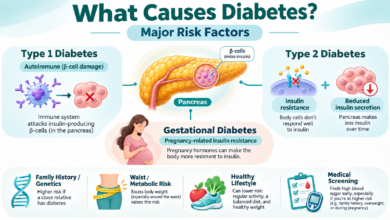
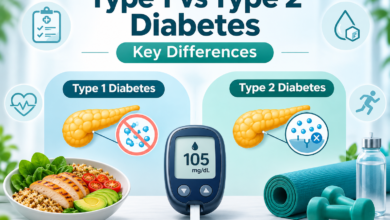
The key difference in type 1 vs type 2 diabetes is the underlying mechanism, not a person’s appearance or age. Type 1 is primarily autoimmune; type 2 commonly involves insulin resistance combined with an insufficient insulin response. Some people with type 2 diabetes also use insulin, so treatment alone does not establish the diagnosis.
The key difference between type 1 and type 2 diabetes is the underlying process, not simply the person’s body weight or whether they take insulin.
Long-Term Type 1 Diabetes Management
Long-term care should be tailored to the individual rather than a single universal glucose target. The aim is safer, sustainable glucose management, not flawless readings every day. It also includes regular reviews of cardiovascular health, kidney function, eyes, feet, mental wellbeing, vaccinations and individualized screening.
Pregnancy, travel and family support
Pregnancy requires specialist planning and different glucose goals. For travel, bring backup supplies, emergency carbohydrates, glucagon when prescribed, and a plan for insulin storage. Family members and school or workplace contacts can learn how to respond to hypoglycemia while respecting privacy and independence.
When to Seek Emergency Medical Care
Seek immediate care for vomiting with ketones or high glucose, deep or rapid breathing, marked abdominal pain, fruity breath, confusion, seizures, unconsciousness or inability to keep fluids down. These may signal DKA, severe hypoglycemia or another serious condition. Follow your emergency treatment plan and contact local emergency services.
Frequently Asked Questions
What are the first symptoms of type 1 diabetes?
Excessive thirst, frequent urination, fatigue, unexpected weight loss and blurred vision are common first signs.
Can adults develop type 1 diabetes?
Yes. Type 1 diabetes can appear at any age, sometimes more gradually in adults.
What causes type 1 diabetes?
Autoimmune beta-cell destruction is central, with genetic and possible environmental influences.
Can type 1 diabetes be cured?
There is no broadly established cure. New immune and cell-based therapies are under investigation.
Can meditation lower blood sugar?
It may help coping and stress, but it does not reliably replace medical glucose management or insulin.
Is Ayurveda safe for type 1 diabetes?
Some general lifestyle practices are compatible with care, but herbal products vary in evidence and safety. Seek professional advice before using supplements.
Can you live an active life with type 1 diabetes?
Many people do, with appropriate insulin therapy, monitoring, preventive care and support.
Free Daily Care and Wellbeing Tracker
Coming in the editorial package: a downloadable Type 1 Diabetes Daily Care and Wellbeing Tracker for recording glucose, prescribed insulin, meals, sleep, mood and questions for healthcare appointments. The PDF link will be added when the file is created and uploaded.
Type 1 Diabetes Daily Care and Wellbeing Tracker: a record of prescribed insulin, glucose, meals, mood, sleep, activity and questions for medical visits. PDF download will be added after creation; no file is linked yet.
Key Takeaways
Recognizing new symptoms early supports timely diagnosis. Insulin remains essential for established type 1 diabetes, while glucose monitoring, nutrition, activity and preventive screening support everyday health. Emotional wellbeing and concentration also deserve attention. Meditation may help with stress, but complementary treatments cannot replace insulin or emergency care. Sustainable routines matter more than chasing perfect readings.
Continue learning with BBH
Handpicked reading to help you understand diabetes, brain health and emotional wellbeing.
Diabetes: Types, Symptoms, Causes and Treatment
Type 2 Diabetes: Symptoms, Causes and Treatment
Vitamin B12 Deficiency and Brain Fog
How to Calm Emotions Naturally
If you have symptoms that may reflect low glucose, check glucose as directed rather than assuming another explanation.
These educational links are not emergency or clinical services.
Clinical evidence update
Scientific References and Medical Disclaimer
- NIDDK: Type 1 Diabetes
- NICE NG17: Type 1 Diabetes in Adults
- CDC: Diabetic Ketoacidosis
- CDC: Low Blood Sugar Treatment
- NCCIH: Diabetes and Supplements
- NCCIH: Ayurvedic Medicine
Educational information only; not a diagnosis or individualized treatment plan. Insulin doses and glucose targets must be set with a qualified healthcare professional. Suspected DKA or severe hypoglycemia needs emergency care. Independent clinical review of this article is not claimed.