Gestational Diabetes: Complete Guide
Gestational Diabetes: Symptoms and Treatment


Gestational diabetes is high blood glucose first recognized during pregnancy that does not clearly meet criteria for diabetes diagnosed before pregnancy. Many people feel entirely well when a routine screening test detects it. The condition deserves attention because glucose levels influence the health of both the pregnant person and the developing baby, yet appropriate monitoring and treatment can reduce important risks.
Thank you for reading this post, don't forget to subscribe!This practical guide explains gestational diabetes symptoms, gestational diabetes risk factors, the gestational diabetes test, gestational diabetes blood sugar levels, nutrition and treatment. It also covers what changes after delivery and why follow-up matters long after pregnancy ends. Recommendations are informed by the 2026 American Diabetes Association Standards of Care, NIDDK and clinical guidelines; individual care plans may differ.
Gestational Diabetes: Quick Answer
The essentials
Gestational diabetes develops when pregnancy increases insulin resistance and the pancreas cannot supply enough insulin to maintain recommended glucose levels. Screening is usually performed at 24–28 weeks, sometimes earlier to detect previously unrecognized diabetes or elevated risk. Treatment combines individualized eating plans, activity, glucose monitoring and, when necessary, medication. Glucose often improves after birth, but postpartum testing remains essential.
What Is Gestational Diabetes?
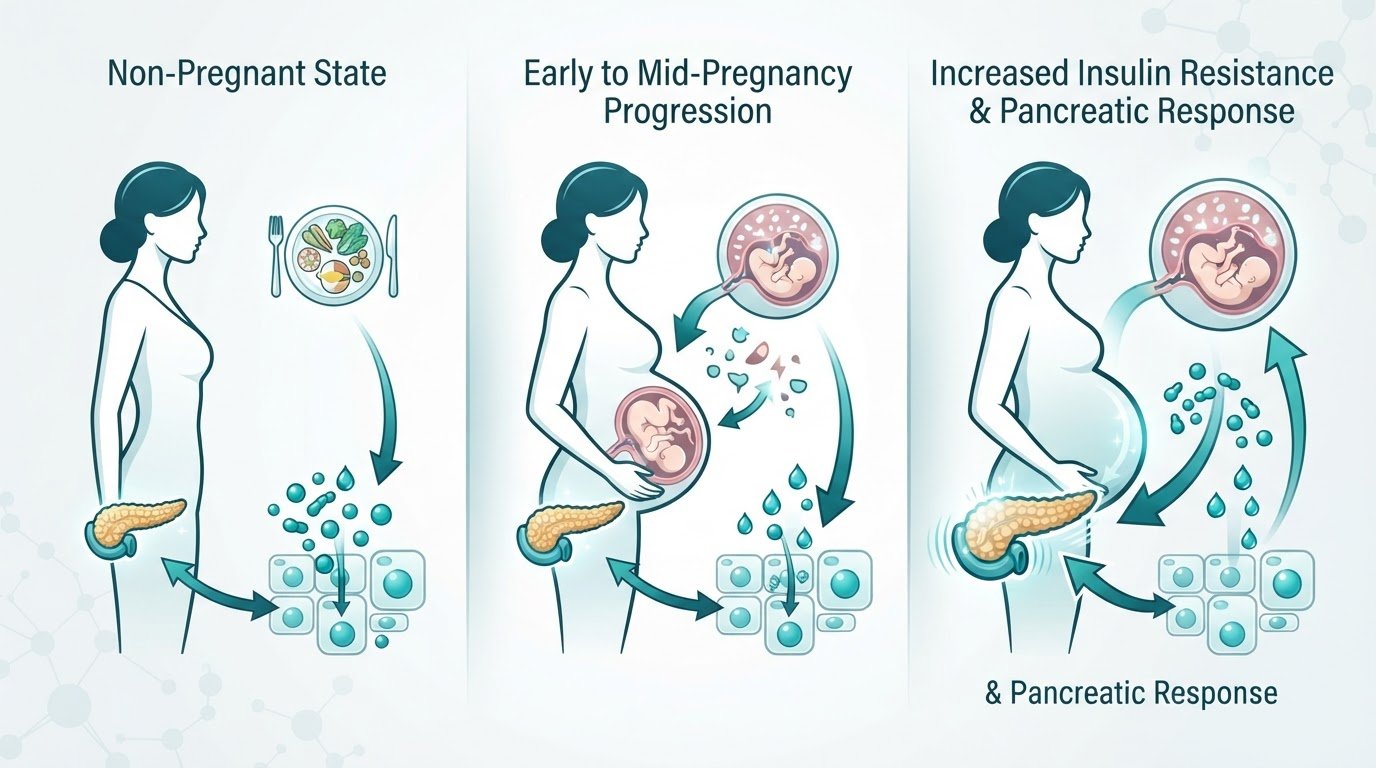
During pregnancy, the placenta produces hormones that support fetal development while changing how the pregnant person’s body responds to insulin. Some insulin resistance is expected. If the pancreas cannot compensate, maternal blood glucose increases enough to meet the criteria for gestational diabetes.
Clinicians distinguish this condition from type 1 or type 2 diabetes that existed before pregnancy, sometimes called preexisting or overt diabetes in pregnancy. Early pregnancy tests may identify previously unrecognized diabetes rather than the form usually diagnosed later in pregnancy. This difference matters because monitoring and treatment requirements can vary.
A diagnosis does not prove that someone caused diabetes by eating sweets or exercising too little. Some people have no obvious risk factors. The important next step is to develop a care plan with a maternity or diabetes team.
For the wider explanation of diabetes mechanisms beyond pregnancy, see our complete guide to diabetes types, symptoms and causes.
What Causes Gestational Diabetes?
Placental hormones and insulin resistance
Hormones produced during pregnancy reduce the effectiveness of insulin in some tissues. This helps ensure nutrients remain available for the developing fetus. The pancreas normally responds by secreting additional insulin, but it may not produce enough in people who develop pregnancy-related high glucose.
Why pancreatic compensation varies
Inherited susceptibility, preexisting insulin resistance, metabolic conditions and differences in beta-cell capacity may influence how effectively the pancreas adapts. These processes explain why two people with similar eating habits can have very different glucose results. They also explain why gestational diabetes can occur without obesity.
Is it the same as type 2 diabetes?
There is overlap in the mechanisms of insulin resistance, but gestational diabetes is a distinct pregnancy-related diagnosis. Some individuals later develop type 2 diabetes, while many do not. A postpartum glucose test is needed to determine whether elevated glucose remains after delivery.
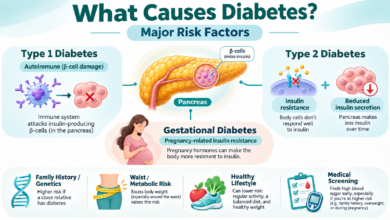
For more context about inherited and metabolic influences, read What Causes Diabetes? Major Risk Factors.
Gestational Diabetes Risk Factors
A person’s probability of developing the condition can rise with certain characteristics, though none guarantees a diagnosis. Recognizing gestational diabetes risk factors supports appropriate early discussion and screening rather than assumptions or blame.
Family and personal medical history
Having a close family member with type 2 diabetes, a previous pregnancy complicated by gestational diabetes or a history of impaired glucose regulation can raise risk. A previous delivery of a larger baby may also prompt clinicians to review metabolic history.
Age, body composition and ancestry
Risk increases with age and may be higher with excess adiposity before pregnancy. Yet some people at lower weights develop gestational diabetes. Population-level patterns also vary by ancestry and by background risk of type 2 diabetes; these differences guide screening rather than determine an individual’s diagnosis.
PCOS and metabolic health
Polycystic ovary syndrome and other conditions associated with insulin resistance may increase susceptibility. High blood pressure or related cardiometabolic conditions can also be relevant. A clinician will weigh these alongside pregnancy history and locally recommended screening practices.
A common misconception
Gestational diabetes is not evidence of personal failure. Many people who eat nutritious food and remain active still develop it. Risk factors help guide care; they are not a verdict on someone’s choices.
Gestational Diabetes Symptoms: What to Notice
Most people with the condition do not experience clear symptoms. Increased thirst, frequent urination or fatigue may occur with elevated glucose, but these experiences can also accompany a normal pregnancy. This makes symptom-based diagnosis unreliable.
More noticeable symptoms may include unusual thirst that persists despite adequate fluids, increased urination beyond a familiar pattern, blurred vision or unexplained changes in wellbeing. Severe hyperglycemia is uncommon in routine gestational diabetes presentations but requires medical assessment.
Because gestational diabetes symptoms are often absent or nonspecific, attending recommended screening is much more dependable than waiting for warning signs. Mention new or concerning changes to your antenatal team.
Because signs can be absent or difficult to distinguish from normal pregnancy, our early signs of diabetes guide explains symptoms that deserve timely testing.
Gestational Diabetes Test: When and How
Routine gestational diabetes screening generally occurs at 24–28 weeks of pregnancy. Some people undergo earlier glucose evaluation because of medical history or concerns about preexisting diabetes. A normal early result does not always remove the need for the usual later screening.
One-step oral glucose tolerance testing
One recognized approach uses a 75-gram oral glucose tolerance test, with a fasting blood sample followed by measurements one and two hours after drinking the glucose solution. In this method, one glucose result at or above a specified pregnancy threshold can establish the diagnosis.
Two-step glucose challenge testing
Another approach begins with a 50-gram glucose challenge test that usually does not require fasting. If the result crosses the local screening cutoff, the person returns for a fasting 100-gram, three-hour oral glucose tolerance test. The diagnostic criteria used depend on local protocols.
The gestational diabetes test is not a measure of how well someone followed dietary advice. It evaluates glucose handling under standardized conditions. Ask your clinical team whether fasting is required, how long the visit takes and when results will be discussed.
Understanding Gestational Diabetes Test Results
Diagnostic cutoffs are not interchangeable between the one-step and two-step methods. A value that triggers a follow-up test in one system might be interpreted differently in another. The laboratory and maternity team should explain which approach was used.
| Testing strategy | Threshold or rule | Clinical meaning |
|---|---|---|
| One-step 75-g OGTT | Fasting ≥92 mg/dL; 1 hour ≥180 mg/dL; 2 hours ≥153 mg/dL | One value at or above a threshold supports diagnosis under IADPSG/ADA one-step criteria |
| Two-step screen: 50-g challenge | 1-hour screen cutoff selected locally (often 130, 135 or 140 mg/dL) | Positive screen prompts a separate diagnostic OGTT; screening alone is not the diagnosis |
| Two-step 100-g OGTT | Fasting ≥95; 1 hour ≥180; 2 hours ≥155; 3 hours ≥140 mg/dL | Usually two or more elevated values under Carpenter–Coustan criteria |
These values summarize 2026 ADA-described approaches and are not a substitute for your own laboratory’s instructions. Some regions use different criteria and screening pathways. Do not independently decide whether a result is normal or abnormal from a table alone.
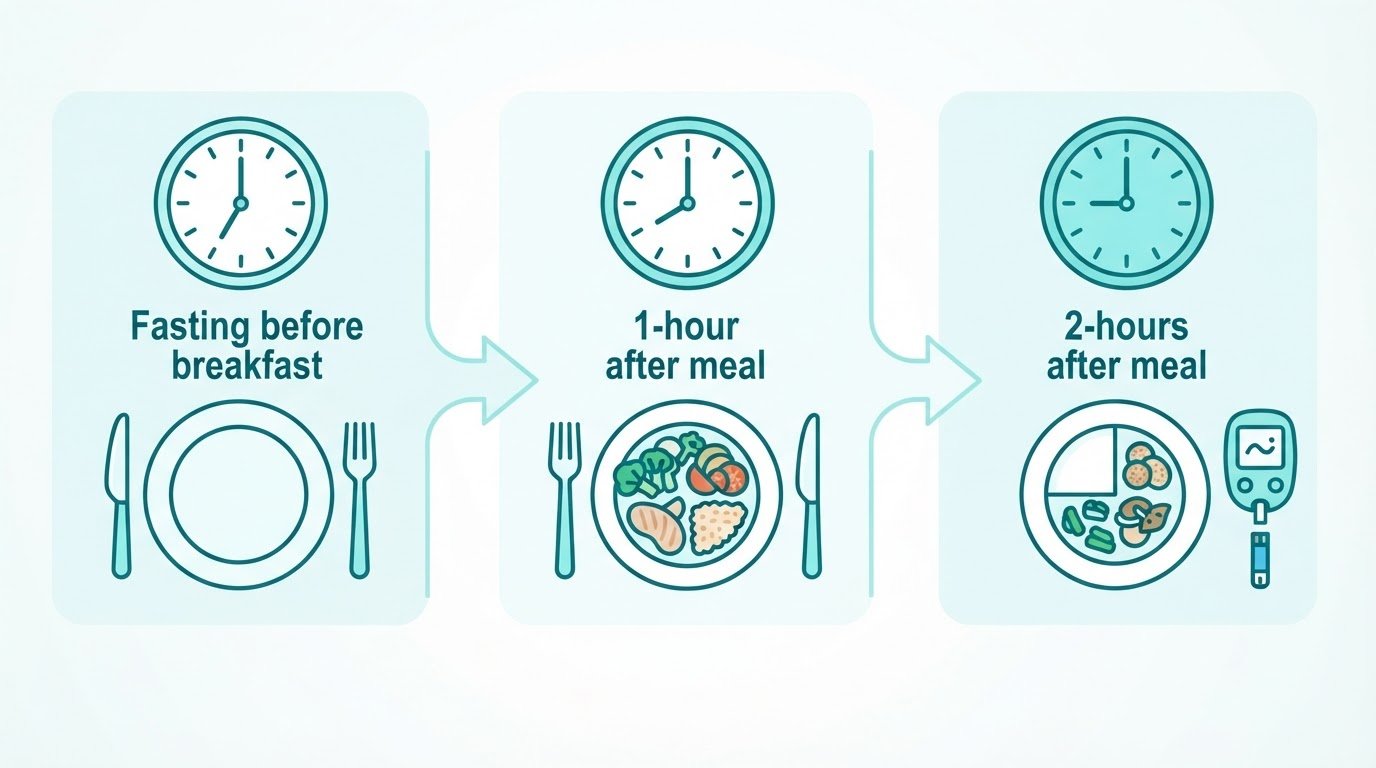
Gestational Diabetes Blood Sugar Levels and Targets
After diagnosis, monitoring looks at everyday glucose patterns rather than repeating diagnostic sugar-load tests. Recommended treatment targets are generally lower during pregnancy than outside pregnancy, because prolonged elevated glucose can affect fetal growth and other pregnancy outcomes.
| Timing of check | Common ADA pregnancy treatment goal |
|---|---|
| Before breakfast / fasting | Below 95 mg/dL (5.3 mmol/L) |
| One hour after a meal | Below 140 mg/dL (7.8 mmol/L) |
| Two hours after a meal | Below 120 mg/dL (6.7 mmol/L) |
These are widely used goals for gestational diabetes blood sugar levels, but the care team may individualize targets depending on the pregnancy and risk of hypoglycemia. Follow the timing your clinician specifies, such as measuring from the start of a meal.
What if a glucose reading is above target?
An isolated above-target reading does not define the entire pregnancy. Record the value, meal timing and relevant circumstances, and discuss patterns with the team. Repeated elevated fasting or post-meal levels may signal a need for changes in the plan. Never change insulin dose independently.
Do monitoring devices replace clinic visits?
Finger-prick meters and, for some people, continuous glucose monitors can support care. Their readings are useful for monitoring, but clinicians also evaluate fetal growth, blood pressure, medication needs and laboratory findings. Device data should be discussed during scheduled reviews.
Gestational Diabetes Diet: Balanced Meal Planning
Nutrition care aims to support fetal development, meet pregnancy nutrient needs and maintain glucose within individualized targets. It should not involve starvation, extreme fasting or eliminating entire food groups without professional guidance.
Carbohydrates are not forbidden
Carbohydrate-containing foods supply energy and nutrients. Type, portion, timing and combinations with protein or fiber can influence post-meal readings. A dietitian may help distribute carbohydrate across meals and snacks rather than advising that all carbohydrate be avoided.
Practical food choices for different cultures
Possible options include vegetables, lentils, beans, eggs, yogurt, fish or other suitable protein sources, whole grains, nuts and unsaturated fats. For an Indian meal, a balanced plate might combine a measured portion of roti or rice, dal, vegetables and a protein source. International choices could pair oats with eggs or yogurt, or whole-grain bread with beans and vegetables. These are examples, not universal portion prescriptions.
Why skipping meals can be unhelpful
Skipping meals may complicate glucose monitoring and nutrition, particularly when taking insulin. Nausea, food aversions, cultural preferences and pregnancy weight changes all deserve consideration. A registered dietitian familiar with diabetes in pregnancy can build a suitable plan.
Nutrition safety
Pregnancy is not the time to attempt an unmonitored ketogenic diet, aggressive calorie restriction or supplement-based glucose treatment. Ask the obstetric and diabetes team for individualized nutritional guidance.
Exercise and Safe Daily Activity
Physical activity can help muscles use glucose and may improve post-meal readings. In an uncomplicated pregnancy, gentle walking or other approved activities may be helpful. The safe type and amount depend on obstetric history, symptoms and any restrictions provided by the maternity team.
A brief walk after a meal may be easier to sustain than a strenuous workout. Someone with pain, bleeding, dizziness, contractions or specific pregnancy complications needs different advice. Stop activity and seek medical guidance if unusual symptoms occur.
Movement supports treatment but cannot replace necessary insulin or ongoing medical monitoring. Sleep and manageable routines matter too; pregnancy fatigue is a reason to adapt expectations, not a reason to feel guilty.
Gestational Diabetes Treatment: When Insulin Helps
A common first step after diagnosis is individualized medical nutrition therapy, appropriate activity and glucose self-monitoring. If readings continue above target, medication may be recommended to reduce pregnancy-related risks.
Why insulin is often preferred
Insulin is commonly recommended when medication is needed because it is effective and does not cross the placenta in clinically meaningful amounts. The type, schedule and dose are individualized; needs can rise as pregnancy advances. Starting insulin is not evidence that the person failed with diet.
What about metformin and other medicines?
Metformin crosses the placenta, and clinical guidelines differ in how they weigh its role. Some teams may use it in selected situations after discussing benefits, uncertainties and local protocols. Other glucose-lowering drugs are not routinely interchangeable with insulin during pregnancy.
Why treatment may change week to week
Insulin resistance often increases later in pregnancy, so a plan that worked earlier may need reassessment. Illness, appetite changes, activity and fetal growth information also affect management. Report patterns of high or low glucose rather than independently changing doses.
Risks for the Baby and Pregnancy
Untreated or persistently elevated maternal glucose is associated with higher risks of excessive fetal growth, birth injury, neonatal hypoglycemia and some other pregnancy complications. Pregnancy hypertension and the possibility of cesarean birth may also be concerns.
These are increased risks, not predictions of what will happen to an individual family. Appropriate treatment reduces several adverse outcomes. Many people with gestational diabetes have healthy pregnancies and babies when they receive coordinated care.
Fetal growth monitoring and additional tests depend on blood glucose control, medication use and other obstetric factors. The care team should explain the reason for each recommended appointment so that the plan feels understandable rather than alarming.
Daily Monitoring and Prenatal Appointments
A practical record may include fasting glucose, post-meal values, medication, meal timing and questions for the diabetes team. A short consistent log is generally more useful than trying to make every reading perfect. Results should be reviewed within the schedule recommended by your clinician.
Prenatal visits also assess blood pressure, fetal growth and symptoms that glucose numbers cannot describe. If your care team recommends ultrasound or additional monitoring, ask which specific question the test will answer.
People using insulin should receive individualized education about hypoglycemia, storage, dosing and sick-day management. Do not follow insulin instructions copied from another person’s pregnancy or an online chart.
Delivery Planning and Hospital Care
A gestational diabetes diagnosis does not automatically mean cesarean delivery or that labor must start on one particular date. Decisions depend on fetal growth estimates, glucose management, medication use, blood pressure, gestational age and other obstetric considerations.
The maternity team may discuss when to deliver, how glucose will be checked during labor and whether insulin needs to change. The newborn may require blood glucose observation shortly after birth, especially when maternal diabetes treatment was needed.
It is helpful to ask who will manage diabetes medication during labor, what happens if delivery occurs earlier than expected and what newborn checks are planned. Decisions should be individualized and revisited as pregnancy progresses.
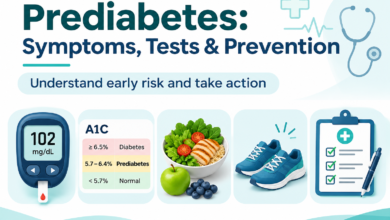
If postpartum testing identifies glucose above normal but below the diabetes range, our prediabetes testing and prevention guide provides further educational reading.
Gestational Diabetes After Delivery
Does glucose usually improve?
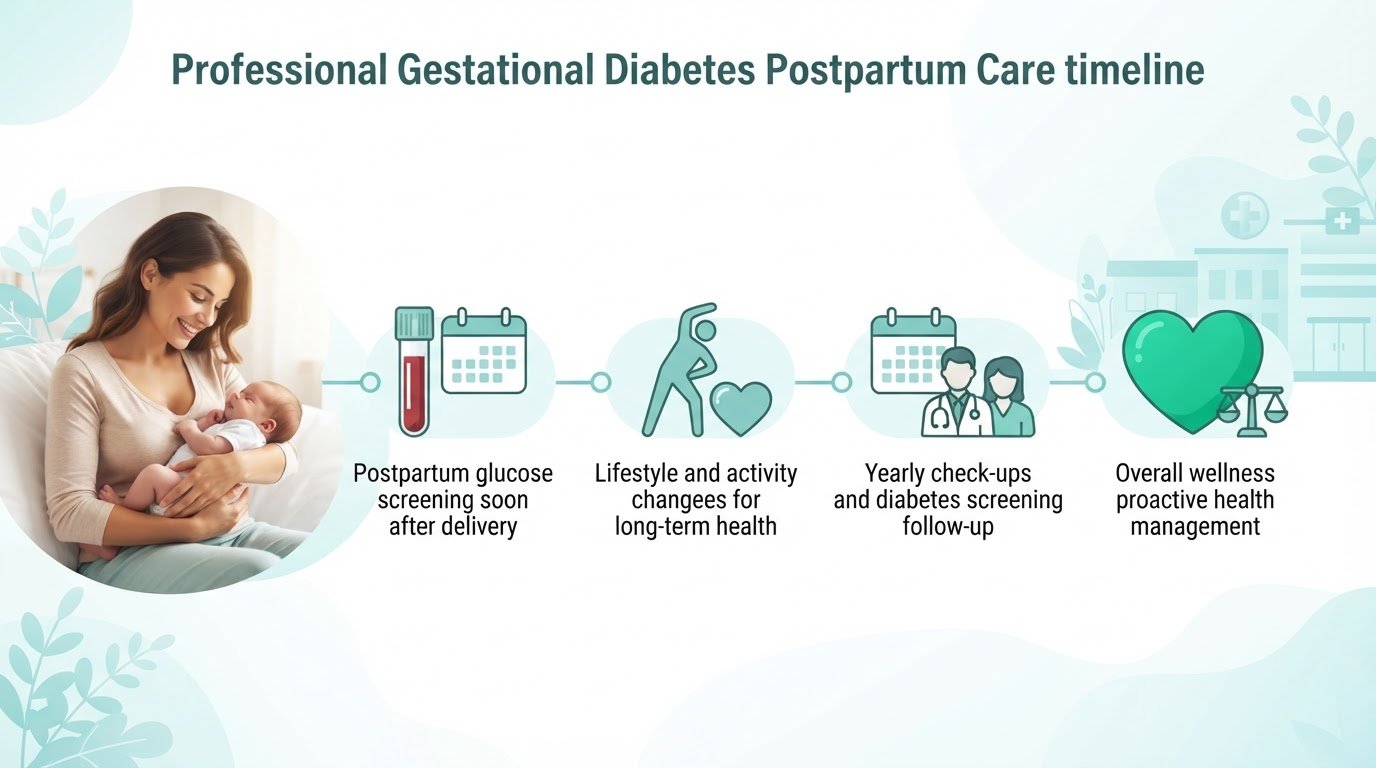
Pregnancy-related insulin resistance often falls rapidly after delivery as placental hormone levels change. Many people no longer require diabetes medication. However, improvement in home readings does not prove that all glucose abnormalities have resolved.
The 4–12 week postpartum test
The ADA recommends a fasting 75-gram oral glucose tolerance test at 4–12 weeks after delivery for people with gestational diabetes. This helps identify persistent diabetes or prediabetes. A1C is less suitable for this early postpartum assessment because pregnancy-related changes, blood loss and red-cell turnover can affect the result.
Why follow-up continues for years
Even with normal postpartum testing, a history of gestational diabetes raises future type 2 diabetes risk. ADA guidance recommends screening every one to three years thereafter. Future pregnancies should also include early discussion of prior gestational diabetes and appropriate screening.
Breastfeeding and ongoing support
Breastfeeding has several health benefits for parent and baby when feasible and desired. A diabetes history should prompt ongoing metabolic follow-up, but it does not prevent someone from seeking lactation support or choosing another feeding plan when clinically or personally appropriate.
Set a postpartum reminder
Before discharge, ask the care team to arrange the 75-g OGTT for 4–12 weeks after delivery. A normal-looking home glucose reading is not a replacement for this recommended follow-up test.
Mental Health and Diabetes Distress in Pregnancy
Managing glucose, appointments, food and pregnancy-related uncertainty can feel demanding. Some people worry about the baby’s health or interpret an unexpected reading as a personal failure. These feelings deserve compassionate practical support, not blame.
Pregnancy-related stress can affect sleep and daily routines, but worry alone does not explain the condition. Asking for nutrition support, a realistic monitoring schedule or help from family members may reduce the burden. Persistent anxiety or low mood should be discussed with maternity and mental health professionals.
Gentle relaxation or mindfulness may help emotional coping, but cannot treat severe hyperglycemia or replace prescribed insulin. If symptoms suggest a glucose emergency, seek clinical assessment rather than assuming they are caused by anxiety.
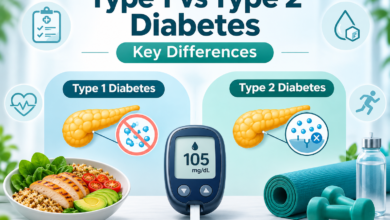
Pregnancy-related diabetes is distinct from established type 1 and type 2 diabetes. See our type 1 vs type 2 diabetes comparison for the differences in insulin production and treatment.
Common Gestational Diabetes Myths
Myth: Only people with obesity develop it
Gestational diabetes can occur at different body weights. Body composition is one part of a larger risk profile that also includes genetics, pregnancy physiology and metabolic history.
Myth: Avoiding all carbohydrate cures it
Restricting carbohydrate without medical guidance may compromise nutritional intake during pregnancy. The goal is an adequate, balanced diet tailored to glucose patterns and fetal development.
Myth: Insulin means the pregnancy is failing
Insulin is a treatment tool used when needed to lower risks. It does not indicate personal failure or predict an unhealthy outcome.
Myth: No symptoms means no diabetes
Many people with the condition feel normal. Laboratory screening is recommended because symptoms are an unreliable indicator.
Myth: It is over forever after birth
Glucose often improves, but postpartum testing and lifelong periodic screening remain important because long-term risk of type 2 diabetes is higher.
When to Seek Urgent Medical Care
During pregnancy, repeated vomiting with inability to keep fluids down, severe weakness, significant breathing changes, confusion, fainting or concerningly high glucose readings require prompt medical advice or emergency assessment. Serious insulin deficiency can sometimes cause diabetic ketoacidosis during pregnancy even without extremely high glucose readings.
Emergency symptoms
Seek urgent maternity or emergency care for reduced fetal movements when applicable, vaginal bleeding, severe abdominal pain, severe headache or vision changes, breathing difficulty, marked confusion, or inability to tolerate fluids. These problems can have causes unrelated to gestational diabetes and should never be managed solely through a blog.
BBH Support and Diabetes Resources
For additional education and guidance, visit BBH Support and Resources or the Diabetes & Blood Sugar Hub. For urgent pregnancy symptoms, contact your maternity team or emergency services rather than relying on website resources.
Frequently Asked Questions
When is the gestational diabetes test done?
Routine screening is usually at 24–28 weeks. Earlier evaluation may be needed to assess previously unrecognized diabetes or heightened risk.
Can I have gestational diabetes without symptoms?
Yes. Most people do not notice specific symptoms; screening is the reliable way to detect it.
What are typical blood sugar targets?
Common fasting and after-meal treatment targets are below 95, below 140 at one hour, and below 120 mg/dL at two hours, respectively. Your team may personalize them.
Do I need insulin immediately?
Not always. Nutrition therapy, appropriate activity and home monitoring are often tried first. Medication is recommended when clinically needed.
Will my baby definitely be large?
No. Elevated glucose can increase the risk of excessive fetal growth, but individual outcomes vary and appropriate treatment helps reduce risk.
What happens after delivery?
Glucose often improves, yet a 75-g OGTT at 4–12 weeks is recommended, followed by periodic screening for type 2 diabetes.
Is metformin safe in every pregnancy?
No universal treatment recommendation fits everyone. Metformin crosses the placenta, so clinicians should discuss its benefits and limitations individually.
Related BBH Blogs and Support
Explore the BBH Diabetes Library
Support: BBH Support and Resources · Diabetes & Blood Sugar Hub. These pages provide general education and are not emergency services.
Scientific References and Disclaimer
- ADA Standards of Care in Diabetes—2026: Management of Diabetes in Pregnancy
- ADA Standards 2026: Diagnosis and Classification (pregnancy screening methods)
- NIDDK: Gestational Diabetes Overview
- NIDDK: Testing and Diagnosis
- ADA 2026: Pregnancy Management and Postpartum Follow-Up
Medical and editorial disclaimer
This article provides education, not diagnosis or individualized pregnancy care. Treatment, test interpretation, glucose goals, nutrition and delivery decisions must be made with the antenatal team. Seek emergency care for severe symptoms. Independent clinical review of this article is not claimed.
Written by Shubhangi Halande · Bio and Brain Health Info (BBH) · Category: Physical Health → Diabetes & Blood Sugar