Child Development in Pune: A Parent’s Guide
Child Development in Pune: Ages 8–15

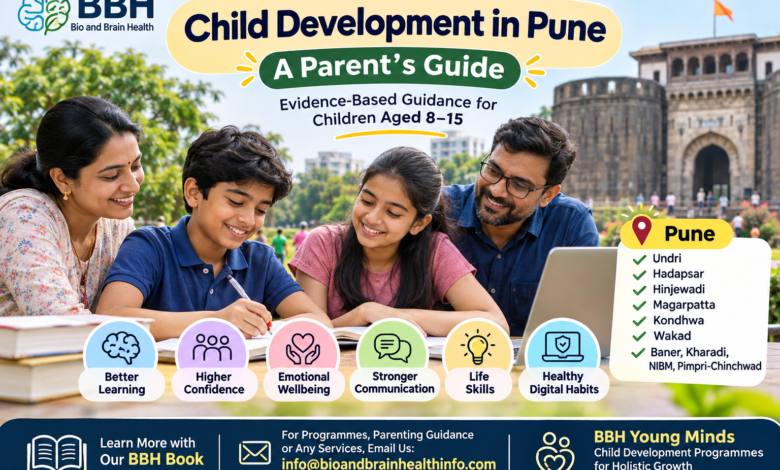
A practical, evidence-informed guide for Pune families with children ages 8–15.
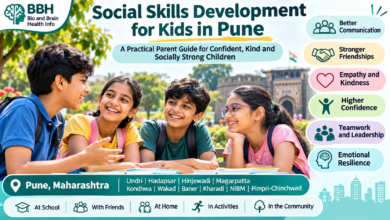
Thank you for reading this post, don't forget to subscribe!Raising children in Pune involves more than choosing a school or tuition class. Parents in Undri, Hadapsar, Hinjewadi, Magarpatta, Kondhwa, Wakad, Baner and Kharadi also want children to become confident, emotionally healthy, curious and prepared for a changing world. Child development in Pune includes physical health, learning, relationships, communication, independence and digital wellbeing.
In This Guide
- Understanding development at ages 8–15
- Confidence and emotional wellbeing
- Learning and digital habits
- Physical activity and sleep
- Pune locality planning
- Choosing programmes safely
- A 30-day family plan
- FAQs and research sources
What Does Healthy Child Development Mean?
Healthy development cannot be measured by examination marks or public-speaking ability alone. Children progress at different rates, and being quiet is not the same as lacking confidence. The CDC highlights the value of nurturing relationships, positive parenting and age-appropriate learning opportunities.
| Area | What to support |
|---|---|
| Physical | Movement, coordination, rest and nutrition |
| Cognitive | Reasoning, curiosity and problem-solving |
| Emotional | Naming feelings and seeking support |
| Social | Friendships, empathy and boundaries |
| Digital | Online safety and responsible technology use |
Child Development in Pune: Ages 8–15
Ages 8–11: Building Foundations
Give children manageable responsibilities, opportunities to read and create, supervised decisions and time to play. A ten-year-old might plan a small family activity within a ₹500 budget, explaining choices and trade-offs. The goal is practice, not pressure.
Ages 12–15: Identity and Independence
Early adolescents often seek more privacy, peer acceptance and independence. Parents can keep clear safety boundaries while offering age-appropriate choices. Ask open questions such as “Would you prefer advice or someone to listen?” rather than demanding immediate explanations.
Emotional Wellbeing and Confidence
Confidence does not require extroversion. Children can be thoughtful and quiet while still able to ask for help, attempt challenges and recover from mistakes. Encourage small tasks: asking a teacher a question, explaining a project or choosing a hobby. Praise effort and useful strategies, not fixed labels.
Helping Children Regulate Emotions
When children are upset, validate the feeling while maintaining boundaries: “I can see you are frustrated. We can talk when you are ready.” Adults model respectful disagreement and coping strategies. Persistent distress affecting daily functioning deserves professional attention.
Learning, Concentration and Cognitive Growth
Academic marks matter to many families, but creativity, curiosity and problem-solving also deserve attention. Discuss stories, design simple science projects, compare shopping options or ask children to explain their reasoning. Difficulties concentrating can have several causes, including sleep loss, stress and learning difficulties; occasional inattention alone is not a diagnosis.
Digital Parenting and Online Safety
Digital technology can support learning, communication and creativity. It can also introduce privacy risks, cyberbullying, harmful content and habits that displace sleep or physical activity. Develop a family agreement covering device-free meals, suitable recreational use, privacy settings, reporting uncomfortable interactions and bedtime routines. There is no single screen-time number that guarantees healthy development for every child aged 8–15.
Teaching AI Literacy
Children should learn to ask: Who produced this information? Can it be verified? Am I sharing private information? AI-generated answers may be wrong or incomplete. These habits strengthen critical thinking.
Physical Activity, Sleep and Healthy Routines
The World Health Organization recommends an average of at least 60 minutes of moderate-to-vigorous physical activity per day across the week for ages 5–17. Walking, dancing, active games, cycling and sports can all contribute. Support adequate sleep, regular meals and unstructured downtime; avoid overscheduling children with tuition and classes.
Child Development Activities in Pune: Local Planning
For families exploring child development in Pune, travel time, accessibility, cost and safeguarding matter as much as programme branding. The following are activity ideas, not claims that particular providers are operating in these neighbourhoods.
| Locality | Ideas for families |
|---|---|
| Undri | Reading, art and outdoor games |
| Hadapsar | Team sports and communication practice |
| Hinjewadi | Creative projects and digital literacy |
| Magarpatta | Group activities and teamwork |
| Kondhwa / NIBM | Storytelling and cultural activities |
| Wakad | Problem-solving games and movement |
| Baner / Kharadi | Music, art and science projects |
| Pimpri-Chinchwad | Community sports and practical life skills |
Pune-Specific Challenges Parents Can Address
Commuting between school, home and classes can reduce time for sleep and play. Multilingual families may use Marathi, Hindi and English; speaking multiple languages is not itself a developmental disorder. Academic comparison can create pressure. Plan activities around the child’s interests and family capacity, not an idealised schedule.
How to Choose Child Development Programmes in Pune
Before enrolling, ask whether activities are age-appropriate, instructors are qualified for their roles, there is a safeguarding policy, fees and refunds are transparent, and learning goals are realistic. No course can guarantee a personality transformation.
| Parent question | Why it matters |
|---|---|
| Are staff appropriately trained? | Teaching quality and child safety |
| How are children supervised? | Safeguarding and reporting |
| What skills are practised? | Meaningful, age-appropriate goals |
| How is progress discussed? | Useful feedback without labels |
| What are the fees and refund rules? | Transparent decisions |
Does Every Child Need Personality Development Classes?
No. Many skills grow through family life, school, friendships, hobbies and community activities. A quiet child does not need to become extroverted. Consider structured classes when the child has a meaningful goal and wants supported practice.
Measure Progress Without Labelling Children
Rather than giving a child an unvalidated “confidence score,” observe practical changes: asking for clarification, completing one routine independently, naming a feeling or participating in a chosen activity. Progress is rarely linear.
When to Seek Professional Support
Consult a paediatrician or appropriately qualified child mental health or developmental professional if there are persistent or worsening concerns, marked changes in behaviour, significant learning difficulties, school avoidance, serious distress or developmental regression. Educational classes are not substitutes for clinical assessment or treatment. If a child expresses immediate intent to harm themselves or others, stay with them and seek urgent emergency assistance.
A 30-Day Family Development Plan
Week 1: Connect
Spend 10–15 uninterrupted minutes daily listening to your child’s interests and concerns.
Week 2: Practise Confidence
Choose one manageable communication or independence goal together, such as asking a question or organising school materials.
Week 3: Review Routines
Agree on one realistic change to sleep, movement or digital habits.
Week 4: Reflect
Discuss what was enjoyable, difficult and worth continuing. Celebrate effort rather than comparing with others.
BBH Young Minds: Parent Resources in Pune
BBH Young Minds is a developing educational initiative of BioAndBrainHealthInfo.com, exploring resources on confidence, emotional wellbeing, communication, digital safety, learning and future-ready skills for ages 8–15. Future programmes are being considered for Pune, including Undri, Hadapsar and Hinjewadi; venues, availability and services are not yet confirmed.
Our parenting book Child Development in the Digital Age explores screen time, online safety, AI and healthy digital habits. A purchase link can be added once availability is verified.
Educational enquiries: info@bioandbrainhealthinfo.com. Please mention your Pune locality and child’s age group.
Why Choose BBH Young Minds for Child Development Guidance in Pune?
Parents looking for child development guidance in Pune need practical, understandable information rather than promises of instant results. BBH Young Minds is an educational initiative being developed by Bio and Brain Health Info to help families explore child development and parenting topics.
How BBH Can Help Pune Parents
- Evidence-informed education: Resources on emotional wellbeing, behaviour, learning, family relationships and healthy routines, with the aim of making research understandable.
- Guidance for ages 8–15: Topics include confidence, communication, independence, social skills and emotional awareness.
- Practical activities: Family conversations, reflection exercises and age-appropriate learning activities parents can adapt at home.
- Digital-age parenting: Information about screen habits, online safety, AI literacy and future-ready skills.
- Pune-focused information: Content designed with families in Undri, Hadapsar, Hinjewadi, Magarpatta, Kondhwa, Wakad and other Pune neighbourhoods in mind.
Future BBH Young Minds Programmes
BBH Young Minds is exploring possible educational programmes for children aged 8–15 in Pune. These are still in the planning stage: no venue, timetable, enrolment availability or professional service is confirmed in this article. BBH educational resources are not a substitute for individual clinical assessment or treatment.
Contact BBH for Parenting Resources
For educational enquiries and future initiative updates, email info@bioandbrainhealthinfo.com. Include your child’s age group, Pune locality and the topic you would like guidance on.
Frequently Asked Questions
What is the best age to begin development activities?
Skills can be supported throughout childhood; match activities to the child’s age, interests and abilities.
Are personality classes essential?
No. They can provide optional practice, but home, school, friendships and hobbies also support growth.
How can Pune parents help children build confidence?
Offer manageable challenges, listen respectfully, recognise effort and avoid comparisons.
Does screen time always harm development?
No. Content, context and whether screens displace sleep, exercise and relationships all matter.
Is BBH Young Minds already running classes?
No confirmed in-person programme is advertised in this article. Contact BBH for future educational updates.
For practical, age-appropriate ideas, read Child Development Activities for Kids in Pune. Parents may also find our Children and Parenting resources and BBH Support Resources useful.
Final Thoughts
Child development in Pune is about more than marks or expensive classes. Safe relationships, realistic expectations, play, learning, physical health and emotional support matter. Families can begin with small changes at home and choose external programmes carefully.
Research and Further Reading
Educational disclaimer: This article provides general educational information, not individual medical, psychological or developmental diagnosis or treatment. Seek qualified professional guidance for persistent concerns.