How to Build Healthy Daily Routines for Pune Schoolchildren
Daily Routine for Schoolchildren in Pune

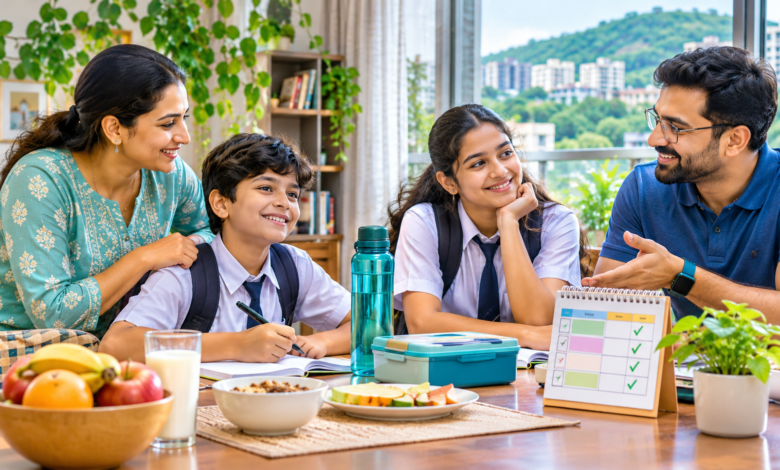
Creating healthy daily routines for Pune schoolchildren does not require a perfect timetable or expensive coaching. For children aged 8–15, a useful schedule balances sleep, school, meals, movement, learning, relationships and recovery. Pune families also need to consider real commute times, changing weather and differing school schedules. This guide explains what research supports, what remains individual, and how to build a flexible plan without turning family life into constant supervision.
Thank you for reading this post, don't forget to subscribe!Why Daily Routines Matter for Children
A routine is a predictable sequence of activities, not a rigid timetable that every family must follow. Predictability can reduce repeated negotiations and help children practise independence. However, routine alone does not treat anxiety, ADHD, learning difficulties or sleep disorders. Children differ in temperament, disability, developmental stage and family circumstances. Parents should build a schedule around their child’s actual needs, not compare it with a neighbour’s social-media timetable. A useful routine protects sleep, meals, movement, schoolwork, relationships and free time. It should also contain enough flexibility for festivals, illness, exams and unexpected traffic. The goal is a dependable rhythm, not perfection. Start by observing the current week: when does the child wake, travel, eat, feel tired, study and relax? Ask the child which part of the day feels hardest. This conversation often reveals a more useful starting point than adding more activities.
Healthy Daily Routines for Pune Schoolchildren: Start With Sleep
Sleep is the foundation of a sustainable schedule. The American Academy of Sleep Medicine recommends 9–12 hours per 24 hours for children aged 6–12 and 8–10 hours for teenagers aged 13–18. These are general recommendations; persistent insomnia, loud snoring or significant daytime sleepiness deserves medical attention. Work backwards from the actual school departure time to plan a realistic bedtime. Allow time for washing, breakfast and a calm transition, rather than calculating only the hours spent in bed. Keep the last part of the evening predictable: finish urgent homework, prepare school materials, reduce stimulating activities and choose a calming activity. Avoid treating sleep as a reward that can be traded for extra coaching. A teenager with a very early bus may need substantial changes to evening commitments. On weekends, avoid dramatic shifts where practical, but do not shame children for needing rest. If a schedule routinely prevents adequate sleep, the schedule—not the child—needs reconsideration.
Morning Routines Without Shouting
A rushed morning can set the tone for the entire school day. The most effective change may happen the previous evening: pack the bag, check the timetable, fill the water bottle and place the uniform where it is easy to find. Create a simple visual checklist for younger children. Older students can maintain their own list with a brief parent check-in. Avoid using the morning to debate grades, screen habits or family disagreements. Focus on essential tasks and speak in short, clear instructions. Give children time to wake fully and eat when possible. If a child repeatedly refuses school or develops frequent morning stomachaches, explore bullying, anxiety, sleep, illness and learning challenges rather than assuming stubbornness. A parent can say, “Mornings seem difficult lately. What part is hardest?” and seek professional guidance when the pattern persists. A successful morning is one that is safe and repeatable, not one completed at record speed.
Breakfast, Lunchboxes and Hydration
Food routines should support growth without creating guilt about body size or appetite. Offer regular opportunities to eat and include a variety of foods over time. A practical Indian breakfast might include idli with sambar, vegetable poha with a protein-rich accompaniment, eggs with roti, or another familiar family meal. Lunchboxes can combine grains, vegetables, fruit and a protein source according to the family’s budget, dietary practices, allergies and the child’s preferences. There is no single ideal Pune school lunchbox. Encourage water availability, especially during hot weather and outdoor activity. Children with diabetes, food allergies or other medical conditions may require an individual plan from their healthcare team. Avoid labelling foods as morally good or bad, and do not force children to finish every portion. Invite them to help plan meals and notice hunger and fullness cues. Food safety matters in warm weather: use appropriate containers and follow school guidance about storage.
After-School Recovery Before Homework
Many schoolchildren need a transition after classes and commuting. A child who has spent hours listening, sitting and navigating peer relationships may not be ready for immediate homework. Consider a snack, water, quiet conversation, outdoor play or a short rest. Ask what type of break helps rather than prescribing one activity for everyone. Some children prefer movement; others need reduced noise. Keep the break reasonably predictable so it does not turn into an unplanned late evening. A ten-minute conversation can focus on connection instead of interrogation: “What was interesting today?” or “Was anything difficult?” If the child does not want to talk immediately, try again later. This transition is particularly relevant when school travel is lengthy. Parents can make a simple agreement: after arriving home, wash up, eat, rest briefly and then review the day’s responsibilities together.
Homework, Focus and Study Breaks
Effective study routines depend on age, workload and learning needs. A younger child may benefit from one short task at a time and an adult nearby; an older student can practise planning priorities and checking completed work. Break large assignments into steps, place materials within reach and reduce unnecessary distractions. Study breaks should be flexible rather than imposed by an arbitrary universal timer. Ask whether the child understands the task before assuming a motivation problem. If homework regularly consumes the evening and interferes with sleep, discuss workload and support with teachers. During examination periods, focus on consistent preparation rather than marathon cramming. Parents can praise specific strategies—asking for clarification, revising mistakes, organising notes—instead of ranking siblings or classmates. Learning difficulties, ADHD, stress or sensory needs may require tailored adjustments and professional input. A schedule should make learning manageable, not turn home into a second high-pressure classroom.
Movement, Play and Unstructured Time
WHO guidance for ages 5–17 recommends an average of at least 60 minutes of moderate-to-vigorous physical activity daily across the week, alongside muscle- and bone-strengthening activities on at least three days weekly. This is a population-level guideline, and children with medical conditions or disabilities may need adaptations. Movement can include walking, cycling in safe areas, sports, dance and active games. It need not require an expensive academy. Protect some unstructured play: children benefit from choosing activities, negotiating rules and exploring interests without constant adult direction. In Pune, consider heat, monsoon rain, traffic, air quality and access to safe play spaces. Indoor movement is a reasonable alternative during unsafe weather. Avoid making physical activity a punishment for eating or gaining weight. Encourage enjoyment, gradual participation and appropriate hydration. The most useful plan is one the family can sustain over months.
Healthy Daily Routines for Pune Schoolchildren and Screen Use
Screen use is not one single behaviour. Online homework, video calls, creative projects and endless late-night scrolling differ in purpose and impact. Rather than relying only on a fixed number of minutes, assess whether devices displace sleep, physical activity, school responsibilities or relationships. Agree on device-free times such as meals and the period before sleep when practical. Discuss privacy, respectful communication, cyberbullying and how to report uncomfortable interactions. Parents should model the boundaries they expect. For older children, practise checking online claims against trustworthy sources and explain that AI-generated content can sound confident while being inaccurate. Keep devices in shared spaces when age-appropriate, but respect growing privacy and autonomy. If technology is a major source of conflict, collaborate on one change at a time and review whether it improves wellbeing. Avoid sudden, unexplained restrictions that may discourage children from reporting online problems.
Family Connection and Emotional Wellbeing
A daily routine should contain small opportunities for connection, not only tasks. A shared meal, short walk, bedtime conversation or weekend game can create space for children to discuss worries. Listen without immediately correcting or offering a lecture. Children need boundaries, but they also need to know that mistakes do not threaten their relationship with caregivers. Parents managing financial pressure, work stress or conflict may find consistency difficult; a modest routine is still worthwhile. Avoid asking children to solve adult problems. When a parent speaks harshly, a brief apology models repair: “I was frustrated and raised my voice. I should have handled that better.” If a child becomes persistently withdrawn, unusually irritable or fearful, consider stressors at school and home and seek qualified help where appropriate. Emotional wellbeing is not measured by constant cheerfulness. It includes feeling safe enough to ask for support.
Age-Specific Routines: Ages 8–11 and 12–15
Children aged 8–11 often benefit from visible reminders, predictable transitions and a limited set of responsibilities. They might pack supplies, check a timetable or choose between two after-school activities. Children aged 12–15 can participate more actively in planning homework, extracurricular commitments and device boundaries. Their growing independence should be supported with guidance, not treated as proof that adult help is no longer needed. Puberty and changing social relationships may affect sleep preferences, privacy and emotions. Ask adolescents what works for them and negotiate clear expectations. A teenager may need a quieter study space, while a younger child may work best near an adult. These are examples, not rigid developmental rules. Neurodivergent children and children with disabilities may need visual schedules, sensory accommodations, extra transition time or accessible activities. The best routine is individualised, respectful and reviewed as needs change.
Pune Commutes: Undri, Hadapsar and Hinjewadi
School travel is an overlooked factor in many routine guides. Families in Undri, Hadapsar and Hinjewadi may face different distances and commuting patterns depending on the actual school and home location. Parents in Magarpatta, Kondhwa and Wakad should also consider pickup arrangements and after-school classes when setting bedtimes. The same applies in Baner, Kharadi, NIBM and Pimpri-Chinchwad. Do not assume that a neighbourhood alone predicts travel time or school quality. Instead, record the real departure and arrival times for one week. If commuting consumes a large part of the day, protect recovery time and reconsider optional activities before cutting sleep. Keep an emergency contact plan and age-appropriate road-safety expectations. For school transport, follow the school’s procedures and teach children whom to contact if plans change. This local planning approach is more useful than copying a generic timetable designed for a child who lives beside the school.
Content Gap: A Routine That Survives Disruptions
Most routine advice shows an ideal weekday. Real families also experience exam weeks, grandparents visiting, illness, heavy rain, traffic delays and caregivers working irregular hours. Build a minimum viable routine: three anchors that remain useful even when the day changes. These might be a consistent wake-up process, regular opportunities for food and a calming bedtime. Treat homework and activities as adjustable around those anchors. Create a simple backup plan for late arrivals: identify essential school tasks, move optional tasks and communicate with teachers if needed. For families with multiple caregivers, write down the core routine so expectations remain reasonably consistent. The aim is resilience, not identical days. If a child has a disability or chronic health condition, plan accommodations with relevant professionals. A routine that can recover from disruption is more valuable than a beautifully printed schedule that collapses after one difficult afternoon.

Sample School-Day Timetable: Adapt, Don’t Copy
Use this example only as a planning template; actual school hours, commute, sleep needs and family responsibilities vary. Morning: wake with enough time for hygiene, breakfast and departure. School period: attend classes, meals and appropriate activity. After arrival: hydration, snack and a recovery break. Late afternoon: homework in manageable blocks, movement or play. Evening: dinner, family connection, preparing materials for the next day and a wind-down routine. Work backwards from the recommended sleep duration rather than prescribing a universal 6 a.m. wake-up. A child returning home late may need fewer extracurricular commitments. An adolescent with a later school start may follow a different schedule. The timetable should be developed with the child and reviewed after a week. Ask whether the plan leaves room for rest, friendship, creativity and unexpected needs.
Healthy Daily Routines for Pune Schoolchildren: A 30-Day Plan
Week one is for observation: record sleep, school travel, meals, homework and free time without judgement. Ask the child which part of the day feels rushed. Week two is for one adjustment: prepare school items the night before, introduce a predictable after-school break or protect bedtime. Week three is for shared ownership: let the child choose a realistic responsibility and explain what support they need. Week four is for review: what improved, what became harder and which change should remain? Do not introduce several demanding rules at once. Track broad patterns, not every minute. Celebrate progress such as fewer morning conflicts or more consistent sleep opportunities, but do not promise that routines alone will improve grades or mental health. If a problem persists despite reasonable adjustments, consider school and healthcare support. This BBH four-week plan is an educational planning tool, not a validated clinical intervention.
When a Routine Problem Needs Professional Help
Seek professional advice if a child has persistent sleep problems, frequent school refusal, significant anxiety, major changes in mood or behaviour, concerning eating patterns or ongoing difficulty functioning at home and school. A paediatrician can consider medical and developmental factors and recommend appropriate referrals. Discuss school-related concerns with teachers while protecting the child’s privacy. Sudden loss of previously acquired skills or serious safety concerns should not be treated as a simple scheduling issue. If a child expresses intent to harm themselves or is in immediate danger, seek emergency assistance promptly. Avoid diagnosing a child from a checklist or assuming that more discipline will resolve every difficulty. Describe what you have observed, when it began and how it affects daily life. A respectful assessment can identify supports that a routine alone cannot provide.
Frequently Asked Questions
What is the best routine for a Pune schoolchild?
There is no universal timetable. Protect age-appropriate sleep, regular meals, movement, learning, connection and flexible recovery time, taking actual commute and school hours into account.
How long should children study after school?
It depends on age, assignments and learning needs. If homework consistently disrupts sleep or wellbeing, discuss the workload with teachers.
Should every child wake at 5 a.m.?
No. A wake-up time should follow the real school schedule while preserving sufficient sleep. Early waking is not inherently healthier.
What if my child refuses the schedule?
Ask which part feels difficult, offer age-appropriate choices and start with one manageable change. Persistent distress may require further support.
Are weekend routines necessary?
Some consistency can help, but family time and flexibility matter. Avoid extreme sleep shifts when practical.
BBH Parent Resources and Further Reading
BBH provides educational articles for families, and its BBH Young Minds programme ideas for Pune remain exploratory; no classes, centres or enrolment are currently confirmed. For general educational enquiries or interest in future updates, email info@bioandbrainhealthinfo.com. Please do not send sensitive information about a child by email.
Main menu: Relationship · Submenu: Children · BBH Support Resources
Related reading: Protecting Children in Difficult Parenting Dynamics; Respectful Family Relationships; Building Self-Esteem After Attachment Wounds; and Psychological Impact of Narcissistic Parenting. These articles address related family wellbeing themes rather than daily schedules specifically.
Conclusion, Disclaimer and Research
Building healthy daily routines for Pune schoolchildren means choosing a few dependable habits and adapting them to the child’s actual needs. Sleep, movement, food, learning, emotional safety and free time all deserve space. The strongest routine is one a family can maintain through school pressure, changing development and unexpected disruption.
Evidence and further guidance