How Pune Parents Can Support Healthy Child Development
Healthy Child Development: Pune Parent Tips

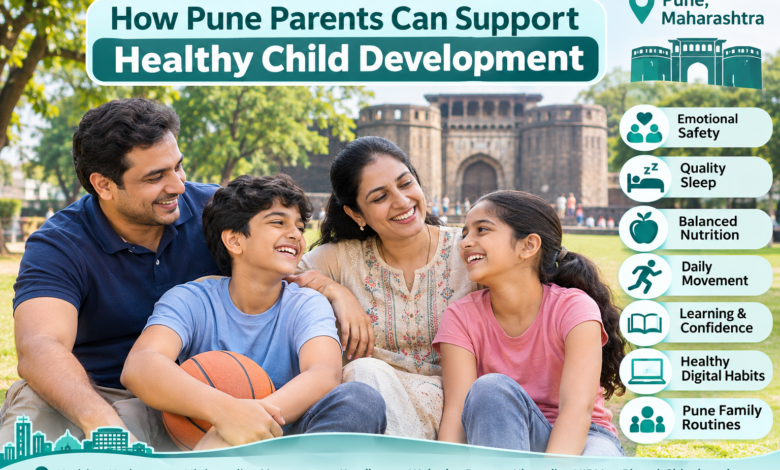
Healthy child development in Pune begins with everyday family relationships, predictable routines, age-appropriate independence and attention to physical and emotional wellbeing. This educational guide is for parents of children aged 8–15 in Undri, Hadapsar, Hinjewadi and across Pune.
Thank you for reading this post, don't forget to subscribe!Quick answer
Listen consistently, protect sleep and movement, encourage problem-solving, set safe digital boundaries and seek qualified advice for persistent concerns.
Relationship menu | Children submenu | Support Resources
What Healthy Child Development in Pune Means
Development includes emotional awareness, friendships, communication, physical health, thinking skills and growing independence. Children develop at different rates. A quiet child is not necessarily delayed, and an energetic child does not automatically have a behavioural disorder. Parents should consider the child’s overall wellbeing rather than comparing them with classmates.
Ages 8–11
Offer short, hands-on challenges, manageable household responsibilities, reading, movement and time to play. Ask children to explain their ideas and listen to their answers.
Ages 12–15
Give adolescents greater input into schedules and choices while maintaining safety boundaries. Discuss friendships, online information and difficult feelings without automatically turning conversations into lectures.
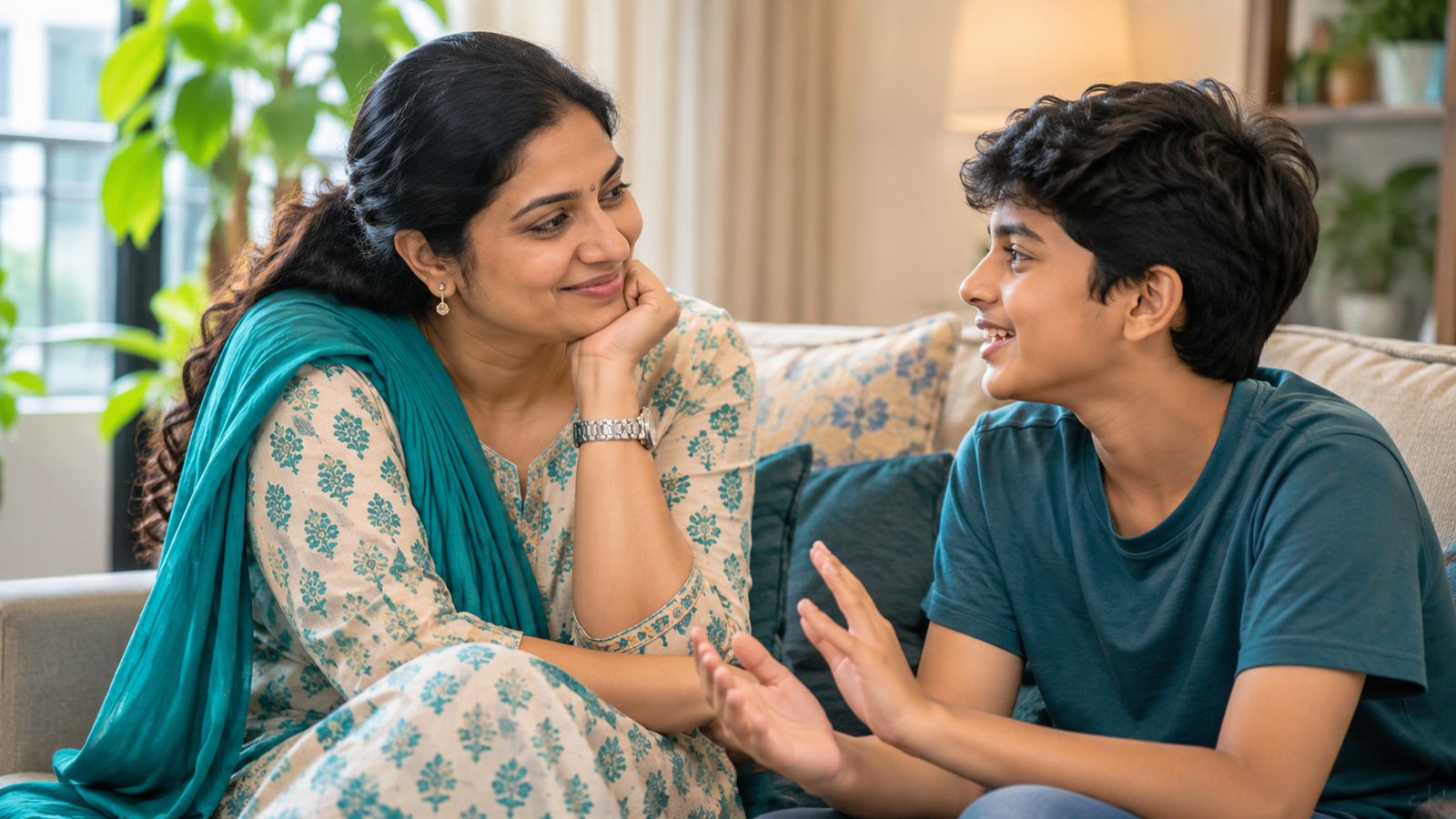
1. Build Emotional Safety
Children do not always tell parents directly when they are worried. Some become unusually quiet, some complain about school and others express distress through irritability. Rather than interpreting every change as disobedience, consider whether the child is tired, overwhelmed, worried about peers or experiencing an unfamiliar challenge. Listening first makes it easier to identify what support is actually needed.
A practical conversation example
If a child says, “Everyone in my class is better than me,” avoid immediately saying that the statement is wrong. Try asking which experience led to that feeling. Acknowledge the disappointment, then explore whether a smaller learning goal or conversation with a teacher could help. Do not pressure children to disclose private feelings on demand. Connection grows through repeated respectful interactions.
Parents can support healthy child development in Pune by making space for children to discuss mistakes and disappointments. Ask what happened, reflect the feeling and then explore solutions. Emotional validation does not mean accepting harmful behaviour.
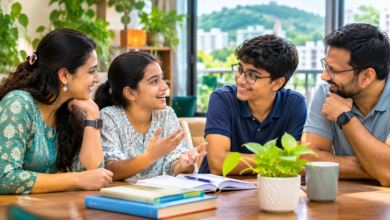
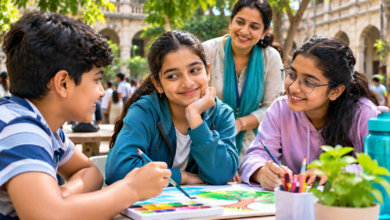
Try ten minutes of uninterrupted conversation each day. For younger children, drawing or shared activities may make talking easier. Teenagers may prefer conversations during a walk or car ride.
2. Protect Sleep and Physical Health
Make the routine realistic
A child with an early school bus may need an earlier bedtime, but changes work better when the family considers homework, meals and travel together. Create a calming bedtime transition and keep phones from interrupting sleep when practical. On weekends, try to avoid very large shifts in the sleep schedule. If snoring, daytime sleepiness or insomnia persists, discuss it with a healthcare professional.
Physical activity need not involve paid sports coaching. Safe outdoor play, dance, walking and games count toward movement. Consider Pune’s heat, monsoon conditions, air quality and traffic safety when planning activities. Provide water and suitable supervision. Children with disabilities or chronic illnesses may need tailored activity advice, not exclusion from movement.
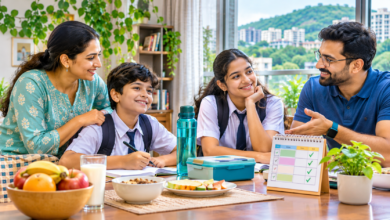
Sleep-medicine consensus recommendations suggest 9–12 hours per day for ages 6–12 and 8–10 hours for ages 13–18. WHO recommends children aged 5–17 average at least 60 minutes of moderate-to-vigorous physical activity daily across the week. Adapt activity to ability, safety and medical needs.
Offer varied meals and avoid shaming children about food or body size. Persistent eating, growth or sleep problems deserve professional advice.

3. Encourage Learning Without Constant Comparison
Replace comparison with useful feedback
Instead of saying, “Your friend scored higher,” identify a specific next step: practising one maths concept, reading a short passage together or asking the teacher for clarification. Children can be encouraged to set achievable goals and review which strategies worked. A disappointing examination result is information about a particular performance, not a complete measure of intelligence or future potential.
Learning opportunities also exist outside textbooks. Comparing grocery prices, following a recipe, repairing a simple object with supervision or explaining a news claim can practise numeracy, planning and reasoning. Respect the child’s interests and avoid turning every family moment into an assessment.
Children need opportunities to experiment, ask questions and make mistakes. Instead of giving an immediate answer, ask, “What have you tried?” and “What might work differently?” Recognise effort and strategy, not only grades. Supportive learning is an important part of healthy child development in Pune.
4. Teach Emotional Regulation
Model repair after disagreements
Children notice whether adults admit mistakes. If a parent speaks harshly, an age-appropriate apology can show accountability: “I was frustrated and raised my voice. I should have spoken more calmly.” The adult remains responsible for setting limits, but does not need to defend hurtful language. Parents can also practise pausing before difficult conversations and identifying which problems require immediate action versus a calmer discussion later.
Adults can model pausing, naming emotions and repairing relationships after arguments. A simple family exercise is to name the feeling, identify what happened and choose a safe next step. This is a conversation aid, not a clinical test.
5. Support Confidence and Friendships
Allow manageable independence
An eight-year-old might organise school supplies or choose a family activity. A twelve-year-old could plan a supervised shopping list. A fifteen-year-old might compare options for a school project and explain the trade-offs. Match responsibilities to maturity and safety rather than assigning the same expectations to every child. Confidence often grows from successfully practising a skill, receiving constructive feedback and trying again.
When friendship problems arise, ask what happened from the child’s perspective. Encourage respectful disagreement and help them identify trusted adults. Do not dismiss repeated exclusion, harassment or threats as simply a normal part of growing up.
Confidence does not require extroversion. Offer manageable challenges, respect temperament and teach boundaries. Listen to friendship difficulties before intervening; persistent bullying or threats need adult action.
6. Create Balanced Digital Habits
Build a family digital agreement
Agree on device-free moments, appropriate privacy settings, whom children can contact and what to do if something online feels threatening. Explain that children can report uncomfortable experiences without automatically being punished for asking for help. Revisit agreements as children mature. For older students, compare a social-media claim with information from a trusted institution to practise source evaluation.
Screen time alone does not tell the whole story. A video call with relatives, homework research and compulsive late-night scrolling serve different purposes. Look at the content, context and effects on wellbeing rather than relying only on a single daily number.
Discuss privacy, cyberbullying and misinformation. Ask whether screen use is displacing sleep, school responsibilities, relationships or movement. Teach teenagers to verify AI-generated answers against reliable sources rather than assuming all digital information is correct.
7. Healthy Child Development in Pune: Local Planning
A neighbourhood-neutral decision checklist
Before committing to a class or activity, check total travel time, fees, supervision, accessibility, the child’s interest and whether there is still time for sleep and unstructured play. Parents in Hinjewadi may face different commuting constraints from those in Undri, while families in Hadapsar or Wakad may have different school arrangements. These differences do not make one locality inherently better for children. What matters is whether a particular routine is safe and sustainable for that family.
For families seeking healthy child development in Pune, low-cost home activities can complement formal programmes: cooking together, visiting an appropriate public space, playing board games, discussing a book or participating in supervised community projects.
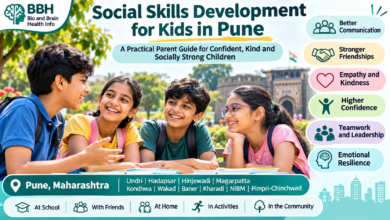
In Undri and Kondhwa, consider travel time from school and home. In Hadapsar and Magarpatta, choose activities that fit the family schedule. In Hinjewadi and Wakad, account for commuting and downtime. Families in Baner, Kharadi, NIBM and Pimpri-Chinchwad can use the same approach. These are planning considerations, not verified recommendations for local providers.
Overscheduling can leave insufficient time for rest and independent play. A shorter, sustainable routine may be more useful than many classes.
8. Consider the Parent’s Own Stress
Avoid making children responsible for adult problems
It is reasonable to explain that a parent is having a difficult day or that the family needs to spend carefully. However, children should not be expected to resolve adult financial disputes or become the emotional caretaker for a parent. Adults can seek support from other adults and make family plans that preserve predictability. Even during difficult periods, small routines such as a shared meal or regular check-in can help maintain connection.
Financial pressure, work demands and family conflict may affect how adults respond to children. Parents do not need to be perfect. When an adult reacts unfairly, acknowledging it and apologising can model accountability and relationship repair.
9. When to Seek Professional Guidance
Prepare observations, not labels
Record the approximate start date, frequency and effect of a concern. Note relevant changes at home or school and ask the child what they have noticed. A description such as “has avoided school for two weeks and complains of stomach pain each morning” is more useful than calling a child lazy. A clinician can assess possible emotional, medical, developmental or environmental explanations. If a child expresses suicidal thoughts or is in immediate danger, seek emergency assistance promptly.
Seek qualified support for persistent changes in mood, school participation, sleep, eating, friendships or daily functioning. Start with an appropriate paediatrician or child mental-health professional. Seek urgent help for immediate danger or self-harm concerns. Describe specific changes and their duration rather than assigning labels.
10. A 30-Day Family Plan
How to use the plan without pressure
Choose only one change at a time. During the first week, observe what is already working. In week two, discuss a manageable routine change with the child. In week three, give the child a genuine choice or responsibility. During the final week, review whether the change was helpful. The goal is not to produce a perfect family schedule; it is to learn which habits support the particular child’s needs.
| Week | Focus |
|---|---|
| 1 | Listen and observe without judgement |
| 2 | Improve one sleep, movement or family-time routine |
| 3 | Offer one age-appropriate responsibility |
| 4 | Ask for the child’s feedback and adjust |
This original educational planning framework is not a clinically validated intervention. It can help families discuss healthy child development in Pune without turning parenting into a scorecard.
BBH Young Minds for Pune Parents
BBH educational articles can help parents prepare better questions for teachers, paediatricians and other qualified professionals. They cannot replace an individual assessment, and no single parenting technique works equally well for every child. The initiative’s future programme ideas should be understood as plans rather than currently available services. Parents may email general educational enquiries without sharing sensitive medical information about their children.
BBH Young Minds is developing educational resources about child wellbeing, family relationships and learning for ages 8–15. Future Pune educational programmes are being explored; venues, staffing, schedules and enrolment are not confirmed.
Contact BBH Young Minds
For educational enquiries and future programme updates, email info@bioandbrainhealthinfo.com. Visit our Support Resources.
Related BBH Reading
- Parenting with a Narcissist: Protecting Children
- Father’s Respect for Mother
- How to Build Self-Esteem After Attachment Wounds
- Characteristics of Narcissistic Parenting
More BBH parenting resources
Frequently Asked Questions
What helps children develop well?
Supportive relationships, adequate sleep, physical activity, opportunities to learn and age-appropriate independence all matter.
Are personality-development classes essential?
No. Families, schools and community activities can provide many developmental opportunities without paid classes.
When should parents worry?
Persistent difficulties affecting daily life deserve professional assessment, especially if safety is a concern.
Conclusion
Healthy child development in Pune is supported through consistent, realistic habits rather than perfection or expensive programmes. Listening, safe boundaries, rest, movement and opportunities for independence can be adapted to each child.
Educational disclaimer: This guide provides general information and does not replace individual medical, psychological or educational assessment.
Research and Further Reading