Exercise and Blood Sugar: Safety Tips
Diabetes Exercise: Blood Sugar Safety

Safe exercise can improve health in diabetes, but understanding exercise and blood sugar matters because movement can lower, raise, or delay changes in glucose. This practical guide prioritizes how to recognize glucose patterns, avoid hypoglycemia, and know when ketones, heart symptoms or foot conditions make a workout unsafe.
Thank you for reading this post, don't forget to subscribe!The article focuses on readers in the United States and explains parallel guidance from the UK, Australia and Canada. It is educational only and does not provide individualized insulin dosing.
Related BBH article: Managing Blood Sugar: Daily Habits.
Exercise and Blood Sugar: Safety Tips
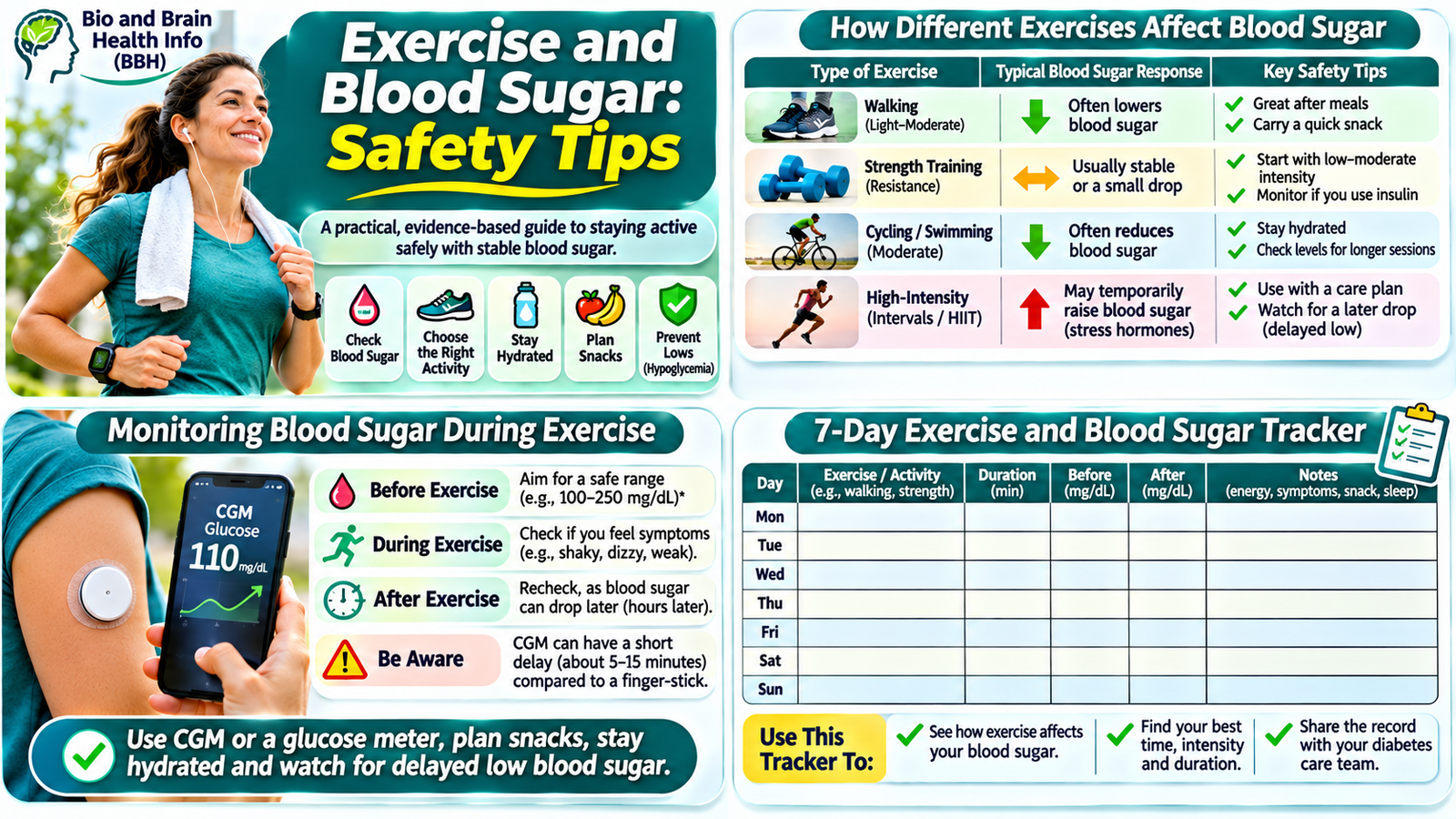
Exercise and blood sugar are closely linked, but physical activity does not always lower a glucose reading immediately. Walking often increases muscle glucose use; resistance or intense exercise can sometimes raise glucose temporarily; and people taking insulin or sulfonylureas may experience low glucose during activity or hours afterward. The safest exercise plan combines enjoyable movement with individualized monitoring and medication precautions.
For many adults with diabetes, regular physical activity supports cardiovascular health, muscle strength, insulin sensitivity, sleep and well-being. This US-priority, evidence-based guide draws on the ADA 2026 Standards, with practical context for UK, Australian and Canadian readers. It is not a substitute for personal insulin or exercise clearance instructions.
How Muscles Use Glucose During Activity
Working muscles use blood glucose, stored muscle glycogen and fatty acids. Muscle contractions increase glucose uptake through pathways that can work partly independently of insulin. Over time, regular activity may improve insulin sensitivity and physical fitness, even when a particular walk produces little visible change on a meter.
The liver also releases glucose to meet energy needs. Because the balance among glucose uptake, liver output, insulin and counterregulatory hormones changes with intensity, the body does not simply “burn away” every high reading. Exercise cannot substitute for essential insulin in type 1 diabetes.
Related BBH article: Why Does Blood Sugar Fluctuate?.
Walking, Strength Training and Intense Exercise Affect Glucose Differently
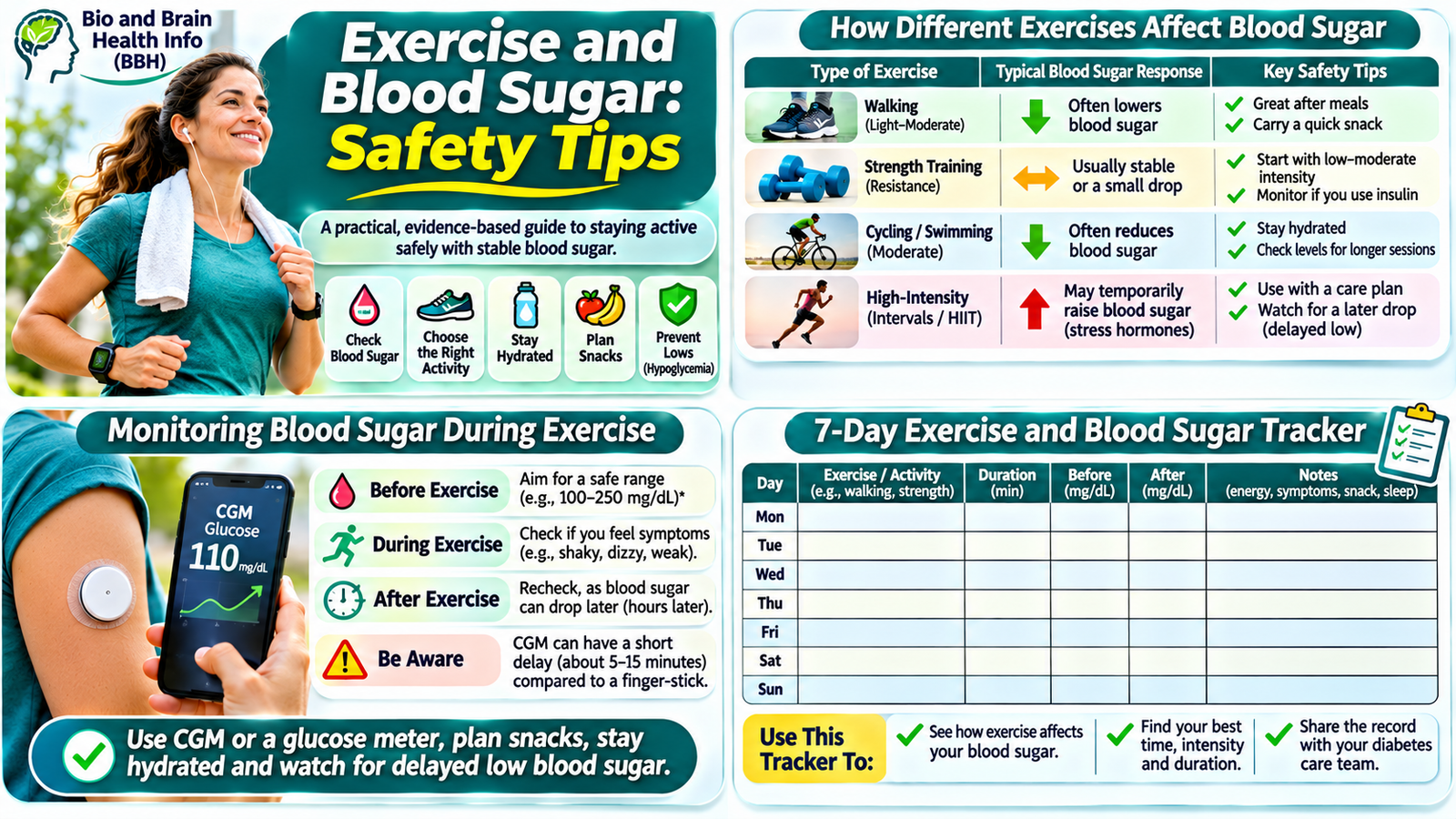
Low-to-moderate aerobic activities such as comfortable walking, cycling or swimming often lower glucose, particularly when insulin is active. Strength training may produce a smaller immediate decline, and strenuous intervals or competition can temporarily raise glucose as adrenaline drives liver glucose production. Glucose may decline later during recovery.
This individual variation explains why a glucose increase during an intense workout does not always mean exercise is harmful or medication has failed. Record exercise type, intensity, time and symptoms rather than interpreting a single sensor arrow as the entire outcome.
| Activity | Possible glucose pattern | Safety consideration |
|---|---|---|
| Walking, moderate cycling | Often decreases glucose | Consider insulin-associated lows |
| Resistance training | Variable; may be steadier initially | Check technique, complications |
| Sprints or high-intensity intervals | May rise temporarily | Avoid unsafe corrections |
| Long activity sessions | Can fall during or after | Plan for delayed hypoglycemia |
How Much Activity Do Diabetes Guidelines Recommend?
The ADA 2026 Standards recommend that most adults with type 1 or type 2 diabetes work toward 150 minutes or more of moderate-to-vigorous aerobic activity weekly, over at least three days, avoiding more than two consecutive days without activity. Resistance work and breaking up sitting add benefits. People with disabilities, frailty, cardiovascular conditions or other complications need adapted goals.
A previously inactive person might begin with a manageable five-to-ten-minute walk and gradually build duration. The goal is safe progress from the present level, not an unrealistic jump to demanding workouts. Chair exercises, gardening, housework, dancing or supervised rehabilitation may be suitable alternatives.
Exercise and Blood Sugar: Before-Workout Safety Checklist
Safety Checklist Before Exercising With Diabetes
Before physical activity, consider how you feel, the intensity planned, hydration, recent meals, prescribed drugs and whether low glucose is possible. People with type 1 diabetes or insulin-treated type 2 diabetes may have specific instructions to check glucose before exercise and carry rapidly absorbed carbohydrate. The right starting glucose depends on medicine, activity and the individual’s plan.
Someone with chest pain, unexplained breathlessness, dizziness, an acute foot injury or severe illness needs medical evaluation rather than a workout challenge. Discuss exercise adaptations for heart disease, autonomic neuropathy, proliferative retinopathy, balance problems and pregnancy.
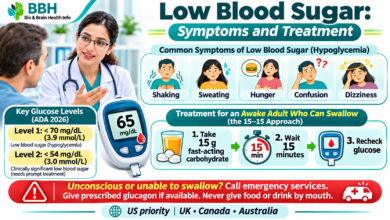
Related BBH article: Low Blood Sugar: Symptoms and Treatment.
Avoiding Low Blood Sugar During and After Exercise
Insulin and insulin secretagogues, including sulfonylureas, can contribute to exercise-associated hypoglycemia. Activity can increase insulin sensitivity even after a session ends, so a low may occur later in the day or overnight. Missed meals, alcohol, prolonged exercise and medication timing can increase risk.
Symptoms include shakiness, sweating, palpitations, hunger, irritability and confusion, but some people have reduced warning awareness. Follow your clinician’s monitoring, quick-carbohydrate and recovery plan. Severe low glucose may require emergency services and prescribed glucagon; do not give food or drink by mouth to someone who cannot swallow safely.
| When glucose problems arise | Possible explanation | Safer approach |
|---|---|---|
| During prolonged exercise | Insulin plus increased muscle glucose use | Follow personalized carbohydrate/checking plan |
| After workout | Improved insulin sensitivity | Watch for delayed lows if at risk |
| During intense activity | Adrenaline-related glucose release | Review pattern, avoid unplanned insulin |
| High glucose with ketones | Possible insulin deficiency | Stop and seek clinical guidance |
Why High-Intensity Workouts Can Raise Blood Sugar
Intense exercise activates stress hormones that may temporarily increase glucose release from the liver faster than muscles use it. Weight lifting, sprinting and demanding competitive activity can therefore cause a short rise, even while exercise provides longer-term health benefits.
A rising CGM trend should be interpreted alongside symptoms, treatment and ketone risk. Taking an unscheduled insulin correction for an expected exercise-related rise can cause delayed hypoglycemia. Follow a diabetes-team plan and discuss repeated patterns rather than trying to normalize every reading immediately.
High Blood Sugar, Ketones and When to Postpone Exercise
An especially important safety gap in generic exercise articles is the danger of exercising during significant insulin deficiency or ketoacidosis. High glucose with elevated ketones can worsen during physical exertion. People with type 1 diabetes, suspected insulin delivery failure or SGLT2-associated ketoacidosis risk require individualized ketone and sick-day instructions.
ADA position guidance recommends avoiding exercise when moderate-to-large urinary ketones or significant blood ketones are present; clinical assessment is needed for concerning symptoms. Vomiting, abdominal pain, deep breathing, confusion or marked dehydration requires urgent care. A near-normal glucose value does not rule out SGLT2-associated ketoacidosis. No universal numerical rule should replace personal instructions.
Exercise Safety by Diabetes Medication Class
Exercise-related low glucose risk is more important with insulin, sulfonylureas and meglitinides than with metformin alone or several other non-insulin classes. But medicines have different precautions: SGLT2 inhibitors can increase dehydration risk and have ketoacidosis warnings during acute illness or prolonged fasting; GLP-1 drugs can cause gastrointestinal effects that influence hydration and food intake.
A medication review should consider changing routines, work shifts, affordability, pregnancy plans and cardiovascular or kidney disease. Never independently reduce essential basal insulin or skip prescribed medicine to exercise. An individualized plan may include medication and carbohydrate changes, but these require professional instruction.
Related BBH article: Time in Range: What Your CGM Shows.
CGM During Exercise: Sensor Lag and Misleading Alerts
CGM measures glucose in interstitial fluid rather than directly in blood. During rapid changes caused by exercise or recovery, sensor readings can lag behind finger-stick values. Compression, sensor adhesion problems, sweat and device differences can also make a graph less reliable.
Follow the specific device’s guidance for confirming readings when symptoms do not match CGM, especially if low glucose is suspected. A smartwatch or exercise tracker estimates movement and heart rate, not a precise glucose treatment requirement. CGM time in range and trends can inform a pattern review but do not authorize improvising insulin doses.
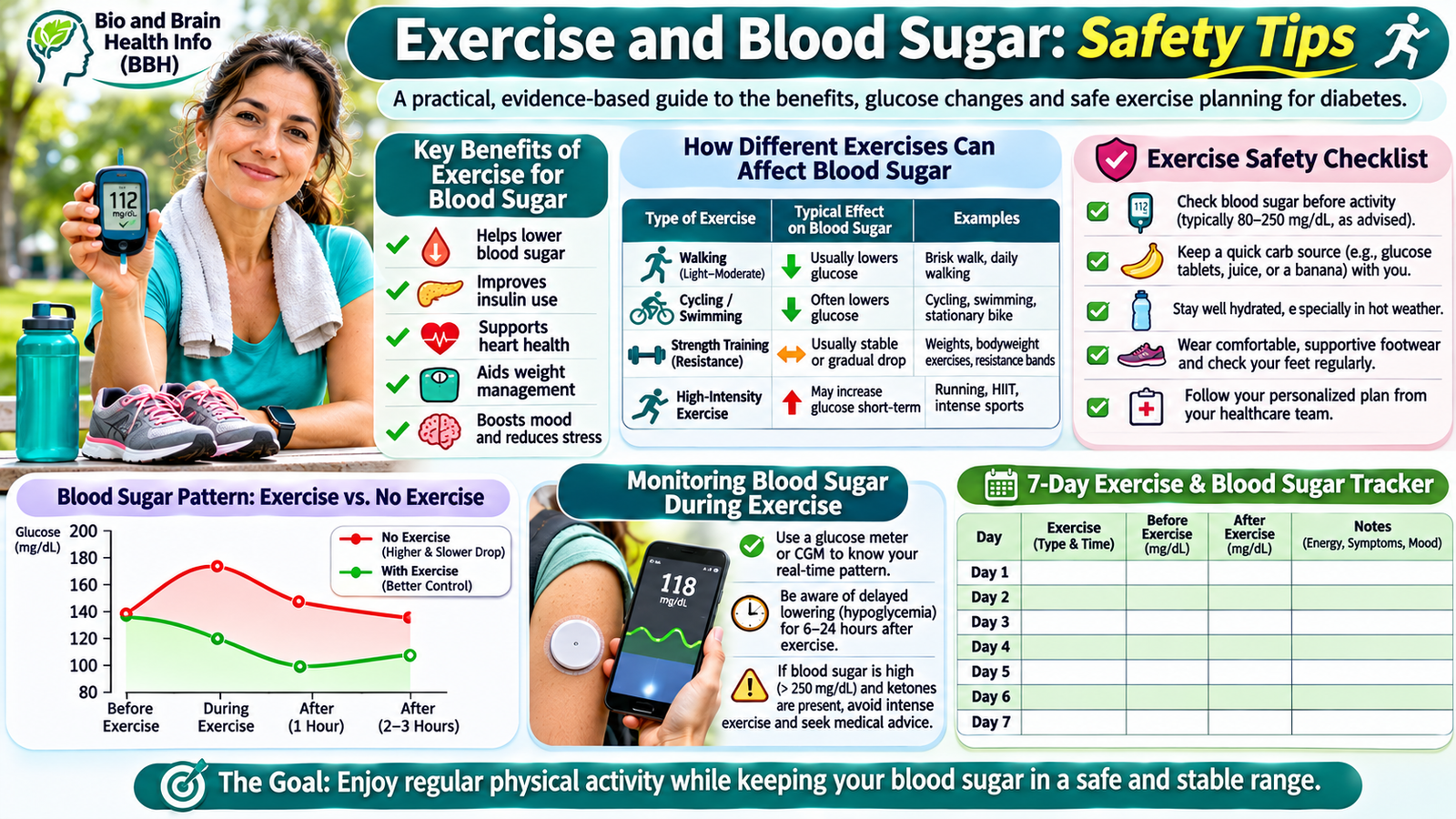
Because exercise and blood sugar can interact for many hours, the effects of afternoon activity may continue into the night for people using insulin.
Why Nighttime Hypoglycemia Can Follow an Afternoon Workout
Muscles replenish their glycogen after activity and insulin sensitivity may remain increased for hours. For people using insulin, this can contribute to delayed low glucose, including during sleep. The risk depends on session intensity and duration, meal intake, recent insulin and earlier activity.
A helpful but often overlooked question is whether a bedtime or overnight glucose problem followed exercise earlier that day. A diabetes care team can review CGM trends and suggest individualized monitoring and preventive instructions. Someone at high risk of severe lows should ask about access to glucagon and alarms where appropriate.
Related BBH article: Blood Sugar Spikes After Meals: Causes.
Walking After Meals and Blood Sugar Safety
A short, comfortable walk after a meal can increase muscle glucose use and may reduce post-meal elevations for some people. It is not a guaranteed way to erase the carbohydrate consumed, and the change varies across individuals. Starting with one five-to-ten-minute walk is a reasonable low-pressure option when medically safe.
People using insulin or sulfonylureas should learn how activity interacts with the timing of meals and medication. People experiencing chest pain, severe hyperglycemia with suspected ketones or dizziness should not use walking as an emergency glucose-lowering treatment.
Resistance Training, Yoga and Adapted Activity
Resistance training can preserve muscle and improve functional fitness. Chair squats, bands and supervised strength exercises can be adapted for different abilities. Gentle yoga, stretching and balance exercises may also support comfort and mobility, especially alongside regular aerobic activity.
Certain complications call for precautions. Advanced retinopathy may warrant avoiding strenuous straining or high-pressure exercises until cleared. Peripheral neuropathy, loss of protective sensation, foot deformities or ulcers may require lower-impact activity and footwear assessment. A physiotherapist or exercise specialist familiar with diabetes can tailor the program.
Feet, Shoes, Neuropathy and Joint Safety
Before increasing walking, inspect feet regularly if you have reduced sensation or prior foot problems. Wear supportive shoes and appropriate socks, and consider non-weight-bearing alternatives for an active ulcer until professionally advised. Report blisters, redness, swelling or wounds early; pain may be absent with neuropathy.
A gradual activity plan matters for people with arthritis, balance problems or deconditioning. A healthy exercise habit should not produce avoidable falls, skin injury or severe pain. Supervised rehabilitation, water-based exercise or seated movement may help when walking is temporarily unsuitable.
Heart, Blood Pressure, Retinopathy and Kidney Concerns
Most people with diabetes benefit from movement, but exercise intensity should reflect cardiovascular risk and symptoms. Chest pressure, fainting, unusual breathlessness or severe dizziness requires assessment. A person with known heart disease or autonomic neuropathy may need specific activity advice.
Kidney disease and fluid restrictions can affect hydration planning. Severe heat, high humidity and prolonged exposure may create additional challenges for older adults or people with neuropathy. Do not assume that drinking unlimited water is safe for everyone, and avoid strenuous activity during serious illness.
Stress, Emotional Disturbance and Exercise Habits
Financial problems, arguments, grief and workplace pressure can disrupt sleep, eating and the motivation to move. Stress hormones can raise glucose, while skipped meals or forgotten medicine may cause other changes, including lows. This is why emotional circumstances belong in diabetes exercise planning.
A short walk, gentle breathing, mindfulness, prayer or other meaningful routines may help coping, but exercise must never become punishment for eating or having a high reading. On difficult days, a manageable movement break can be more realistic than completing an ambitious training schedule. Emotional support complements, rather than replaces, medical treatment.
Hot Weather, Hydration and Traveling With Diabetes
Heat increases fluid needs for many active people, and dehydration can worsen symptoms or affect glucose control. Carry water, appropriate quick carbohydrate for a personal low-glucose plan, medication supplies and identification when needed. Protect insulin and sensors from temperatures outside their labeled storage limits.
Outdoor workouts may need to be shorter or moved to a cooler time of day. People with heart or kidney disease, prescribed fluid restrictions or medicines that affect fluid balance require specific advice. Heat-related confusion, collapse or persistent vomiting is a reason for urgent assessment.
Sick Days, Infection and Unsafe Fasting Workouts
Exercise can be inappropriate during serious infection, vomiting, dehydration, suspected ketones or worsening illness. Some people experience high glucose during illness despite eating little. Ask for a written sick-day plan that includes medicine use, glucose or ketone checks and when to call for help.
Combining heavy exercise with prolonged fasting or restrictive detox regimens can be risky for people using insulin or other hypoglycemia-prone medicines. SGLT2 inhibitors have additional fasting and ketoacidosis precautions. No supplement or cleansing drink safely substitutes for an individualized medical plan.
Exercise and Blood Sugar: Building a Safe Weekly Routine
A Safe Seven-Day Activity Planning Worksheet
A simple seven-day plan can begin with comfortable walking, a strength or balance session suited to the person’s abilities, and brief breaks from sitting. Include rest, hydration and glucose monitoring when clinically indicated. The aim is learning how your body responds and building sustainable activity, not reaching a perfect step count.
Use the worksheet to record the exercise type, duration, timing, meals, medicines, glucose patterns, symptoms and any emotional or sleep factors. Show recurrent highs, lows or unusual symptoms to a diabetes clinician. Some people need more intensive monitoring than others; a log is a discussion tool, not a mandate to test constantly.
| Day | Activity idea | Safety focus |
|---|---|---|
| Mon | Comfortable short walk | Check footwear and tolerance |
| Tue | Walking or chair exercise | Follow medicine-specific low precautions |
| Wed | Gentle resistance or balance work | Choose suitable technique |
| Thu | Movement breaks during sitting | Observe how you feel |
| Fri | Relaxed walk after a meal | Compare response if monitoring advised |
| Sat | Enjoyable activity or swimming | Hydration and supplies |
| Sun | Rest, review and plan | Discuss recurrent lows or highs |
Exercise With Diabetes in the USA, UK, Australia and Canada
The ADA 2026 Standards are the primary reference for US readers and recommend individualized physical activity goals, including aerobic and resistance exercise. Diabetes UK explains how different activities may raise or lower glucose and highlights low-glucose precautions. Australia’s NDSS provides education about exercise and monitoring for type 1 and type 2 diabetes.
Diabetes Canada also recommends regular aerobic and resistance activity for many adults while recognizing medication and complication-related risks. Glucose readings in the US commonly use mg/dL; the UK, Australia and Canada typically use mmol/L. Local clinical guidance, medications and access to CGM or glucagon may differ.
Seven Mistakes That Can Make Exercise Less Safe
Mistakes include assuming every workout lowers glucose, ignoring delayed nighttime lows, exercising with suspected ketones, using a CGM arrow as an insulin dosing instruction, skipping meals while taking insulin, overlooking foot problems and treating exercise as a way to compensate for eating.
The safer strategy is to recognize individual patterns, start from a manageable activity level and seek medical review of recurrent or severe changes. Fitness is beneficial, but safety and continuity matter more than punishing intensity.
Frequently Asked Questions About Exercise and Glucose
Can exercise raise blood sugar? Yes, strenuous activity can trigger a temporary stress hormone rise. Can walking after meals help? Often, although individual effects vary. Can a low occur at night? Yes, delayed hypoglycemia is possible with insulin or certain tablets. Should I exercise if glucose is high? Follow your ketone, symptom and personal activity plan; significant ketones or possible ketoacidosis require avoiding exercise and seeking medical advice.
Do I need to check glucose before every walk? This depends on diabetes type, medicines, past lows and your clinician’s advice. Can meditation replace movement? No; it can support coping, while exercise changes muscle fuel use. How do I start safely? Begin gradually, choose tolerable activities and discuss relevant complications and monitoring needs with the healthcare team.
Five Related BBH Articles and Support
Medical References and Disclaimer
- ADA 2026: Physical Activity and Positive Health Behaviors
- ADA 2026: Diabetes Technology and Monitoring
- ADA Position Statement: Physical Activity/Exercise and Diabetes
- IHS: Physical Activity and Diabetes Safety
- Diabetes UK: Exercise and Glucose Levels
- Australian NDSS: Diabetes Education
- Diabetes Canada Clinical Practice Guidance