Stress and Blood Sugar: The Connection
How Stress Affects Blood Sugar Levels

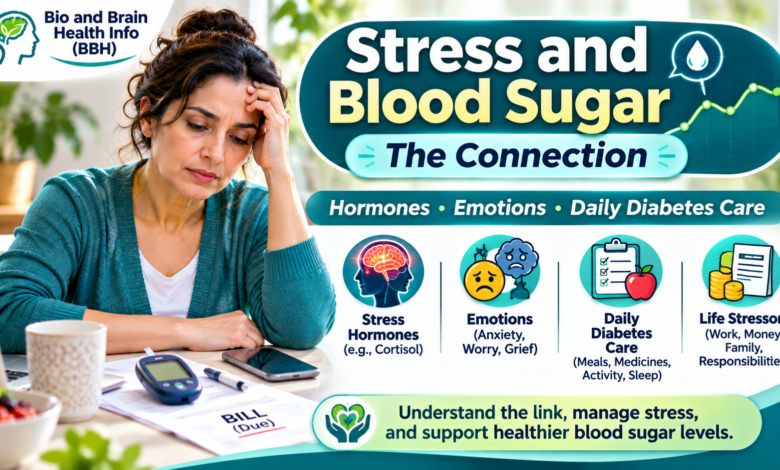
Understanding stress and blood sugar is essential because emotional pressure can change glucose readings through stress hormones, while simultaneously making diabetes routines more difficult. Financial problems, workplace conflict, relationship arguments, grief, anxiety and exhaustion are real-life circumstances that deserve attention alongside food and medication.
Thank you for reading this post, don't forget to subscribe!This research-based BBH guide focuses on the United States while also explaining UK, Australian and Canadian resources. It covers the biology, the everyday self-care consequences, red flags, emotional support, and a simple tracking worksheet. It does not claim that stress alone causes diabetes or that relaxation cures high blood glucose.
Related BBH reading: Why Does Blood Sugar Fluctuate?.
Stress and Blood Sugar: What Is the Connection?
The relationship between emotional stress and glucose is real, but it is not a simple rule that anxiety always means high readings. The body responds to perceived danger with hormones and changes in attention, sleep, appetite and activity. In people living with diabetes, these changes can make glucose harder to manage, even when someone has been consistent for months.
Stress can be short-lived, such as an argument or an unexpected bill, or persistent, such as debt, caregiving responsibilities, financial uncertainty or grief. During a stressful period, blood glucose readings may vary for many reasons at once. A clinician should investigate recurrent unexpected values rather than concluding that worry explains everything.
Related BBH reading: Blood Sugar Spikes After Meals: Causes.
Stress and Blood Sugar: How the Hormones Work
How Cortisol and Adrenaline Affect Glucose
When the nervous system detects a threat, adrenaline and cortisol help the body mobilize energy. They can stimulate glucose release from the liver and counter some insulin action. The outcome depends on baseline glucose regulation, insulin availability, medicine timing and the person’s physiology. Someone may therefore notice glucose increase without eating any additional carbohydrate.
This hormonal effect is not an excuse to ignore an unexplained reading. Fever, infections, medication omissions, steroid treatment and infusion-set problems may also raise glucose. Sudden stress does not produce an identical spike in everyone; response sizes and time courses vary.
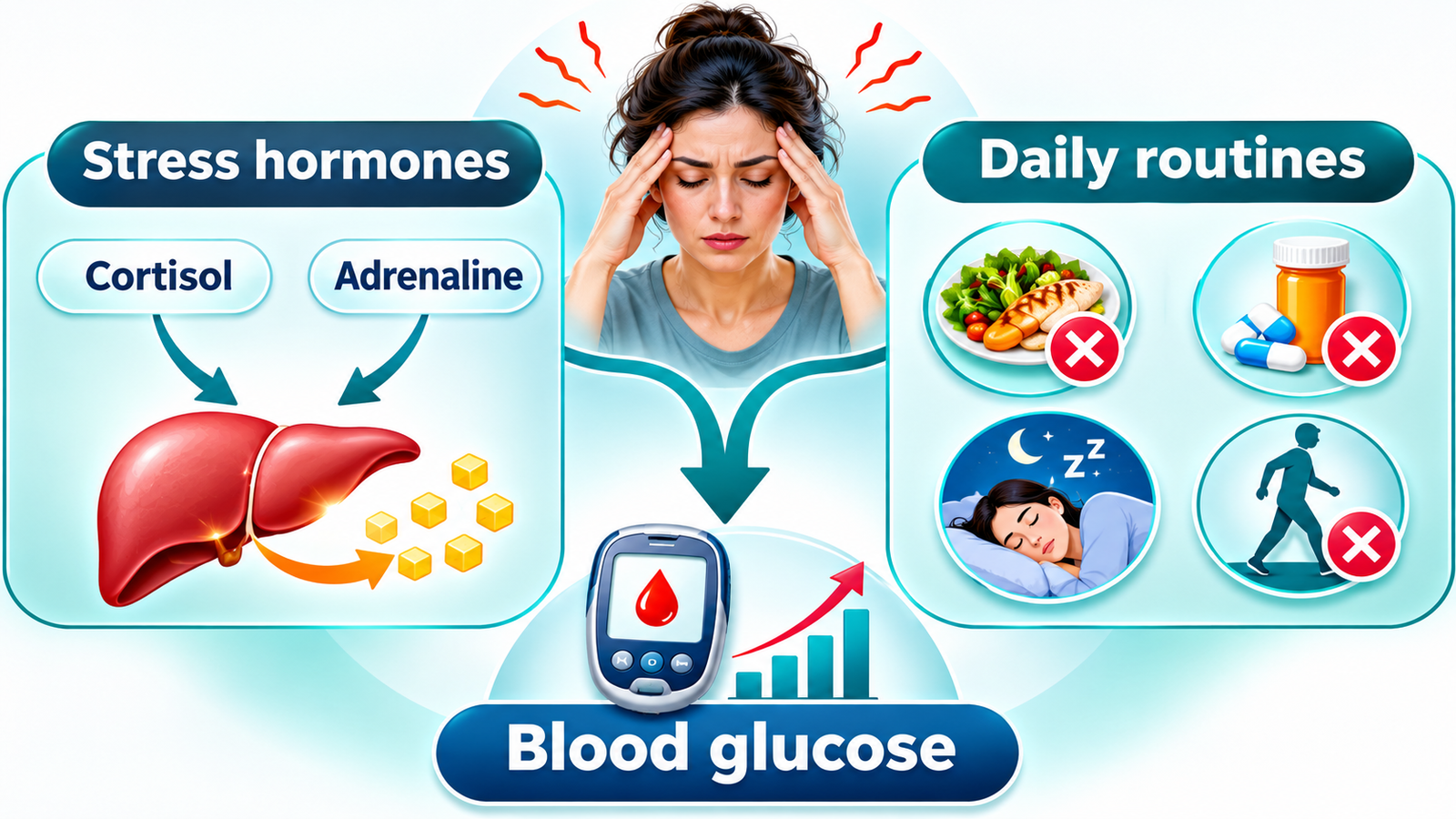
Financial hardship is an underrecognized part of stress and blood sugar management, because it may affect sleep, food access and medicine availability simultaneously.
Financial Pressure, Debt and Job Stress
Unpaid bills, reduced income, housing insecurity, a difficult business period and fear of losing employment can sustain emotional pressure over weeks or months. Financial concerns may affect sleep and access to food, insulin, glucose strips or clinical appointments. These are practical barriers to treatment, not simply feelings.
The ADA 2026 Standards explicitly include financial and social resources in psychosocial assessment. A useful care conversation may involve affordable medication alternatives, insurance or benefit navigation, regular access to meals and a simpler monitoring plan. Never ration essential insulin without contacting the prescribing team; help with treatment access should be sought promptly.
Relationship Arguments, Family Conflict and Grief
Intense disagreement with a partner, family tension, caregiving responsibilities or bereavement can activate the stress response. After an upsetting event a person may skip a meal, sleep late, withdraw from usual walking or forget a dose. These indirect effects may become more important than the immediate adrenaline response.
A diary may show that unusual glucose readings coincide with a difficult week, but correlation does not prove causation. Ask what else changed: medicines, illness, alcohol, work shifts or activity. People should not be blamed for a reading because they had an argument, cried or were unable to stay positive.
Anxiety, Panic Symptoms and Glucose Changes
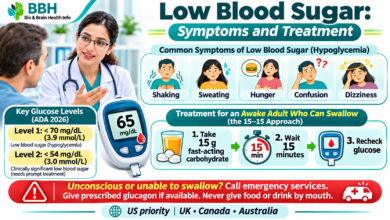
Stress and anxiety may produce palpitations, shaking, sweating and lightheadedness. Hypoglycemia can produce similar symptoms, which creates an important safety trap: it is risky to assume an episode is “just panic” when low glucose is possible. If a person is at risk for hypoglycemia, they should use their individual glucose-checking and low-treatment plan.
People living with diabetes may also develop anxiety about future complications or a fear of low glucose. Psychological support can reduce suffering and improve confidence in care, but a breathing exercise is not an emergency treatment for hypoglycemia, and an elevated number is not proof of an anxiety disorder.
Stress and Blood Sugar: Two Different Pathways
The Two Pathways: Hormones Versus Disrupted Self-Care
Many articles focus only on cortisol, leaving readers confused when stress seems to lower rather than raise their readings. The second pathway explains why: stress changes habits and decisions. Someone may eat irregularly, miss medication, drink sweet beverages, become less active or sleep poorly. Others may eat less and experience a low because insulin or a sulfonylurea is still active.
Both pathways can occur on the same day. A stressful morning may raise glucose through hormonal mechanisms, followed by a low later when lunch is delayed. The correct response is to review the full pattern and medicine risks, not to assume all fluctuations require more insulin.
| Possible stress effect | Direct hormone pathway | Indirect routine pathway |
|---|---|---|
| After a distressing phone call | Adrenaline and cortisol may increase glucose | Lunch delayed or usual walk missed |
| Several weeks of debt worries | Ongoing physiological stress and sleep disruption | Food or medicine affordability difficulties |
| Relationship arguments | Acute emotional stress response | Irregular eating, missed medicines or sleep |
| Anxiety with shakiness | May reflect distress but not diagnostic | Check for hypoglycemia when indicated |
Related BBH reading: Managing Blood Sugar: Daily Habits.
Stress Eating, Skipped Meals and Emotional Exhaustion
Some people eat more snacks or convenient ultra-processed food when distressed; others lose appetite. Either pattern can change carbohydrate timing. If a person takes mealtime insulin or an insulin-releasing tablet, delayed or missed meals can make low glucose more likely. A person may also avoid checking readings because of distress, making changes difficult to recognize.
During a hard period, a dependable simple meal pattern may be more realistic than a restrictive new diet. Keep appropriate foods accessible, follow personal medicine instructions and request dietitian support if appetite or food insecurity makes treatment difficult. A plan should consider culture, finances and access to cooking facilities.
Sleep Loss, Night Shifts and Chronic Stress
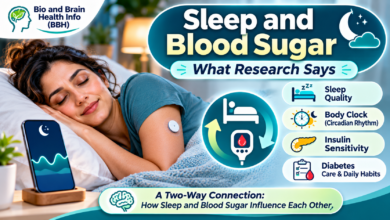
Stress can disturb sleep initiation, awaken someone overnight or make it difficult to keep a consistent schedule. Sleep disruption may affect insulin sensitivity, appetite and the motivation to plan meals or exercise. Night-shift work adds changes in meal timing and circadian rhythms, which can make standard advice difficult to follow.
Rather than blaming the individual for irregular hours, clinicians can tailor monitoring and meal routines around the person’s real schedule. Persistent insomnia, suspected sleep apnea or severe daytime sleepiness deserves assessment. Protecting a feasible sleep opportunity is helpful, but sleep strategies do not replace diabetes medication.
Can Low Blood Sugar Cause Anxiety or Irritability?
The connection can run in both directions. Hypoglycemia may cause sweating, shakiness, anxiety, irritability, confusion and even aggression-like behavior in some people. Because the symptoms overlap with panic, checking glucose when appropriate is often more informative than guessing which came first.
Severe hypoglycemia can cause seizures or unconsciousness and is a medical emergency. Someone unable to swallow safely should not be given food or liquids by mouth. Household members may need training in emergency glucagon where prescribed. Repeated lows require prompt treatment review, regardless of emotional circumstances.
A person-centered approach to stress and blood sugar must identify diabetes distress without assuming that every emotional difficulty is a mental health diagnosis.
Diabetes Distress Is Not the Same as Depression
Diabetes distress is the emotional burden of constant self-management, unpredictable readings, fear of complications and treatment tasks. It can coexist with depression or anxiety but is not itself a psychiatric diagnosis. Someone may feel overwhelmed by diabetes while having no clinical depressive disorder, or experience both conditions at the same time.
The 2026 EASD evidence-based guideline recommends routine conversations about diabetes distress and appropriate assessment. The ADA 2026 Standards also support structured psychosocial screening. This means emotions and care burden should be considered alongside A1C and glucose charts rather than being dismissed as unrelated.
The Stress–Glucose–Stress Feedback Loop
An unexpectedly high reading can create fear, which may lead to repeated monitoring, guilt or hurried corrections. The increased worry may disrupt sleep or food choices, and additional glucose changes may follow. Repeated lows can create a separate cycle of fear and avoidance of healthy activity or needed treatment.
A helpful approach is to identify what information would change a decision today. Check according to the clinical plan, address serious symptoms and note patterns to review later. It is rarely helpful to react to every sensor arrow or demand an artificially straight glucose graph.
Related BBH reading: Time in Range: What Your CGM Shows.
CGM, Glucose Variability and Stress Diaries
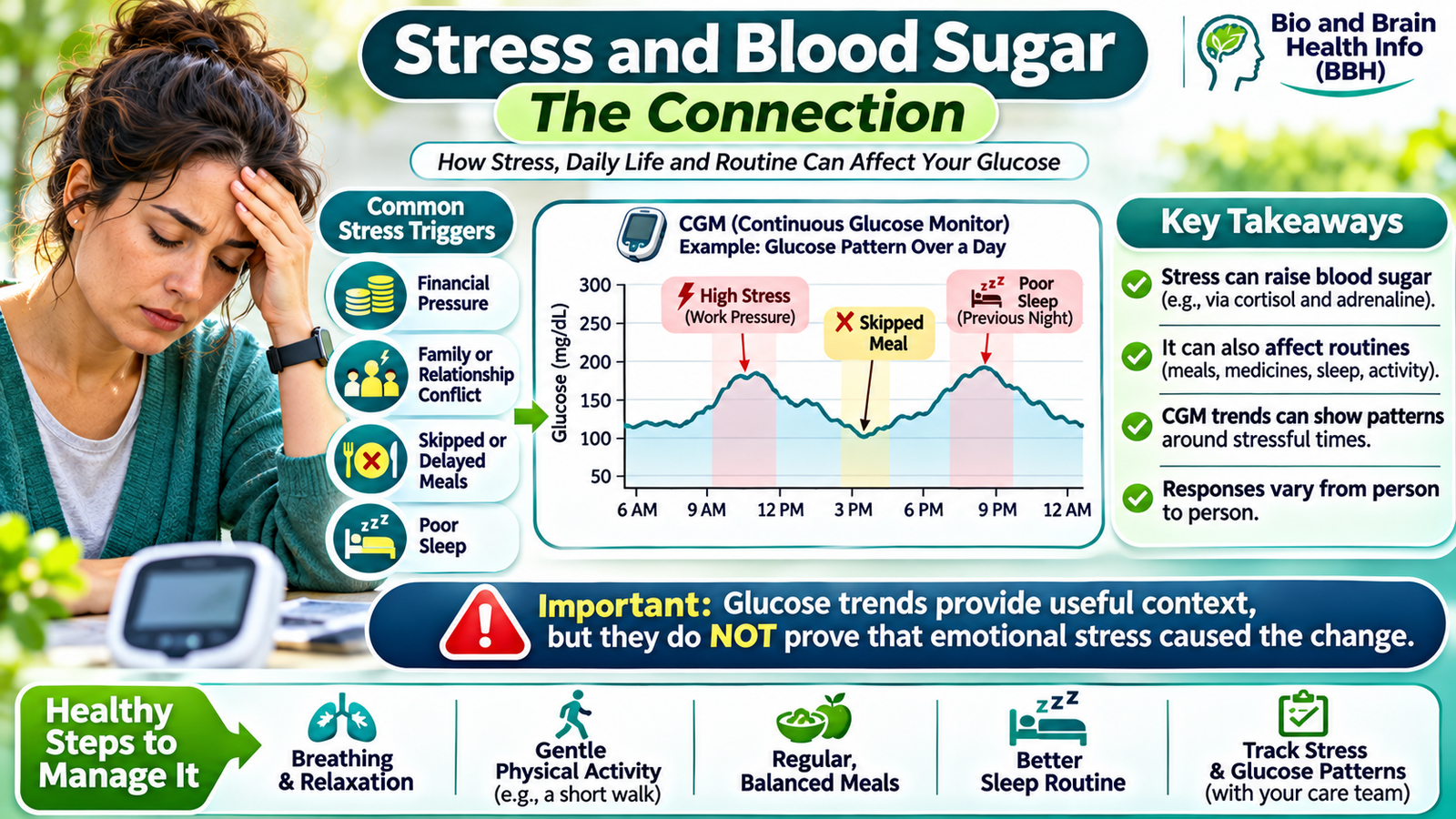
Continuous glucose monitoring can identify trends and time below range, but it does not label cortisol spikes or prove that a stressful argument caused a glucose rise. Interstitial-fluid readings may lag behind blood glucose during rapid changes; sensors can also show pressure-related false lows during sleep.
The most useful record includes sleep, major stressors, meal and medicine timing, activity, illness, symptoms and any appropriate glucose checks. Review several days instead of comparing one “good day” with one “bad day.” Avoid burdensome self-monitoring routines that intensify distress unless medically necessary.
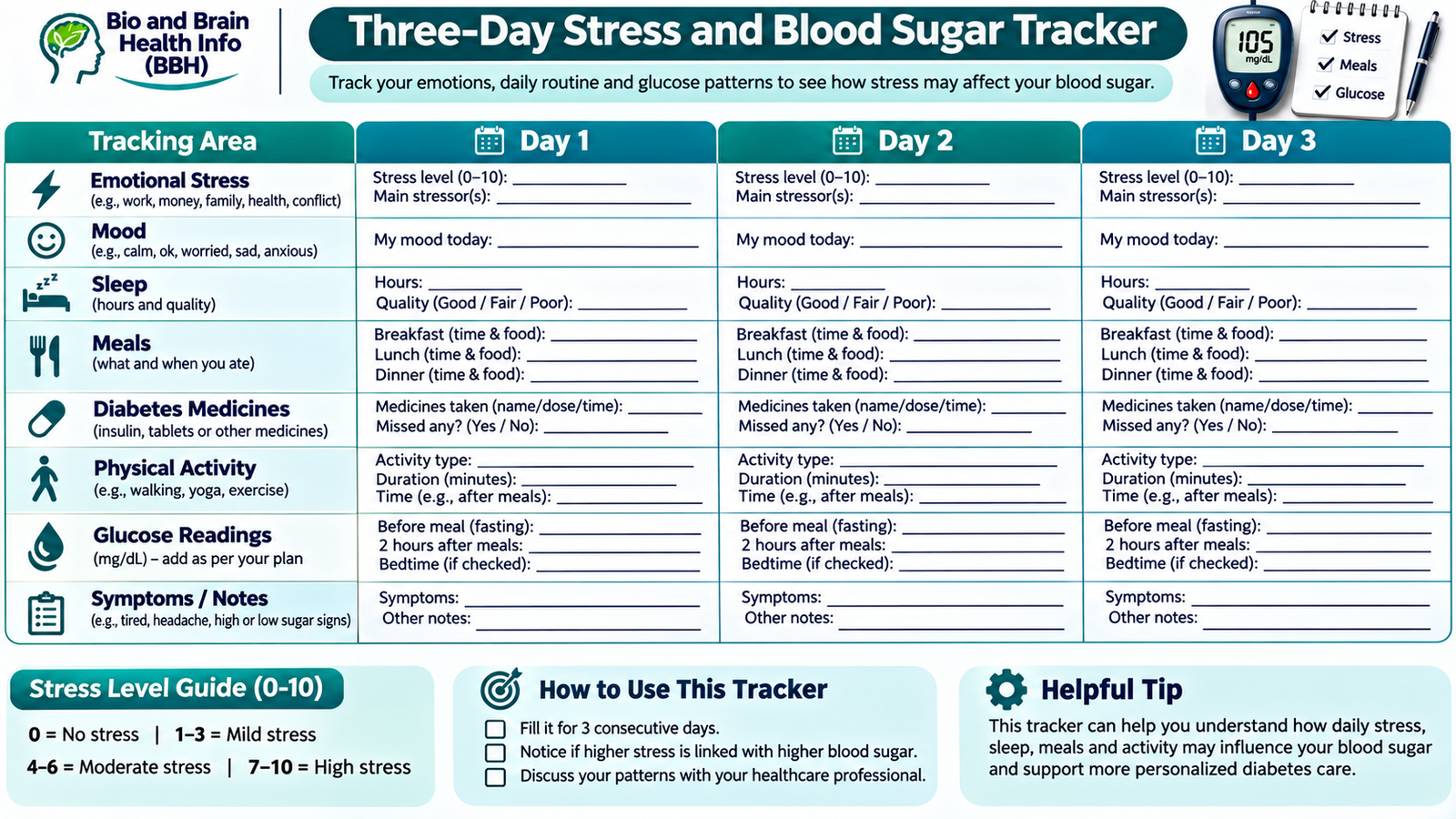
A Three-Day Stress, Food and Glucose Pattern Tracker
A brief worksheet can help patients talk with their diabetes team. For three representative days, record major stress events in neutral words, sleep quality, meals, medicine timing, activity, symptoms and glucose readings when testing is advised. For example, “difficult phone call, missed lunch” is more helpful than “I failed again.”
The log is not a diagnostic experiment and cannot isolate the effect of cortisol from other factors. It is a tool to discover practical barriers, protect safety and prepare questions for the clinician. If recording emotions causes greater anxiety, use a simpler approach or stop and discuss alternatives.
| Day | Stress, event or sleep | Meals and prescribed medicines | Glucose / symptoms if advised | Question for clinician |
|---|---|---|---|---|
| 1 | e.g., difficult meeting; sleep hours | Meal and medicine timing | ||
| 2 | e.g., financial worry | Meal and medicine timing | ||
| 3 | e.g., calmer workday | Meal and medicine timing |
Related BBH reading: Exercise and Blood Sugar: Safety Tips.
Stress and Blood Sugar: A Practical Safety Routine
A Realistic Stress-and-Glucose Safety Plan
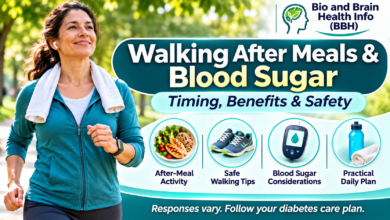
First, protect essential diabetes treatment. Keep medication schedules and emergency supplies accessible and request help quickly if cost or severe stress makes obtaining medicines difficult. Second, choose one dependable meal and hydration routine that fits your circumstances. Third, use gentle movement if medically safe; a short walk can support coping without becoming punishment for a high reading.
Fourth, use a brief relaxation practice or reach out to a supportive person. Fifth, review recurring highs and lows with the healthcare team rather than improvising dose changes. Practical support for finances, caregiving or mental health may improve the feasibility of treatment more than another set of rigid instructions.
Breathing, Mindfulness, Yoga and Optional Spiritual Support
Slow comfortable breathing, mindfulness, gentle yoga, gratitude or prayer may help some people manage emotional distress and maintain a routine. Evidence for their direct glucose-lowering effect is mixed and varies by study, so no practice should be presented as an immediate treatment or diabetes cure.
A practical five-minute pause can involve sitting comfortably, breathing naturally without straining, noticing what is needed next and taking one manageable action. People who feel dizzy or panicked with controlled breathing may prefer another grounding strategy. Spiritual practices should be optional and respectful of individual preferences.
When Therapy, Diabetes Education or Social Support Helps
A person may benefit from a diabetes educator, registered dietitian, social worker, psychologist or psychiatrist depending on the barriers involved. Cognitive behavioral therapy and other structured approaches may address anxiety or distress; financial navigation may address medication access; peer support can reduce isolation. These are complementary parts of personalized care.
In the United States, ask the diabetes care team about diabetes self-management education and support (DSMES) and behavioral health referrals. In other countries, locally available services vary. Persistent panic, depression, inability to follow essential treatment or significant changes in functioning deserve professional assessment.
When Stress Should Not Be Blamed for Dangerous Glucose
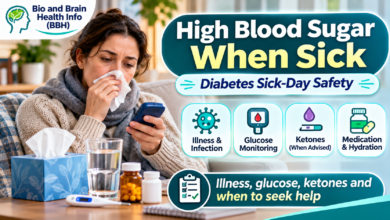
Repeated or severe hyperglycemia requires medical review, especially with vomiting, deep breathing, abdominal pain, dehydration, confusion or marked drowsiness. People at risk of ketoacidosis may need ketone checks according to their sick-day plan. SGLT2-associated ketoacidosis can sometimes occur without extremely high glucose.
Low glucose with confusion, seizure or inability to swallow is an emergency. Do not delay urgent care because a stressful event also occurred. Chest pain, fainting or serious breathing difficulty should likewise not be dismissed as anxiety without appropriate assessment.
Type 1, Type 2, Pregnancy and Older Adults
In type 1 diabetes, essential insulin must continue even when someone is stressed or eating unpredictably; treatment changes need an individualized plan. In type 2 diabetes, stress may coexist with insulin resistance, cardiovascular or kidney disease and medication-access barriers. Hypoglycemia risk is particularly relevant with insulin or sulfonylureas.
Pregnancy requires distinct glucose targets and clinical monitoring; emotional distress should be addressed without using generic adult targets. Older adults with frailty or cognitive difficulties may need simpler regimens and caregiver support. A single “stress raises glucose by X points” promise is inappropriate for all these groups.
Guidance for the USA, UK, Australia and Canada
US readers can refer to ADA 2026 Standards and CDC advice on the emotional side of diabetes. The UK organization Diabetes UK explains that stress may influence blood sugar and day-to-day management. Australia’s NDSS offers emotional-wellbeing resources and practical tools, including help with stress, anxiety and diabetes distress.
Canadian readers can find diabetes guidance and emotional-health education through Diabetes Canada and provincial services. Glucose is usually reported in mg/dL in the US and mmol/L in the UK, Australia and Canada. Insurance, community resources and behavioral health access differ by country; a site’s recommendations should not imply identical services everywhere.
Frequently Asked Questions
Can an argument increase my blood sugar? It can, but not predictably for every individual. Can financial problems affect glucose even without extra food? Stress hormones and reduced self-care can contribute. Can stress make glucose fall? Irregular eating with insulin or certain tablets may increase the risk of low glucose. Can anxiety symptoms resemble hypoglycemia? Yes—follow appropriate glucose-checking instructions.
Does meditation cure stress-related hyperglycemia? No. It may support coping but is not a glucose rescue treatment. Does a single CGM spike prove stress caused it? No. Should I change insulin during an argument? No unsupervised changes. When should I seek help? If emotional distress impairs daily functioning or essential diabetes care, and promptly for repeated glucose extremes or serious symptoms.
Five Related BBH Guides and Support
Medical References and Disclaimer
- American Diabetes Association (2026): Facilitating Positive Health Behaviors and Well-being
- ADA (2026): Glycemic Goals and Hyperglycemic Crises
- CDC: Diabetes and Mental Health
- NIDDK: Helping Patients with Diabetes Manage Stress
- EASD (2026): Guideline for Assessing and Managing Diabetes Distress
- Diabetes UK: Stress and Diabetes
- Australian NDSS: Stress and Anxiety
- Diabetes Canada: Education and Support