High Blood Sugar When Sick: What to Know
Why Blood Sugar Rises During Illness

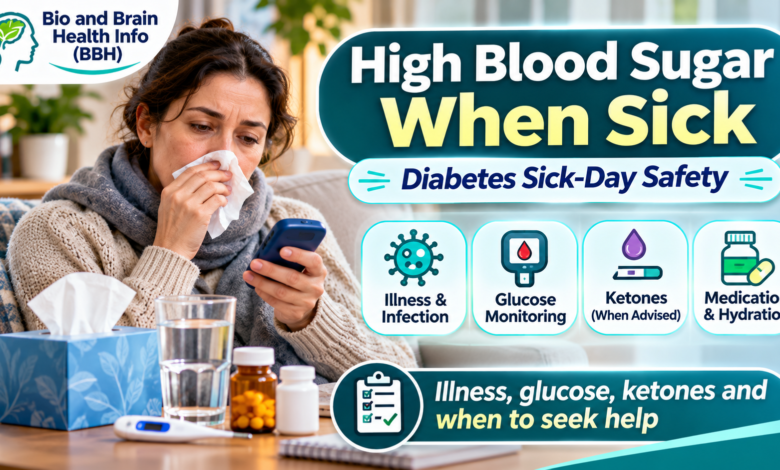
High blood sugar when sick can be confusing: a person may have a cold, flu, COVID-19 or another infection, eat very little and still see glucose rise. Illness hormones, insulin resistance, dehydration and changes to medicines all matter. In some situations, serious complications can develop even without an extremely high glucose reading.
Thank you for reading this post, don't forget to subscribe!This research-based BBH guide prioritizes the United States and compares key recommendations for the UK, Australia and Canada. It aims to help readers prepare an individualized sick-day plan, recognize early warning signs and avoid unsafe internet advice. It is not a substitute for emergency care or instructions from a diabetes clinician.
Related BBH reading: Why Does Blood Sugar Fluctuate?.
High Blood Sugar When Sick: The Hormone Response
Why Does Illness Raise Blood Glucose?
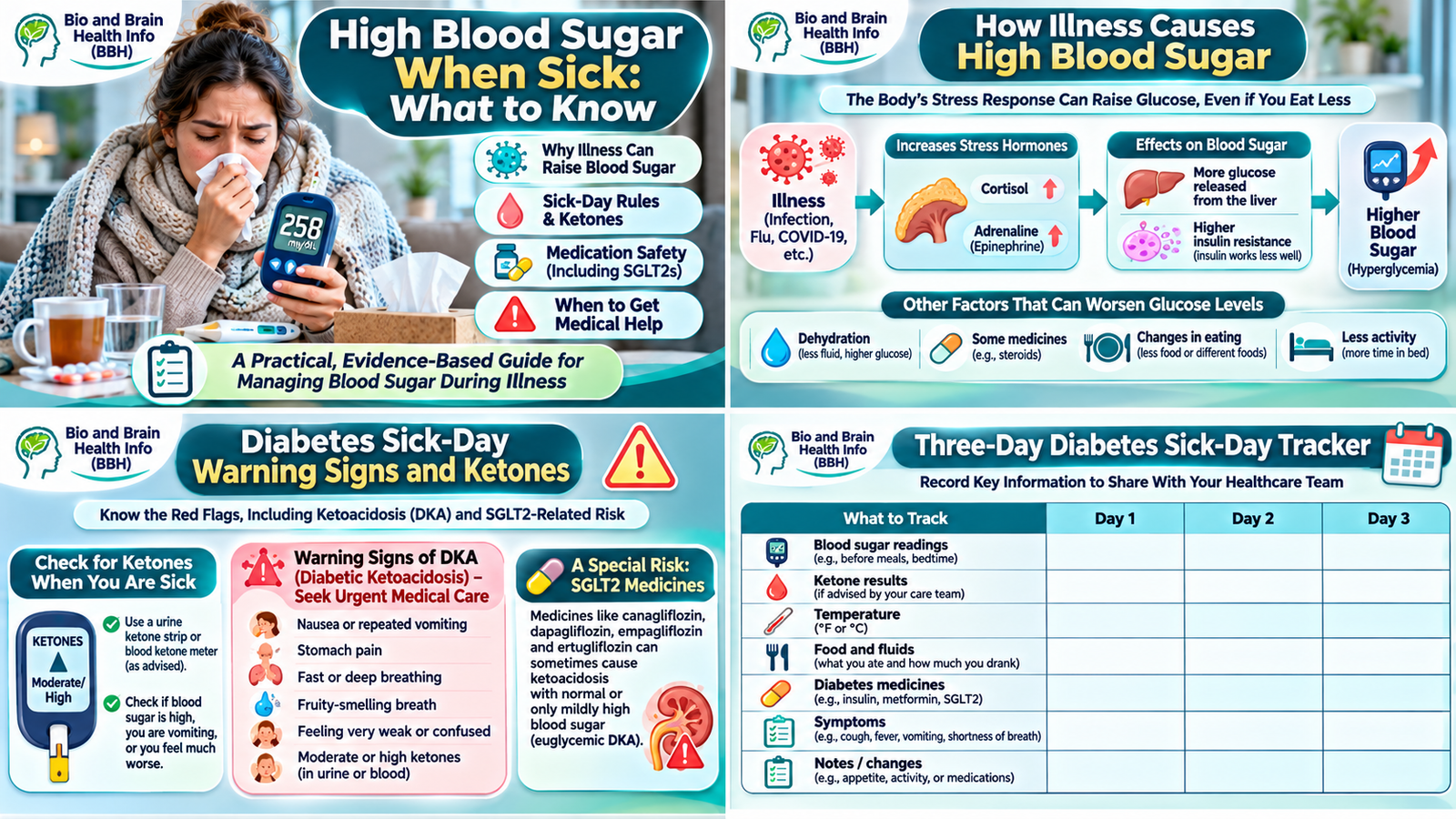
During fever, infection, injury or another acute illness, the body releases counterregulatory hormones such as cortisol, adrenaline and glucagon. These signals help mobilize fuel and can increase glucose released by the liver while making insulin less effective. The result can be hyperglycemia even when appetite is poor or a person is eating less than usual.
Illness can also alter how a person takes medicines, drinks fluids and sleeps. Reduced food intake may coexist with glucose increases from hormones, and vomiting or diarrhea can cause dehydration. Insulin deficiency can accelerate ketone production, making an apparently routine viral illness much more significant for someone living with type 1 diabetes.
Common Sick-Day Triggers: Flu, COVID, Infection and Steroids
Respiratory infections, influenza, COVID-19, urinary tract infections, pneumonia and other infections may contribute to unexpected glucose elevations. Pain, fever, surgery and inflammatory conditions can also increase insulin needs for some patients. The specific infection matters: a recurring fever or painful urination needs medical assessment, not only a glucose correction.
Glucocorticoid drugs such as prednisone and some steroid injections can raise glucose through insulin resistance and changes in liver glucose production. A medical team may need to adapt the diabetes plan around a prescribed steroid course; never stop a necessary steroid abruptly or invent a correction dose from an online article.
High Glucose Even When You Have Not Eaten
A surprising but common sick-day experience is high glucose while skipping meals. The liver continues making and releasing glucose in response to illness hormones. Meanwhile, the body still needs insulin to use glucose and prevent dangerous ketone production. Eating less therefore does not guarantee that glucose will fall.
People using insulin must follow individualized sick-day instructions, including maintaining essential basal insulin. A person using certain glucose-lowering tablets might instead face hypoglycemia if meals are missed. This is why advice such as “stop every diabetes medicine when sick” or “take extra insulin whenever glucose rises” is unsafe without individualized guidance.
When managing high blood sugar when sick, checking symptoms, hydration, ketone risk and an individualized action plan matters more than reacting to one number alone.
What to Do First When Your Blood Sugar Rises During Illness
Start by assessing the whole situation rather than the number alone: symptoms, ability to drink fluids, alertness, recent medicines, glucose trend and possible ketones. Follow an existing written sick-day action plan. Contact the treating clinician early if you lack a plan, are unsure about medicines or notice glucose persistently outside your agreed range.
Keep an accessible list of prescribed medicines, diabetes team contact details and emergency numbers. Use a reliable meter or CGM according to device guidance, and seek advice on checking glucose more frequently while ill. Increased monitoring is a tool to identify deterioration; it is not a reason to make unsupervised treatment changes.
| Sick-day check | Why it matters | What to do |
|---|---|---|
| Symptoms and alertness | Serious illness may be present despite moderate glucose | Seek prompt or emergency help for red flags |
| Glucose pattern | Can change with illness and medicines | Follow individualized checking plan |
| Ketones if at risk | Helps identify DKA risk | Use clinician-directed testing and escalation |
| Fluids and food | Dehydration or reduced intake can complicate care | Follow individual oral intake and medication guidance |
How Often Should You Check Glucose and Ketones?
Glucose and ketone monitoring schedules depend on diabetes type, insulin treatment, symptoms, prior ketoacidosis and the individual plan. The CDC notes that during illness, people with diabetes may need more frequent checks; its public guidance describes checking glucose every four to six hours and checking ketones in specified higher-risk circumstances. Some insulin-treated patients will require closer monitoring than this.
For anyone at risk of DKA, the ADA 2026 Standards recommend education on symptoms, access to urine or blood ketone testing and timely sick-day action. Blood ketone tests and urine tests are not identical, so follow your care team’s interpretation instructions. Seek medical help rather than waiting for a fixed threshold when symptoms are severe.
High Blood Sugar When Sick: Watch for DKA Symptoms
Diabetic Ketoacidosis: Critical Warning Signs
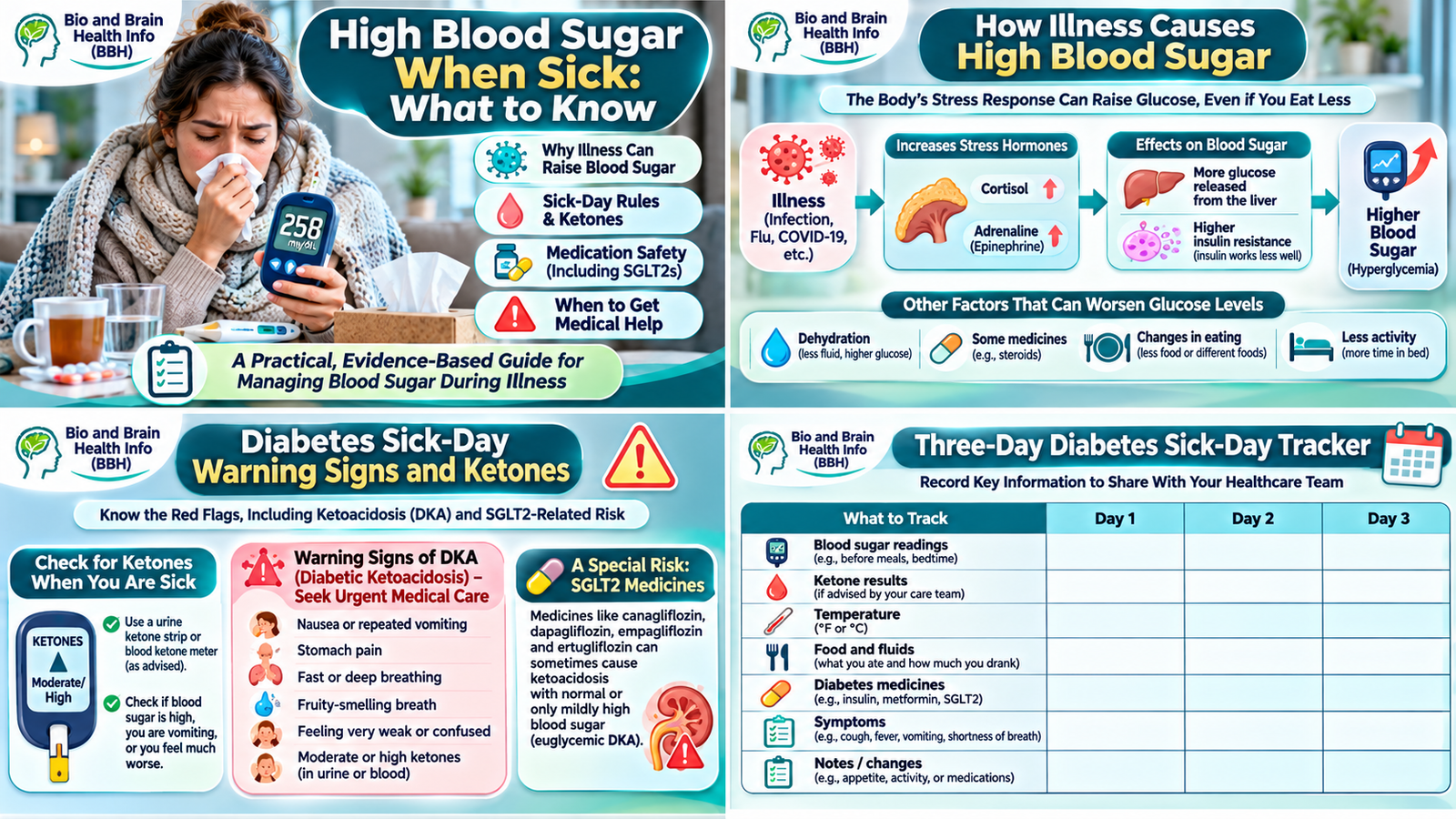
Diabetic ketoacidosis (DKA) is a serious condition involving insufficient insulin and buildup of ketones and acids. It occurs most often in type 1 diabetes, but it can also affect people with type 2 diabetes. Warning signs can include nausea, repeated vomiting, abdominal pain, unusually deep or rapid breathing, fruity breath, marked thirst, dehydration and altered alertness.
DKA requires urgent medical treatment. Someone who cannot tolerate fluids, has ongoing vomiting, worsening ketones, confusion or unusual breathing should obtain emergency assessment, regardless of whether a glucose reading seems exceptionally high. Do not attempt to correct suspected DKA with exercise, fasting, detox drinks or repeated unsupervised insulin doses.
SGLT2 Medicines and Ketoacidosis With Lower Glucose
SGLT2 inhibitors, including medicines with names ending in -gliflozin, have important kidney and cardiovascular benefits for selected people, but can be associated with ketoacidosis during illness, dehydration or reduced food intake. In some cases glucose is below the level traditionally associated with DKA; this is called euglycemic ketoacidosis.
This is an important content gap because a person may feel very ill and falsely assume that a modest CGM reading rules out a serious emergency. If you use an SGLT2 medicine, obtain a written sick-day plan from your prescriber stating when to temporarily withhold it, how to assess symptoms and ketones, and when to resume it. New abdominal pain, vomiting, deep breathing or severe fatigue requires urgent medical assessment.
Hyperosmolar Hyperglycemic State: A Different Emergency
Hyperosmolar hyperglycemic state (HHS) is another potentially life-threatening diabetes emergency, more commonly associated with type 2 diabetes. It often develops with very high glucose and profound dehydration, sometimes alongside infection or impaired access to fluids. Symptoms may include excessive thirst, frequent urination, weakness, drowsiness and confusion.
HHS and DKA can overlap and cannot be reliably distinguished at home from symptoms or one meter result. Older adults, people living alone and people with limited mobility may be at greater risk of delayed recognition. Confusion, severe dehydration or inability to drink safely calls for urgent medical care, not another day of monitoring alone.
Related BBH reading: Diabetes Medication Side Effects: Guide.
A safe approach to high blood sugar when sick requires knowing which diabetes medicines need specific advice when eating or drinking changes.
Diabetes Medicine Sick-Day Rules: What Changes?
Medication advice depends on the drug and on kidney function, dehydration, food intake and illness severity. Essential basal insulin must not be independently stopped in type 1 diabetes. Insulin-treated people may need individualized correction instructions. Insulin-releasing medications such as sulfonylureas may cause hypoglycemia when food intake is reduced.
Some medicines, including metformin and SGLT2 inhibitors, may need to be temporarily paused during significant dehydration or particular acute illnesses, depending on a clinician’s sick-day rules. GLP-1 treatments can worsen nausea in some people, so severe vomiting needs a medicines review. Do not assume the same rules apply to everyone, and do not restart or stop a prescription based only on a general blog.
| Treatment type | Sick-day consideration | Safety rule |
|---|---|---|
| Insulin | Basal insulin is essential in type 1; adjustments may be needed | Follow a written insulin plan, never discontinue essential insulin |
| Sulfonylureas | Hypoglycemia possible with poor intake | Ask prescriber for missed-meal instructions |
| Metformin | May be withheld during significant dehydration or other indicated illness | Follow clinician-specific rule |
| SGLT2 inhibitors | Dehydration and euglycemic DKA risk | Obtain clear withholding and restart instructions |
| GLP-1 medicines | Nausea and dehydration may complicate illness | Review persistent vomiting with prescriber |
Hydration, Vomiting, Diarrhea and Electrolyte Safety
Fever, sweating, frequent urination, vomiting and diarrhea can cause fluid loss. Drinking appropriate fluids may help prevent dehydration when a person is awake, able to swallow and not under a medical fluid restriction. For someone who cannot eat regular meals, the clinician’s sick-day plan may include specific carbohydrate-containing fluids to help match medicine needs.
Fluid advice differs for people with heart failure, advanced kidney disease or other restrictions. It can be dangerous to recommend unlimited water or sports drinks without considering glucose, sodium, kidney status and medication. Inability to keep liquids down or worsening dehydration needs prompt assessment; IV fluid treatment may be necessary.
Related BBH reading: Blood Sugar Spikes After Meals: Causes.
What Can You Eat When Sick With Diabetes?
Loss of appetite, nausea, sore throat or stomach upset can make usual meals difficult. Rather than following an extreme low-carbohydrate plan, prioritize tolerable food and the individualized balance between carbohydrate intake and medicines. Some people need small frequent meals, simple soups or prescribed nutrition alternatives while recovering.
Sugar-free drinks may help avoid unneeded carbohydrate when eating normally, but sugar-containing options can be needed to prevent or treat hypoglycemia according to the care plan. Advice must reflect diabetes type, insulin action and whether the person can swallow. Persistent vomiting is not a reason to keep experimenting with home foods instead of contacting a clinician.
Why Being Sick Can Also Cause Low Blood Sugar
Although illness commonly raises glucose, some people develop lows because they eat less, vomit, have reduced kidney function or continue medicines that lower glucose. Insulin and sulfonylureas deserve particular attention. Infection can therefore produce a mixture of high and low readings instead of a steady upward trend.
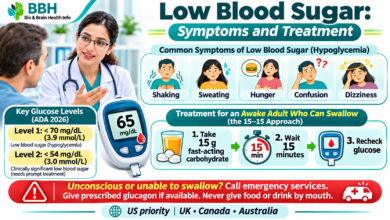
Trembling, sweating, sudden hunger, confusion or unusual behavior may indicate hypoglycemia. People at risk should know their individualized fast-carbohydrate treatment and recheck instructions. Severe hypoglycemia, seizure or inability to swallow requires emergency help; do not give food or drink by mouth to an unconscious person.
Related BBH reading: Time in Range: What Your CGM Shows.
High Blood Sugar When Sick: CGM and Ketone Safety
CGM During Illness: When a Finger-Stick Check Matters
CGM sensors can provide useful glucose trends, but they measure interstitial fluid and may lag behind blood glucose during rapid changes. Sensor pressure, dislodgement and technical limitations can create misleading readings. Dehydration and severe illness also make it especially important to consider symptoms and clinical context rather than one sensor number.
Follow the CGM manufacturer’s instructions for confirming readings with a finger-stick meter when symptoms do not match the display or treatment decisions require confirmation. Crucially, a CGM does not measure ketones, diagnose DKA or exclude euglycemic ketoacidosis. Keep an accessible blood glucose meter and appropriate ketone supplies if advised.
Insulin Pumps, Infusion Sets and Rapid Deterioration
People using an insulin pump typically have no long-acting insulin depot from the pump itself. A blocked infusion set, dislodged cannula, empty reservoir or device malfunction can rapidly reduce insulin delivery and increase DKA risk. Unexpected high readings during illness warrant careful attention to pump status and ketones as directed by the pump team’s plan.
A written backup plan should identify whom to call, what supplies to keep available and what to do if insulin delivery fails. Do not guess replacement insulin doses from an article. If ketones rise, symptoms worsen or an infusion problem cannot be safely resolved, seek urgent professional help.
Related BBH reading: Stress and Blood Sugar: The Connection.
Financial Stress, Anxiety and Sick-Day Self-Care
Illness is harder when someone is exhausted, frightened about costs, caring for children or worried about missing work. Emotional stress can disrupt meals, medication routines, sleep and glucose checks. Financial strain can also delay prescription refills or visits to a clinician. These practical barriers deserve support, not blame.
A useful sick-day plan identifies a trusted contact, simple food and fluid options, emergency numbers and where to obtain affordable supplies. If a person has mental-health symptoms or is too unwell to manage essential treatment, involving a caregiver or healthcare professional may be especially important. Relaxation may support coping but cannot reverse DKA or treat a dangerously high glucose reading.
Travel, Working Alone and Preparing a Sick-Day Kit
A sick-day kit can include a glucose meter and strips, CGM backup supplies, ketone testing supplies if indicated, medications and instructions, easy-to-tolerate foods, appropriate fluids, a thermometer and emergency contact details. Check expiration dates and storage conditions, especially for insulin. Keep a copy of the written action plan accessible.
For someone working alone, traveling across time zones or living far from care, plan how to obtain urgent help before illness occurs. Do not wait until glucose has become severely abnormal to learn where the nearest emergency service is. Education and preparation can reduce avoidable delays, but cannot replace timely professional care.
Type 1, Type 2, Pregnancy and Older Adults
Type 1 diabetes involves higher risk of rapid insulin-deficiency ketoacidosis, particularly when basal insulin is interrupted. Type 2 diabetes patients may face severe dehydration and HHS, while people receiving SGLT2 inhibitors require awareness of euglycemic DKA. Some people with type 2 diabetes using insulin also have ketone risks.
Pregnancy requires distinct glucose and ketone guidance and a lower threshold for medical review of concerning illness. Older adults, people with kidney or heart disease and people who cannot reliably drink or monitor should seek individualized recommendations. A single universal glucose cutoff cannot safely replace these differences.
US, UK, Australian and Canadian Sick-Day Guidance
In the United States, ADA 2026 Standards, CDC materials and the American Diabetes Association emphasize individualized sick-day instructions and ketone awareness. Diabetes UK provides type-specific sick-day rules and advice about monitoring and medication changes, especially for insulin and SGLT2 medicines.
Australia’s NDSS offers downloadable sick-day action plans for different forms of diabetes and treatment. Canadian readers should use Diabetes Canada guidance and provincial clinical instructions. US devices commonly report mg/dL; UK, Australian and Canadian services usually use mmol/L. For orientation, 250 mg/dL is approximately 13.9 mmol/L, but this is not a universal emergency threshold.
A written plan for high blood sugar when sick should cover when to call for help, not just what numbers to track.
A Practical Sick-Day Action Worksheet
Before illness, ask your clinician to record when to check glucose, when to measure ketones, which medicines to continue or temporarily hold, how to handle fluids and carbohydrates, and which symptoms require urgent care. The plan should include appropriate alternatives if you cannot use a CGM or obtain strips.
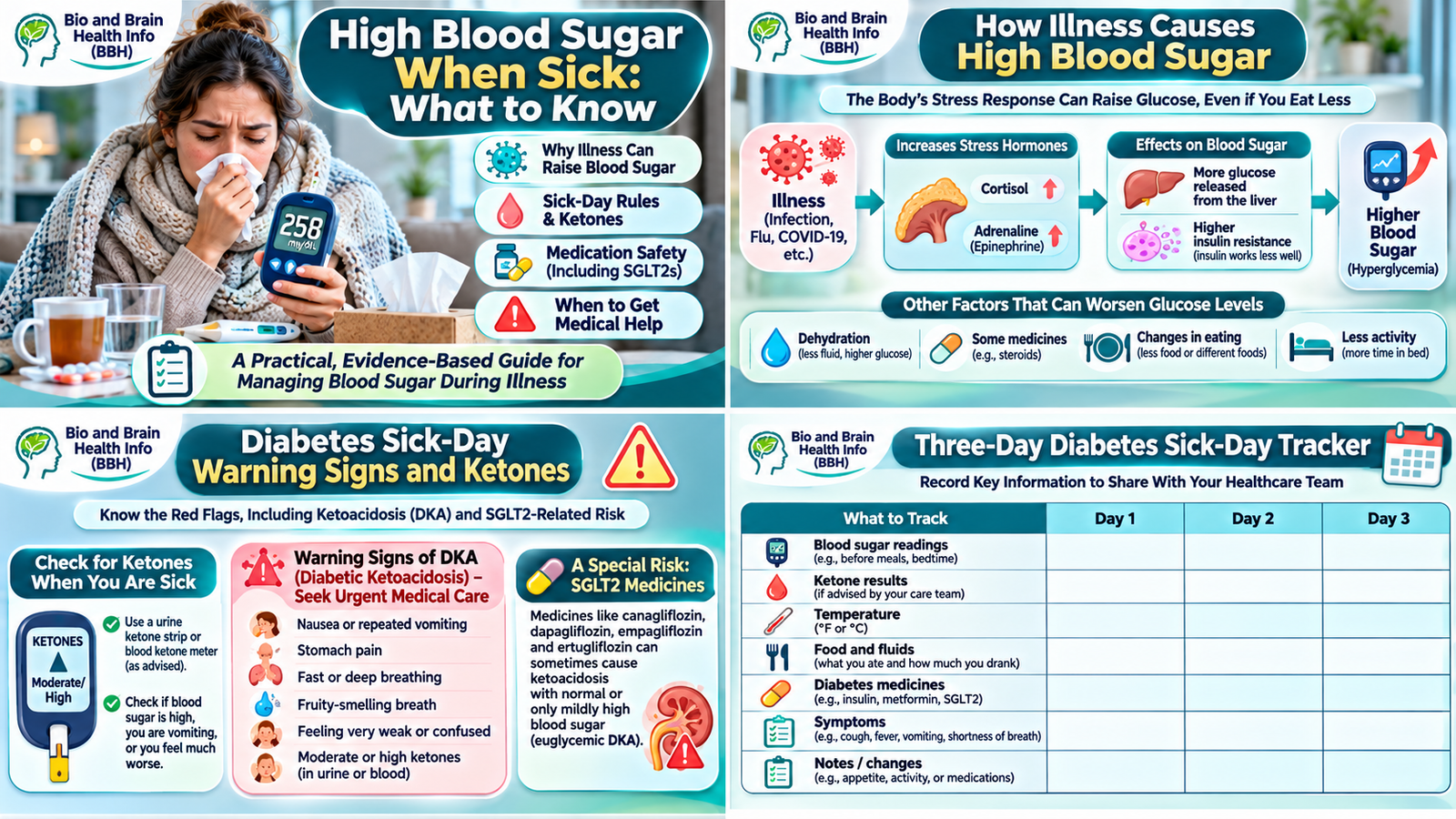
During illness, record the time, temperature if relevant, symptoms, foods and fluids tolerated, medicines taken, glucose readings and ketone results when advised. Note vomiting, urine output and any worsening alertness. Share the record with the healthcare team; never use it to invent insulin corrections or self-diagnose a hyperglycemic emergency.
| Time / day | Symptoms and temperature | Glucose / ketones if prescribed | Fluids / food tolerated | Medicines and next action |
|---|---|---|---|---|
| Day 1 | ||||
| Day 2 | ||||
| Day 3 |
Common Sick-Day Myths That Can Be Dangerous
Myth: “If I do not eat, glucose cannot rise.” Illness hormones can still drive liver glucose release. Myth: “Stop all insulin when vomiting.” Essential insulin remains necessary in type 1 diabetes, and treatment must be managed under a sick-day plan. Myth: “A normal-ish CGM reading excludes DKA.” Euglycemic DKA can occur, especially with SGLT2 therapy.
Myth: “Walking or fasting will burn off a dangerous high.” Exercising with significant ketones or serious illness can be unsafe. Myth: “A detox drink cures sick-day highs.” No drink replaces prescribed medicine, hydration assessment and urgent medical care when indicated. Accurate sick-day education is about risk recognition, not miracle correction techniques.
High Blood Sugar When Sick: Questions Patients Ask
Frequently Asked Questions About High Glucose While Ill
Why is my glucose high even though I have not eaten? Illness hormones stimulate liver glucose release and reduce insulin effectiveness. Can vomiting cause high or low glucose? Both are possible depending on illness, dehydration and treatment. Should I stop diabetes medicine? Follow class-specific personalized sick-day instructions; never stop essential insulin independently.
When should I check ketones? According to your clinical plan, especially when at risk for DKA and experiencing illness, elevated readings or concerning symptoms. Can DKA occur below 200 mg/dL? Yes, euglycemic DKA can occur. Can a UTI raise glucose? Infection can contribute. When should I seek urgent help? For persistent vomiting, inability to drink, confusion, abnormal breathing, severe dehydration, significant ketones or worsening symptoms.
Five Related BBH Guides and Support
Medical References and Disclaimer
- ADA Standards of Care 2026: Glycemic Goals, Hypoglycemia and Hyperglycemic Crises
- CDC: Managing Sick Days
- CDC: Diabetic Ketoacidosis
- American Diabetes Association: Planning for Sick Days
- American Diabetes Association: DKA Signs and Symptoms
- ADA/EASD 2026 Consensus: Management of Type 1 Diabetes in Adults
- Diabetes UK: Diabetes and Being Ill
- Australia NDSS: Sick Days With Diabetes
- Australia NDSS: Individualized Sick-Day Action Plans
- Diabetes Canada: Diabetes Education